The Reality of the 2000 Dollar Bill: Fact-Checking Numismatic Myths
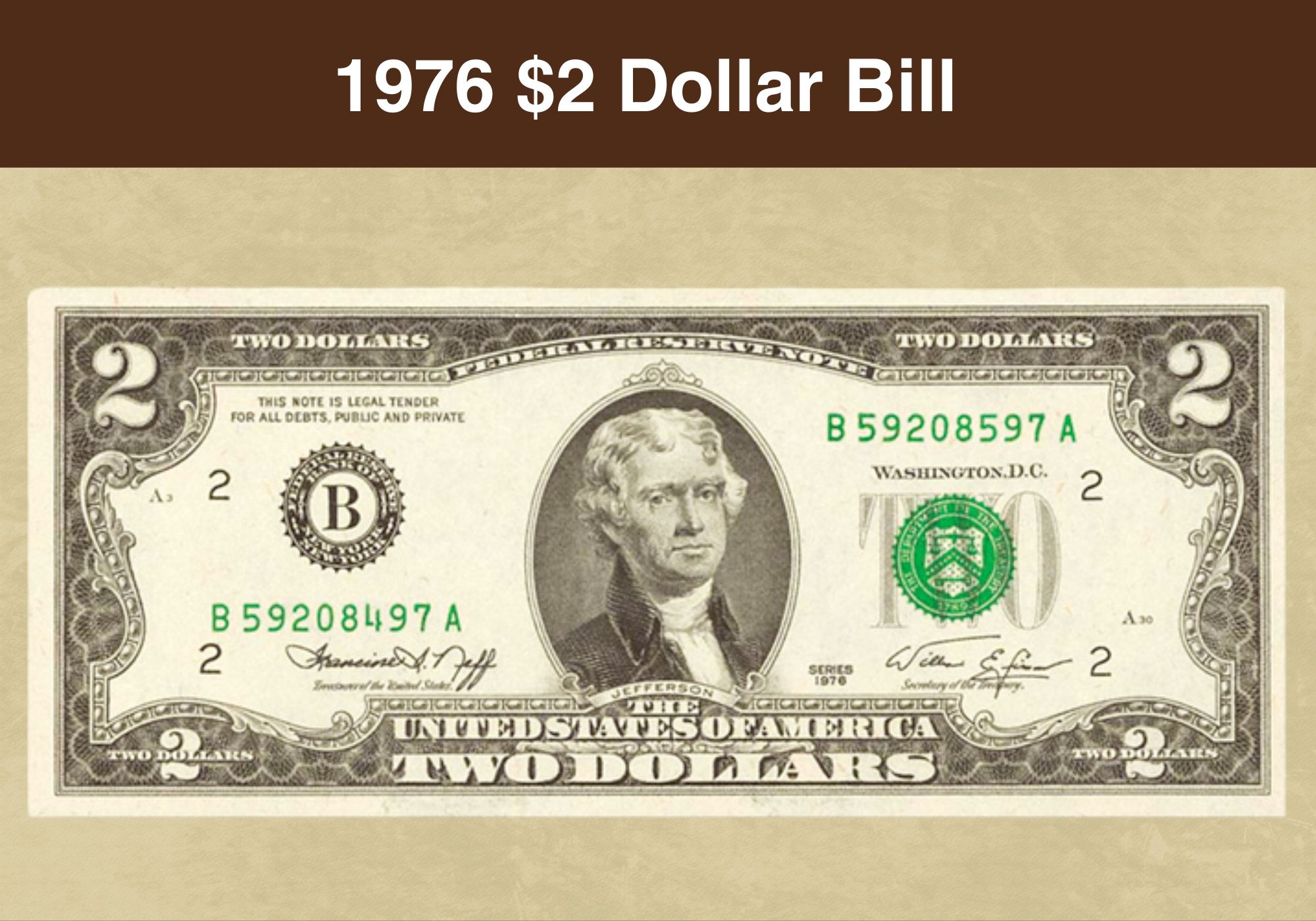
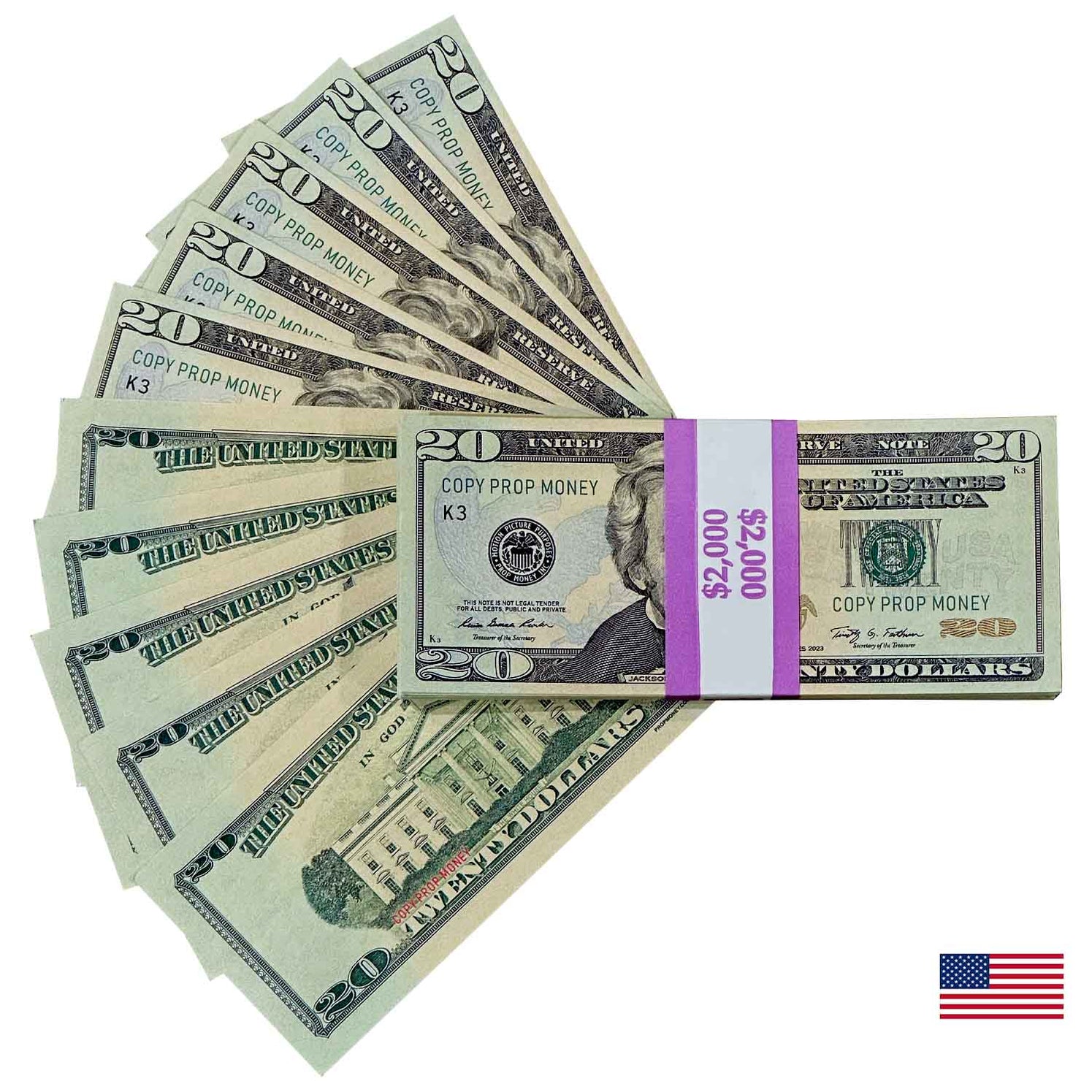
There is no such thing as a 2000 dollar bill in United States currency. While the U.S. Bureau of Engraving and Printing and the Federal Reserve have issued high-denomination notes in the past—such as the $500, $1,000, $5,000, and $10,0...
There is no such thing as a 2000 dollar bill in United States currency. While the U.S. Bureau of Engraving and Printing and the Federal Reserve have issued high-denomination notes in the past—such as the $500, $1,000, $5,000, and $10,000 bills—a $2,000 denomination has never been produced or authorized for legal tender. Any item purporting to be a 2000 dollar bill is a novelty, a prop, or a counterfeit.
Contents
Understanding Historical High-Denomination U.S. Currency
To understand why a 2000 dollar bill does not exist, it is essential to examine the history of American large-denomination currency. Throughout the 19th and early 20th centuries, the U.S. government issued high-value notes primarily for internal bank transfers and large-scale government transactions, rather than for public circulation.
The highest denomination ever printed by the Bureau of Engraving and Printing was the $100,000 Gold Certificate, Series 1934, which featured the portrait of Woodrow Wilson. These notes were strictly used for transactions between Federal Reserve Banks and were never intended to circulate among the general public.
| Denomination | Series Years | Portrait | Primary Use Case |
|---|---|---|---|
| $500 | 1918, 1928, 1934 | William McKinley | Private/Public Exchange |
| $1,000 | 1918, 1928, 1934 | Grover Cleveland | Private/Public Exchange |
| $5,000 | 1918, 1928, 1934 | James Madison | Inter-Bank Transfers |
| $10,000 | 1918, 1928, 1934 | Salmon P. Chase | Inter-Bank Transfers |
| $100,000 | 1934 | Woodrow Wilson | Federal Reserve Transfers |
Why the 2000 Dollar Bill Myth Persists
The persistent rumor regarding a 2000 dollar bill often stems from a misunderstanding of how currency series are numbered or a confusion between commemorative coins and legal tender paper money. Collectors and the general public sometimes encounter "fantasy notes"—privately produced items created by artists or novelty manufacturers—that mimic the aesthetic of U.S. currency.
These fantasy pieces are designed to look realistic to the untrained eye, often using high-quality paper and sophisticated printing techniques. However, they lack the legal security features mandated by the Department of the Treasury. In 2026, as in previous decades, the U.S. government maintains strict regulations regarding the reproduction of currency to prevent counterfeiting. Any item resembling a 2000 dollar bill is essentially a piece of souvenir paper with no monetary value.
Identifying Genuine vs. Novelty Currency
As a Senior Technical SEO strategist monitoring numismatic data in 2026, it is vital to distinguish between historical legal tender and modern reproductions. If you come across a note that claims to be a $2,000 bill, you can verify its status through several objective measures:
- Official Bureau of Engraving and Printing Records: Check the BEP production history list. If a denomination is not listed in the "Series and Denominations" index, it was never produced.
- Security Features: Genuine high-denomination notes from the 1934 series contain intricate micro-printing, specific watermarks, and blue-ink serial numbers that are exceptionally difficult to replicate without government-grade machinery.
- Serial Number Sequences: Novelty bills often feature repeating or nonsensical serial numbers that do not match the specific nomenclature used by the Federal Reserve during the 1934 or 1928 series releases.
- Legal Tender Status: Under the Federal Reserve Act, only specific denominations are defined as legal tender for all debts, public and private. The $2,000 note is missing from all statutes governing the U.S. monetary system.
Risks Associated with Novelty Currency
Purchasing or attempting to use a fake 2000 dollar bill carries significant legal risks. While novelty items are legal to own as collectibles, attempting to pass them off as legitimate money constitutes counterfeiting.
Legal Warning Regarding Forgery
Under 18 U.S. Code Section 471, it is a federal crime to falsely make, forge, or counterfeit any obligation of the United States. While novelty manufacturers argue their products are for entertainment, they are often required to print "Copy" or "Novelty" on the face to avoid prosecution. If you possess a high-value note that does not explicitly state its novelty status, it is recommended to have it authenticated by a professional numismatist affiliated with the Professional Coin Grading Service or the Numismatic Guaranty Company.
Frequently Asked Questions
Is there any rare 2000 dollar bill worth money to collectors? No, because the note does not exist, there are no rare or valuable versions. Any item labeled as such is a fantasy piece, which usually holds only the value of the paper or the novelty itself.
Did the U.S. ever plan to issue a 2000 dollar bill? There are no archival records indicating the U.S. Treasury ever entertained the idea of a $2,000 denomination. The jump from $1,000 to $5,000 was consistent with the scaling of inter-bank settlements during the early 20th century.
Can I exchange a fake 2000 dollar bill at a bank? No. Banks are trained to identify legitimate currency. Attempting to deposit or exchange a known counterfeit or novelty note will trigger immediate institutional reporting protocols, potentially leading to an investigation by the United States Secret Service.
How do I identify a $1,000 bill versus a fake? Legitimate $1,000 bills from the 1934 series are historical artifacts held in specialized collections. They feature authentic steel-engraved portraits and specific Treasury seals. Always cross-reference the serial number against known registries maintained by the Smithsonian National Museum of American History.
Are there commemorative bills that look like a 2000 dollar bill? Some private mints produce "commemorative" or "tribute" notes. These are sometimes marketed as high-value currency to uninformed buyers. These are strictly private products and carry zero government backing or financial value.
Professional Guidance for Numismatic Enthusiasts
For those interested in the history of large-denomination currency, the most authoritative source is the official website of the Bureau of Engraving and Printing (BEP). The BEP provides comprehensive documentation on the history of American paper money. If you are looking to invest in genuine high-denomination historical notes, always seek certification from reputable grading services. These organizations provide a slabbed, authenticated history for every note, ensuring that what you are purchasing is an authentic, legal-tender artifact rather than a modern-day fabrication.
If you suspect you have encountered a fraudulent instrument, do not attempt to use it. Contact your local financial institution or the nearest office of the United States Secret Service to report the item. Protecting the integrity of the U.S. currency system relies on public awareness and the refusal to circulate unauthorized novelty items.
Image Gallery