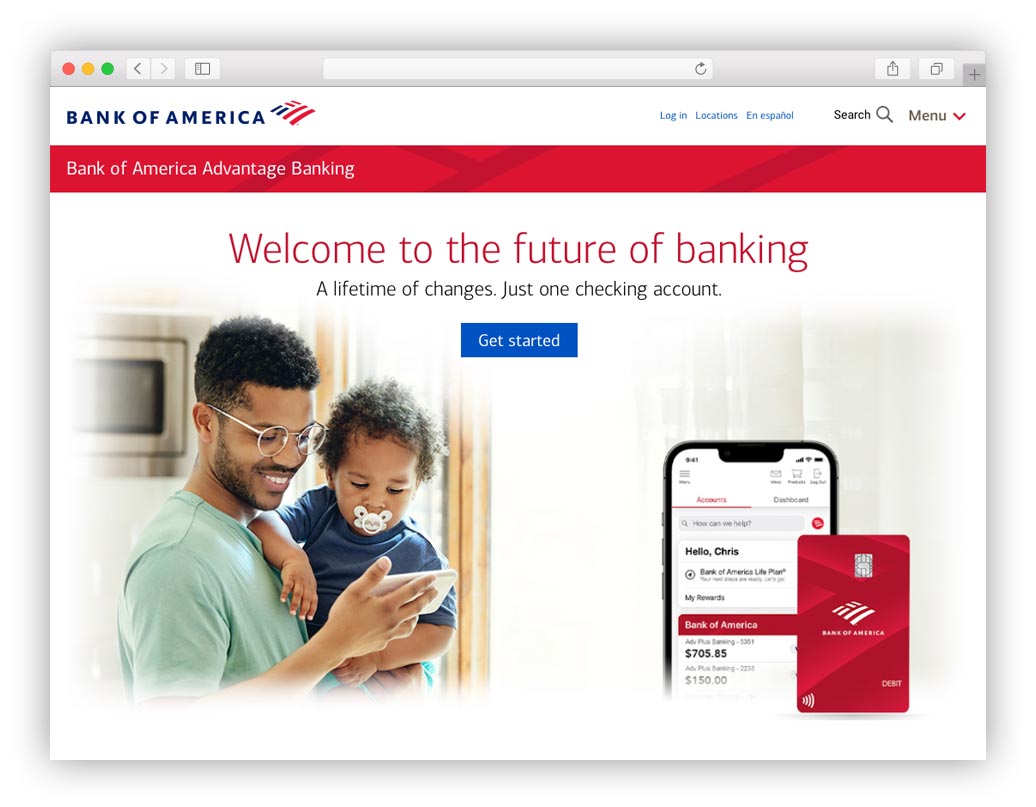
Navigating No Fee Online Checking Account Options
Finding a reliable checking account that does not charge monthly maintenance fees is essential for keeping personal finances streamlined and cost-effective. A no fee online checking account typically provides digital-first banking, fee...
Finding a reliable checking account that does not charge monthly maintenance fees is essential for keeping personal finances streamlined and cost-effective. A no fee online checking account typically provides digital-first banking, fee-free ATM access, and zero minimum balance requirements, allowing account holders to manage their money without losing funds to traditional banking overhead costs.
Contents
Choosing the right financial institution requires looking past promotional offers to examine fee schedules, minimum opening deposits, overdraft policies, and the availability of surcharge-free ATMs. While traditional brick-and-mortar banks frequently charge monthly fees unless customers maintain high minimum daily balances or set up direct deposits of a specific threshold, online-first platforms operate with lower overhead. This structural difference enables them to pass savings onto consumers through fee-free banking structures. However, navigating these options requires an understanding of how online banks handle cash deposits, customer support, and ancillary transaction fees.
Understanding the Landscape of Digital Banking
The evolution of financial technology has transformed checking accounts from physical ledger-based services into dynamic digital applications. Online banks and fintech companies provide full-service banking capabilities—including routing numbers, debit cards, mobile check deposit, and electronic fund transfers—without maintaining physical branch networks.
Traditional Banks Versus Online-First Platforms
Traditional banks rely heavily on physical branches, which incurs substantial real estate, staffing, and operational expenses. To offset these costs, many traditional institutions levy monthly maintenance fees ranging from $5 to $25 unless customers meet stringent criteria, such as maintaining a combined daily balance of several thousand dollars or receiving direct deposits above a specified threshold.
In contrast, online-first banks and credit unions operate primarily through web portals and mobile applications. By eliminating branch overhead, these institutions can offer checking accounts with no monthly maintenance fees and no minimum balance requirements. This accessibility makes online checking accounts particularly attractive for students, freelancers, gig workers, and individuals who prefer managing their money via smartphones or computers.
The Mechanics Behind "No Fee" Claims
When a checking account is advertised as having "no fee," it usually refers specifically to the absence of a monthly maintenance or account-keeping charge. However, consumers must carefully evaluate the entire fee schedule of any financial institution. While monthly fees may be absent, other transactional costs can apply.
- Out-of-Network ATM Fees: Fees charged when using an ATM outside the bank's designated network.
- Overdraft and Non-Sufficient Funds (NSF) Fees: Charges incurred when a transaction exceeds the available account balance. Many modern online checking accounts have eliminated or significantly reduced these fees.
- Wire Transfer Fees: Costs associated with sending or receiving domestic or international wire transfers.
- Foreign Transaction Fees: Surcharges applied when making purchases in foreign currencies or outside the home country.
Key Features to Evaluate in No Fee Checking Accounts
Selecting an online checking account goes beyond confirming that the monthly fee is zero. Evaluating structural features ensures the account aligns with daily financial habits and long-term banking needs.
ATM Access and Cash Handling
One of the primary challenges of online-first banking is handling physical cash. Because these institutions lack brick-and-mortar branches, depositing paper currency often requires purchasing a money order, using a designated partner network, or paying a fee at retail service counters.
Conversely, ATM access is generally robust. Many online banks partner with major ATM networks—such as Allpoint or MoneyPass—providing surcharge-free access to tens of thousands of machines nationwide. When reviewing an online checking account, verify both the breadth of the surcharge-free ATM network and whether the institution reimburses out-of-network ATM fees charged by third-party operators.
Deposit Insurance and Regulatory Safety
Safety is a paramount concern when entrusting funds to an online financial institution. In the United States, legitimate banks secure deposits through the Federal Deposit Insurance Corporation (FDIC), while credit unions utilize the National Credit Union Administration (NCUA).
- FDIC Insurance: Protects funds up to $250,00 per depositor, per ownership category, in the event of an insured bank failure.
- Fintech Partnerships: Many online platforms that are not banks themselves partner with insured depository institutions to provide pass-through FDIC insurance. Consumers should confirm the partner bank's identity to ensure their deposits are fully protected.
Overdraft Protection and Transparency
Accidental overdrafts can disrupt personal budgeting. Traditional banks often charge steep fees for each transaction that clears while an account has a negative balance. Many modern online checking options have addressed this pain point by eliminating overdraft fees entirely, rejecting transactions that exceed the balance without penalty, or offering low-cost lines of credit and linked savings overdraft transfers.
Comparison of Common Online Checking Structures
| Feature / Attribute | Traditional Bank Checking | Online-First FinTech/Bank | Credit Union Checking |
|---|---|---|---|
| Monthly Maintenance Fee | Often charged unless balance criteria are met. | Typically $0 with no minimum balance. | Usually $0 or easily waived with minor activity. |
| Minimum Opening Deposit | Ranges from $25 to $100+. | Often $0 or very low ($1 to $25). | Varies, often requires a small membership share deposit. |
| Branch Access | Full physical branch network access. | Digital-only (App and Web interface). | Shared branching networks and select physical locations. |
| ATM Network Size | Proprietary network, often incurs out-of-network fees. | Large nationwide partner networks (Allpoint, MoneyPass). | CO-OP network and participating credit unions. |
| Cash Deposit Capability | Direct teller deposits at any branch. | Limited; requires partner networks, retail stores, or money orders. | Available at participating shared branches or ATMs. |
Prerequisites and Application Requirements
Opening a no fee online checking account is a streamlined process, but applicants must meet specific identification and eligibility criteria. Because online platforms operate under strict federal anti-money laundering and "Know Your Customer" (KYC) regulations, identity verification is mandatory.
Documentation Needed for Application
Before starting an online application, gather the necessary documentation to ensure a smooth verification process:
- Government-Issued Photo Identification: A valid driver's license, state identification card, or passport.
- Taxpayer Identification Number: A Social Security Number (SSN) or Individual Taxpayer Identification Number (ITIN).
- Proof of Address: A utility bill, lease agreement, or official correspondence displaying current residential address if it differs from the ID.
- Initial Funding Source: A debit card, routing and account numbers from an existing external bank account, or a mobile check to cover the opening deposit if required.
Evaluating Banking History Reports
When an individual applies for an online checking account, the financial institution typically screens the applicant's banking history through consumer reporting agencies such as ChexSystems or Early Warning Services (EWS). These databases track past account closures, unpaid negative balances, and instances of suspected fraud.
Applicants with past banking challenges may face denials from strict online platforms. However, many institutions now offer second-chance checking accounts or specialized online accounts designed for individuals rebuilding their financial history, though these specific accounts may carry nominal monthly fees.
Common Mistakes to Avoid When Choosing an Account
Selecting an online checking account without thorough research can lead to unexpected frustrations. Avoiding common pitfalls ensures long-term satisfaction with the chosen financial product.
- Ignoring the Fine Print on Direct Deposit Requirements: Some accounts advertise no monthly fees only if the user receives a minimum monthly direct deposit. Failing to meet this threshold can trigger unexpected monthly charges.
- Overlooking Customer Support Channels: Digital banking relies heavily on efficient support. Choosing an institution that offers only automated chatbot assistance can create significant delays when resolving urgent issues like fraud or card lockouts.
- Failing to Plan for Cash Deposits: Users who frequently handle physical cash may find digital-only accounts inconvenient due to the lack of direct teller access and potential fees associated with retail deposit networks.
- Neglecting Interest Rates: While checking accounts are primarily transactional, many online options function as hybrid accounts that pay competitive Annual Percentage Yields (APY) on positive balances, representing missed earnings if ignored.
Frequently Asked Questions
Do online checking accounts really have no monthly fees?
Yes, many online banks and financial technology platforms offer checking accounts with zero monthly maintenance fees and no minimum balance requirements. They achieve this by eliminating the overhead costs associated with maintaining physical branch networks. However, users should always review the fee schedule for ancillary costs such as wire transfers or out-of-network ATM use.
How do I deposit cash into an online-first checking account?
Depositing cash into a digital-only account can vary by institution. Common methods include purchasing a money order and depositing it via mobile check capture, utilizing partner retail networks that accept cash deposits for a small fee, or transferring funds from another bank account where cash was deposited physically.
Are online checking accounts safe and FDIC-insured?
Online checking accounts offered by regulated banks are safe and provide FDIC insurance up to $250,000 per depositor. For accounts offered by non-bank fintech companies, funds are typically swept into partner banks that hold FDIC insurance. Always verify the specific partner bank identity on the financial institution's official website.
Can I write physical checks with an online checking account?
Most online checking accounts provide digital bill pay and debit cards, but many also offer physical checkbooks. Some institutions provide them for free upon account opening, while others charge a nominal fee for printing and shipping checkbooks to the account holder's address.
What happens if my online checking account balance drops to zero?
If an account balance reaches zero, accounts with no overdraft fees will typically decline or reject any transaction that exceeds the available funds rather than assessing a penalty. However, maintaining a zero balance for extended periods may prompt the institution to close the account due to inactivity or negative standing.
Image Gallery