Robinson Foundation Repair in Jackson, MA: Comprehensive Structural Solutions for 2026
Robinson Foundation Repair provides specialized structural stabilization, basement waterproofing, and crawl space encapsulation for residential and commercial properties in the Jackson, MA area. Using advanced piering systems and moist...
Robinson Foundation Repair provides specialized structural stabilization, basement waterproofing, and crawl space encapsulation for residential and commercial properties in the Jackson, MA area. Using advanced piering systems and moisture control technology, they address structural compromises caused by the region's specific soil composition, high water tables, and the cyclical stress of New England freeze-thaw patterns.
Contents
The Significance of Foundation Health in the Jackson, MA Region
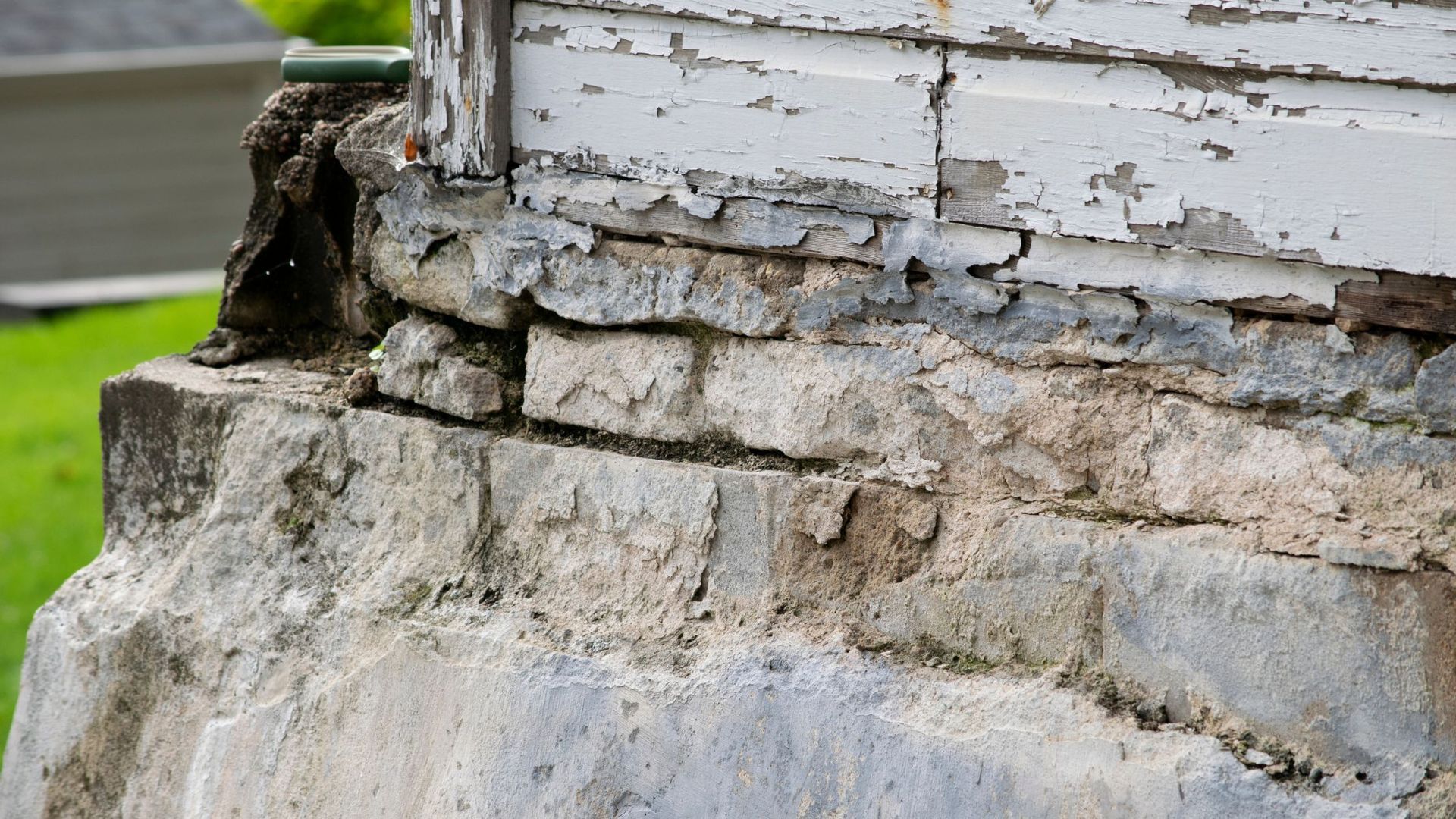
The structural integrity of a building depends entirely on the stability of its foundation. In the Jackson, MA area, properties often face unique environmental challenges that can lead to settlement, heaving, or moisture intrusion. As we move through 2026, many older homes in the Massachusetts region are reaching critical points where original foundation materials—such as fieldstone or early poured concrete—require modern reinforcement to prevent catastrophic failure.
A foundation is not merely a base; it is a complex system that interacts with the surrounding soil. When the soil shifts or loses its load-bearing capacity, the foundation moves with it. This movement results in structural "stress points" that manifest as cracks in drywall, sticking doors, and uneven floors. Robinson Foundation Repair addresses these issues by identifying the root cause—whether it is hydrostatic pressure, soil erosion, or poor initial construction—and implementing permanent engineering solutions rather than cosmetic fixes.
Common Foundation Issues in the Massachusetts Climate
The climate in Massachusetts presents a specific set of variables that homeowners must monitor. The transition from heavy spring rains to harsh winter freezes creates a "pumping" effect in the soil.
Hydrostatic Pressure and Soil Expansion
Jackson, MA often deals with clay-rich or silty soils that expand significantly when saturated. This expansion creates hydrostatic pressure, which pushes against the exterior of foundation walls. Over time, this pressure can cause walls to "bow" or "lean" inward. If left unaddressed, the lateral pressure can exceed the structural capacity of the concrete, leading to horizontal cracks and eventual wall collapse.
Frost Heaving
In the New England winter, the ground freezes to a significant depth. If a foundation's footings are not deep enough or if water is trapped beneath the slab, the ice expands and lifts the structure. This is known as frost heaving. When the ground thaws, the structure may not settle back into its original position, leading to progressive misalignment.
Settling and Sinking
Conversely, during dry periods, the soil can shrink and pull away from the foundation. This creates voids that lack the necessary support for the weight of the building. Robinson Foundation Repair specializes in identifying these "sink zones" where the building's weight is no longer distributed evenly, causing one corner or side of the structure to drop lower than the rest.
Technical Repair Methods Utilized by Robinson Foundation Repair
To address the diverse needs of Jackson, MA properties, Robinson utilizes a hierarchy of repair technologies. These methods are chosen based on the specific type of failure and the underlying soil conditions.
1. Resistance Piering (Push Piers)
For buildings experiencing significant settlement, resistance piers are a primary solution. These are high-strength steel tubes driven deep into the ground using the weight of the building as a counter-force. The piers reach competent load-bearing strata or bedrock, effectively bypassing the unstable surface soil. Once the piers are seated, the building is hydraulically lifted back toward its original level and locked into place.
2. Helical Piering
In areas with lighter loads or where soil conditions are particularly unstable, helical piers are utilized. These piers feature screw-like plates (helices) that allow them to be "screwed" into the ground. They are excellent for both tension and compression loads and are frequently used in Jackson for new additions or to stabilize existing porches and chimneys that have begun to pull away from the main structure.
3. Carbon Fiber Wall Reinforcement
For foundations experiencing lateral shifts or bowing (but not necessarily vertical settlement), carbon fiber straps offer a non-invasive, high-tensile strength solution. These straps are bonded to the interior of the foundation wall using industrial-strength epoxy. Carbon fiber does not stretch and is stronger than steel, effectively "locking" the wall in place and preventing further inward movement without the need for heavy excavation.
4. Slabjacking and Polyurethane Injection
For sinking concrete slabs—such as garage floors, patios, or interior basement floors—Robinson employs polyurethane foam injection. This process involves drilling small, penny-sized holes in the slab and injecting a high-density expanding foam. The foam fills voids and expands with enough force to lift the concrete back to level. Unlike traditional "mudjacking," polyurethane is lightweight, waterproof, and does not add significant weight to the underlying soil.
Waterproofing and Drainage: The First Line of Defense
Structural repair is often incomplete without addressing the water issues that caused the damage. Robinson Foundation Repair integrates comprehensive waterproofing systems to ensure long-term stability.
- Interior Drain Tiles: These systems involve a perimeter trench inside the basement that directs water to a sump pump. This relieves hydrostatic pressure before it can damage the walls.
- Exterior Waterproofing Membranes: For a more proactive approach, the exterior foundation is excavated and coated with a rubberized membrane and drainage board, preventing water from ever touching the concrete.
- Sump Pump Systems: In 2026, modern sump pumps come equipped with battery backups and smart sensors that alert homeowners to high water levels or mechanical failures via mobile applications, a standard feature in Robinson’s high-tier installations.
The Robinson Inspection and Repair Process
The process of repairing a foundation is a multi-step engineering project that requires precision. Robinson Foundation Repair follows a standardized protocol to ensure safety and efficacy.
- Site Evaluation and Elevation Mapping: Technicians use laser levels to create a digital map of the foundation’s current position. This identifies exactly where the "low spots" are located.
- Geotechnical Assessment: Understanding the soil at the site is crucial. Robinson analyzes soil moisture and density to determine the required depth for piers.
- Permitting and Utility Marking: Before any excavation or piering, the team coordinates with local Jackson, MA authorities to ensure all building codes are met and underground utility lines are safely marked.
- Installation: Whether it is piering or wall stabilization, the hardware is installed using calibrated equipment to ensure every component meets the specified load-bearing requirements.
- Restoration: After the structure is stabilized or lifted, any necessary cosmetic repairs (such as crack injection with epoxy or polyurethane) are performed, and the site is backfilled and graded.
Cost Factors and 2026 Pricing Tiers
The cost of foundation repair in Jackson, MA varies significantly based on the severity of the damage and the method of repair required. In 2026, labor costs and material prices (particularly steel) are the primary drivers of these estimates.
| Repair Type | Average Cost Range (2026) | Primary Application |
|---|---|---|
| Epoxy Crack Injection | $800 – $1,500 | Minor seepage and non-structural cracks |
| Carbon Fiber Straps | $1,200 – $1,800 per strap | Bowing or leaning walls; lateral stability |
| Resistance/Push Piers | $2,500 – $3,500 per pier | Vertical settlement; sinking foundations |
| Helical Piers | $2,800 – $4,000 per pier | Light structures, chimneys, or new builds |
| Polyurethane Lifting | $2,500 – $6,000 | Sinking slabs, walkways, or garage floors |
| Full Waterproofing | $8,000 – $20,000+ | Comprehensive basement moisture control |
Note: These figures represent regional averages for the 2026 fiscal year and may vary based on specific site accessibility and engineering requirements.
Selecting a Contractor: Licensing and Standards in MA
When choosing a foundation repair specialist in Massachusetts, it is vital to verify credentials. Robinson Foundation Repair maintains all necessary state-specific licenses and carries comprehensive general liability and workers' compensation insurance.
In Massachusetts, structural work often requires a Construction Supervisor License (CSL). Homeowners should ensure that the contractor provides a written warranty that is transferable if the home is sold. Robinson’s warranties typically cover the life of the structure for piering systems, providing significant value during property appraisals and real estate transactions.
Frequently Asked Questions
How do I know if my foundation needs professional repair?
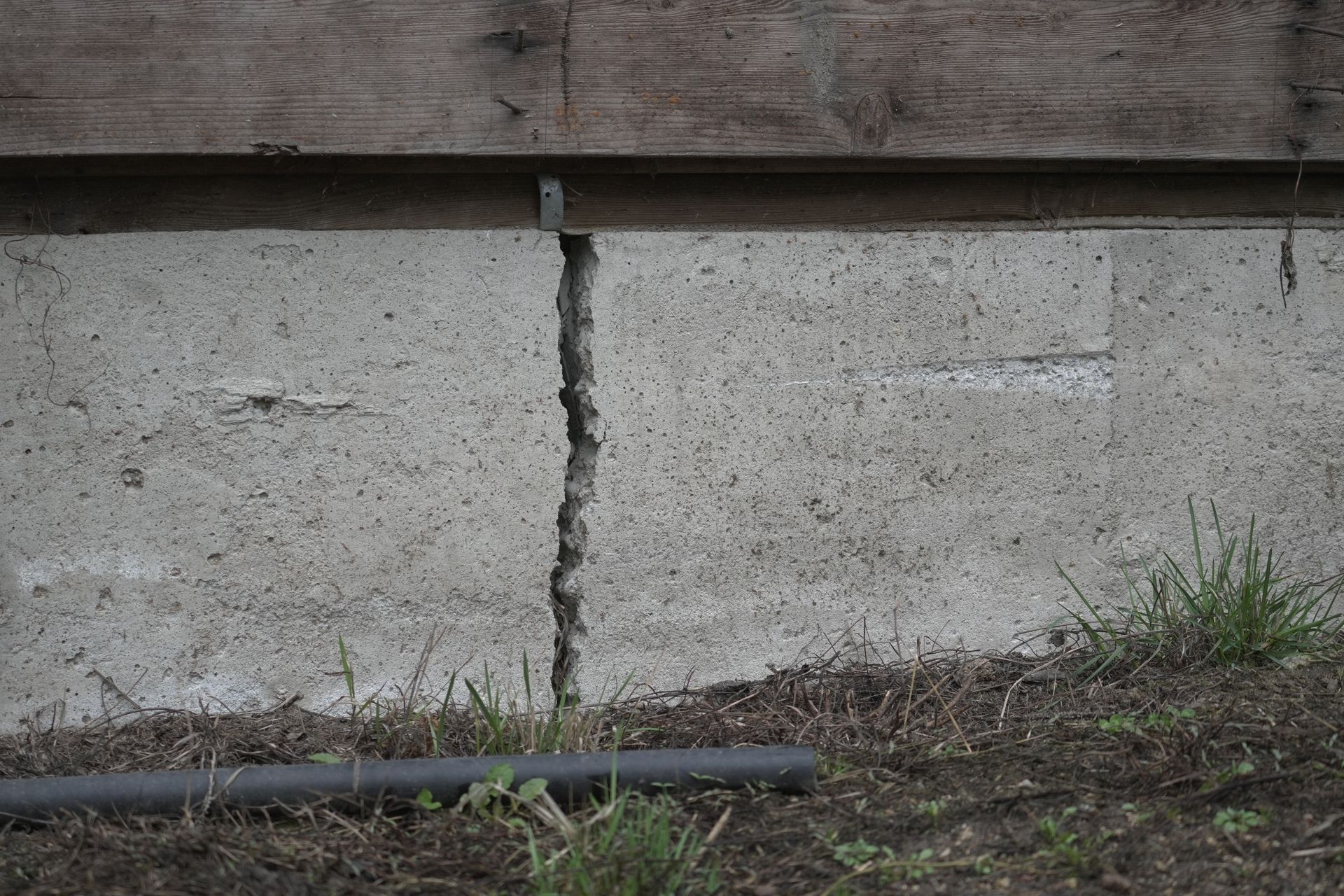
Look for "stair-step" cracks in exterior brickwork, horizontal cracks in basement walls, or doors that no longer latch correctly. If you notice a gap between your chimney and the house, or if your floors feel noticeably sloped, these are indicators of structural movement that require an inspection.
Does homeowners insurance cover foundation repair?
Generally, standard homeowners insurance policies do not cover foundation repair if the damage is caused by "earth movement" or gradual wear and tear. However, if the foundation damage is a direct result of a covered peril, such as a plumbing burst, there may be partial coverage. Robinson provides detailed documentation to assist homeowners in their claims process.
How long does a typical repair project take?
Most residential piering or wall stabilization projects in the Jackson, MA area are completed within 3 to 5 business days. Waterproofing projects may take longer depending on whether exterior excavation is required.
Can foundation repairs be performed in the winter?
Yes. While extreme frost can make excavation more difficult, Robinson utilizes specialized equipment that allows for pier installation and interior waterproofing throughout the New England winter months.
Will foundation repair fix the cracks in my drywall?
Stabilizing the foundation prevents further movement, which stops new cracks from forming. While the lifting process can sometimes "close" existing cracks, most homeowners will still need to perform minor cosmetic drywall repairs and painting once the structure is stable.
Final Recommendation
For property owners in Jackson, MA facing structural uncertainty, the priority should be a professional diagnostic inspection. Foundation issues are progressive; a small crack or a minor bow in 2026 can evolve into a significant structural failure by 2028. Robinson Foundation Repair offers the technical expertise and regional experience necessary to handle the complex soil and climate conditions of Massachusetts. By choosing engineered solutions like steel piering and carbon fiber reinforcement, you ensure the long-term safety and market value of your property.
Image Gallery