Blackhead Squeezing Videos: Psychology, Dermatological Risks, and Safe Skincare Alternatives
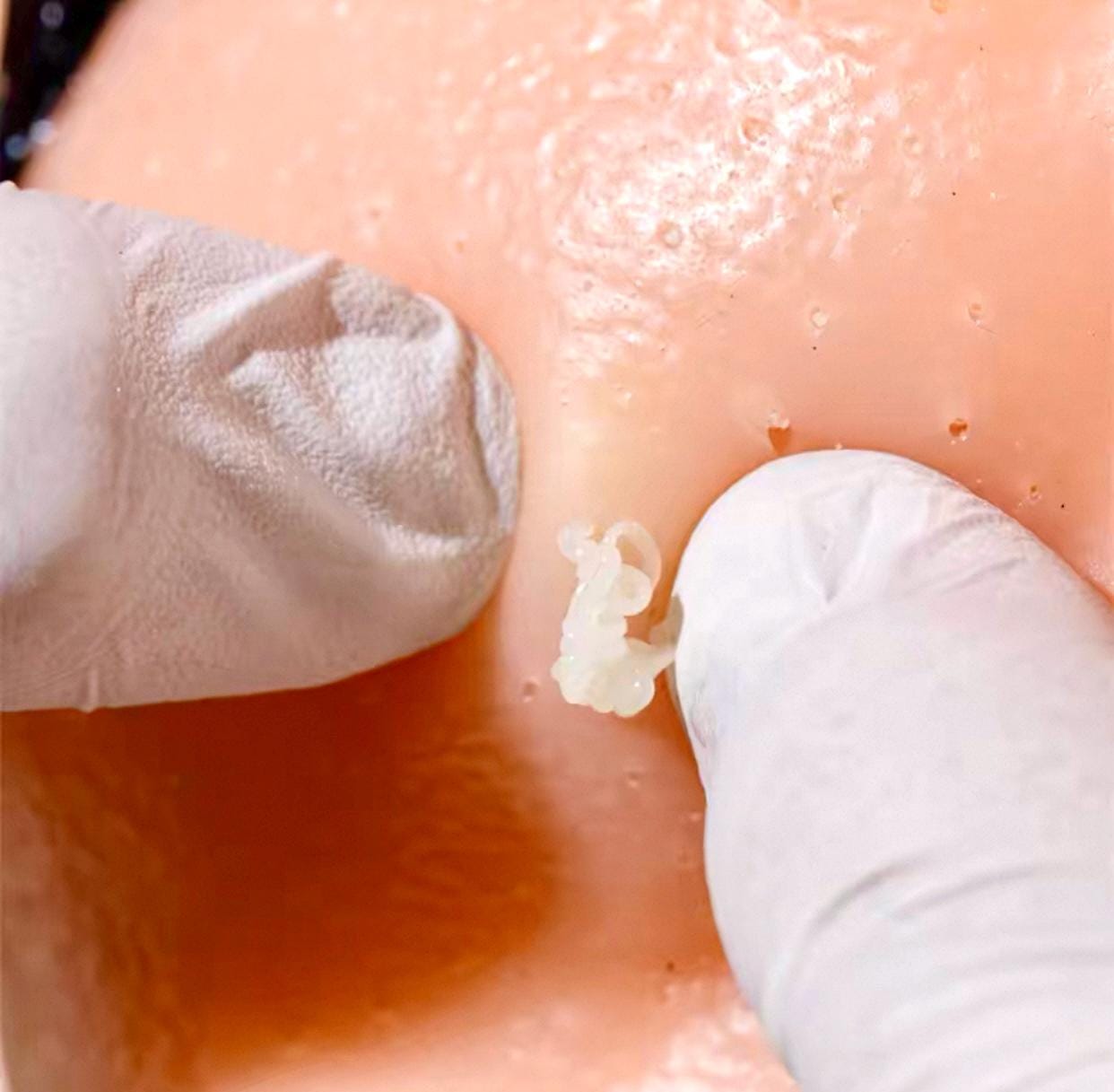
Blackhead squeezing videos depict the manual extraction of open comedones, capturing oxidized sebum and keratinaceous debris being cleared from skin pores. These videos trigger dopamine release and satisfy deep-seated grooming instinct...
Blackhead squeezing videos depict the manual extraction of open comedones, capturing oxidized sebum and keratinaceous debris being cleared from skin pores. These videos trigger dopamine release and satisfy deep-seated grooming instincts through visual relief and ASMR response. However, dermatologists strongly caution against replicating these manual extractions at home due to high risks of scarring, inflammation, and bacterial infection.
Contents
The Psychology Behind the Obsession: Why Pore Extraction Videos Go Viral
Viral pore extraction content, colloquially known as "popaholism," occupies a massive footprint across video-sharing platforms and social media. Watching dermatologists, estheticians, or individuals squeeze clogged pores activates specific neurological and psychological pathways that make the experience deeply satisfying for millions of viewers.
Dopamine Release and the "Disgust-Relief" Mechanism
Psychologists categorize blackhead extraction content under the phenomenon of benign masochism—the enjoyment of negative experiences that the brain knows pose no actual physical threat. Watching a clogged pore being emptied creates visual tension followed by immediate resolution. This visual payoff triggers a release of dopamine, the brain's reward neurotransmitter, creating a sense of psychological gratification and tension release without any personal pain or risk.
Autonomous Sensory Meridian Response (ASMR) Triggers
Many extraction videos rely heavily on high-definition macro lenses and ambient audio recording. The subtle visual cues of skin texture shifting and the rhythmic precision of clinical tools often trigger Autonomous Sensory Meridian Response (ASMR). Viewers experience a tingling sensation across the scalp and spine, accompanied by deep relaxation and stress reduction.
Evolution and Evolutionary Grooming Instincts
From an evolutionary standpoint, primates engage in social grooming (allogrooming) to clean skin, remove parasites, and build social bonds. Modern humans retain these neurobiological grooming instincts. Watching manual extractions satisfies an innate evolutionary drive to clean, de-clutter, and restore hygiene, translating ancient grooming behaviors into digital consumption.
The Dermatological Science: What Is Actually Being Squeezed?
To understand why manual extraction is so compelling yet potentially damaging, it is necessary to examine the biological structure of a blackhead and distinguish it from other facial skin features.
Open Comedone (Blackhead) Structure:
- Keratin & Sebum Plug (Oxidized / Black Top)
- Hair Follicle Canal
- Hyperactive Sebaceous Gland
Open Comedones vs. Closed Comedones
An open comedone (blackhead) forms when a hair follicle pore becomes clogged with a combination of dead skin cells (keratinocytes) and excess skin oil (sebum). Unlike a whitehead (closed comedone), the top of the pore remains open to the air. Oxygen in the atmosphere reacts with the exposed melanin and lipids in the plug through oxidation, turning the surface plug dark brown or black. It is not dirt trapped beneath the skin, but oxidized organic material.
Blackheads vs. Sebaceous Filaments
A common point of confusion in online squeezing videos is the difference between blackheads and normal sebaceous filaments.
- Blackheads: These are discrete, pathological lesions that block the follicle opening entirely. They are typically raised, dark, firm plugs that interrupt the smooth surface of the skin.
- Sebaceous Filaments: These are natural, healthy structures that line the wall of the pore to guide sebum from the sebaceous gland to the skin surface. They appear as tiny, greyish or yellowish pinpoint dots across the nose and forehead. Squeezing sebaceous filaments forces out functional lipid columns, which will naturally refill within days to weeks. Continuous extraction of sebaceous filaments can permanently enlarge pore openings.
The Dermatological Risks of Replicating Extraction Videos at Home
While watching trained professionals perform extractions on video can appear simple, attempting manual extraction at home without clinical training and sterile equipment frequently results in acute skin damage and chronic dermatological complications.
Clinical Warning on Home Extraction: Manual compression of the skin using fingernails, unsterilized metal loops, or home suction devices applies uncontrolled lateral pressure. This pressure ruptures the delicate follicular wall beneath the epidermis, forcing bacteria and inflammatory lipids deeper into the dermis rather than outward onto the skin surface.
1. Follicular Rupture and Severe Inflammation
When an open comedone is squeezed incorrectly, the pressure frequently forces the hardened keratin plug downward or sideways. This breaks the basement membrane of the hair follicle, releasing Cutibacterium acnes bacteria, free fatty acids, and cellular debris into the surrounding dermal layer. What began as a non-inflammatory blackhead rapidly transforms into a painful, inflammatory papule, pustule, or deep nodular cyst.
2. Post-Inflammatory Hyperpigmentation (PIH) and Erythema
Mechanical trauma to the skin triggers an acute inflammatory cascade. In response, melanocytes produce excess melanin at the site of injury, leaving behind dark brown or flat red spots known as Post-Inflammatory Hyperpigmentation (PIH) or Post-Inflammatory Erythema (PIE). These marks can persist for months or even years, particularly in darker skin tones (Fitzpatrick skin types IV–VI).
3. Permanent Atrophic Scarring
Excessive pressure damages the collagen and elastin fibers in the dermal extracellular matrix. When the skin attempts to repair this mechanical trauma, it often loses structural tissue, resulting in permanent pitted or "ice-pick" scarring that requires invasive aesthetic procedures (such as microneedling or fractional laser therapy) to correct.
4. Vascular Trauma and Telangiectasia
The capillary networks supplying blood to facial skin are delicate. Squeezing with hard pressure damages these micro-vessels, causing broken capillaries (telangiectasias) around the nose and cheeks. Once capillaries are broken, they cannot be repaired with topical skincare products.
5. Dangerous Triangle of the Face
Extractions performed in the central area of the face—stretching from the corners of the mouth to the bridge of the nose—carry unique systemic risks. The blood vessels in this region drain directly into the cavernous sinus within the brain cavity. Severe bacterial infections originating from squeezed blemishes in this area can, in rare instances, lead to cavernous sinus thrombosis or systemic infection.
Clinical Extractions vs. Viral Video Trends
Not all extraction methods shown online adhere to safe dermatological practices. Understanding the differences between clinical medical extractions and high-risk viral trends helps protect skin integrity.
| Feature / Method | Professional Clinical Extractions | DIY Manual Squeezing (Fingernails) | Viral Vacuum / Pore Suction Tools | DIY Metal Comedone Extractor |
|---|---|---|---|---|
| Sterilization Level | Medical-grade autoclave / single-use sterile tools | Non-sterile / high bacterial transfer risk | Non-sterile plastic tips / bacteria harbor | Home alcohol wipe (often insufficient) |
| Skin Preparation | Desincrustation fluid, enzymatic steam, keratolytics | Usually none or basic warm water | None | None or basic washing |
| Force Application | Downward and inward controlled vector pressure | Lateral pinching, bruising skin tissues | High continuous negative pressure | Excessive leverage pressure |
| Risk of Tissue Damage | Minimal to none | High (lacerations, broken capillaries) | Very High (petechiae, systemic bruising) | High (dermal indentation, scarring) |
| Primary Goal | Therapeutic clear-out of pathological comedones | Immediate gratification | Social media content creation | Quick home fix |
| Post-Care Protocol | High-frequency treatment, soothing anti-microbials | Untreated open wound exposed to ambient air | Untreated dilated tissue | Untreated ruptured follicle |
Evidence-Based Dermatological Alternatives to Manual Squeezing
Dermatologists universally advocate for chemical exfoliation and topical medical treatments over physical extraction. Chemical actives dissolve the underlying bonds of keratinocytes and regulate sebum production without mechanical trauma.
Topical Beta Hydroxy Acids (Salicylic Acid)
Salicylic acid is a lipid-soluble Beta Hydroxy Acid (BHA). Because it is oil-soluble, it penetrates deep into the lipid-rich environment of the hair follicle, dissolving intercellular desmosomes that glue dead skin cells together.
- Mechanism: Dissolves keratinaceous plugs, reduces follicular hyperkeratinization, and cleans inside the pore lining.
- Optimal Concentration: 1% to 2% in daily leave-on treatments or cleansers.
- Usage Guidance: Apply 2–3 times per week initially, building up to daily use as tolerated.
Topical Retinoids (Adapalen, Tretinoin, Retinol)
Topical retinoids represent the gold standard in preventative comedonal acne management, as supported by the American Academy of Dermatology guidelines.
- Mechanism: Retinoids bind to retinoic acid receptors in the skin, normalizing epidermal turnover and stopping dead skin cells from clumping together inside the pore. Over time, retinoids prevent the formation of microcomedones (the precursor to blackheads).
- Common Formulations: Over-the-counter Adapalene 0.1% gel, or prescription Tretinoin (0.025%–0.1%).
- Usage Guidance: Apply a pea-sized amount to clean, dry skin at night, followed by a non-comedogenic moisturizer to counteract transient peeling or dryness.
Alpha Hydroxy Acids (AHAs)
Water-soluble acids like Glycolic Acid and Lactic Acid exfoliate the surface layer of the epidermis (stratum corneum).
- Mechanism: AHAs weaken the adhesion between surface skin cells, speeding up cell turnover and helping prevent surface accumulation of dead skin that caps open pores.
- Optimal Concentration: 5% to 10% glycolic acid serums or toners.
Niacinamide (Vitamin B3)
- Mechanism: Niacinamide regulates sebum production from hyperactive sebaceous glands and strengthens the epidermal barrier, preventing the overproduction of thick skin oil that contributes to comedone formation.
- Optimal Concentration: 2% to 5% daily formulations.
Step-by-Step Clinical Protocol for Safe Pore Management
Instead of squeezing blackheads at home, follow this dermatologist-approved skincare framework designed to clear pores safely without mechanical damage.
Morning Protocol:
- Gentle Cleanser
- Antioxidant / Niacinamide
- Non-Comedogenic Sunscreen
Evening Protocol:
- Oil/Micellar Pre-Cleanse
- Water-Based Cleanser
- Exfoliant / Retinoid
- Barrier Repair Moisturizer
Step 1: Double Cleansing (Evening)
Begin with an oil-based cleanser or micellar water. Oil dissolves oil, making lipid-soluble makeup, excess sebum, and daily pollutants easy to break down without stripping the skin barrier. Follow immediately with a gentle, pH-balanced water-based cleanser to lift remaining residue.
Step 2: Targeted Exfoliation or Cell Turnover Actives
Alternate evenings between a BHA (Salicylic Acid) serum and a topical retinoid (such as Adapalene). Never layer strong BHAs and retinoids at the exact same moment if your skin is prone to irritation or barrier breakdown.
Step 3: Non-Comedogenic Hydration
Applying heavy, occlusive creams can exacerbate comedone formation. Select lightweight, gel-based moisturizers clearly labeled as non-comedogenic (meaning they have been tested to ensure they do not clog pores).
Step 4: Daily Photoprotection (Morning)
Sun exposure hardens sebum and damages skin collagen, causing pores to sag open and trap more debris. Apply a broad-spectrum SPF 30+ non-comedogenic sunscreen daily to preserve structural collagen around pore walls.
Step 5: Professional Aesthetic In-Office Extractions
If obstinate blackheads do not respond to topical active ingredients after 8 to 12 weeks of consistent use, consult a licensed dermatologist or medical esthetician. Professional in-office procedures include:
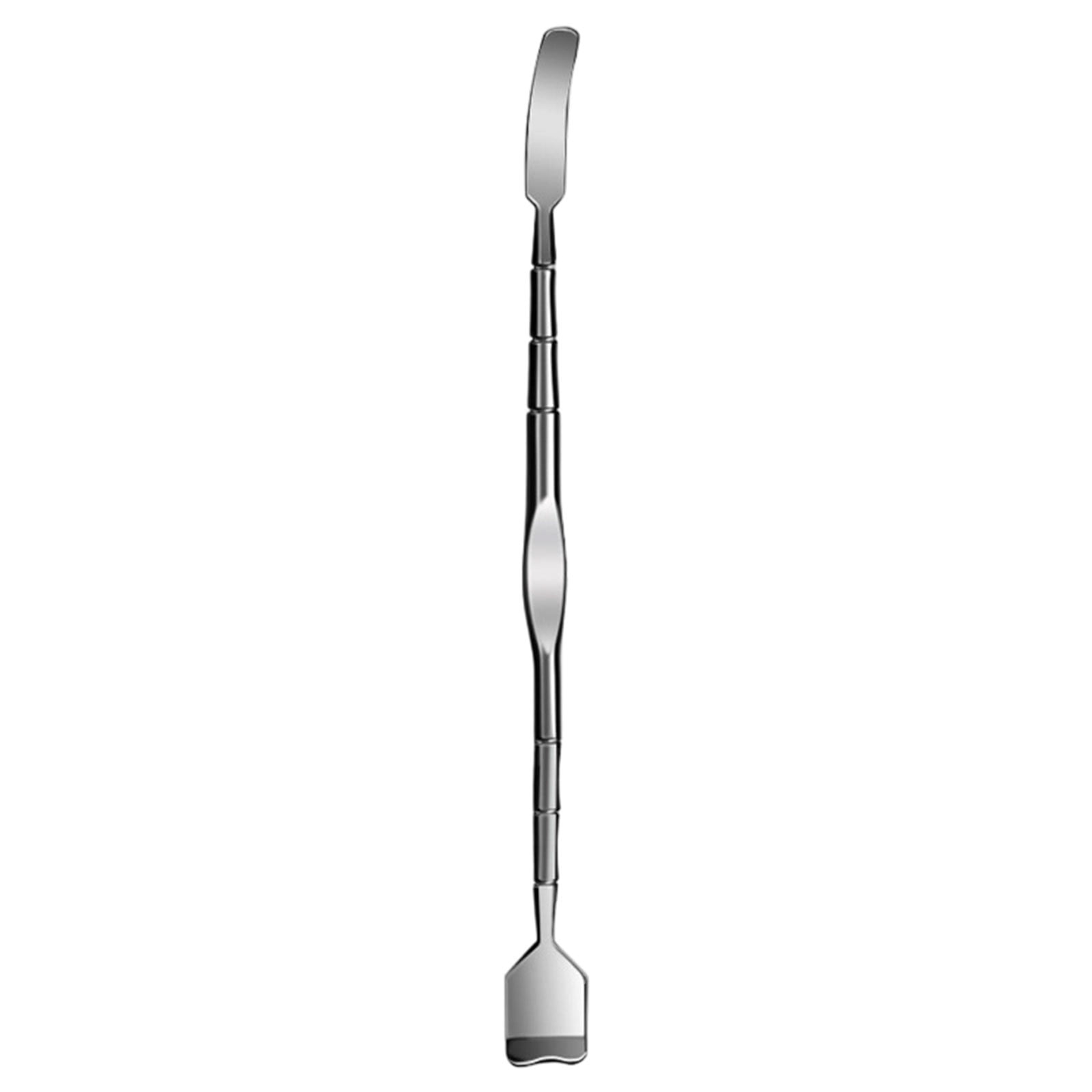
- Clinical Manual Extractions: Performed after skin pre-softening (desincrustation) using sterile single-use lancets and sterile metal extractors applied with precise angle control.
- Hydradermabrasion / Hydro-facials: Uses closed-loop vortex vacuum technology paired with salicylic and glycolic acid solutions to dislodge plugs while simultaneously hydrating skin tissue.
- Medical Chemical Peels: High-strength Salicylic Acid (20%–30%) or Trichloroacetic Acid (TCA) peels applied by physicians to induce rapid, deep desquamation.
Frequently Asked Questions
Why are blackhead squeezing videos so popular and satisfying to watch?
Watching blackhead extractions triggers dopamine release through a psychological process called benign masochism, where the brain experiences tension followed by visual relief without real physical harm. Additionally, high-definition visual and auditory cues can trigger ASMR, inducing relaxation while satisfying innate human evolutionary grooming drives.
Does squeezing a blackhead permanently enlarge pores?
Yes, repeated manual squeezing can permanently stretch the structural walls of a skin pore. Forcing thick, hardened sebum plugs out using lateral fingernail pressure breaks collagen and elastin fibers surrounding the follicular opening, causing the pore to remain permanently dilated over time.
How can I get rid of blackheads without squeezing them?
The safest way to clear blackheads is through consistent topical skincare containing oil-soluble Beta Hydroxy Acids (like 2% Salicylic Acid) and topical retinoids (such as Adapalene or Tretinoin). These active ingredients dissolve trapped keratin and oil inside the pore while normalizing cell turnover to prevent future blockages.
What is the difference between a blackhead and a sebaceous filament?
A blackhead is a dark, raised, oxidized plug blocking a pore, representing a form of mild acne. A sebaceous filament is a normal, non-pathological structure that aids natural oil flow along the hair follicle, appearing as small, smooth grey or yellow pinpoints across the nose and cheeks. Squeezing sebaceous filaments damages healthy tissue, and they will naturally refill within days.
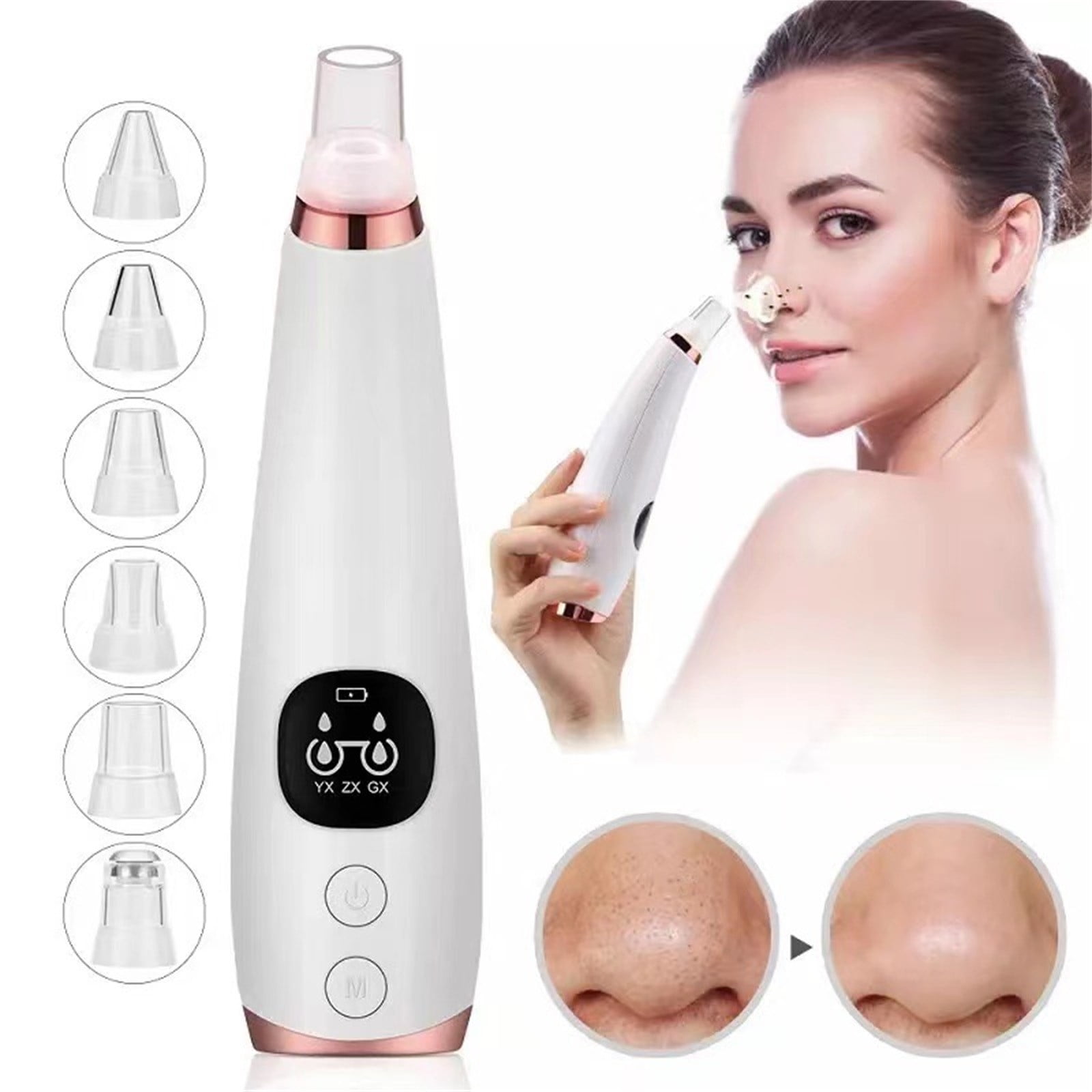
Are pore vacuum tools bought online safe for home use?
No, home pore vacuums carry significant dermatological risks. Continuous negative pressure from non-regulated suction devices can rupture delicate facial blood vessels, causing petechiae, severe bruising, broken capillaries (telangiectasia), and tissue inflammation without safely dissolving the underlying comedone plug.
Clinical Summary and Guidance
Enjoying blackhead squeezing videos as a form of visual relaxation or ASMR is completely harmless entertainment. However, translating digital content into DIY home extractions introduces major risks of scar tissue, post-inflammatory hyperpigmentation, severe bacterial infection, and capillary damage.
For real-world skin management, phase out physical pinching and home extraction devices. Adopt a consistent, evidence-based dermatological routine built on daily gentle cleansing, targeted salicylic acid exfoliation, topical retinoids, and non-comedogenic sun protection. When stubborn comedones persist, seek professional treatment from a licensed dermatologist equipped with sterile clinical tools and medical-grade desincrustation protocols.
Image Gallery