Understanding the Turning Point USA Mission Statement and Organizational Objectives
Turning Point USA (TPUSA) is a non-profit organization founded in 2012 by Charlie Kirk, primarily focused on promoting principles of fiscal responsibility, free markets, and limited government on high school and college campuses. Under...
Turning Point USA (TPUSA) is a non-profit organization founded in 2012 by Charlie Kirk, primarily focused on promoting principles of fiscal responsibility, free markets, and limited government on high school and college campuses. Understanding the organization’s mission requires an examination of its stated goal to educate students on the importance of free enterprise and the American historical tradition through advocacy, community building, and campus outreach.
Contents
The mission of Turning Point USA is centered on the objective to identify, educate, train, and organize students to promote the principles of freedom, free markets, and limited government. The organization operates on the premise that university and high school environments are often dominated by ideological perspectives that do not favor free-market capitalism. By establishing a presence through localized chapters, TPUSA aims to provide a platform for students who align with conservative or libertarian viewpoints to engage in debate and community organizing.
The Core Pillars of the TPUSA Mission
To understand the operational intent of the organization, one must examine its core pillars. These pillars serve as the functional foundation for how the group deploys resources and evaluates its success across various educational institutions.
1. Identification and Recruitment
TPUSA actively identifies students on campuses who are sympathetic to its core principles. This is typically achieved through social media campaigns, national conferences, and the establishment of local campus chapters. The organization provides resources—such as training materials, promotional merchandise, and access to a broader network of like-minded individuals—to these students. The goal is to move from passive agreement with their ideology to active participation in campus life.
2. Education through Discourse
A primary component of the mission is the concept of "discourse-driven education." This involves hosting speakers, town halls, and debates at universities. The organization intentionally seeks venues where their presence is likely to spark debate, as this interaction is viewed as a critical component of their educational mission. By bringing in prominent political commentators and public figures, they aim to challenge the prevailing campus culture and provide an alternative viewpoint for the student body.
3. Training and Leadership Development
The mission extends beyond mere advocacy to the professional development of its members. TPUSA organizes leadership summits and "activist training" workshops designed to teach students how to effectively lobby, communicate their positions, and manage campus organizations. This focus on leadership development is aimed at ensuring that the principles promoted by the organization persist after the individual students graduate and move into the professional workforce.
Organizational Structure and Methodology
Understanding TPUSA necessitates looking at how its mission is implemented through its organizational structure. The group operates a decentralized model where individual chapters function with a degree of autonomy while remaining tethered to the national organization’s strategic goals.
- Campus Chapters: These are the front lines of the mission. Each chapter is expected to hold meetings, distribute literature, and sponsor events. The national organization provides the framework and branding to ensure a consistent message is delivered.
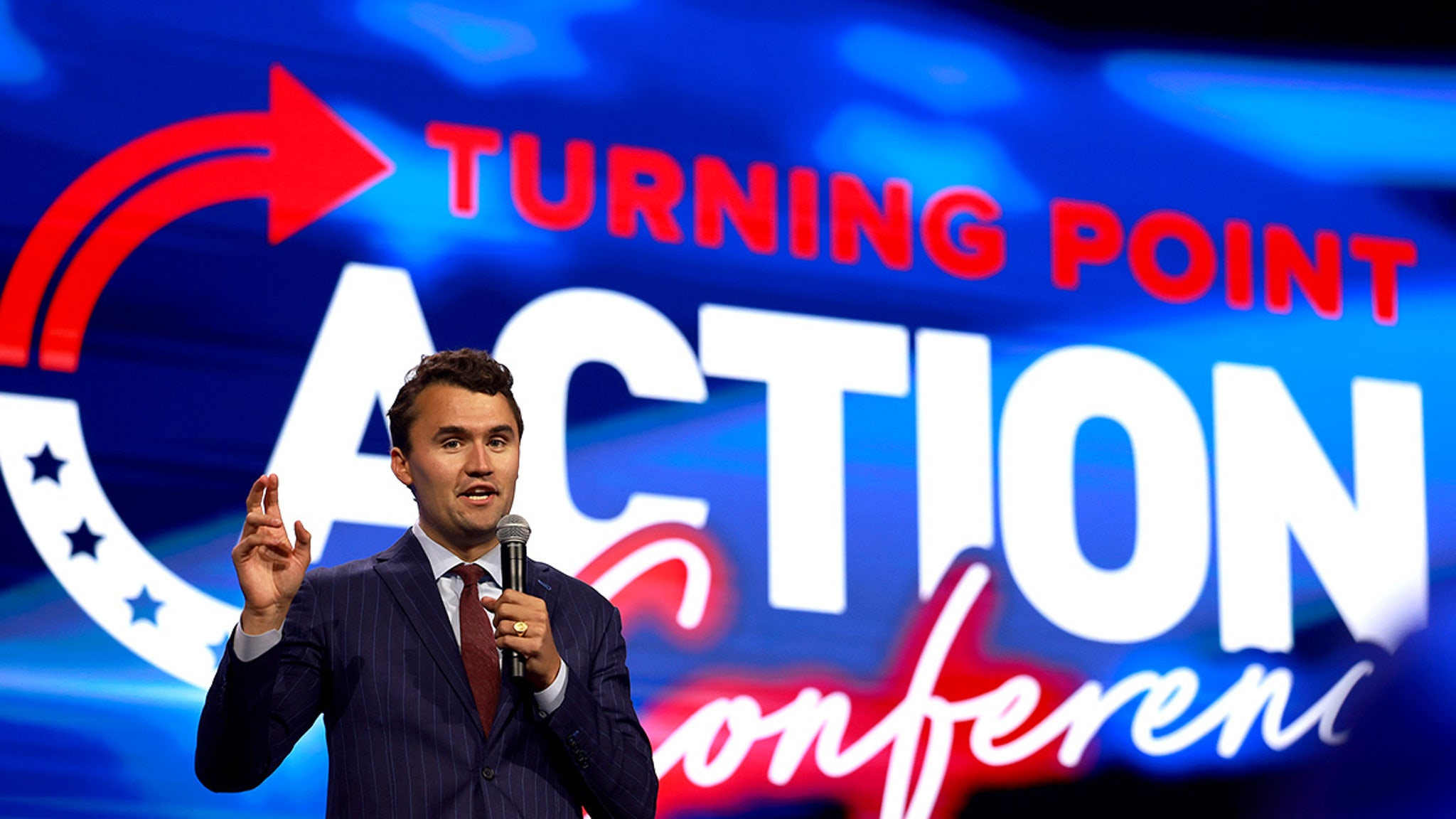
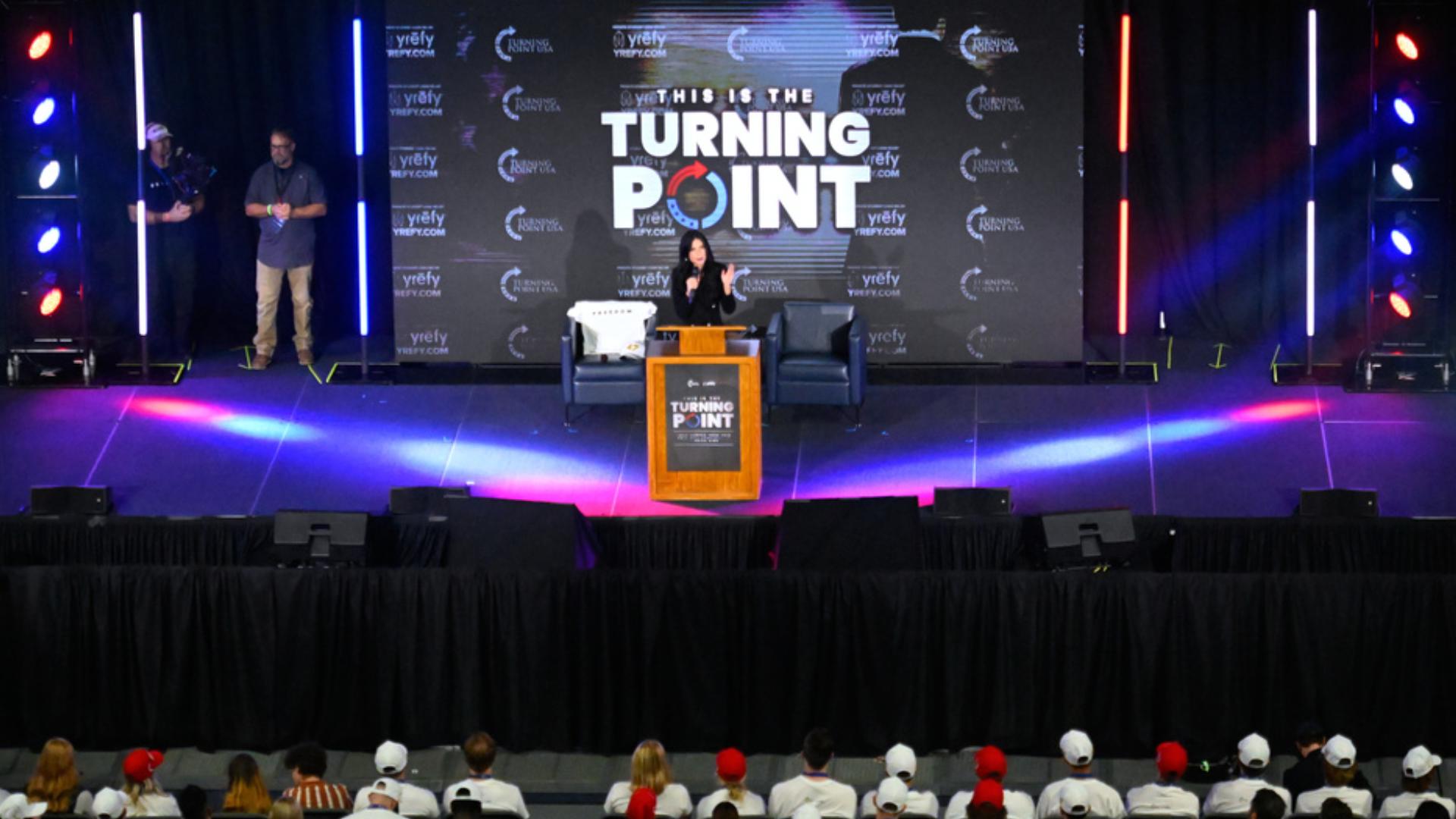
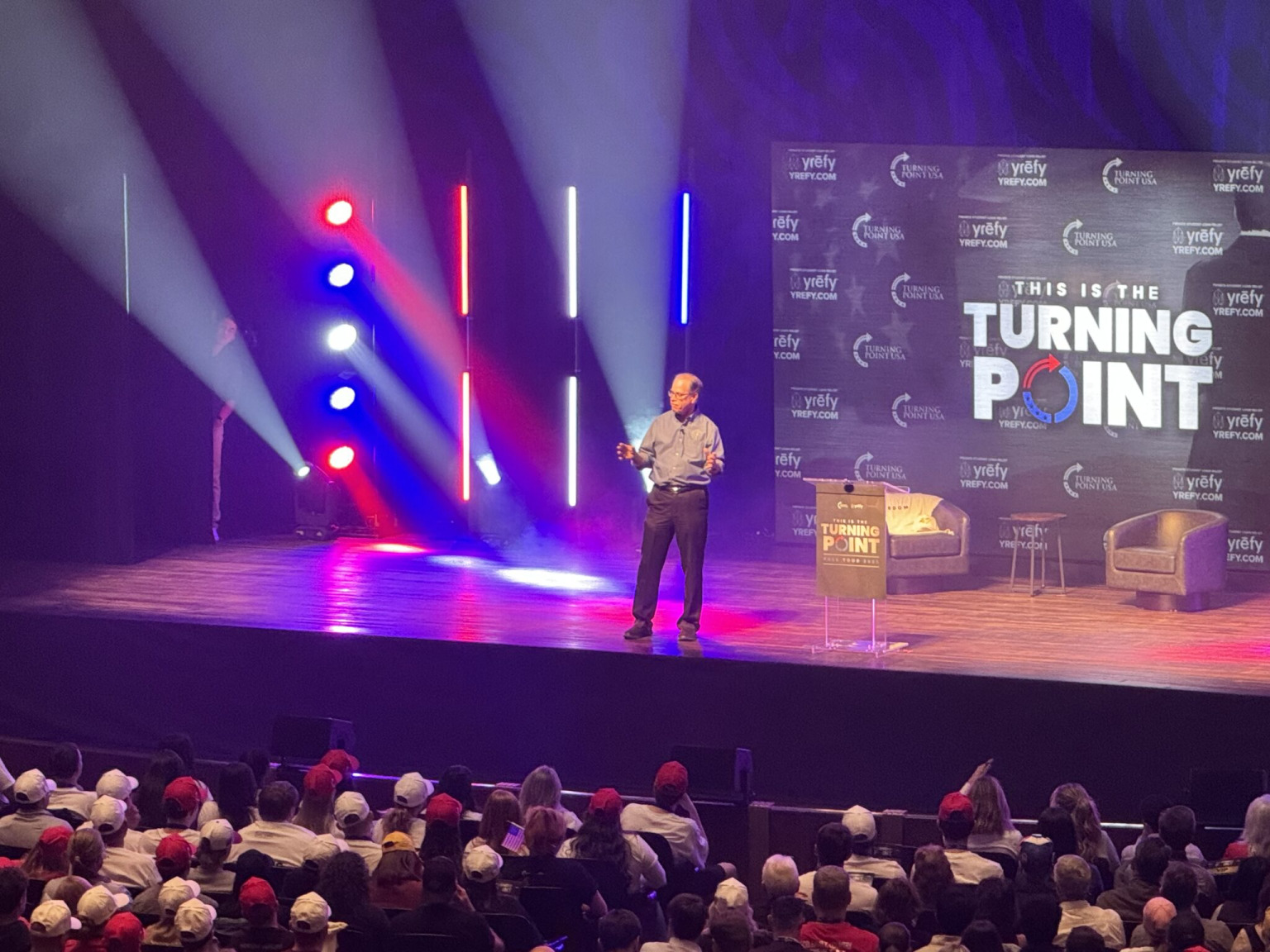
- National Conferences: Events such as the Student Action Summit (SAS) or AmericaFest serve as the nexus for the organization’s activities. These gatherings are designed to cultivate a sense of national community among dispersed chapters and to provide the training mentioned in their core mission.
- Media and Digital Presence: A significant portion of the mission is executed through digital media. By creating content that can be shared via social media platforms, the organization aims to influence the national discourse on education and politics, extending their reach far beyond the physical campuses where they operate.
Comparison of Organizational Objectives
To better understand where TPUSA sits within the landscape of student organizations, it is helpful to contrast its stated mission with other common types of student advocacy groups.
| Feature | Turning Point USA | Traditional Debate Societies | Professional Student Unions |
|---|---|---|---|
| Primary Goal | Ideological Advocacy | Intellectual Exploration | Vocational Advocacy |
| Strategy | Direct Campus Organizing | Formal Debates | Career Networking |
| Scope | National/Political | Institutional/Neutral | Industry-Specific |
| Core Value | Free-Market Principles | Logic and Rhetoric | Career Advancement |
Challenges and External Criticisms
Part of understanding any high-profile organization's mission is recognizing how that mission is perceived by the public and by the institutions in which they operate. Critics of TPUSA often argue that the organization’s methods of "activism" are designed to create conflict rather than facilitate dialogue. These critics point to specific incidents where event speakers have caused significant disruption or polarized campus communities.
From the organization’s perspective, this friction is often interpreted as evidence that their mission is being fulfilled. They argue that if they were not challenging the status quo, they would not be facing resistance. For a researcher or student interested in the organization, it is essential to distinguish between the stated mission (as defined by the group’s leadership) and the outcomes reported by neutral observers or institutional administrators.
Requirements for Engagement
For students looking to engage with TPUSA, there are specific requirements and expectations. Membership or starting a chapter generally requires:
- Alignment with Goals: An agreement with the organization’s stated support for free markets and limited government.
- Compliance with Campus Regulations: All chapters must abide by the rules of their host universities regarding student organizations, funding, and event permits.
- National Alignment: While chapters are local, they must maintain good standing with the national office, which involves reporting activities, following branding guidelines, and attending mandated training sessions.
Frequently Asked Questions
Is Turning Point USA a political party? No, Turning Point USA is a non-profit 501(c)(3) organization. While it engages in political advocacy and influences public discourse, it is not a political party and does not field candidates for office under its own banner.
How is Turning Point USA funded? TPUSA is funded through private donations, including support from individuals, foundations, and corporate sponsors. As a 501(c)(3), they are required to operate for educational and charitable purposes, and their financial structure is subject to IRS regulations regarding non-profits.
Does every college campus have a TPUSA chapter? No. While TPUSA maintains a large presence across the United States, chapters are created by student interest. If a group of students wants to form a chapter, they must meet the requirements of both the national organization and their specific university’s student government or administration.
What is the "Professor Watchlist"? The Professor Watchlist is a project once associated with the organization, which aimed to highlight professors whom the group deemed to be "advancing left-wing propaganda." It is a separate entity from the core campus organizing mission but reflects the broader advocacy goals of the organization's founders.
Does the organization provide legal support? TPUSA sometimes assists students who believe their free speech rights have been violated on campus. This is often framed as defending the mission of the organization by ensuring that conservative viewpoints have the same access to public forums as other perspectives.
Practical Next Actions for Interested Parties
If you are a student or a member of the public seeking to understand the organization more deeply, the most effective step is to examine their primary sources directly. Visit the organization's official website to review their "About" section and their annual report to see how they characterize their own progress. If you are a student, look into your university’s student organization database to see if a chapter exists and observe an open meeting. This provides a firsthand view of how the national mission translates into local campus activity.
When analyzing the mission, always remain mindful of the distinction between the national organization's high-level strategy and the day-to-day operations of local chapters, as the two can vary significantly depending on the leadership and the campus climate of the specific location.
Image Gallery