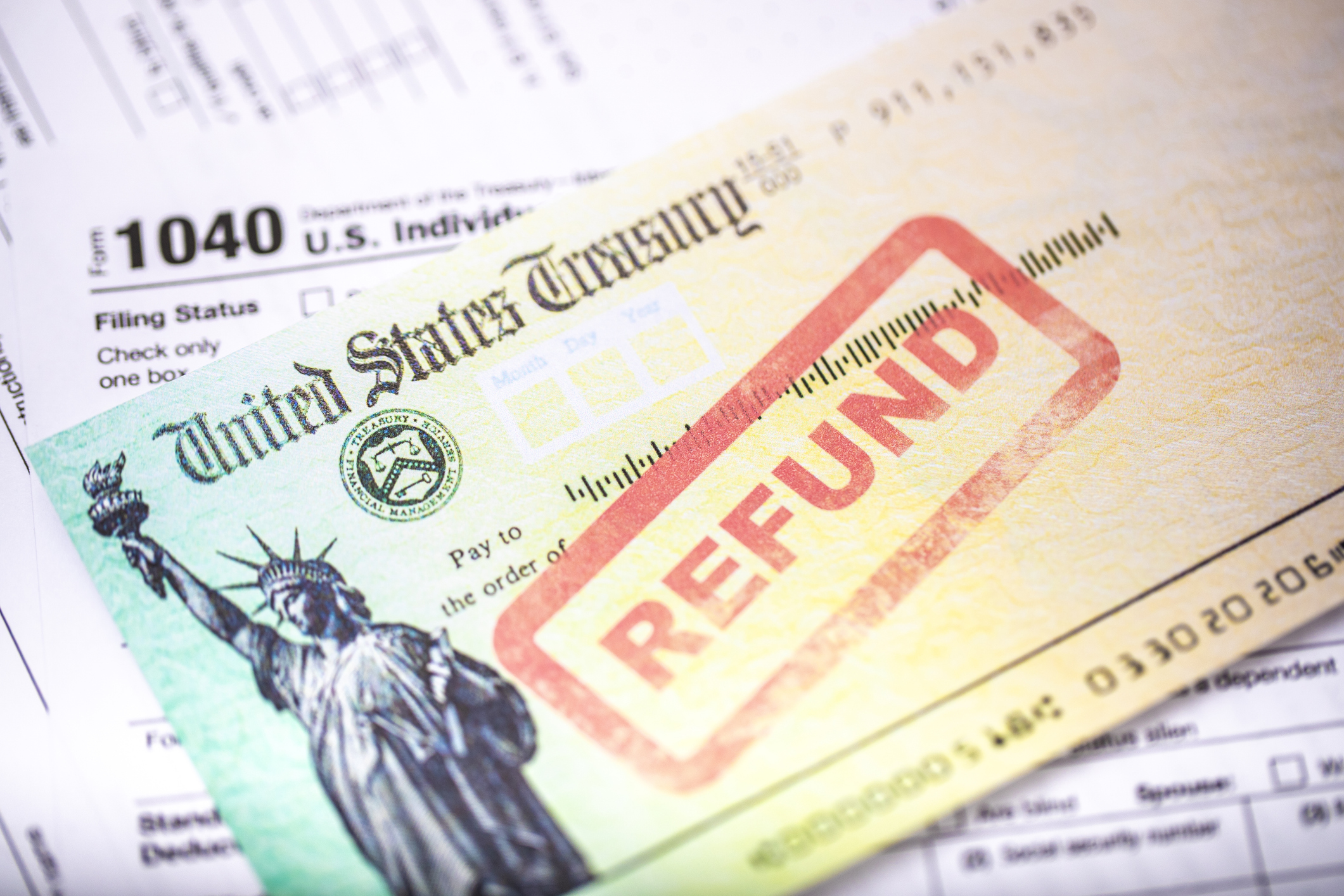
IRS Check Eligibility: How to Determine if You Must File a Tax Return in 2026
To determine if you must file a federal tax return in 2026, you must compare your total gross income against the filing thresholds set for your specific filing status and age. Generally, if your income exceeds the 2026 standard deducti...
To determine if you must file a federal tax return in 2026, you must compare your total gross income against the filing thresholds set for your specific filing status and age. Generally, if your income exceeds the 2026 standard deduction, a return is required. You can definitively verify your status using the IRS Interactive Tax Assistant (ITA) online tool.
Contents
Determining whether you are legally required to file a tax return is a foundational step in personal financial management. For many Americans, the question is not just about avoiding penalties from the Internal Revenue Service (IRS), but also about ensuring they do not miss out on valuable refunds or refundable tax credits. As tax laws evolve and inflation adjustments are applied to the standard deduction every year, the specific income levels that trigger a filing requirement shift.
This guide provides a comprehensive breakdown of how to check your eligibility, the specific income thresholds for the 2026 tax year, and the special circumstances that might mandate a return even if your income falls below the standard levels.
Understanding the Primary Filing Requirements
The IRS bases the requirement to file a tax return on three primary factors: your filing status, your age, and your gross income. Gross income includes all income you receive in the form of money, goods, property, and services that is not exempt from tax. This includes income from sources outside the United States or from the sale of your main home, even if you can exclude part or all of it from your actual taxable total.
In 2026, the standard deduction continues to serve as the baseline for most filing requirements. If your gross income is less than the standard deduction for your filing status, you generally do not have to file a federal income tax return. However, this "general" rule has significant exceptions. For instance, individuals who are 65 or older receive a higher standard deduction, which in turn raises the threshold at which they must file.
Why Filing Status Matters
Your filing status is a category that defines the type of tax return form you use. It is determined by your marital status and family situation as of the last day of the tax year (December 31). The five statuses—Single, Married Filing Jointly, Married Filing Separately, Head of Household, and Qualifying Surviving Spouse—each have distinct income thresholds. Choosing the correct status is critical because it affects your tax rate and the size of your standard deduction.
2026 Filing Thresholds by Status and Age
The following table outlines the estimated gross income thresholds for the 2026 tax year. These figures represent the point at which a return becomes legally mandatory for most taxpayers.
| Filing Status | Age (at end of 2026) | Must File if Gross Income is at Least |
|---|---|---|
| Single | Under 65 | $15,450 |
| Single | 65 or older | $17,450 |
| Married Filing Jointly | Both under 65 | $30,900 |
| Married Filing Jointly | One spouse 65 or older | $32,600 |
| Married Filing Jointly | Both spouses 65 or older | $34,300 |
| Married Filing Separately | Any age | $5 |
| Head of Household | Under 65 | $23,150 |
| Head of Household | 65 or older | $25,150 |
| Qualifying Surviving Spouse | Under 65 | $30,900 |
| Qualifying Surviving Spouse | 65 or older | $32,600 |
Note: These figures are based on projected inflation adjustments for the 2026 calendar year. Always verify the final figures on the official IRS website before submitting your return.
How to Use the IRS Interactive Tax Assistant (ITA)
The most reliable way to "check eligibility" regarding your filing requirement is to use the IRS Interactive Tax Assistant (ITA). This is an automated tool that provides answers to several tax law questions through a series of prompts.
To use the "Do I Need to File a Tax Return?" tool, you should have the following information ready:
- Total Gross Income: Your total income from all sources before taxes, including wages, social security benefits (if applicable), and investment income.
- Filing Status: Whether you will file as single, married, etc.
- Federal Income Tax Withheld: Check your W-2 or 1099 forms to see how much tax was already taken out of your pay.
- Special Circumstances: Information regarding self-employment income or health insurance purchased through the Marketplace.
The ITA tool is designed to be user-friendly. It takes about 12 minutes to complete and provides a definitive "Yes" or "No" based on the data you provide. The system does not ask for your Social Security Number or any personally identifiable information, making it a secure way to verify your status without creating a formal record. You can access the tool directly via the IRS ITA portal.
Special Circumstances That Require Filing
Even if your gross income is below the thresholds listed in the table above, you may still be legally required to file a return if you meet any of the following specific criteria:
1. Self-Employment Income
If you had net earnings from self-employment of $400 or more, you must file a tax return. This applies to freelancers, independent contractors, and "gig economy" workers. This requirement exists because self-employed individuals must pay self-employment taxes (Social Security and Medicare) regardless of their income tax liability.
2. Premium Tax Credit (Marketplace Insurance)
If you or anyone in your household received advance payments of the Premium Tax Credit to help pay for health insurance through the Health Insurance Marketplace (Exchange), you must file a return. This is necessary to "reconcile" the credit you received with your actual income for the year using Form 8962. Failure to file can lead to a requirement to pay back the credit or a loss of eligibility for future credits.
3. Taxes Owed on Specific Types of Income
You must file if you owe any special taxes, including:
- Alternative Minimum Tax (AMT).
- Additional tax on a qualified plan, such as an Individual Retirement Account (IRA) or other tax-favored account.
- Household employment taxes.
- Social Security and Medicare tax on tips you did not report to your employer.
4. Dependents with Income
If you can be claimed as a dependent by another taxpayer (such as a parent), different rules apply. In 2026, a dependent must file if their earned income (wages, tips) exceeds the standard deduction for dependents or if their unearned income (interest, dividends) exceeds a specific threshold, typically around $1,300 to $1,500.
Why You Should File Even if You Aren't Required To
There is a major distinction between being legally required to file and it being beneficial to file. Millions of Americans miss out on money every year because they assume that a low income means they should ignore the IRS. In many cases, filing a return is the only way to get money back.
Claiming a Refund of Withheld Taxes
If you worked a part-time job or had a fluctuating income, your employer likely withheld federal income tax from your paychecks based on your W-4 form. If your total income for the year is below the filing threshold, you likely do not actually owe any of that tax. The only way to get that money back is to file a return and request a refund.
Refundable Tax Credits
Refundable credits are "better" than standard deductions because they can reduce your tax liability below zero, resulting in a payment from the government.
- Earned Income Tax Credit (EITC): This is a credit for low-to-moderate-income working individuals and couples, particularly those with children. Even if you owe zero tax, you could receive thousands of dollars through the EITC.
- Child Tax Credit (CTC): If you have qualifying children, you may be eligible for a partially or fully refundable credit.
- American Opportunity Tax Credit (AOTC): Students or parents of students may be eligible for this credit to help offset the cost of higher education.
Common Mistakes When Checking Eligibility
One of the most frequent errors taxpayers make is miscalculating their gross income. Some individuals mistakenly exclude income that the IRS considers reportable. For example, while Social Security benefits are often not taxable if they are your only source of income, they are partially included in the "combined income" formula used to determine if you must file if you have other sources of income.
Another common mistake is failing to account for Married Filing Separately rules. If you are married and choose to file separately, the threshold is exceptionally low—just $5. This rule is designed to prevent couples from avoiding taxes by shifting income between spouses.
Finally, do not confuse federal filing requirements with state filing requirements. Even if you do not have to file a federal return in 2026, your state may have a lower threshold that requires a state-level return. You should check the Department of Revenue website for your specific state to confirm their rules.
FAQ: IRS Filing Eligibility
Do I have to file a tax return if I only receive Social Security?
Generally, no. If your only source of income is Social Security benefits, your benefits are usually not taxable, and you likely do not need to file a return. However, if you have other income (such as a pension, interest, or part-time work), a portion of your benefits may become taxable, potentially triggering a filing requirement.
I am a college student with a part-time job. Do I need to file?
It depends on how much you earned. If you earned more than the 2026 standard deduction for a dependent (which is typically the greater of $1,300 or your earned income plus $450, up to the full standard deduction of $15,450), you must file. Even if you earned less, you should file if your employer withheld taxes so you can get a refund.
What happens if I was supposed to file but didn't?
If you owe taxes and fail to file, the IRS can assess a Failure to File penalty, which is generally 5% of the unpaid taxes for each month or part of a month that a tax return is late. If you do not owe taxes, there is no penalty for filing late, but you risk losing your refund if you wait more than three years to claim it.
Does "gross income" include tax-exempt interest?
For the purposes of determining if you must file, you generally do not include tax-exempt interest. However, you must include all income that is not explicitly exempt by law. When using the IRS Interactive Tax Assistant, it will guide you through which specific income types to include in your total.
Can I check my eligibility via phone?
Yes, the IRS provides automated and live assistance. However, the Interactive Tax Assistant on the IRS website is generally faster and provides a visual summary of the results that you can print for your records.
Recommended Next Action
If you are uncertain about your filing status for 2026, your first step should be to gather your year-end income statements (W-2s, 1099-NEC, 1099-INT, etc.) and use the IRS Interactive Tax Assistant. Even if the tool indicates you are not required to file, check if you qualify for the Earned Income Tax Credit (EITC) or if any federal tax was withheld from your pay. If either is true, you should file a return regardless of the legal requirement to ensure you receive the money you are owed.
Image Gallery