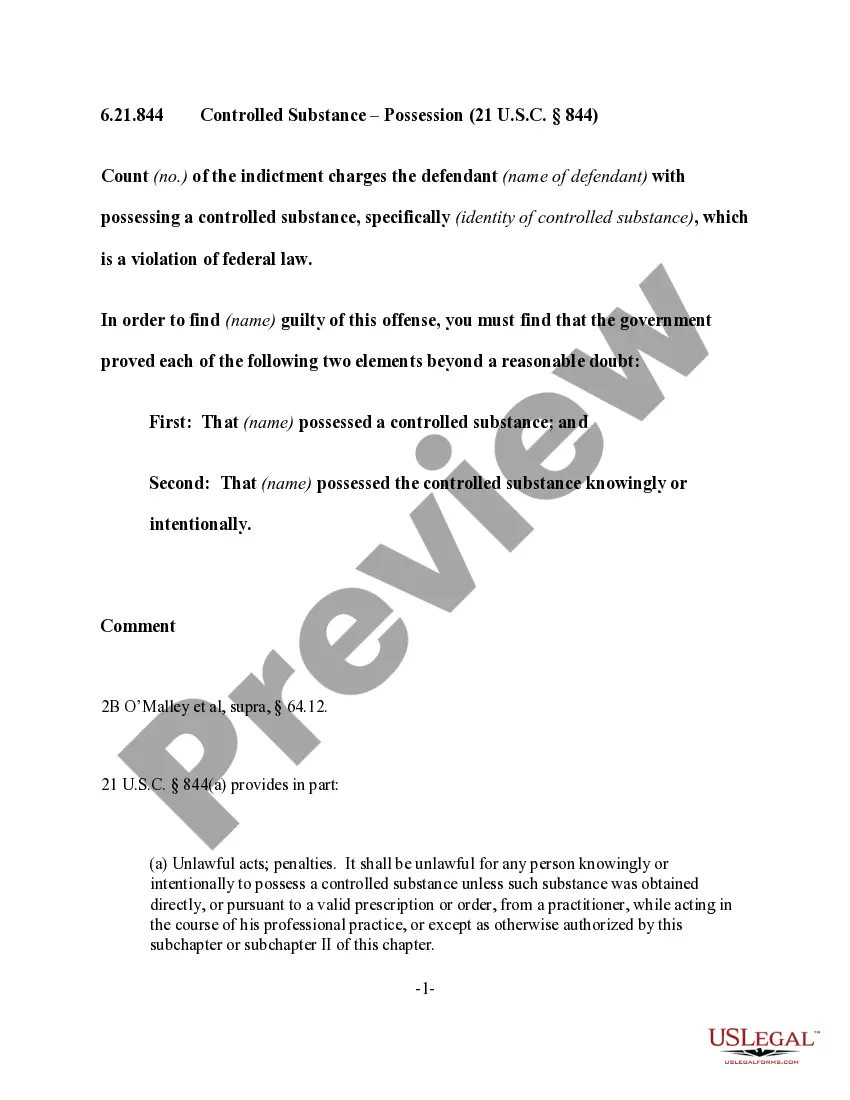
Navigating the Legal Implications of Possession of a Controlled Substance as a Felony
When an individual faces a charge of possession of a controlled substance as a felony, the legal consequences can be life-altering, often involving significant periods of incarceration, substantial fines, and long-term collateral damag...
When an individual faces a charge of possession of a controlled substance as a felony, the legal consequences can be life-altering, often involving significant periods of incarceration, substantial fines, and long-term collateral damage to employment and civil rights. Unlike misdemeanor possession, which typically involves smaller quantities or less restricted substances, a felony charge usually indicates that the state has determined the volume, intent, or nature of the substance represents a significant threat to public safety or suggests involvement in the distribution chain.
Contents
Understanding the distinction between felony and misdemeanor classifications is critical for any individual navigating the criminal justice system. Felony status is generally triggered by factors such as the weight of the drugs, the presence of drug paraphernalia, prior criminal history, or the specific "schedule" of the controlled substance in question. In most jurisdictions, the government carries the burden of proving that the defendant knowingly possessed the substance and that they were aware of its illicit nature. Because drug laws vary significantly by state and federal jurisdiction, this guide provides a structured overview of the legal framework, potential defenses, and the long-term impact of a felony drug conviction.
Factors That Elevate Possession to a Felony Charge
The transition from a misdemeanor charge to a felony charge for drug possession is rarely arbitrary. Legislatures establish specific statutory thresholds that distinguish between minor possession and more severe offenses. Understanding these factors is essential for analyzing the severity of a pending case.
Quantity and Thresholds
The most common driver of a felony charge is the quantity of the substance found in the defendant's possession. Most states utilize "weight thresholds." For example, possessing a gram of a controlled substance may be a misdemeanor, whereas possessing 28 grams or more of the same substance could trigger mandatory felony charges. Law enforcement and prosecutors argue that large quantities are rarely for personal use, which often leads them to add "possession with intent to distribute" charges, even if actual distribution evidence is scarce.
Classification of Substances (Schedules)
Controlled substances are categorized into "schedules" based on their perceived potential for abuse and their accepted medical use. Schedule I substances (e.g., heroin, certain synthetic drugs) are typically treated with the highest level of severity under the law. Possession of these substances is much more likely to be charged as a felony compared to substances in lower schedules, which may be treated as minor offenses in some states.
Prior Criminal History
Recidivism plays a significant role in criminal law. Many jurisdictions employ "three-strike" rules or progressive sentencing enhancements. An individual with a previous record of drug-related offenses may face felony charges for possession that would otherwise be classified as a misdemeanor for a first-time offender.
Aggravating Circumstances
The context of the arrest can also elevate a charge. Possession occurring in a "drug-free school zone," near a public park, or involving a weapon can automatically escalate a minor possession charge into a higher-degree felony. Additionally, the presence of items like digital scales, small plastic baggies, or large amounts of cash can lead police to charge an individual with felony possession with intent to sell, regardless of whether the individual actually sold drugs.
Potential Legal Consequences of a Felony Conviction
A felony conviction for the possession of a controlled substance carries consequences that extend far beyond the courtroom. These impacts are often permanent and affect both personal freedom and professional opportunities.
| Consequence | Description |
|---|---|
| Incarceration | Felony convictions often carry potential prison sentences ranging from one year to several decades, depending on state statutes. |
| Monetary Fines | Fines can range from thousands of dollars to tens of thousands, often accompanied by court fees and supervision costs. |
| Probation/Parole | Even if prison time is suspended, individuals may be subject to years of supervised release with restrictive conditions. |
| Employment Barriers | Felony records can lead to immediate termination or disqualification from licensed professions, including nursing, teaching, and law. |
| Civil Rights | Convictions may result in the loss of voting rights, the right to bear arms, and eligibility for public housing or financial aid. |
Defenses and Legal Strategies
Legal counsel is essential when dealing with felony drug charges. Defense attorneys focus on challenging the procedural and evidentiary foundations of the state’s case.
Challenging the Search and Seizure
The Fourth Amendment of the United States Constitution protects citizens against unreasonable searches and seizures. If law enforcement conducted a traffic stop without reasonable suspicion or entered a home without a valid warrant or probable cause, any evidence recovered during that search may be subject to a motion to suppress. If a judge grants this motion, the evidence is typically excluded from the trial, often resulting in the dismissal of the charges.
Lack of Possession (Constructive Possession)
In many cases, the drugs are not found on the person of the defendant but in a vehicle or a shared living space. The prosecution must prove "constructive possession," meaning the defendant had both knowledge of the drugs and the intent to exercise control over them. If a defense attorney can demonstrate that the defendant was merely in the presence of the substance without knowledge or control, the prosecution’s case may fail.
Testing and Chain of Custody
The government must prove that the substance seized is indeed a controlled substance. If the forensic laboratory report is flawed, or if the "chain of custody"—the documented log of who handled the evidence—is broken, the evidence may be inadmissible. Defense attorneys often demand independent testing of the substance to verify the lab's findings.
Drug Courts and Diversion Programs
Many jurisdictions offer alternatives to traditional criminal prosecution for first-time or non-violent offenders. Pre-trial diversion programs or "Drug Courts" provide a path for the defendant to complete a court-supervised treatment or rehabilitation program. Upon successful completion, the felony charges are often reduced to misdemeanors or dismissed entirely, allowing the defendant to avoid a permanent felony record.
Long-Term Impact on Professional and Personal Life
The "collateral consequences" of a felony conviction are often the most difficult aspect to manage. Employers, landlords, and educational institutions frequently perform criminal background checks. A felony drug charge can disqualify an individual from federal student loans, prevent them from obtaining security clearances, and create insurmountable obstacles to housing in certain regulated environments.
Individuals facing these charges are strongly encouraged to document their personal circumstances, such as employment history and community involvement, which may be useful during plea negotiations or sentencing hearings to advocate for leniency or alternative sentencing.
Frequently Asked Questions
What is the difference between "possession" and "possession with intent to distribute"?
Possession is the act of having a controlled substance on one's person or under one's control. Possession with intent to distribute is a more serious felony that requires the prosecution to prove that the individual intended to sell or transfer the drugs to others. This is often inferred from large quantities, packaging materials, or the presence of money.
Can a felony drug charge be expunged?
Expungement rules vary significantly by state. In some jurisdictions, certain felony drug convictions can be expunged or "sealed" after a specified period of time has passed without further criminal activity, provided the individual has met all conditions of their sentence.
How does the schedule of a drug affect sentencing?
Schedule I and II substances are generally treated as more dangerous, leading to higher sentencing guidelines. Courts may impose stricter mandatory minimums for possession of drugs like heroin or fentanyl compared to substances in lower schedules.
Is it possible to avoid jail time for a felony drug charge?
Yes, particularly for first-time offenders. Through plea agreements, participation in drug treatment programs, or successful motion practice that results in a dismissal of evidence, many individuals are able to secure probation or deferred adjudication rather than incarceration.
What should I do immediately after being charged with a felony?
The most important step is to exercise your right to remain silent and contact a criminal defense attorney. Do not discuss the case with law enforcement, friends, or on social media, as any information provided could be used against you in court.
Recommendations for Next Actions
If you or a loved one is currently facing a charge of possession of a controlled substance as a felony, the immediate priority is to retain competent legal counsel. Seek out an attorney who specializes in criminal defense and has specific experience with drug-related litigation in your local jurisdiction. Early intervention can significantly impact the trajectory of the case, potentially moving it toward a diversionary path rather than a trial. Furthermore, prioritize gathering documentation related to your employment, character, and any personal history that may be relevant to the court's sentencing discretion.
Image Gallery