Why Pennywise Isn't a True Story: Fact, Fiction, and Inspiration in Stephen King’s Horror Masterpiece
Pennywise the Dancing Clown is not based on a true story, but rather springs entirely from the imagination of author Stephen King, though the fictional monster is heavily inspired by real-world serial killers, ancient folklore, and cul...
Pennywise the Dancing Clown is not based on a true story, but rather springs entirely from the imagination of author Stephen King, though the fictional monster is heavily inspired by real-world serial killers, ancient folklore, and cultural anxieties about clowns.
Contents
When Stephen King published his epic horror novel It in 1986, the terrifying entity known as Pennywise quickly cemented itself in the global cultural consciousness. Terrifying generations of readers and, later, film audiences through adaptations, the malevolent shapeshifter who preys on the children of Derry, Maine, feels visceral enough to have roots in actual historical events. However, Pennywise is a complete work of fiction. Understanding why Pennywise isn't a true story requires exploring the precise boundary where creative invention meets real-world psychological horror, historical anxieties, and the literary mechanics of Stephen King's fictional universe.
The Literary Origins of Pennywise in Stephen King's It
To understand why Pennywise is entirely fictional, one must examine the genesis of the 1986 novel It. Stephen King has frequently noted in interviews and his non-fiction reflections, such as his memoir-cum-writing-guide On Writing, that the idea for the novel came to him while walking across a wooden bridge in Bangor, Maine, in 1978.
King heard the hollow thump-thump of his own boots against the planks, which instantly triggered memories of the Norwegian fairy tale "Three Billy Goats Gruff." In that classic story, a terrifying troll lives beneath a bridge and demands a toll from anyone who tries to cross. King wondered what it would be like to combine that archetypal underground monster with the atmosphere of his hometown, populating the subterranean depths of a fictionalized Maine city with an ancient, predatory entity.
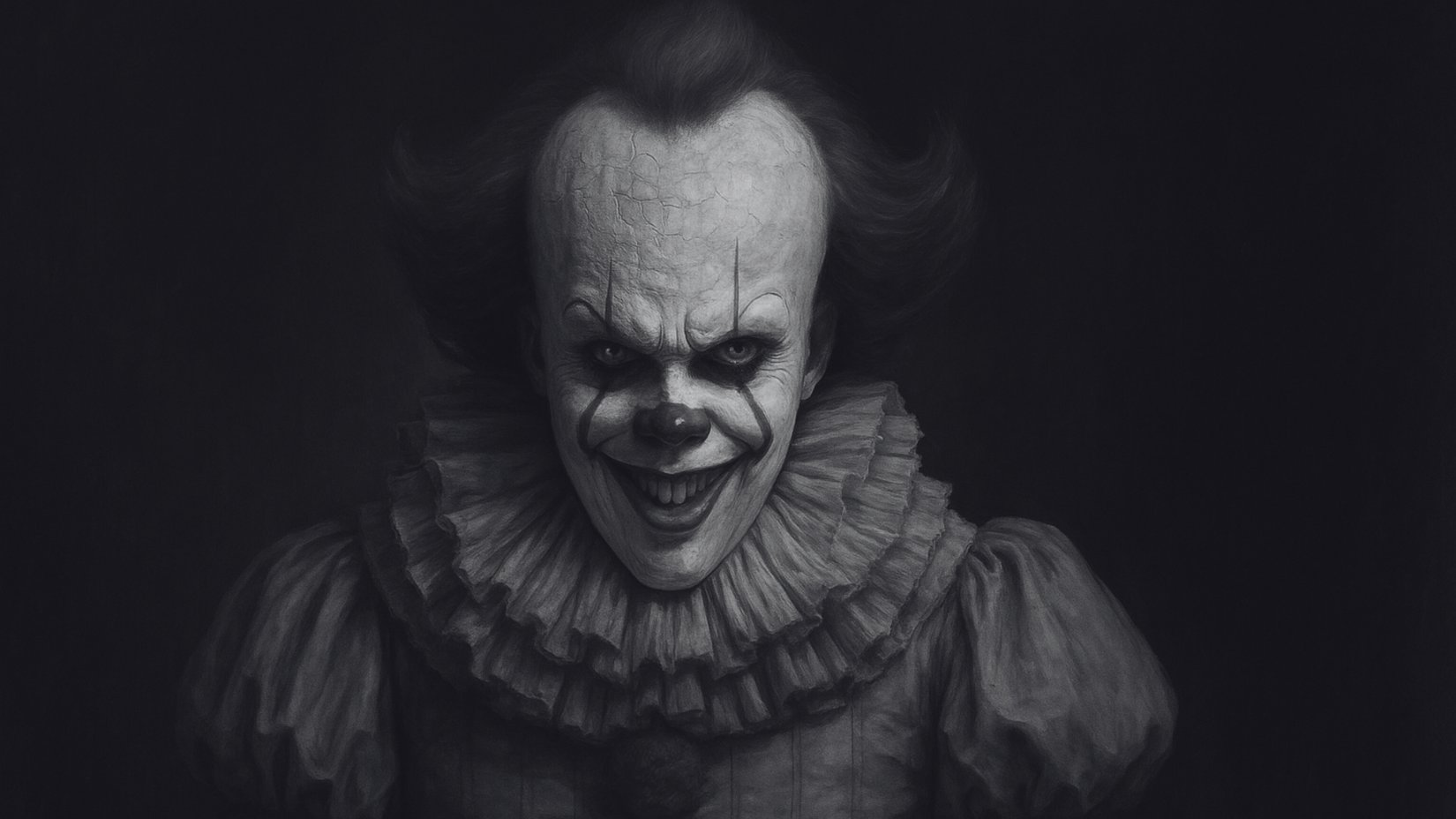
Rather than channeling a specific historical murderer or local legend, King wanted to create an ultimate monster that could embody all fears. He chose a clown as the primary disguise because, in his view, clowns represent childhood innocence twisted into something deeply unsettling. Clowns wear thick makeup, hide their true faces, and maintain a permanent, unblinking painted smile—traits that easily transition from comedic to sinister. Pennywise’s fictional nature is further underscored by his true identity as an interdimensional, cosmic entity older than the universe itself, hailing from a void-like dimension known as the Macroverse.
Real-World Inspirations: Separating Fact from Fiction
While Pennywise is not a true story, Stephen King did not pull the character out of a vacuum. Writers routinely anchor supernatural horror in recognizable human dread to make fantastical elements resonate with readers. In the case of Pennywise, several distinct real-world figures and cultural phenomena contributed to the shape of the monster.
The Influence of John Wayne Gacy
The most common misconception surrounding Pennywise is that the character was directly based on John Wayne Gacy, the notorious American serial killer who sexually assaulted and murdered at least 33 young men and boys between 1972 and 1978. Gacy famously performed at children's parties and charity events dressed as "Pogo the Clown" or "Patches the Clown."
Despite the chilling parallel, Stephen King wrote It years after Gacy's crimes came to light in 1978, but the author has consistently stated that Gacy was not a conscious inspiration. Instead, Gacy’s double life—a seemingly friendly community member hiding unspeakable evil—tapped into the exact cultural zeitgeist that King was exploring. Gacy helped crystallize a growing societal unease regarding the figure of the commercial clown, transforming a symbol of birthday parties into a source of genuine phobia (coulrophobia).
Historical Monsters and Local Legends
King also drew inspiration from older folklore, ghost stories, and mythological archetypes. The concept of a monster that awakens every 27 years to feed on the fear and flesh of children mirrors cyclical patterns found in ancient myths and urban legends about monsters dwelling in sewers, wells, and dark woods.
Furthermore, the fictional town of Derry, Maine, was heavily modeled after King's real-life experiences living in Bangor, Maine. While Derry feels authentic with its detailed geography, local history, and social dynamics, it is a fictional construct. The historical tragedies that plague Derry in the novel—such as the explosion at the Kitchener Ironworks, the shootout involving the Bradley Gang, and the devastating fire at the Black Spot nightclub—are literary inventions designed to show how corruption and collective indifference allow an evil entity like Pennywise to thrive across generations.
| Aspect of Pennywise | Fictional Reality (In It) | Real-World Inspiration |
|---|---|---|
| Origin | An ancient, cosmic entity from the Macroverse. | The Norwegian fairy tale "Three Billy Goats Gruff." |
| Appearance | Pennywise the Dancing Clown; can shapeshift into personal fears. | Traditional circus clowns and children's entertainers. |
| Behavior | Hibernates for 27 years, feeds on frightened children. | Predatory behavior of real-world serial killers and societal fears. |
| Setting | The fictional town of Derry, Maine. | Bangor, Maine, and historical American tragedies. |
The Mechanics of Horror: Why Fiction Feels Like Fact
Pennywise feels so remarkably real to readers and viewers that many naturally assume the narrative must have a basis in historical fact. This illusion is a testament to King's mastery of psychological realism within a supernatural framework.
King grounds his supernatural narrative in deeply human emotional truths. The protagonists—the members of the "Losers' Club"—deal with very real, painful issues such as domestic abuse, poverty, bullying, racism, anti-Semitism, and the casual cruelty of small-town life. By juxtaposing these authentic childhood traumas against an impossible cosmic monster, King creates a metaphorical bridge. Pennywise operates as a personification of the adult cruelty, grief, and fear that children must face and ultimately overcome.
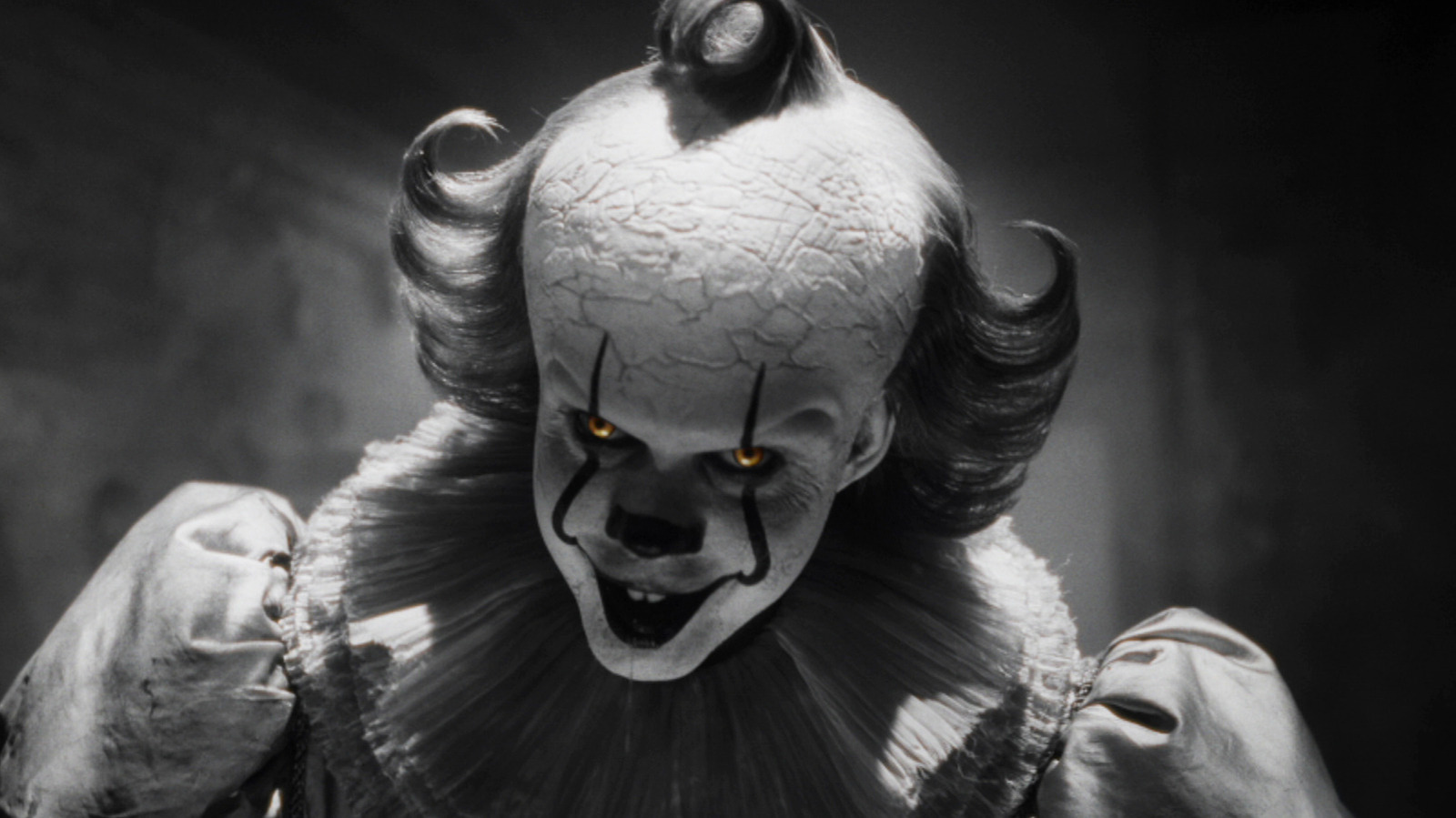
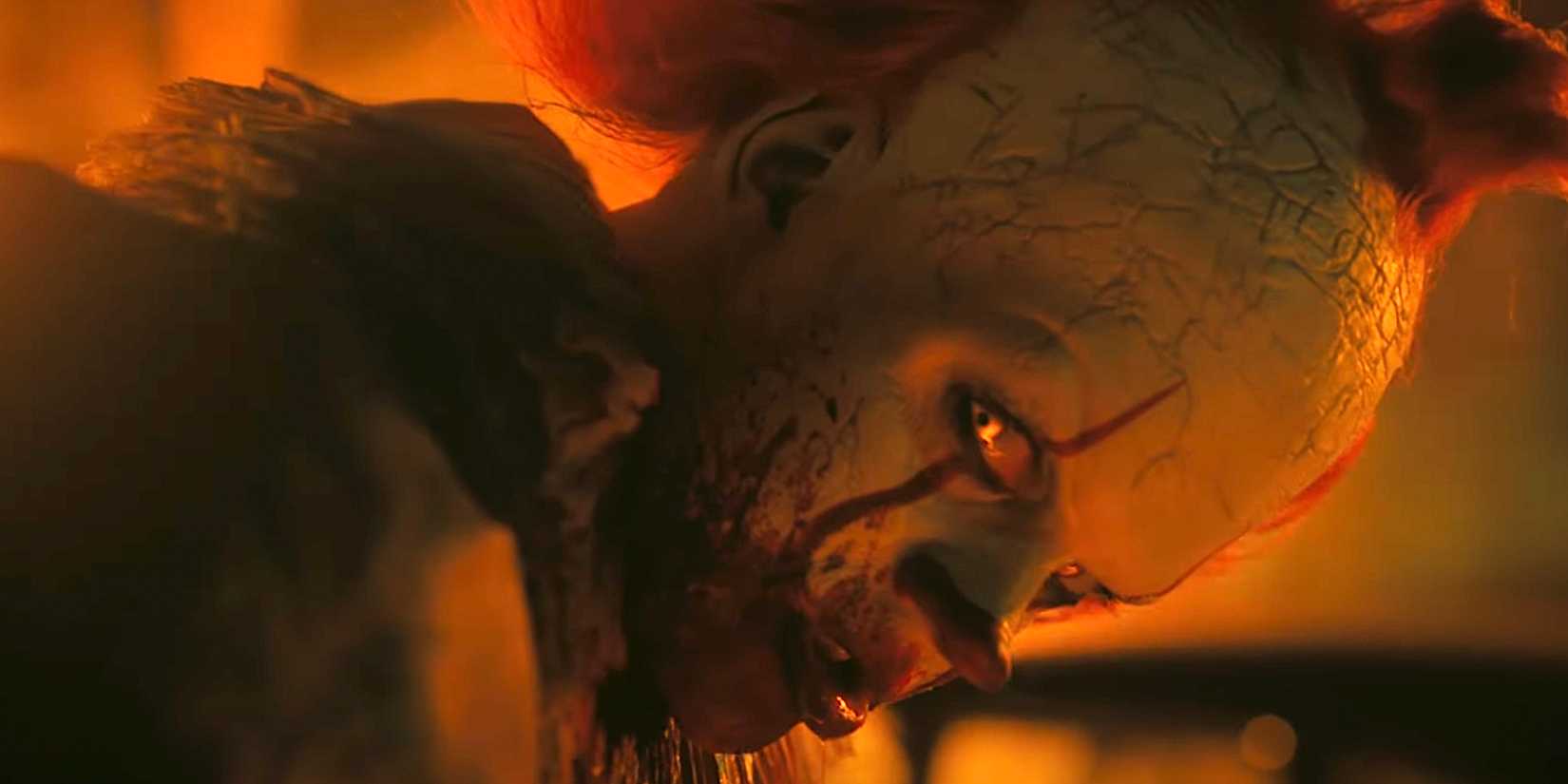
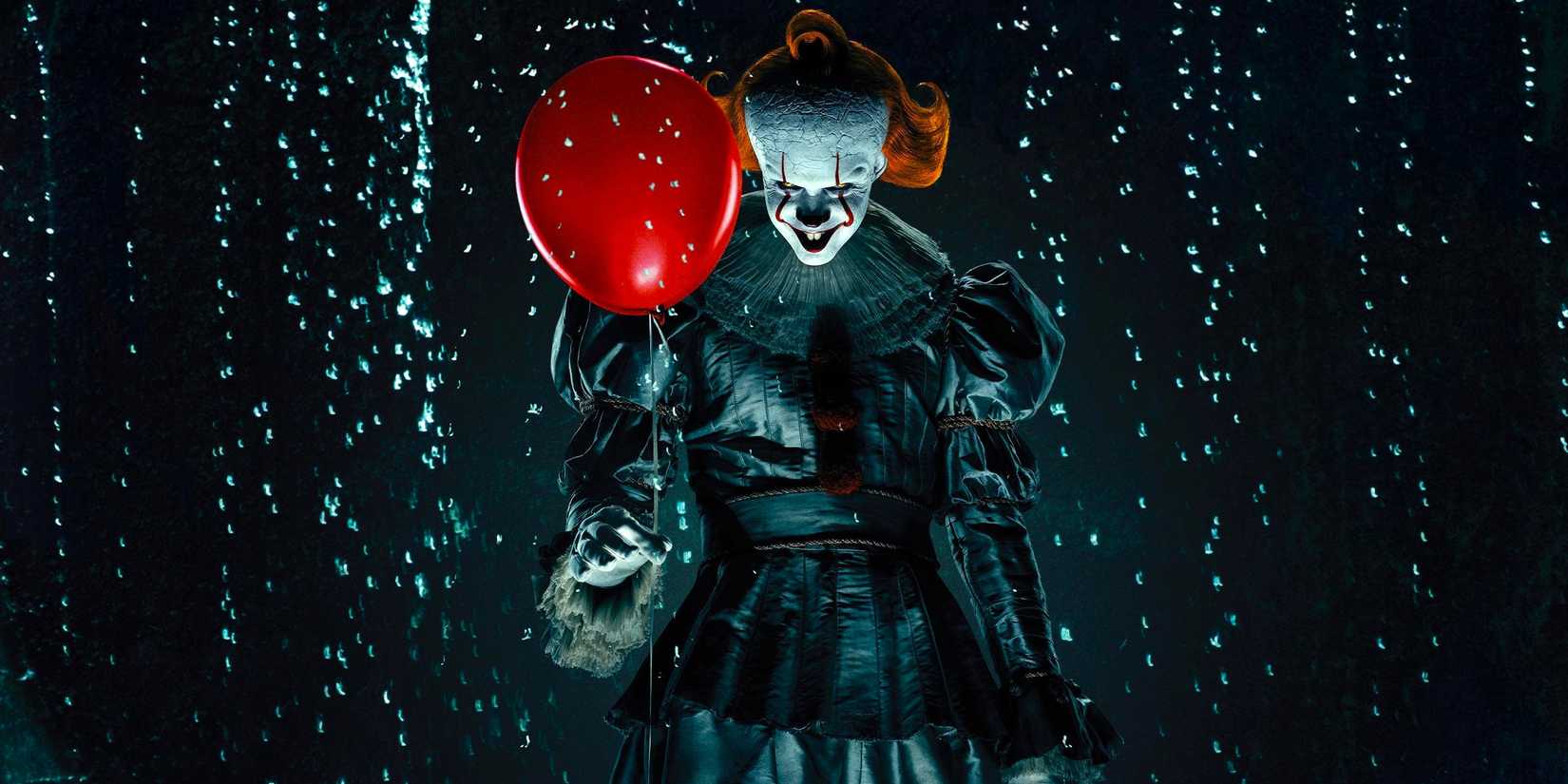
Moreover, the cinematic adaptations—specifically the 1990 miniseries starring Tim Curry and the 2017 and 2019 feature films directed by Andy Muschietti, featuring Bill Skarsgård—brought the character into vivid visual reality. Exceptional performances, striking creature design, and atmospheric cinematography blur the lines between myth and reality for audiences, reinforcing the myth that such a creature could exist.
Common Misconceptions About the Legend of Pennywise
Because urban legends spread rapidly on the internet, several myths regarding the true origins of Pennywise continue to circulate. Clarifying these misconceptions helps preserve the literary history of King's work.
- The "Maine Sewer Monster" Myth: A persistent internet rumor claims that Stephen King based Pennywise on an actual report of a creature or serial killer operating in the storm drains of Bangor in the 1970s. No such historical record exists. The sewer system in It is a symbolic representation of the hidden filth and repressed secrets of the town.
- The Direct Gacy Connection: While pop-culture commentary frequently links Gacy to Pennywise, King conceived the character independently, drawing on general anxieties about clowns rather than profiling Gacy specifically.
- The Cursed Production Myth: Rumors occasionally surface claiming that real-life tragedies occurred on the sets of the It films because the story was "too close to the truth." These claims are fabricated pieces of viral marketing or internet folklore with no factual backing.
Frequently Asked Questions About Pennywise
Is Pennywise based on a real person?
No, Pennywise is entirely fictional. He is an ancient cosmic entity created by Stephen King for his 1986 novel It. While King was influenced by cultural anxieties surrounding clowns and the dark reality of human monsters like John Wayne Gacy, the character itself has no real-world counterpart.
Why does Pennywise take the form of a clown?
Within the fictional lore of the story, Pennywise takes the form of a clown because it is an effective way to lure children. From a narrative standpoint, Stephen King chose a clown to represent how things meant to bring joy and innocence can be twisted into something terrifying.
What is Pennywise's real name?
In Stephen King’s mythos, the entity's true name is It, or Robert Gray (the human persona it sometimes adopts). Its true cosmic form exists in a dimension of lights and chaos referred to as the "Deadlights," which drives anyone who looks directly at them instantly insane.
Why does Pennywise wake up every 27 years?
The 27-year cycle is part of the creature's biological and supernatural feeding rhythm within King's universe. After feeding heavily on the children of Derry during a period spanning several months, the entity enters a hibernation cycle that lasts roughly a quarter of a century before waking up hungry again.
Can Pennywise be killed?
Yes. In the climax of both the novel and the cinematic adaptations, the protagonists manage to defeat the entity by confronting it with collective courage, belief, and ancient rituals capable of piercing its cosmic armor.
Conclusion and Next Actions
Pennywise remains one of horror fiction's most enduring creations precisely because it relies on deep-seated psychological fears rather than historical true-crime documentation. While the entity is a product of Stephen King's imagination, exploring the real-world anxieties and folklore that shaped the character deepens appreciation for the craftsmanship behind the novel. For readers and film enthusiasts looking to explore the subject further, the best next action is to read Stephen King’s original 1986 novel It or examine literary analyses detailing how mid-20th-century American culture influenced modern horror writing.
Image Gallery