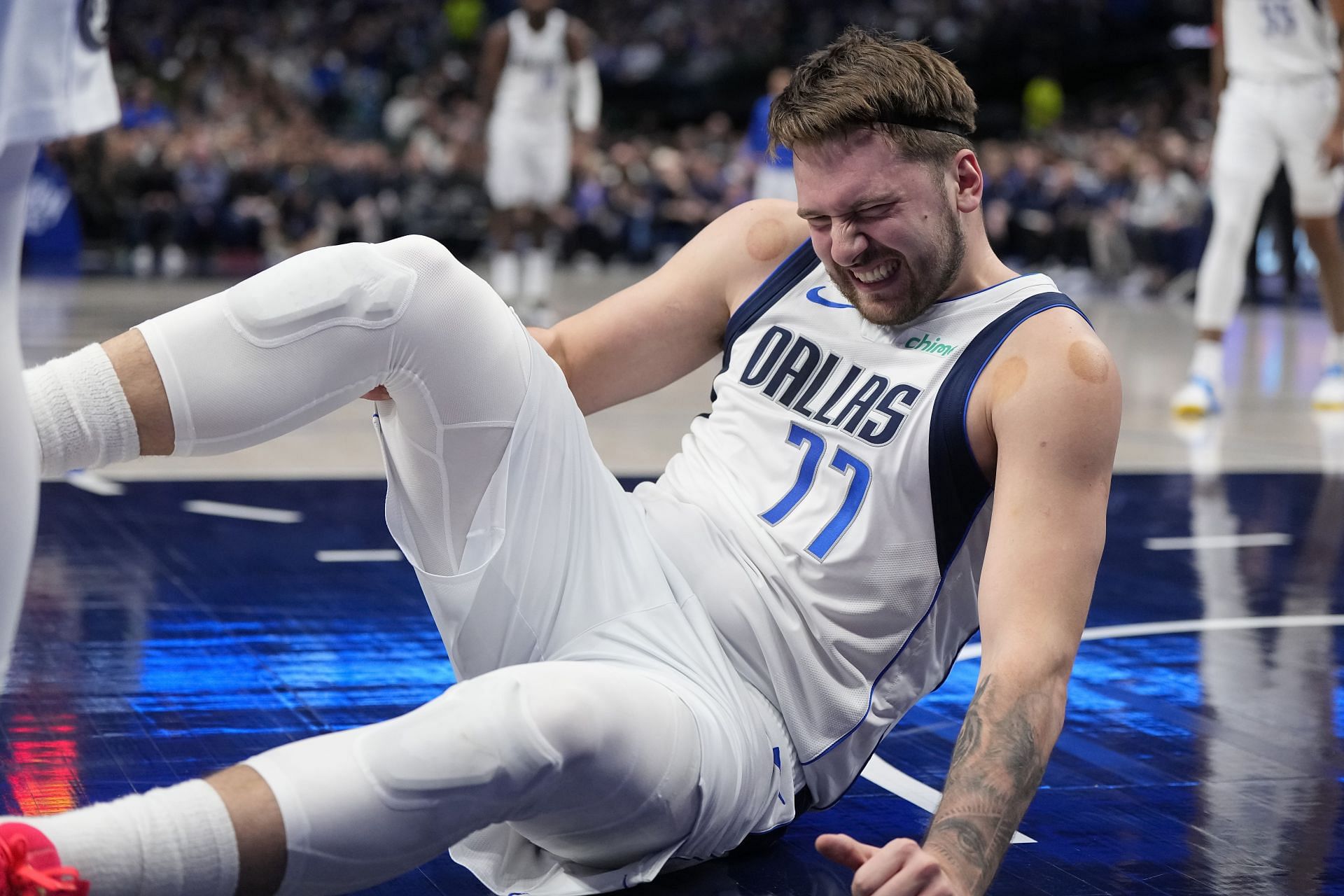
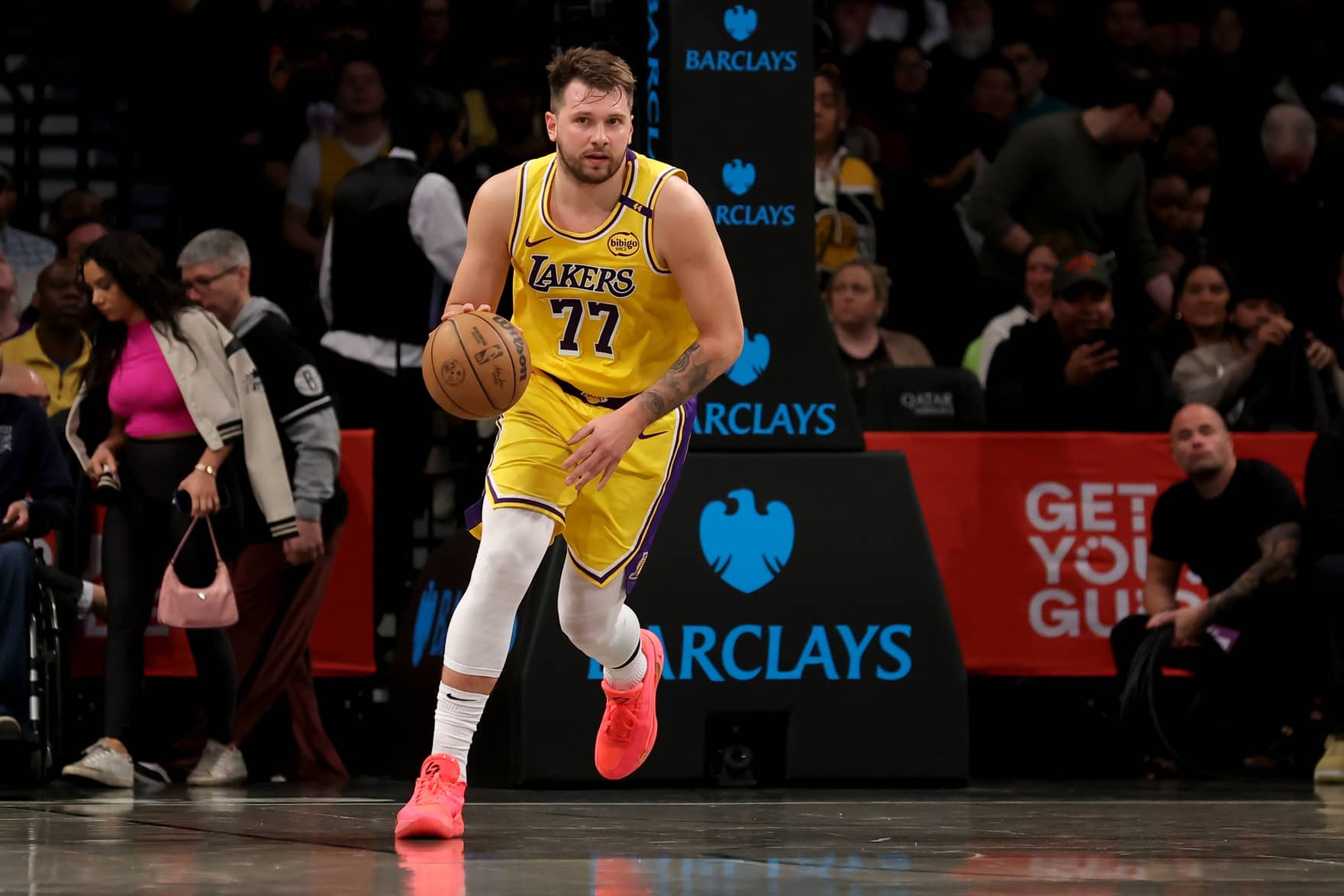
Inside the Residential Portfolio of Luka Dončić: Real Estate in Dallas
Luka Dončić, the superstar guard for the Dallas Mavericks, has maintained a high-profile presence in the Dallas real estate market since his arrival in the NBA. His residency choices reflect the intersection of high-end privacy, proxim...
Luka Dončić, the superstar guard for the Dallas Mavericks, has maintained a high-profile presence in the Dallas real estate market since his arrival in the NBA. His residency choices reflect the intersection of high-end privacy, proximity to team training facilities, and the lifestyle requirements of a world-class athlete, often centered within the city's most exclusive neighborhoods.
Contents
Understanding the Real Estate Footprint of NBA Elite
For professional athletes like Luka Dončić, a home is more than a place of residence; it is a critical hub for recovery, personal training, and high-level security. When an athlete moves, the decision is rarely driven by a simple change of scenery. Instead, it is an operational move designed to optimize their professional performance and personal security.
In the context of the Dallas Mavericks organization, the "home" location must be strategically positioned relative to the American Airlines Center and the team’s dedicated training facilities. These athletes prioritize luxury estates that offer expansive square footage, state-of-the-art gym facilities, and controlled access to ensure privacy from the intense public scrutiny that accompanies NBA superstardom.
Key Factors Influencing Athlete Housing Choices
Professional athletes operating in the high-stakes environment of the NBA often seek specific amenities that differentiate their residential choices from standard luxury real estate.
- Proximity and Logistics: Minimizing commute times to training facilities and the team arena is paramount. Efficient transit corridors are essential during the grueling 82-game season.
- Privacy and Security: High-net-worth individuals, particularly global celebrities like Dončić, require advanced security infrastructure, including perimeter monitoring, private gate access, and secluded lot positioning.
- In-Home Recovery Suites: Top-tier players require custom-built recovery areas. These may include infrared saunas, cryotherapy chambers, and specialized physical therapy rooms to facilitate immediate post-game recovery.
- Privacy of Architectural Layouts: Modern luxury estates in Dallas often favor open-concept designs that allow for hosting teammates and staff, while still maintaining distinct "quiet zones" for the player.
The Evolution of Dončić’s Dallas Residency
Since his rookie season in 2018, Dončić has progressed through various housing phases, moving from initial transition housing to more permanent, high-equity assets in the Preston Hollow and surrounding Dallas luxury enclaves.
These moves are common in the arc of a professional basketball player’s career. The initial years are often spent in proximity to the city center or team facilities in leased, high-service luxury apartments. As a player signs their rookie extension and approaches veteran status, they typically transition into custom-built or heavily renovated single-family estates. This shift serves as both a lifestyle upgrade and a strategic long-term wealth management decision, moving capital from liquid cash into appreciating real estate assets within stable North Texas markets.
Comparative Analysis of Elite Dallas Residential Zones
Dallas offers a diverse range of neighborhoods suitable for professional athletes. The choice of neighborhood often dictates the lifestyle and privacy level available to the resident.
| Neighborhood | Strategic Advantage | Target Demographics |
|---|---|---|
| Preston Hollow | Privacy, Large Estates | Long-term residents, high-net-worth individuals |
| Uptown/Victory Park | Arena Proximity | Younger players, shorter lease cycles |
| Highland Park | Community, Prestige | Established families, high security |
| North Dallas | Modern Architecture | Athletes requiring custom gym builds |
Strategic Considerations for High-Value Property Acquisition
When an athlete of Dončić's caliber acquires a new home, the process involves a sophisticated team of professionals. This typically includes a wealth manager, a luxury real estate attorney, and a specialized broker experienced in non-disclosure agreements (NDAs).
The Role of Privacy and NDAs
Because the residences of star players are often targets of public interest, the acquisition process is frequently shielded by LLCs (Limited Liability Companies) or trusts. This provides a layer of anonymity that is essential for both security and the preservation of the property's market value. By purchasing through a legal entity, the player ensures that their address remains out of the immediate public domain, which is a standard procedure for protecting high-profile assets.
Infrastructure Requirements
Beyond the aesthetic appeal, a home for an NBA superstar must meet specific mechanical and electrical standards. Advanced HVAC systems are required to handle the massive internal volume of these estates, particularly if they include indoor sports courts or specialized entertainment zones. Furthermore, the electrical grid must be robust enough to support advanced smart-home systems and the power-intensive equipment found in a professional-grade recovery space.
Evaluating the Impact of Athlete Relocations on Local Real Estate
The movement of star players significantly impacts the luxury real estate market in Dallas. When a player like Dončić invests in a new property, it often brings visibility to the specific neighborhood. However, the influence is nuanced. These high-end properties are typically in price tiers that are relatively insulated from general market fluctuations. Their impact is felt more in the "prestige" value of a neighborhood than in the immediate shift of median home prices.
Market Trends for 2026
In 2026, the Dallas luxury market continues to be characterized by high demand for turnkey, custom-built estates. The scarcity of such properties in proximity to the urban core drives high valuations. For athletes, the priority remains "turnkey readiness"—the ability to move into a space that is already optimized for their specific physical and security requirements without waiting for extensive renovations.
Frequently Asked Questions
1. Do professional athletes typically purchase homes in their own names? Rarely. Most professional athletes utilize trusts or Limited Liability Companies (LLCs) to purchase real estate. This serves two primary purposes: protecting their privacy from the general public and insulating the property from potential personal legal liabilities.
2. Why is proximity to training facilities so vital for NBA players? NBA players operate on strict recovery schedules. Every minute spent in traffic is a minute taken away from sleep, specialized medical treatment, or proper nutrition. Proximity allows players to maintain the rigorous regimen necessary to perform at an elite level.
3. What is the most important feature of a home for an NBA player? Beyond the standard luxury amenities like kitchens and entertainment rooms, the most important feature is the "recovery suite." This includes dedicated space for physical therapy equipment, specialized recovery tools, and often a private, high-quality gym setup that mirrors professional standards.
4. How does moving affect an athlete's performance? While moving can be a source of stress, professional athletes have support teams to handle the logistics. The move is usually timed during the offseason to ensure the player is fully settled and their recovery routines are established before the start of the training camp in late September.
5. Are these homes considered a good investment? For athletes, real estate is a fundamental part of a diversified investment portfolio. By acquiring high-value properties in stable, growing markets like Dallas, players are effectively parking capital in assets that historically appreciate while providing an immediate utility for their lifestyle and professional needs.
Final Recommendations for Luxury Property Management
For those looking to emulate the high-end residential standards of professional athletes, the focus should be on infrastructure and privacy. If you are managing or purchasing a high-net-worth estate in the Dallas area, prioritize the following actions:
- Engage Legal Counsel for Structuring: Before making an offer, establish a holding entity to protect your identity and minimize public association with the property.
- Conduct Professional Systems Audits: Ensure the property’s electrical, security, and climate control systems meet the demands of a high-utilization household.
- Prioritize Location Longevity: Choose a neighborhood with established infrastructure and privacy, rather than areas currently experiencing high-intensity construction, to ensure long-term stability of the property value.
Image Gallery