Mr. Ingalls in Little House on the Prairie: Character Analysis, Historical Reality, and Cultural Legacy
Mr. Charles Phillip Ingalls, famously immortalized in television and literature as the hardworking, moral patriarch of Little House on the Prairie, remains one of the most enduring father figures in American popular culture. Serving as...
Mr. Charles Phillip Ingalls, famously immortalized in television and literature as the hardworking, moral patriarch of Little House on the Prairie, remains one of the most enduring father figures in American popular culture. Serving as the anchor for Laura Ingalls Wilder’s autobiographical children's novels and Michael Landon’s celebrated television adaptation, the character embodies nineteenth-century frontier resilience, deep paternal devotion, and unwavering ethical standards. Understanding Mr. Ingalls requires looking past the comforting nostalgia of television screens and examining both the literary creation and the historical pioneer who inspired him, exploring how a real-world nineteenth-century homesteader was transformed into an iconic archetype of American family life.
Contents
Literary Foundations: Charles Ingalls in the Wilder Novels
In the classic children’s book series written by Laura Ingalls Wilder, Charles Ingalls—affectionately called "Pa"—is the gentle, capable center of the family's nomadic pioneer existence. The novels, beginning with Little House in the Big Woods and continuing through works like Little House on the Prairie and On the Banks of Plum Creek, chronicle a family constantly chasing land, opportunity, and stability across America's midwestern frontier.
Pa Ingalls is introduced as a man of many practical skills. He builds their log cabins and frame houses with his own hands, hunts and traps to supplement their food supply, plays the fiddle with soulful enthusiasm, and protects his wife, Caroline, and daughters—Mary, Laura, Carrie, and later Grace—from the threats of the wild. Yet, his literary persona is defined just as much by his emotional intelligence. He is patient, listens closely to his children, offers gentle moral guidance without harsh authoritarianism, and maintains a deep, quiet respect for the natural world.
The books also portray the harsh realities of frontier economics that Pa faced. Despite his relentless labor, the family frequently confronts financial instability, crop failures, grasshopper plagues, and the bitter cold of prairie winters. Through these trials, Pa serves as an emotional anchor, often reassuring his family by singing hymns or playing lively tunes on his fiddle when resources are scarce and futures look uncertain.
Television Adaptation: Michael Landon's Portrayal and Creative Liberties
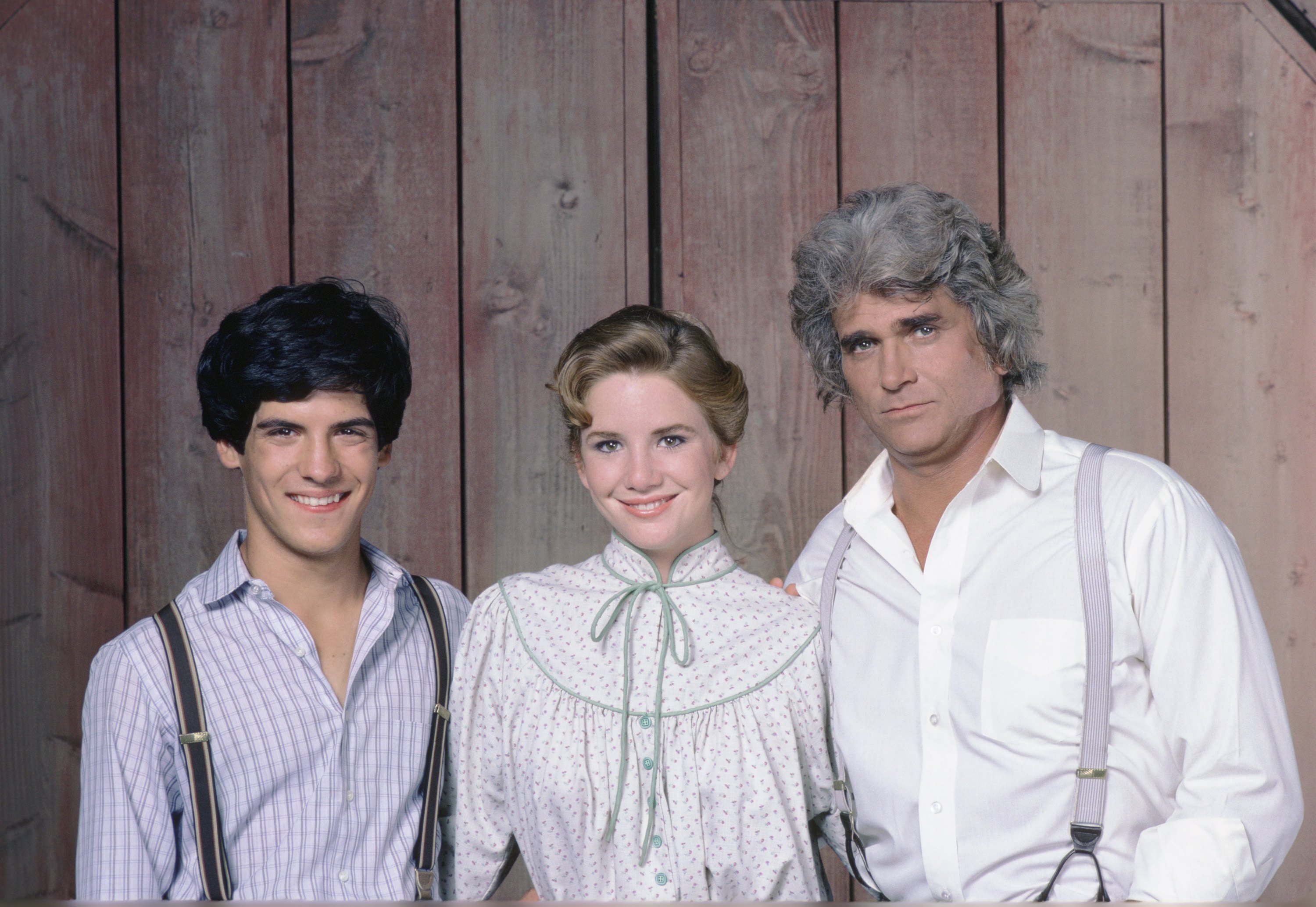
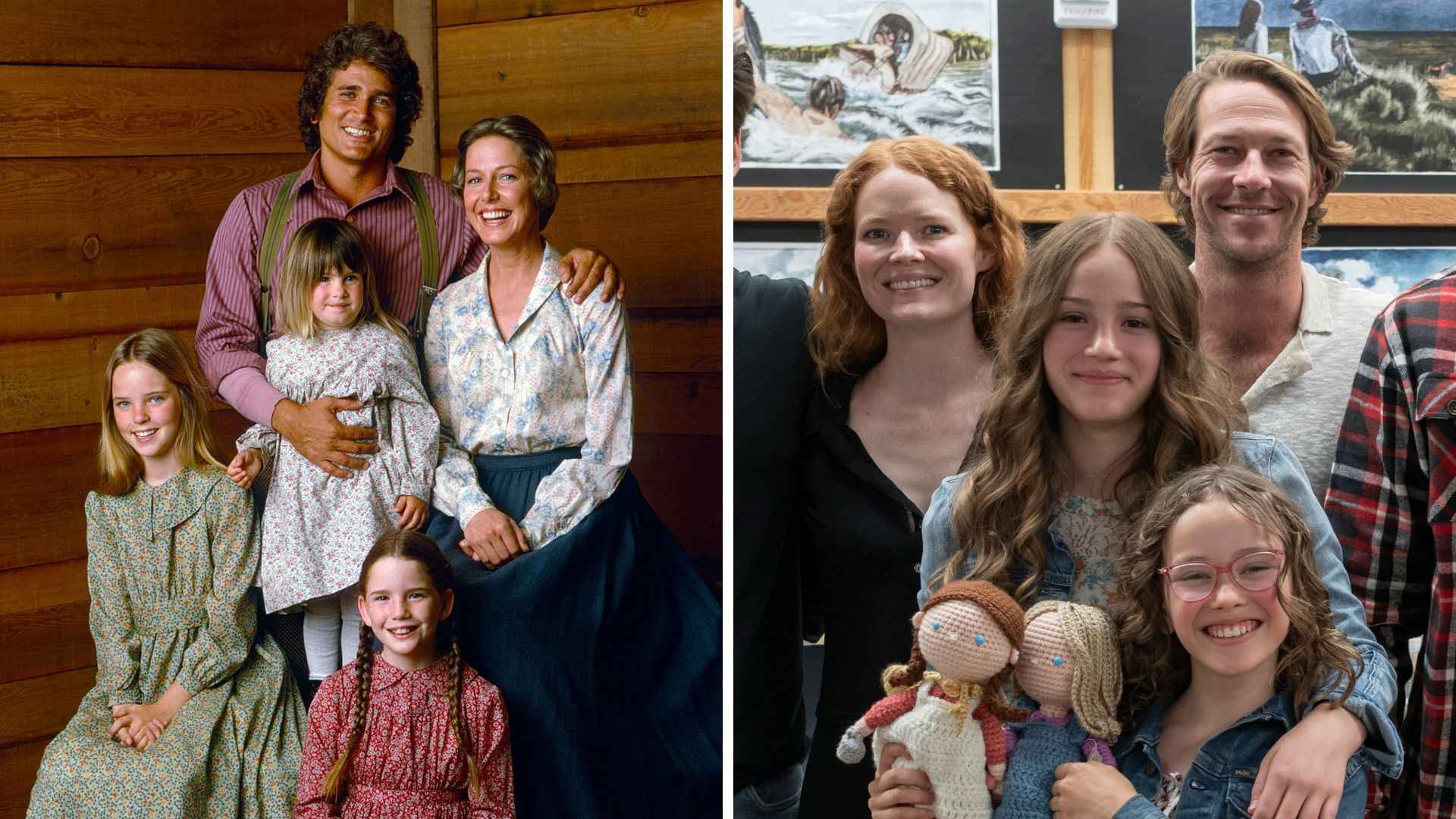
While the literary character grounded the books in early twentieth-century recollections of nineteenth-century life, the television adaptation that ran from 1974 to 1983 transformed Mr. Ingalls into a global television icon. Played with profound earnestness and physical intensity by Michael Landon, who also served as director, writer, and executive producer, television's Charles Ingalls became a deeply emotional, progressive, and dramatic figure.
Landon’s interpretation deviated significantly from the historical record and even from Wilder's books to fit 1970s television sensibilities. In the series, set primarily around Walnut Grove, Minnesota, Pa Ingalls is remarkably egalitarian, emotionally expressive, and fiercely protective of community morality. He frequently takes on dramatic moral dilemmas, champions social justice causes, and demonstrates an almost supernatural ability to endure physical punishment and emotional heartache while keeping his family farm afloat.
| Feature | Historical Charles Ingalls | Literary Pa (Wilder Novels) | Television Pa (Michael Landon) |
|---|---|---|---|
| Primary Occupation | Farmer, carpenter, store clerk, various transient jobs | Subsistence homesteader, hunter, carpenter | Farmer, mill worker, general laborer in Walnut Grove |
| Economic Success | Struggled financially throughout life; frequently moved | Faced recurring poverty, crop failures, and debt | Faced dramatic weekly hardships but achieved stability |
| Family Structure | Raised five children; two sons died in infancy | Father of Mary, Laura, Carrie, and Grace | Father of Mary, Laura, Carrie, plus adopted children |
| Geographic Mobility | Moved extensively across WI, KS, MO, IA, MN, SD | Frequent moves driven by wanderlust and land laws | Settled permanently in Walnut Grove for the series run |
This adaptation elevated Mr. Ingalls from a regional historical figure into a universal symbol of fatherhood. The television show emphasized family bonding, faith, and mutual aid, creating an idealized version of nineteenth-century rural community life that contrasted sharply with the anxieties of late-twentieth-century America.
Historical Reality: The Life of the Real Charles Ingalls
The historical Charles Phillip Ingalls was born on January 10, 1836, in Allegany County, New York, and died on August 8, 1902, in De Smet, South Dakota. His actual life was defined by the realities of nineteenth-century American westward expansion, characterized by constant relocation, financial struggle, and the physical toll of pioneering.
Unlike the perpetual motion of the fictionalized accounts, the real Ingalls family moved in pursuit of better agricultural land and economic opportunity, often driven by debt or failed crops. Charles was a restless spirit, a classic pioneer who grew uneasy when civilization crowded too close. This wanderlust led him to take his family across multiple states and territories, including Wisconsin, Kansas (violating Osage Indian reservation treaties at the time), Missouri, Iowa, Minnesota, and finally the Dakota Territory.
Economically, the real Charles Ingalls rarely achieved lasting prosperity. He worked as a farmer, carpenter, and eventually a civil servant and hotelier in De Smet. While he valued education and ensured his surviving daughters learned to read, write, and eventually teach, his financial circumstances were precarious. The romanticized image of Pa Ingalls as a self-sufficient provider obscures a life of hardscrabble survival where medical debt, mortgage payments, and crop destruction were constant threats.
Frontier Fatherhood and Cultural Legacy
The enduring fascination with Mr. Ingalls stems from how he represents an idealized archetype of masculine responsibility and domestic partnership. In both the books and television, Charles Ingalls challenges modern assumptions about nineteenth-century patriarchy. He views his wife, Caroline, as an equal partner in decision-making and shares domestic burdens whenever necessary.
Furthermore, his relationship with Laura serves as the emotional engine of the narrative. He encourages her tomboyish nature, respects her fierce independence, and fosters her intellectual curiosity, laying the groundwork for her eventual career as a celebrated author. This dynamic has made Mr. Ingalls a blueprint for positive paternal engagement in popular media.
Common Misconceptions About Mr. Ingalls
- He stayed in Walnut Grove permanently: In historical reality, the family lived near Walnut Grove for only a few years before moving further west to Iowa and eventually the Dakota Territory.
- He owned his land outright: Like many homesteaders of the era, Charles frequently struggled with mortgages, liens, and land titles, rarely experiencing true agrarian financial security.
- He was always gentle and soft-spoken: Historical records and family letters indicate that the real Charles Ingalls could be stern, impatient with systemic bureaucracy, and hardened by the unrelenting physical demands of frontier survival.
Frequently Asked Questions About Mr. Ingalls
Who played Mr. Ingalls in the television series?
Michael Landon played Charles Ingalls in the television series Little House on the Prairie from 1974 to 1983. Landon also directed and produced a substantial portion of the series, shaping its emotional tone and moral focus.
Was Mr. Ingalls a real person?
Yes, Charles Phillip Ingalls was a real historical figure and the father of author Laura Ingalls Wilder. Much of his life inspired the autobiographical events depicted in the Little House book series, though key details were dramatized or altered for narrative effect.
Why did the real Ingalls family move so often?
The real Charles Ingalls suffered from a persistent wanderlust and a continuous search for fertile, uncrowded land. Economic pressures, failed crops, grasshopper plagues, and shifting government land policies also forced the family to relocate frequently across the American Midwest.
How did Mr. Ingalls die?
The historical Charles Ingalls died of heart failure on August 8, 1902, at his home in De Smet, South Dakota, at the age of 66. He was buried in the De Smet Cemetery.
What instruments did Mr. Ingalls play?
In both literature and television, Charles Ingalls is famously associated with the fiddle. The real Charles Ingalls was an accomplished amateur fiddler who played lively tunes to entertain his family during long winter evenings and pioneer journeys.
Conclusion and Next Actions
Examining Mr. Ingalls in Little House on the Prairie bridges the gap between historical documentation and American mythmaking. Whether viewed through the unvarnished historical record, Laura Ingalls Wilder's classic memoirs, or Michael Landon's television framing, Charles Ingalls remains a powerful symbol of endurance, family devotion, and pioneering spirit. For researchers and fans interested in further exploring this era, reading Laura Ingalls Wilder’s original manuscripts—such as Pioneer Girl—offers a transparent look at the genuine hardships behind the pioneer myth.
Image Gallery