Vanishing Life Insurance Explained
Vanishing life insurance refers to a permanent life insurance policy structure where dividends or accumulated cash value earnings eventually cover the cost of insurance and administrative fees, allowing the policyholder to stop paying...
Vanishing life insurance refers to a permanent life insurance policy structure where dividends or accumulated cash value earnings eventually cover the cost of insurance and administrative fees, allowing the policyholder to stop paying out-of-pocket premiums while maintaining coverage.
Contents
Understanding the Mechanics of Permanent Life Insurance
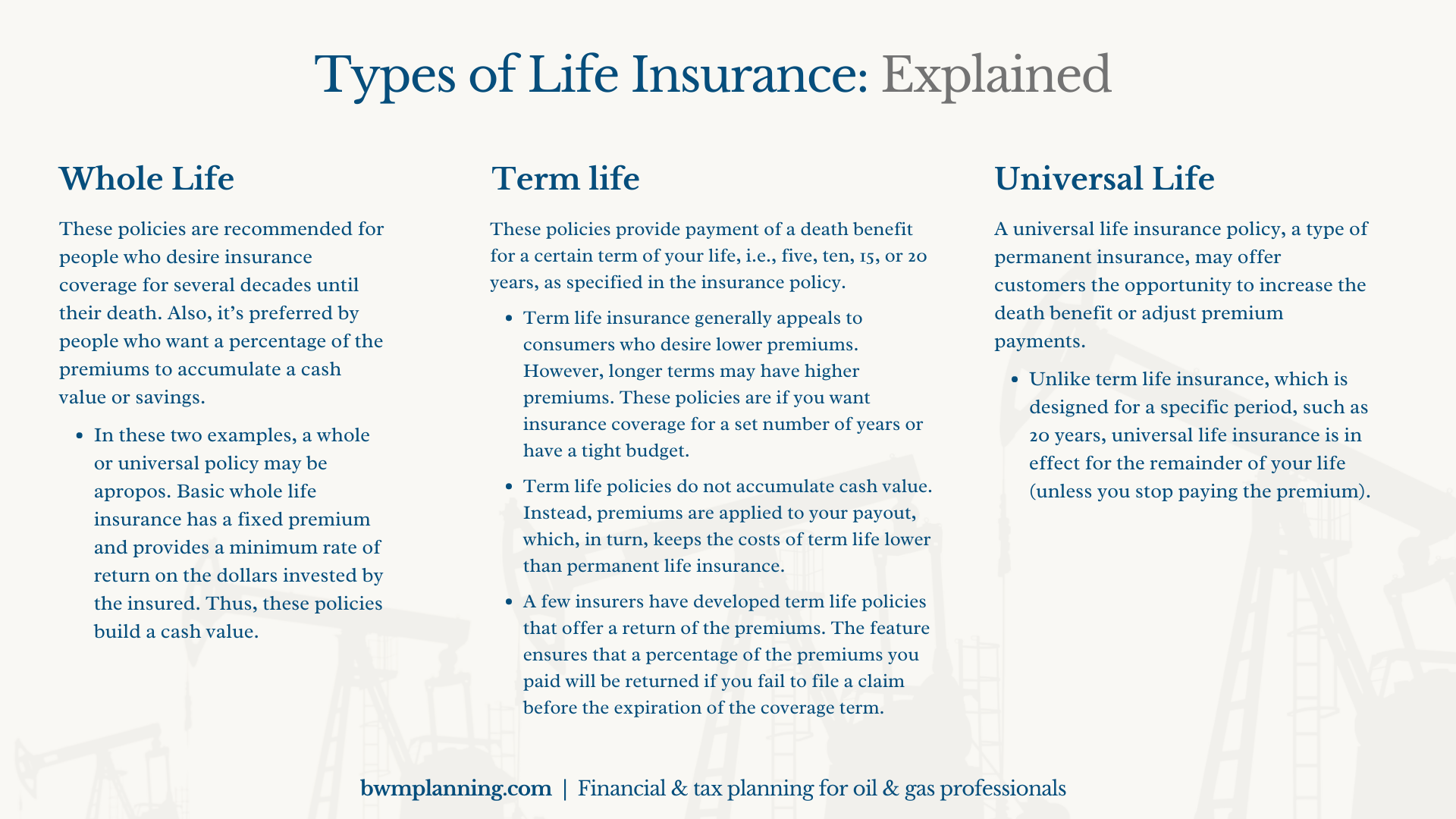
To understand how a policy can seemingly pay for itself, you must first examine the foundational mechanics of permanent life insurance. Unlike term life insurance, which provides temporary coverage for a fixed period and features no savings component, permanent policies—such as whole life and certain types of universal life insurance—combine a death benefit with an investment or cash-value account.
A portion of every premium dollar paid into a permanent policy covers the cost of insurance, carrier administrative overhead, and agent commissions. The remainder goes into a tax-advantaged cash value account. This account grows over time based on fixed interest rates, market performance, or insurer dividends declared by mutual insurance companies.
As the cash value compounds over decades, the internal financial dynamics of the contract shift. Insurers calculate the "cost of insurance" based on your age, which rises each year. However, if your cash value grows large enough, the annual interest or dividend earnings generated by that accumulated balance can match or exceed the annual premium requirement. When this equilibrium is reached, the policy is said to have a "vanishing premium."
The Promise and Reality of Vanishing Premiums
The concept of vanishing life insurance gained significant traction during the high-interest-rate environments of the 1970s and 1980s. During this era, insurance illustrations showed cash values growing at double-digit rates, projecting that policies would require out-of-pocket payments for only 7, 10, or 12 years before the premiums completely vanished.
However, financial conditions changed dramatically in the subsequent decades. As macroeconomic interest rates declined, the dividend interest rates paid by life insurance companies dropped proportionally. Consequently, policies that were projected to be self-funding in ten years failed to generate enough cash value to cover their internal costs.
Policyholders who stopped paying out-of-pocket premiums based on early, overly optimistic sales illustrations frequently faced unexpected premium notices years later. Without continued cash infusions, these underfunded policies risked lapsing, which would forfeit the death benefit and potentially trigger severe tax consequences if the policy had outstanding loans.
Factors That Influence When Premiums Vanish
Achieving a true vanishing premium is not guaranteed by contract; rather, it is a projected financial outcome dependent on several volatile variables. If you are evaluating a policy illustration that shows premiums disappearing, you must analyze the underlying assumptions:
- Dividend Interest Rates: For participating whole life policies, mutual insurers pay dividends based on their investment returns, mortality experience, and operational expenses. If economic performance falls below the illustration's assumptions, dividends decrease, delaying or preventing the vanishing point.
- Cost of Insurance Charges: Insurance companies deduct mortality charges monthly or annually. These charges increase as you age. If cash value growth slows down while mortality costs accelerate, the gap widens, requiring more capital to sustain the policy.
- Policy Loans and Withdrawals: Taking policy loans or cash withdrawals reduces the principal balance earning interest or dividends. Lowering the cash value base directly impairs the policy's capacity to generate enough internal revenue to pay future premiums.
- Initial Premium Design: The size of your initial and ongoing premium payments dictates how fast the cash value accumulates. Paying the minimum required premium makes a vanishing scenario much harder to achieve compared to paying higher, maximum-funded premiums.
Whole Life vs. Universal Life Applications
The mechanics of vanishing premiums manifest differently depending on the specific type of permanent insurance contract you own.
Whole Life Insurance
Whole life insurance offers guaranteed premiums, guaranteed death benefits, and guaranteed cash value growth, supplemented by non-guaranteed dividends. In a whole life contract, a vanishing premium is typically achieved by using dividends to buy Paid-Up Additions (PUAs). Over time, these PUAs compound the cash value until the total dividend output covers the base premium. This approach is generally more stable because the underlying guarantees provide a reliable baseline.
Universal Life Insurance
Universal life insurance unbundles the insurance protection from the cash-value account, offering flexible premiums and adjustable death benefits. Indexed universal life (IUL) and variable universal life (VIL) tie cash value performance to stock market indexes or sub-accounts. While a roaring stock market can accelerate the vanishing point, a prolonged market downturn can severely deplete the cash value. This forces policyholders to inject large sums of cash to keep the policy from lapsing, making universal life policies particularly vulnerable in vanishing-premium scenarios.
Comparing Traditional Permanent Options
| Feature | Whole Life Insurance | Universal Life Insurance | Variable Life Insurance |
|---|---|---|---|
| Premium Structure | Fixed and guaranteed | Flexible within limits | Flexible within limits |
| Cash Value Growth | Fixed rate + potential dividends | Tied to credited interest rates | Tied to sub-account investments |
| Vulnerability to Market Shifts | Low to moderate (backed by insurer general funds) | Moderate (subject to changing interest crediting rates) | High (direct exposure to market volatility) |
| Reliability of Vanishing Projection | Higher, due to guarantees and stable dividend history | Lower, heavily dependent on current interest rates | Lowest, subject to unpredictable market returns |
Evaluating and Troubleshooting an Existing Policy
If you currently own a permanent life insurance policy that was sold with the promise of vanishing premiums, or if you received a "vanishing premium illustration" years ago, proactive management is essential to prevent a sudden policy lapse.
- Request a Current In-Force Illustration: Do not rely on the original sales projections you received when you bought the policy. Contact your insurance carrier and request a current in-force ledger showing the exact projected performance based on today’s actual interest and dividend rates.
- Examine the Net Cash Surrender Value: Review your annual statement to verify your current cash value minus any surrender charges or outstanding policy loans. A positive and growing cash surrender value indicates that the policy is healthy.
- Monitor the Guaranteed vs. Current Assumptions: Look closely at the columns in your in-force illustration. One column will show performance under current interest rates, while another will show performance under the minimum guaranteed rates mandated by the contract. If the guaranteed column shows the policy collapsing without fresh premium payments, you face a significant long-term risk.
- Consult an Independent Financial Professional: Consider working with a fee-only financial planner or an independent insurance analyst who does not earn a commission from selling you a replacement policy. They can objectively audit your contract and help you decide whether to resume out-of-pocket payments, reduce the death benefit to lower internal costs, or execute a 1035 exchange into a more stable financial vehicle.
Frequently Asked Questions
What does vanishing life insurance actually mean?
It means the cash value inside a permanent life insurance policy has grown large enough that its internal earnings cover the ongoing cost of insurance and administrative fees, eliminating the need to pay out-of-pocket premiums out of your personal bank account.
Are vanishing premiums guaranteed by insurance companies?
No. Vanishing premiums are never guaranteed by contract. They are projections based on specific economic assumptions regarding interest rates, dividend scales, and mortality charges. If those assumptions fail to materialize, premiums will not vanish as planned.
What happens if my policy's premiums stop vanishing?
If market conditions deteriorate and your cash value no longer covers the internal costs, the insurance company will notify you that you must resume paying out-of-pocket premiums. If you fail to pay, the policy will begin eating into its cash value to cover the shortfall until it eventually lapses.
Can I sue an insurance agent if my premiums did not vanish on schedule?
Litigating historical vanishing premium cases is difficult due to the statute of limitations and the specific disclaimer language typically embedded in old insurance contracts, which explicitly state that illustrations are non-guaranteed estimates. It is generally more productive to audit the policy's current financial reality with an independent expert.
How can I fix a policy where premiums failed to vanish?
You have several options, including resuming out-of-pocket premium payments, lowering the overall death benefit to reduce internal insurance costs, surrendering the policy for its remaining cash value, or executing a tax-free 1035 exchange into a different insurance or financial product.
Image Gallery