Managing and Requesting IU Health Medical Records in 2026
Accessing and managing your Indiana University Health medical records is essential for tracking your health history, coordinating specialized care, and ensuring seamless communication between providers. Patients can view everyday healt...
Accessing and managing your Indiana University Health medical records is essential for tracking your health history, coordinating specialized care, and ensuring seamless communication between providers. Patients can view everyday health data instantly through the digital portal or submit formal requests for complete historical documentation.
Contents
Understanding Indiana University Health Medical Records
Indiana University Health operates as one of the most prominent healthcare systems in the region, compiling extensive diagnostic reports, clinical notes, lab results, and imaging scans across dozens of hospitals and outpatient facilities. Navigating these files requires an understanding of how health information is stored, protected under federal HIPAA guidelines, and made accessible to patients and authorized third parties.
Every patient has a legal right to inspect and obtain copies of their protected health information. Whether you are transitioning care to a specialist outside the network, preparing for an insurance review, or tracking chronic disease markers, knowing the exact procedures for record retrieval prevents administrative delays. Modern health systems utilize centralized electronic health record platforms to streamline this process, shifting away from entirely paper-based archiving toward secure digital transfers.
Prerequisites and Patient Identification Requirements
Before submitting a formal request for your medical documentation, certain verification steps must be completed to protect patient privacy and comply with healthcare regulations. Healthcare providers cannot release sensitive personal health data without authenticating the identity of the requester.
To initiate a request successfully, ensure you have the following information and documentation ready:
- Full legal name, including any previous names or maiden names used during prior treatments.
- Date of birth and Social Security number or unique medical record number assigned by IU Health.
- Clear, legible photocopy of a government-issued photo identification, such as a driver's license or passport.
- Specific dates of service or the exact types of medical records required, such as specific radiology films, pathology reports, or discharge summaries.
- A completed and physically or digitally signed Authorization for Release of Health Information form if requesting records for third-party entities.
Step-by-Step Guide to Accessing Records via the Patient Portal
For most routine needs, logging into the official digital portal provides immediate, free access to recent test results, immunization histories, and clinical summaries without requiring a formal paper application.
- Navigate to the official IU Health patient portal login page through a secure web browser or open the mobile health application on your smartphone.
- Enter your secure login credentials, or complete the multi-factor authentication step if prompted for enhanced account security.
- Locate the health records or test results section on the main dashboard menu.
- Browse or filter your documents by date, provider name, or clinical department to find the specific files you need.
- Use the download or export features to save the documents securely to your personal device in PDF format, or share them directly with another provider through secure electronic exchange protocols.
Formal Request Methods for Complete Historical Files
When your needs extend beyond the recent data visible on the standard patient portal, you must submit a formal request to the Health Information Management department. This is necessary for comprehensive historical files, legal proceedings, or complex insurance claims.
Patients can choose from several official channels to submit their requests:
- Online Patient Request Portal: Utilizing the dedicated third-party release-of-information web portal hosted on the official IU Health website for electronic submission and tracking.
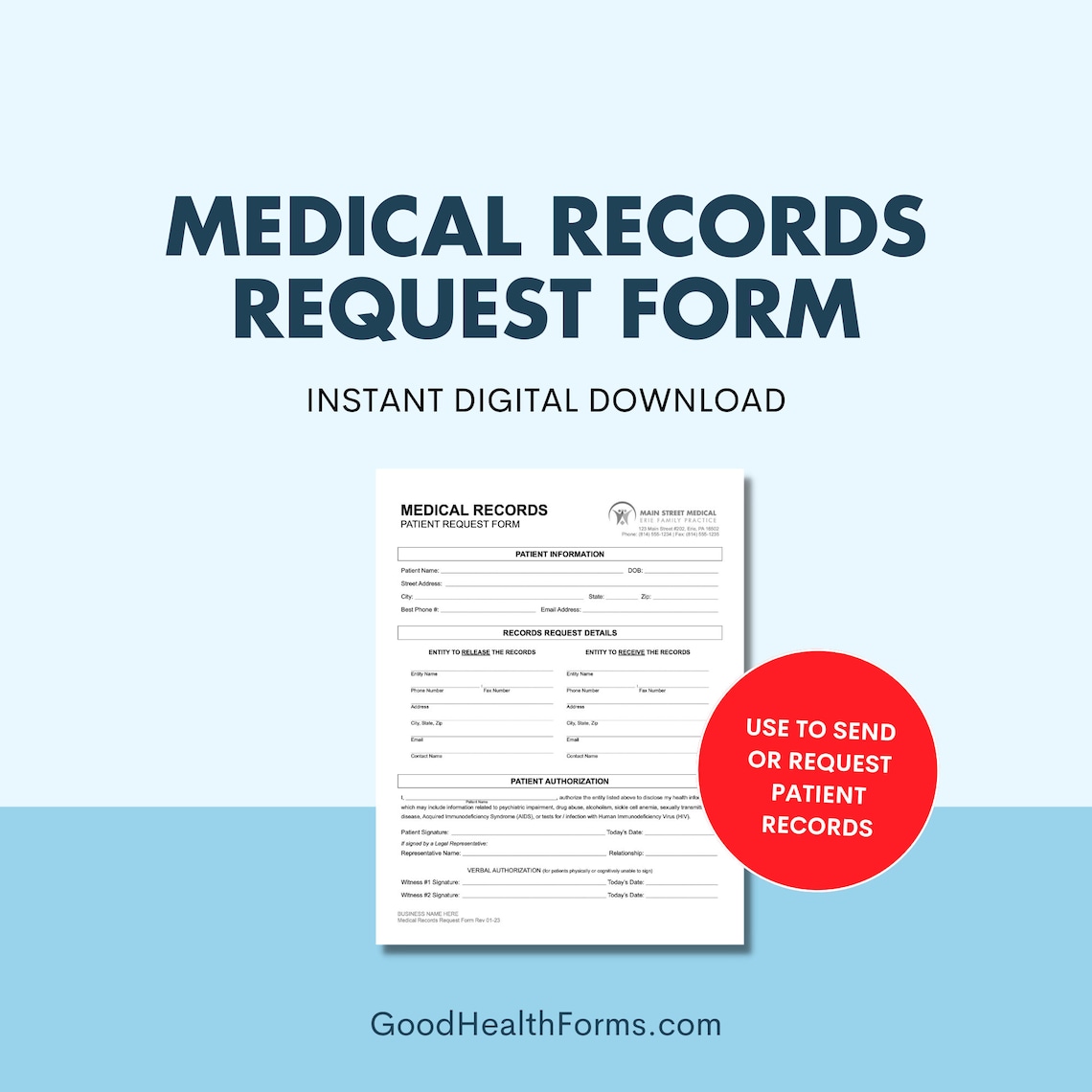
- Written Request via Mail: Printing, filling out, and signing the Authorization for Release of Health Information form and mailing it directly to the central HIM correspondence unit.
- In-Person Requests: Visiting the medical records office at your local IU Health facility to submit paperwork directly and verify identification on-site.
- Facsimile Submission: Transmitting completed and signed authorization forms via secure fax to the designated departmental number listed on the official health system directory.
Breakdown of Medical Record Access Options
The following table compares the primary methods for obtaining your health documentation from Indiana University Health, highlighting turnaround times, formats, and typical use cases.
| Access Method | Primary Format | Typical Turnaround Time | Best Used For |
|---|---|---|---|
| Digital Patient Portal | Electronic PDF / Web View | Instant | Viewing recent labs, doctor notes, and scheduling data |
| Online HIM Request Tool | Electronic PDF or Secure Download | 3 to 5 Business Days | Obtaining multi-year histories or specific departmental notes |
| Written Mail-In Request | Paper Copies or Encrypted CD | 5 to 10 Business Days | Legal documentation, estate planning, or physical archiving |
| In-Person Facility Request | Paper Copies or Physical Media | Varies by Location | Urgent physical transfers or resolving identity discrepancies |
Processing Fees, Delivery Methods, and Turnaround Expectations
Under federal HIPAA guidelines, healthcare providers are permitted to charge reasonable, cost-based fees for labor and supplies when fulfilling physical or electronic copies of medical records directly to patients, though many electronic transmissions via portals remain free of charge. When records are sent directly from physician to physician for ongoing medical treatment, fees are typically waived.
Turnaround times generally range from three to ten business days following the receipt of a properly executed authorization form. Delays can occur if forms lack required signatures, fail to specify exact date ranges, or omit necessary identity verification. For urgent medical emergencies, patients should instruct their receiving physician's office to request records directly through provider-to-provider expedited channels.
Troubleshooting Common Record Request Challenges
Navigating medical record requests occasionally presents hurdles. Understanding common obstacles helps ensure a smooth retrieval process.
- Missing Records from Affiliated Providers: IU Health collaborates with independent physician groups and external academic partners. If records from a specific visit are missing, verify whether the treating physician operated under the direct IU Health network or an independent private practice with separate charting systems.
- Rejected Authorization Forms: Ensure every field on the release form is completed. Leaving the expiration date blank, failing to check specific categories of sensitive information (such as behavioral health or substance use records), or providing an illegible signature will result in immediate rejection and processing delays.
- Portal Access Lockouts: If you are locked out of your digital account, use the automated password recovery tool or contact the dedicated patient portal support help desk rather than submitting a formal HIM paper request.
Frequently Asked Questions
How can I get my medical records from IU Health?
You can access recent records instantly through the online patient portal or submit a formal authorization form to the Health Information Management department for complete historical files.
Are there any fees for obtaining copies of my medical records?
Electronic deliveries via the patient portal are free, while physical paper copies or specialized digital media requested through the HIM department may incur standard, regulated copying and labor fees.
How long does it take for IU Health to process a medical record request?
Standard formal requests are typically processed and fulfilled within three to ten business days after the receipt of a fully completed and signed authorization form.
Can I request medical records for a deceased family member?
Yes, but you must legally qualify as the executor or personal representative of the estate and provide official probate court documentation alongside the medical release request.
What should I do if my test results or medical notes contain errors?
You have the right to request an amendment to your health records by submitting a formal Amendment Request form detailing the specific inaccuracies and the desired corrections to the IU Health privacy office.
Take Action Today
To view your most recent health data, log into your secure digital account, or visit the official Indiana University Health website to download, print, and submit your formal record request paperwork today.
Image Gallery