UWCU High Yield Savings Explained: A Comprehensive Guide for 2026
University of Wisconsin Credit Union (UWCU) high yield savings options are designed to provide members with competitive interest rates on liquid cash reserves while maintaining the security of a credit union structure. These accounts s...
University of Wisconsin Credit Union (UWCU) high yield savings options are designed to provide members with competitive interest rates on liquid cash reserves while maintaining the security of a credit union structure. These accounts serve as a bridge between standard transactional savings and long-term investment vehicles, offering a balance of accessibility, federally insured safety, and periodic dividend growth.
Contents
Understanding the UWCU Savings Philosophy
To understand high-yield savings at UWCU, one must first recognize the nature of a credit union. Unlike traditional national banks that operate primarily to generate profit for shareholders, UWCU is a member-owned cooperative. This fundamental structure means that surplus earnings are often redistributed back to members in the form of higher interest rates on deposits or lower fees on loans.
A "high yield" account at a credit union is typically structured as a tiered savings account or a money market account (MMA) that pays interest at rates significantly higher than a standard share savings account. In 2026, these accounts are positioned for individuals looking to store their emergency funds, save for a short-term purchase, or park excess liquidity without the volatility of the stock market.
Eligibility and Account Prerequisites
Before accessing UWCU high-yield savings, you must meet the eligibility criteria established by the institution. UWCU primarily serves those who live or work in specific regions of Wisconsin, though eligibility can also be satisfied through membership in certain organizations or familial relationships with existing members.
Requirements for Membership and Opening
- Field of Membership: Verify that your residency or employment status qualifies you for membership. UWCU maintains a "once a member, always a member" policy, meaning that if you move or change jobs later, your account remains active.
- Minimum Balance: While many high-yield accounts require a minimum balance to earn the "high" rate, some UWCU products are tiered. You must maintain the minimum daily balance to avoid service fees or to trigger the advertised Annual Percentage Yield (APY).
- Identification: Federal regulations, specifically the USA PATRIOT Act, require financial institutions to verify the identity of every account holder. You will need a valid government-issued ID (driver’s license or passport) and your Social Security Number.
The Mechanics of APY and Compounding
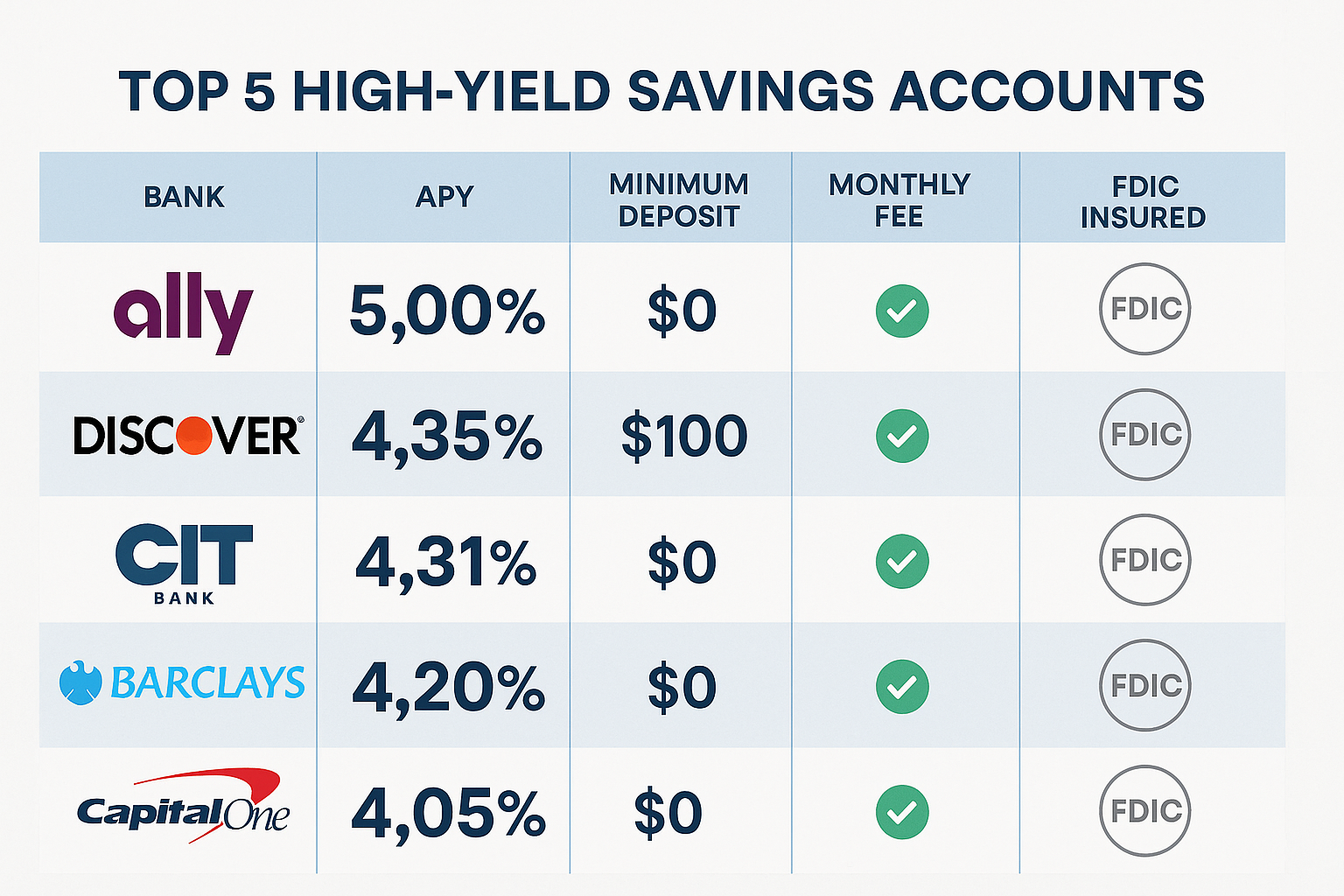
The core value proposition of a high-yield account is the Annual Percentage Yield (APY). This figure represents the real rate of return on your money, taking into account the effect of compounding interest over a year. At UWCU, dividends are typically compounded daily and credited monthly.
How Compounding Works
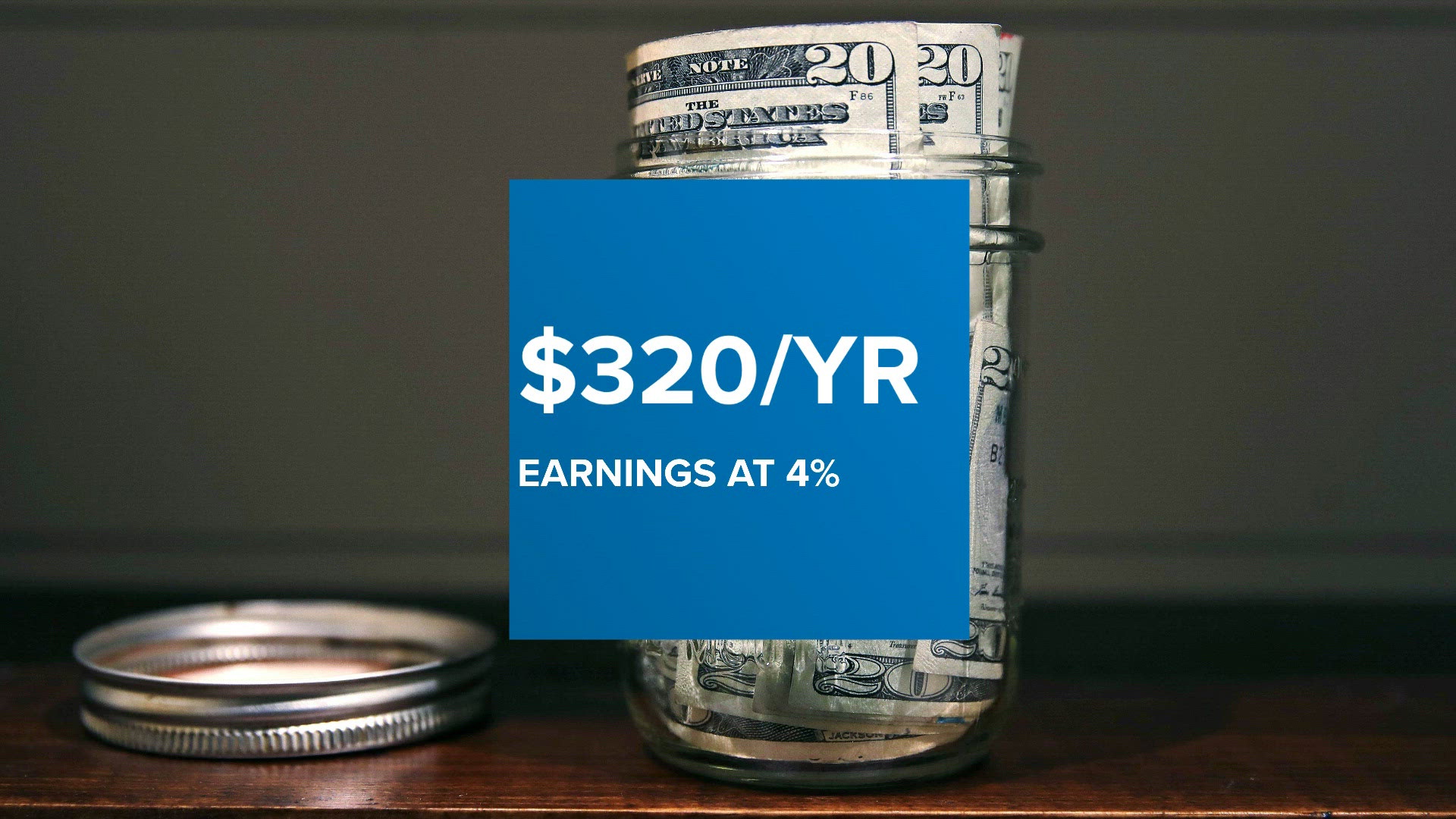
If you have a deposit of $10,000 at a 4.00% APY, the interest does not simply accrue on the initial $10,000. Instead, the interest earned in the first day is added to your principal, and the next day’s interest is calculated on that slightly higher amount. Over a month, this creates a "snowball effect." Understanding this is crucial because the timing of your deposits and withdrawals can impact the total dividend payment at the end of the month.
Comparison: Standard Savings vs. High Yield vs. CDs
Choosing where to put your money depends on your timeline and liquidity needs. The following table illustrates the standard differences between these common deposit products available at institutions like UWCU.
| Feature | Standard Savings | High Yield / Money Market | Certificate (CD) |
|---|---|---|---|
| Liquidity | High (Unlimited) | High (Limited/Regulated) | Low (Locked term) |
| Interest Rate | Very Low | Moderate to High | Highest |
| Risk Profile | NCUA Insured | NCUA Insured | NCUA Insured |
| Best For | Daily Transactions | Emergency Funds | Fixed-goal Savings |
Note: Liquidity for high-yield accounts may be subject to transaction limits set by federal regulations or internal credit union policy.
Operational Best Practices
To maximize the benefits of a UWCU high-yield savings account, you should integrate it into your broader financial strategy.
1. Maintain the Minimum Threshold
Many high-yield tiers are sensitive. If your balance dips below a specific threshold—even by a single dollar—you might be demoted to a lower interest bracket for the duration of the cycle. Check your account dashboard via the UWCU mobile app or online portal regularly to ensure your balance stays within the high-yield requirement.
2. Monitor Dividend Posting Cycles
Dividends are calculated on the "average daily balance." If you frequently withdraw large sums and re-deposit them, your average daily balance will be lower, resulting in a smaller dividend payout. Aim for consistent savings habits rather than erratic, large transfers.
3. Leverage Automation
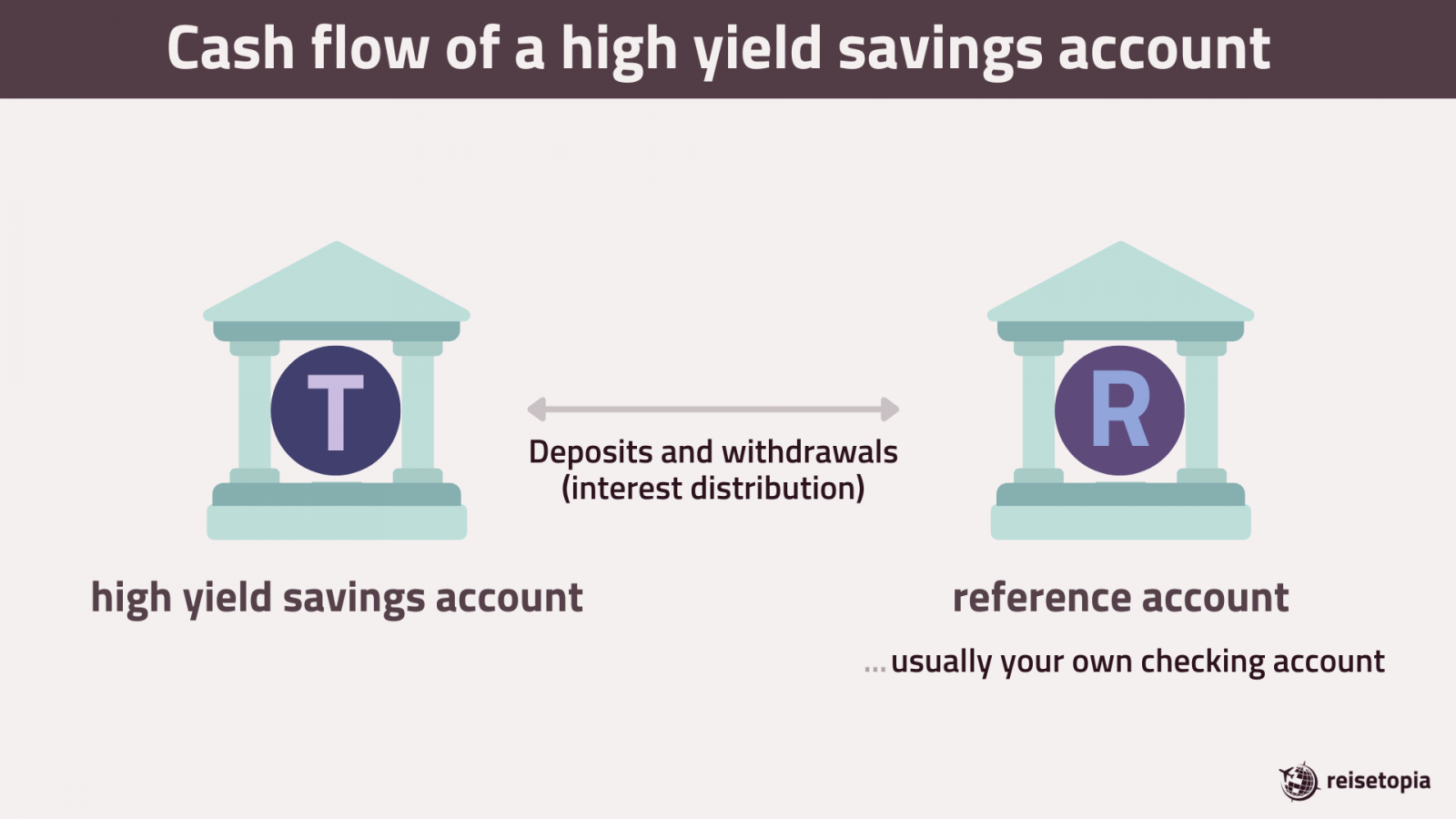
Most savers find success by automating a recurring transfer from their checking account to their savings account on payday. This ensures you consistently fund your savings before other expenses claim your capital, while simultaneously keeping your average daily balance high enough to qualify for premium tiers.
Common Pitfalls and Troubleshooting
Even with a robust account, users can encounter friction. Here are the most frequent issues:
- Transaction Limits: While the federal Regulation D restrictions on withdrawals have been relaxed in recent years, credit unions may still impose their own limits on how many times you can withdraw funds from a money market-style account without a fee. Always check the current service fee schedule.
- Rate Fluctuations: High-yield accounts are "variable rate" accounts. This means the interest rate can change at any time based on federal interest rate environments. Do not treat a current rate as a permanent fixture.
- Account Inactivity: If you leave an account with a nominal balance for an extended period, it may be classified as "dormant," which can lead to monthly inactivity fees. Keep your account active by making periodic deposits or withdrawals.
Frequently Asked Questions
Is my money safe at UWCU?
Yes. UWCU is a credit union insured by the National Credit Union Administration (NCUA). This is the credit union equivalent of FDIC insurance for banks. Your deposits are federally insured up to $250,000 per depositor, per ownership category.
Does the "high yield" rate apply to all balances?
Not necessarily. Many accounts use "tiered interest," meaning you earn a specific rate on the first $5,000, a different rate on the next $10,000, and so on. Always verify the tier structure to ensure your specific balance range is earning the maximum potential interest.
Can I link this account to my checking for overdraft protection?
Yes. Many UWCU members link their savings to their checking accounts. This can prevent overdraft fees if your checking balance drops to zero, though you should be mindful that these transfers might count toward your monthly transaction limits.
Do I need to be a resident of Wisconsin to open an account?
You generally need a connection to the field of membership. While residency in certain Wisconsin counties is a common path, employment with a partner organization or having a family member already at UWCU often suffices. Contact member services directly to verify your specific eligibility path.
How are the interest earnings taxed?
Dividends earned from your savings account are considered interest income and are subject to federal and state income taxes. At the end of the tax year, UWCU will provide you with a 1099-INT form if your interest earnings exceed a certain threshold, which you must report when filing your taxes.
Final Recommendation
To make the most of your capital, treat your UWCU high-yield account as a strategic component of your financial health, not merely a place to keep excess cash. Begin by auditing your monthly expenses to determine the "floor" of your emergency fund—that is the amount that should never be touched—and ensure it resides in the highest-yielding tier available to you. By automating your contributions and monitoring your balance against the institution's tier thresholds, you can effectively hedge against inflation while maintaining the liquidity required for your daily life. If your current balance consistently exceeds your emergency needs and your liquidity requirements, consider speaking with a financial advisor at UWCU about moving those excess funds into longer-term products like Certificates to capture higher, fixed yields.
Image Gallery