Charles Osgood: A Voice That Shaped American Broadcast
Charles Osgood was one of the most distinctive and beloved figures in American broadcast journalism, leaving an indelible mark on both radio and television across a career spanning more than five decades. Best known as the longtime hos...
Charles Osgood was one of the most distinctive and beloved figures in American broadcast journalism, leaving an indelible mark on both radio and television across a career spanning more than five decades. Best known as the longtime host of CBS News Sunday Morning and the creator of The Osgood File, his signature blend of poetic commentary, warm erudition, and trademark bow ties redefined standard news broadcasting.
Contents
Early Life and the Foundations of a Broadcast Career
Born Charles Osgood Wood III on January 8, 1933, in New York City, Osgood grew up in Baltimore and New Jersey during the golden age of radio. Hearing classic radio broadcasts during his formative years instilled in him an early appreciation for the power of the spoken word, sound design, and audio storytelling.
Osgood attended Fordham University in New York, where he majored in economics while immersing himself in student media. At Fordham's campus radio station, WFUV, he gained hands-on experience in program hosting, classical music programming, and audio production. Graduating with a Bachelor of Science in 1954, Osgood initially sought work in commercial radio, landing a position at WGMS, a classical music station in Washington, D.C.
His broadcasting career was briefly interrupted by military service, but even in uniform, Osgood’s voice remained his primary asset. Serving in the United States Navy, he was assigned to the U.S. Navy Band in Washington as an announcer and master of ceremonies. It was during this period that he refined his casual, engaging public speaking style and perfected his skills on the piano and banjo—musical abilities that would later become staples of his television and radio broadcasts.
Upon leaving military service, Osgood returned to commercial broadcasting. To avoid confusion with another Washington-area broadcaster named Charles Woods, he dropped his surname and adopted his middle name professionally, becoming Charles Osgood. After working as a general manager at WHCT in Hartford, Connecticut, and an anchor at WHN in New York, Osgood joined WCBS Newsradio in 1967 as a morning anchor, setting the stage for his decades-long tenure with CBS.
The Osgood File: Innovating Radio Commentary
In 1971, Osgood transitioned to the CBS Radio Network, launching a daily short-form feature that would become a fixture of American morning routines for forty-six years: The Osgood File.
Broadcast four times each weekday during morning drive-time hours, The Osgood File offered concise, engaging commentaries on news items, lighthearted stories, scientific quirks, and human-interest pieces. Unlike traditional, austere news deliverers of the era, Osgood injected wit, gentle cynicism, and narrative flair into every segment.
- Standard Hard News Lead
- Osgood Perspective
- Rhyming Verse / Storytelling
- Signature Sign-off
A central element of The Osgood File was Osgood's frequent use of light verse. Earn-ing him the nickname "CBS News' Poet-in-Residence," he regularly delivered complex news stories entirely in rhyming meter. Whether writing about taxation, international politics, or everyday absurdities, his poetic commentary rendered dense topics accessible and enjoyable.
The Osgood File became one of the longest-running and most successful syndicated radio features in broadcast history, carried by hundreds of affiliate stations nationwide until Osgood's radio retirement in December 2017. His iconic closing line—"See you on the radio"—became a permanent phrase in the lexicon of American broadcasting.
Anchoring CBS News Sunday Morning (1994–2016)
While Osgood was already a household voice to millions of radio listeners, his national television profile reached its peak when he assumed the anchor chair of CBS News Sunday Morning in 1994, succeeding founding host Charles Kuralt.
Replacing Kuralt was a daunting challenge; Kuralt was deeply revered for his leisurely, essayistic approach to television journalism. However, Osgood seamlessly preserved the program's relaxed, intellectual atmosphere while introducing his own personal warmth and charm. Over his 22-year tenure as anchor, Osgood guided CBS News Sunday Morning to record viewership, maintaining its status as a critical sanctuary from the high-decibel, sensationalized nature of typical weekend news programming.
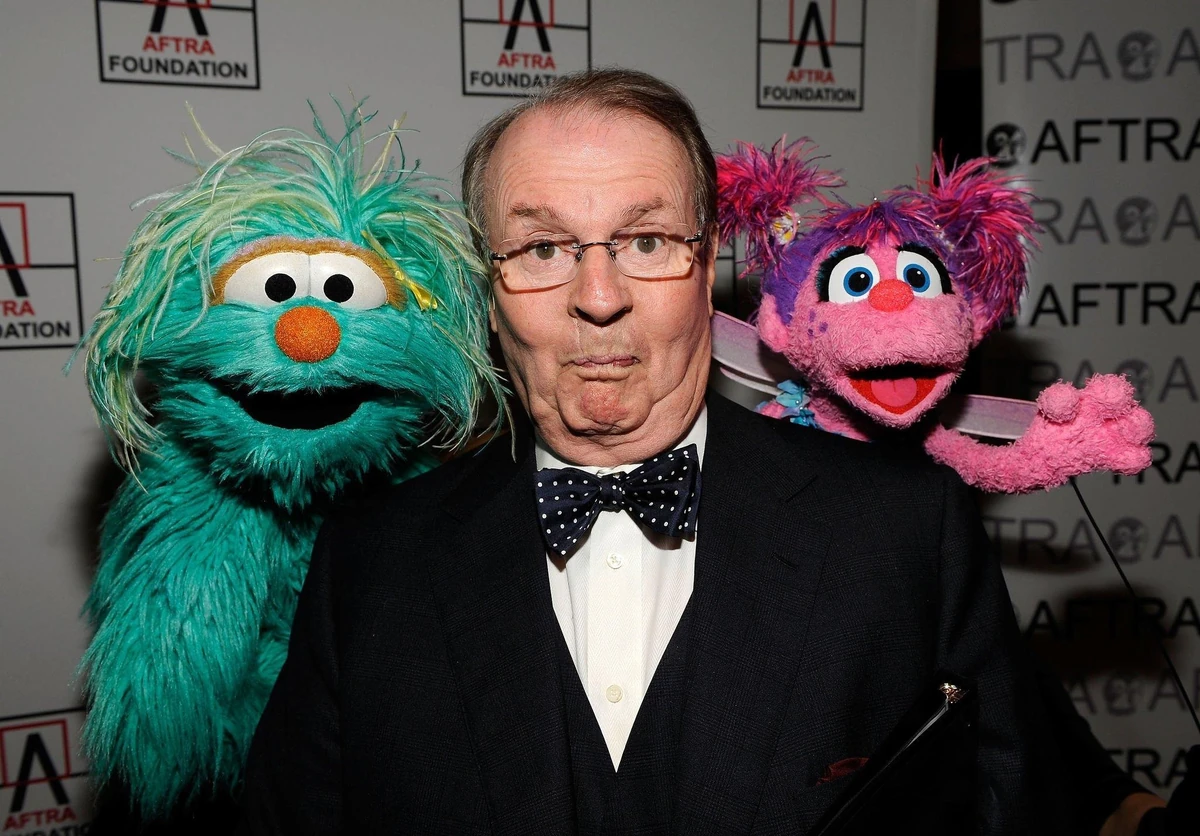
Under Osgood's stewardship, Sunday Morning emphasized fine arts, music, literature, history, craftsmanship, and nature commentary. Osgood frequently performed musical interludes on the piano in the studio, interviewed world-class artists, and wore his signature bow ties, which became his television hallmark. When he retired from the program in September 2016 at the age of 83, he passed the baton to Jane Pauley, leaving behind a program that remained a beloved ratings leader in morning television.
Analysis of Osgood’s Broadcasting Style and Philosophy
Charles Osgood’s broadcast philosophy departed sharply from conventional broadcast journalism of the late 20th century. Where mainstream network news often relied on authoritative solemnity and urgent pacing, Osgood championed conversational warmth, rhythmic cadence, and measured observation.
Key Elements of the Osgood Broadcast Model
- Rhythmic and Poetic Writing: Osgood treated broadcast scriptwriting as an auditory art. He prioritized cadence, brevity, and internal rhyme, understanding that listener retention on radio and television depended on sound harmony as much as factual clarity.
- Whimsy as an Analytical Tool: Rather than treating light stories as trivial, Osgood used humor and curiosity to highlight universal human experiences, framing everyday occurrences alongside major historical developments.
- Musical Integration: A pianist and songwriter, Osgood viewed broadcast programming through a musical lens. His pacing reflected musical phrasing, incorporating deliberate pauses, soft transitions, and live musical accompaniment when appropriate.
- Relatability and Authenticity: Osgood avoided pretense. His understated demeanor created an intimate relationship with audiences, making viewers and listeners feel as though they were engaged in a conversation with a knowledgeable friend rather than listening to a lecture.
Key Milestones in the Career of Charles Osgood
The following table outlines the major eras, programs, roles, and institutional contributions of Charles Osgood across his broadcast career:
| Era / Timeline | Institution / Network | Principal Role / Title | Program / Focus | Historical Impact & Key Features |
|---|---|---|---|---|
| 1954–1955 | WGMS Radio (Washington, D.C.) | Classical Music Announcer | Station Programming | Early professional exposure to audio production and classical programming. |
| 1955–1959 | United States Navy Band | Master of Ceremonies / Announcer | Official Band Performances | Developed public speaking confidence and integrated live musical performance with emceeing. |
| 1967–1971 | WCBS Newsradio (New York) | Morning Anchor / Reporter | Local Hard News & Features | Established presence in major-market radio news following station's transition to all-news format. |
| 1971–2017 | CBS Radio Network | Writer, Creator & Host | The Osgood File | 46-year syndicated daily commentary feature known for verse, wit, and "See you on the radio" sign-off. |
| 1981–1994 | CBS News (Television) | Anchor & Correspondent | CBS Morning News, CBS Evening News | Served as backup anchor for Dan Rather and co-anchored morning news broadcasts. |
| 1994–2016 | CBS News (Television) | Anchor | CBS News Sunday Morning | 22-year tenure leading the award-winning magazine show; expanded audience while preserving its thoughtful format. |
Awards, Honors, and Industry Recognition
Throughout his long career, Charles Osgood received widespread recognition from peers, academic institutions, and industry associations.
- Peabody Awards: Osgood earned three Peabody Awards. In 1997, CBS News Sunday Morning was honored for its consistent quality, and Osgood received individual recognition for his personal contributions to broadcasting excellence.
- Emmy Awards: Osgood won multiple Emmy Awards, culminating in the National Academy of Television Arts & Sciences Lifetime Achievement Emmy in 2017.
- Hall of Fame Inductions: He was inducted into the National Radio Hall of Fame in 1990 and the National Association of Broadcasters (NAB) Broadcasting Hall of Fame for both radio and television.
- Paul White Award: In 2005, the Radio Television Digital News Association (RTDNA) presented Osgood with the Paul White Award, its highest career achievement honor for contributions to electronic journalism.
Final Years, Passing, and Legacy
Following his retirement from CBS News Sunday Morning in 2016 and The Osgood File in 2017, Osgood lived quietly with his family in Saddle River, New Jersey.
Charles Osgood passed away on January 23, 2024, at the age of 91. His passing drew widespread tributes from across the journalism and media industries, with colleagues praising his literary craftsmanship, musicality, and gentle kindness in an increasingly adversarial media landscape.
Osgood’s enduring legacy rests on his proof that network broadcasting does not require artificial urgency or sensationalism to capture a broad national audience. By prioritizing thoughtful writing, civility, and artistic curiosity, he built a half-century career that reshaped how Americans started their weekday mornings and spent their Sunday routines.
Frequently Asked Questions
What was Charles Osgood's signature sign-off phrase?
Charles Osgood was famous for his radio sign-off, "I'll see you on the radio," which he used to close his daily The Osgood File broadcasts for decades.
How long did Charles Osgood host CBS News Sunday Morning?
Charles Osgood hosted CBS News Sunday Morning for 22 years, taking over from founding host Charles Kuralt in 1994 and hosting until his retirement from the show in September 2016.
Why was Charles Osgood known as the "Poet-in-Residence" at CBS?
Osgood frequently wrote his news commentaries and features in light, rhyming verse. This unique literary approach to storytelling on both radio and television earned him the nickname among colleagues and viewers.
Who replaced Charles Osgood on CBS News Sunday Morning?
Upon Charles Osgood’s retirement in September 2016, veteran journalist Jane Pauley was selected as the new anchor of CBS News Sunday Morning.
What instruments did Charles Osgood play on air?
Osgood was an accomplished musician who played both the piano and the banjo. He frequently incorporated live piano performances into CBS News Sunday Morning broadcasts and special musical features.
Final Reflection on Broadcast Excellence
For modern media consumers and aspiring journalists, Charles Osgood’s career offers a compelling case study in the power of distinctive personal voice and refined writing. In an era dominated by rapid news cycles and high-tempo formatting, Osgood demonstrated that warmth, literacy, and quiet reflection remain among the most effective tools in broadcast media. Broadcasters looking to build lasting connections with audiences can learn much from Osgood's commitment to storytelling integrity, clear cadence, and respect for the listener's intelligence.
Image Gallery