Why the Prince on New Girl Episode Matters in Television History
The New Girl episode featuring Prince, titled simply "Prince" (Season 3, Episode 14), serves as a rare cultural touchstone that bridged the gap between scripted sitcom escapism and authentic musical iconography. By placing the legendar...
The New Girl episode featuring Prince, titled simply "Prince" (Season 3, Episode 14), serves as a rare cultural touchstone that bridged the gap between scripted sitcom escapism and authentic musical iconography. By placing the legendary artist in a domestic setting, the episode solidified the show’s identity as a platform for unconventional celebrity cameos while honoring Prince’s genuine passion for the series.
Contents
The Context of the Cameo
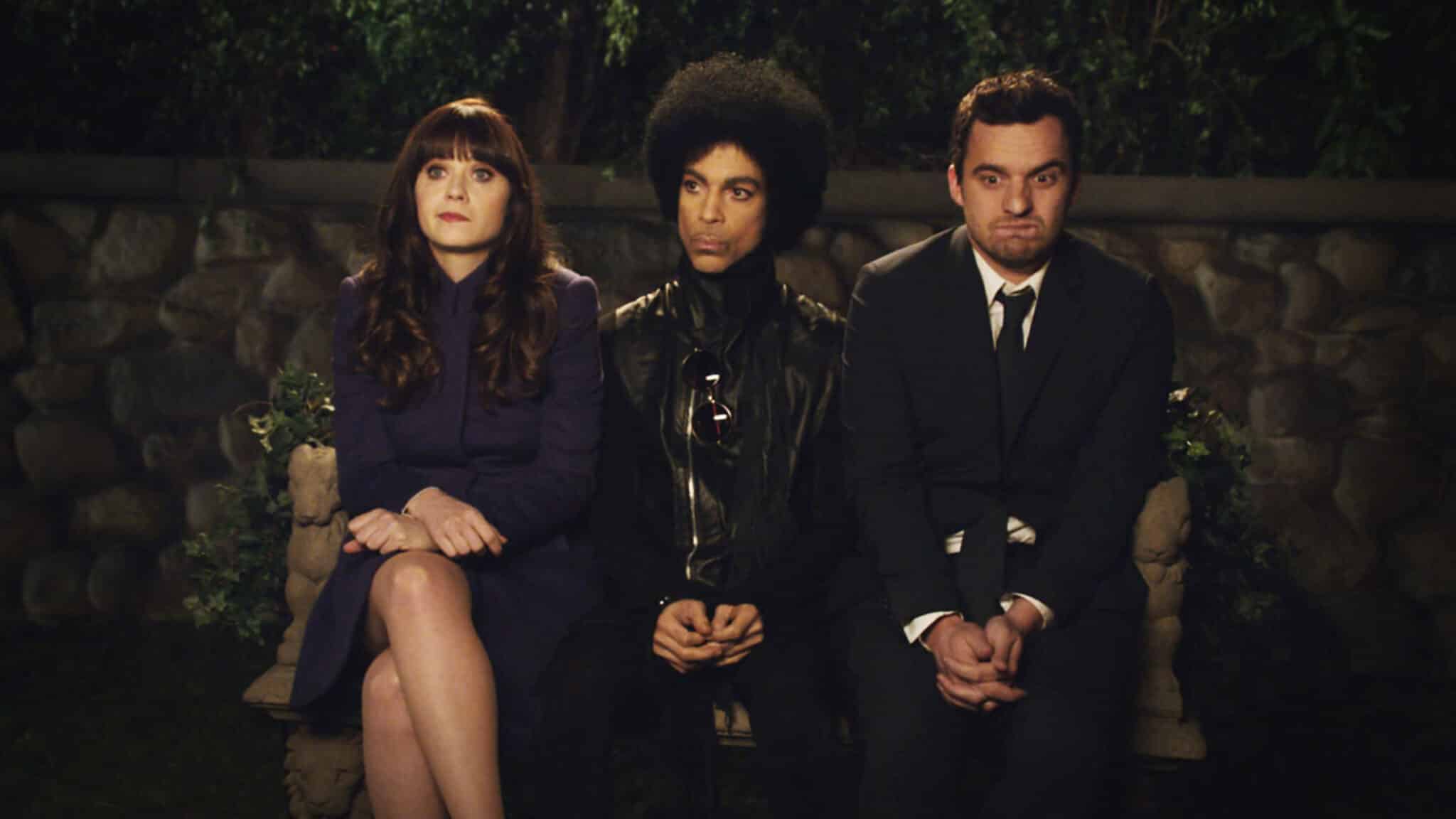
To understand why this specific episode matters, one must look at the landscape of television in 2014. Guest stars in sitcoms typically played caricatures of themselves or secondary characters designed to serve the protagonists' storylines. Prince’s appearance was fundamentally different. As the story goes, the episode materialized because Prince was a legitimate fan of the series. Upon learning that Jess (Zooey Deschanel) and Nick (Jake Johnson) were the show’s central "will-they-won't-they" couple, he reportedly expressed a desire to guest star to help facilitate their development.
This was not a corporate-mandated PR stunt. It was a creative collaboration driven by the artist's own whims. In an industry where guest appearances are often negotiated through layers of agents and marketing departments, Prince’s direct intervention signaled a level of cultural prestige for New Girl. It transformed the show from a popular ensemble comedy into a venue worthy of a reclusive musical genius.
The Role of the "Mentor" Archetype
Within the narrative, Prince does not merely appear as a prop; he functions as a catalyst for emotional growth. By hosting Jess and Nick at his home, Prince acts as a surrogate mentor. He dispenses relationship advice that pushes the characters toward a crucial turning point in their romantic arc.
This is a significant departure from how celebrities are usually treated in television. Instead of the characters acting like star-struck fans, the writing team placed Prince in a role of authority and wisdom. He becomes a conduit for self-reflection for the main cast. This approach managed to humanize a larger-than-life figure while simultaneously elevating the stakes of the fictional relationship. For the audience, this provided a sense of legitimacy: if Prince takes the relationship of these characters seriously, the audience is compelled to do the same.
A Masterclass in Tone Management
Balancing the absurdity of a multi-millionaire rock star throwing a party in a suburban home with the grounded, neurotic humor of the loft roommates required extreme precision. The "Prince" episode is frequently cited by critics and fans alike as a high-water mark for the series because it didn't break the show’s reality to accommodate the guest.
The episode succeeded by leaning into the surrealism. By allowing the characters to react with genuine, grounded confusion rather than mere celebrity worship, the show maintained its internal logic. The scene involving Jess’s transformation for the party and the eventual musical performance serves as the centerpiece of this tonal mastery. It allowed the show to play with the fantasy of being in Prince’s inner circle while keeping the emotional heart of the episode focused on the protagonists’ insecurities.
Comparison of Notable Sitcom Cameos
The impact of this episode becomes clearer when comparing it to other high-profile sitcom cameos of that era. The following table highlights why the Prince appearance remains distinct from other standard celebrity spots.
| Feature | Standard Sitcom Cameo | The Prince Cameo |
|---|---|---|
| Origin | Marketing/Network synergy | Organic fan interest |
| Character Role | Self-parody or minor role | Catalyst/Narrative guide |
| Narrative Impact | Low (Filler content) | High (Turning point for leads) |
| Integration | Distracting from plot | Enhancing the emotional core |
Cultural Legacy and the "Prince Effect"
Beyond the narrative, the episode carries a weight of historical poignancy. Following Prince’s passing in 2016, "Prince" became an archival record of the artist at ease, engaging in the creative process outside of his usual musical sphere. It captured a moment of his life where he was simply enjoying the medium of television.
For the show, the episode became a "calling card." It signaled that New Girl had reached a level of cultural saturation where it could attract the most guarded celebrities in the world. This perception helped the show survive for several more seasons, maintaining its relevance in an increasingly fragmented streaming landscape. It set a standard for "event television" that other ensemble sitcoms struggled to replicate without feeling forced.
Common Misconceptions
A recurring question among viewers involves the authenticity of the performance. Some assume the musical numbers were heavily produced post-production tricks. However, the production notes confirm that the performance of "Don't You (Forget About Me)" was recorded with the intent of capturing the live environment of the set.
Another misconception is that the episode was a desperate attempt to boost ratings. While ratings are always a factor in network television, the timing of the episode—scheduled immediately following the Super Bowl in 2014—was a massive vote of confidence from Fox. It was designed to pull in the widest possible audience, and the fact that they chose to showcase a narrative-driven story involving an organic celebrity appearance rather than a "clip show" or a generic comedy special is a testament to the creators' confidence in their writing.
Frequently Asked Questions
1. Was Prince actually a fan of the show? Yes. Several members of the New Girl cast and crew confirmed that Prince reached out to them because he personally watched the series and was invested in the Jess and Nick storyline.
2. Why was the episode aired after the Super Bowl? The post-Super Bowl slot is the most coveted position in American television. The network aired this episode because they believed it had the star power and the narrative quality to attract millions of casual viewers, acting as a "bridge" to capture the Super Bowl audience for the sitcom.
3. Did the cameo change the show’s trajectory? The cameo did not fundamentally alter the premise of the show, but it acted as a major validation for the writers and the cast. It proved that the show could successfully incorporate high-concept elements without losing its grounded, character-driven roots.
4. Is the music performed in the episode exclusive? The musical segments, specifically the rendition of "Don't You (Forget About Me)," were unique to the episode, showcasing Prince's ability to interpret classic pop standards through his own stylistic lens, which added to the cultural value of the broadcast.
5. How did the cast react to his presence? In retrospective interviews, the cast described Prince as being incredibly professional, soft-spoken, and deeply involved in the creative direction of his scenes. He reportedly spent significant time on set, not just for his own takes, but observing the entire production process.
Recommendation for Viewers
If you are re-watching New Girl to understand the evolution of the series, approach this episode not as a celebrity gimmick, but as a narrative hinge. Pay attention to how the dialogue between Prince and Jess mirrors the struggles Jess has experienced with Nick throughout the first three seasons. It remains a rare example of a television show successfully integrating an icon without allowing the icon to overshadow the story. For those interested in the craft of television writing, this episode serves as a primary case study in how to manage high-stakes external pressure while maintaining the integrity of a fictional world.
Image Gallery