Navigating Anonibs Pennsylvania: Digital Privacy, Online Communities, and Regional Access
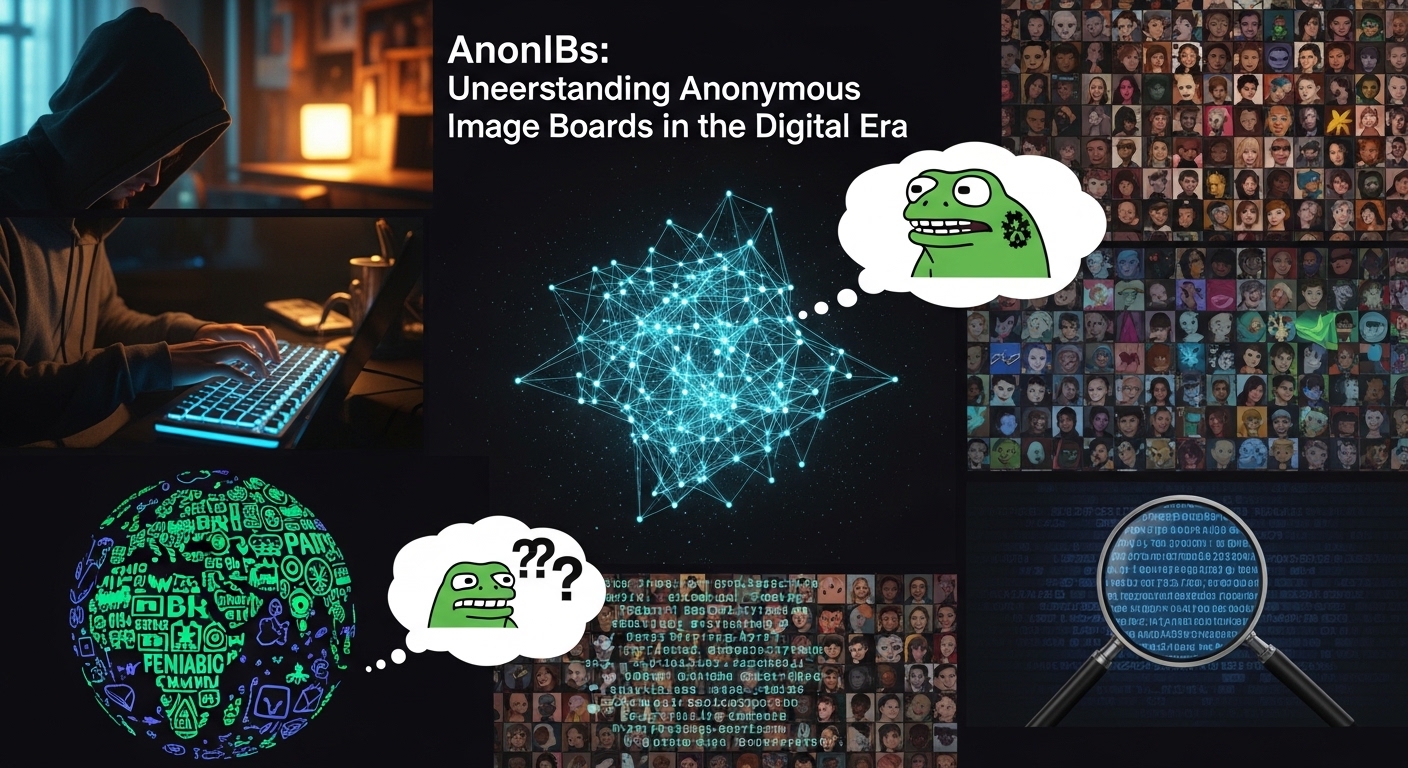
Anonibs serves as a specialized online platform and imageboard environment utilized by users seeking anonymous discussion channels. Within Pennsylvania, participants often interact with such platforms via local network nodes or privacy...
Anonibs serves as a specialized online platform and imageboard environment utilized by users seeking anonymous discussion channels. Within Pennsylvania, participants often interact with such platforms via local network nodes or privacy-focused browsers to engage in niche community topics while navigating the evolving landscape of digital privacy standards and state-level internet governance policies.
Contents
Understanding the Anonibs Ecosystem and Platform Architecture
The architecture of Anonibs relies on imageboard mechanics popularized in the early 2000s, prioritizing ephemeral content, pseudonymity, and decentralized user bases. Unlike traditional social media networks built around persistent user profiles, real-name verification, and algorithmic feeds, platforms like Anonibs operate on thread-based lifecycles where posts naturally archive or vanish based on activity volume.
For users connecting from Pennsylvania, accessing these boards requires understanding how web infrastructure interacts with local Internet Service Providers (ISPs). Most standard traffic routes through major regional carriers such as Comcast Xfinity, Verizon Fios, or Armstrong, all of which maintain standard logs subject to federal telecommunications regulations. Consequently, individuals prioritizing operational security frequently integrate supplemental privacy layers—such as Virtual Private Networks (VPNs) or the Tor network—to obscure their IP addresses while browsing or contributing to these distributed message boards.
Digital Privacy Frameworks and State-Level Regulations in Pennsylvania
Navigating anonymous imageboards from the Commonwealth of Pennsylvania involves a careful balancing act between personal digital privacy rights and adherence to state and federal legal parameters. While the United States Constitution provides broad protections for anonymous speech under the First Amendment, these protections are not absolute and do not shield users from liability regarding unlawful content distribution, harassment, or threats.
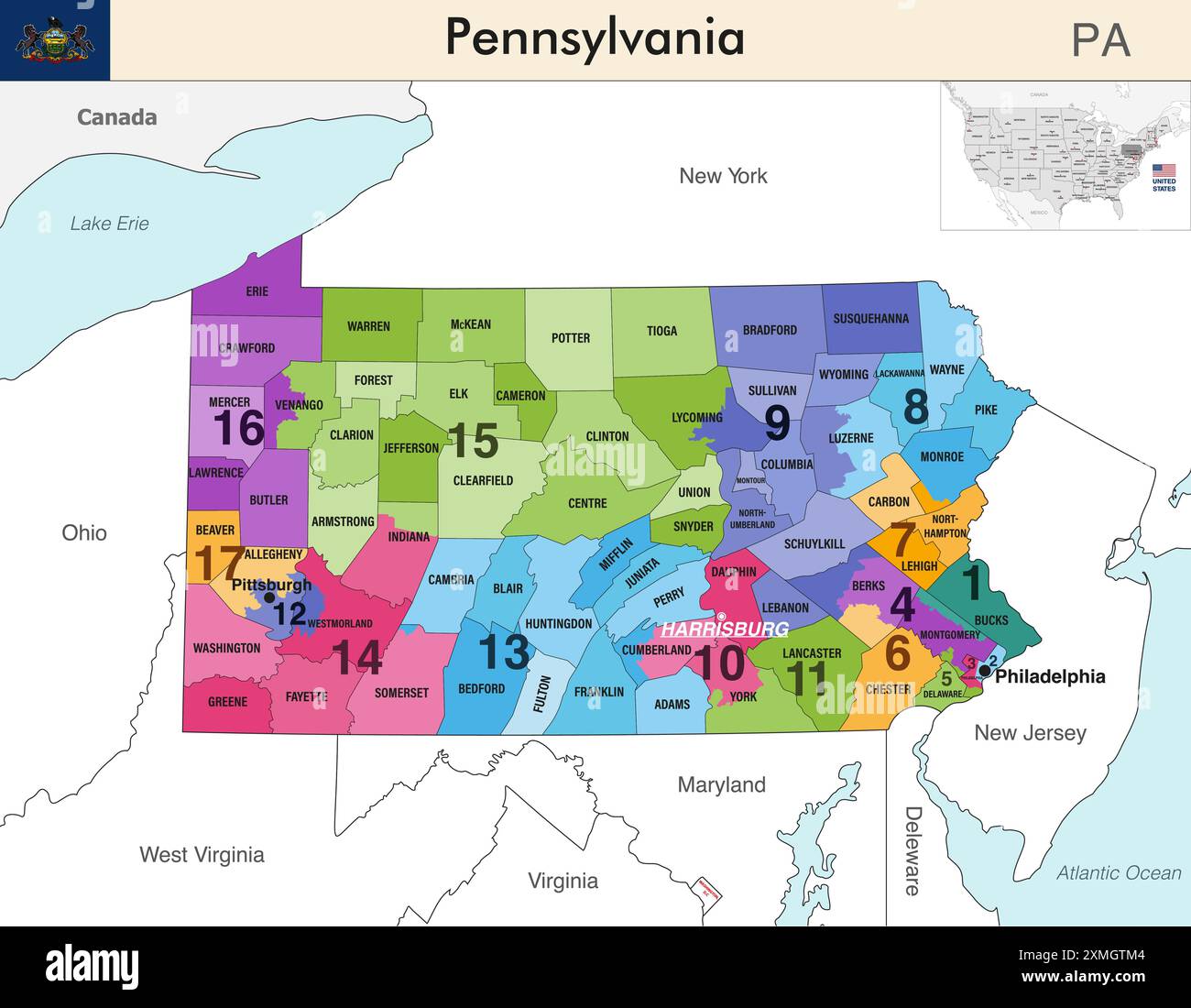
Pennsylvania does not currently possess a comprehensive state-level consumer privacy statute comparable to the California Consumer Privacy Act (CCPA) or Virginia's CDPA, though various legislative proposals continually move through the General Assembly. State cybercrime statutes strictly penalize unauthorized computer access, cyberstalking, and the dissemination of non-consensual media. Users engaging with Anonibs from Philadelphia, Pittsburgh, Allentown, or rural Pennsylvania municipalities must remain acutely aware that ISP data retention policies and subpoena compliance frameworks apply uniformly across all state jurisdictions.
| Privacy Tool | Operational Mechanism | Pennsylvania ISP Visibility | Primary Security Trade-Off |
|---|---|---|---|
| Standard Direct Connection | Connects user directly to web host via ISP routing. | Full visibility of destination domains and connection timestamps. | Zero anonymity; IP address exposes geographic location. |
| Commercial VPN Service | Routes encrypted traffic through a remote third-party server. | ISP only sees encrypted connection to the VPN gateway. | Relies on the logging policy and trustworthiness of the VPN provider. |
| Tor Browser Network | Bounces encrypted traffic across three global relay nodes. | ISP only detects entry node connection (looks like Tor traffic). | Significantly reduced browsing speeds and potential blocklists on web hosts. |
Comparative Analysis of Anonymous Forums Versus Mainstream Social Media
Evaluating Anonibs against mainstream social media ecosystems highlights fundamental differences in data handling, user culture, and content moderation. While platforms like Meta, X (formerly Twitter), and Reddit monetize user data through targeted behavioral advertising, imageboards typically operate on minimal monetization models, often relying on direct donations or basic banner advertising without tracking individual browsing histories.
However, the lack of robust algorithmic moderation on platforms like Anonibs shifts the burden of content filtering entirely onto manual board administrators and community-driven reporting mechanisms. This decentralized approach creates a distinct operational environment that contrasts sharply with corporate social media networks.
- Data Collection: Mainstream platforms aggregate extensive telemetry, device fingerprints, and demographic data. Anonymous imageboards generally store minimal persistent metadata beyond temporary IP logs necessary for basic server maintenance.
- Content Persistence: Mainstream networks curate permanent, searchable archives of user history. Imageboard threads utilize automatic pruning algorithms that purge inactive content to conserve server storage.
- Moderation Models: Corporate platforms deploy automated AI filters, legal compliance teams, and centralized policy enforcers. Imageboards rely on decentralized janitorial staff and global moderators with localized rule sets per board category.
- User Identification: Corporate networks mandate email verification, phone numbers, and identity linking. Imageboards permit complete anonymity without requiring account registration or password credentials.
Technical Troubleshooting and Common Access Hurdles
Users attempting to access Anonibs or similar text-and-image-based discussion boards from Pennsylvania networks occasionally encounter connection failures, DNS resolution errors, or explicit ISP-level blocks. Resolving these hurdles requires a methodical approach to network diagnostics and browser configuration.
- Verify DNS Resolution: Ensure your device utilizes a reliable, privacy-respecting Domain Name System provider (such as Cloudflare's 1.1.1.1 or Quad9's 9.9.9.9) to bypass default ISP DNS filtering that may erroneously flag alternative imageboard domains.
- Clear Browser Cache and Cookies: Outdated SSL certificates or corrupted local storage can prevent secure handshakes with independent web servers. Perform a hard refresh or clear site-specific data.
- Inspect Gateway Security Settings: Enterprise networks, university Wi-Fi systems (such as Penn State, Pitt, or Temple networks), and public municipal hotspots frequently deploy deep packet inspection (DPI) to block traffic directed toward unverified imageboards. Switching to a secure mobile data connection or personal home network typically resolves localized network blocks.
- Evaluate TLS/SSL Handshake Errors: If the browser reports an invalid security certificate, refrain from overriding the warning, as outdated mirror domains or phishing clones frequently mimic legitimate niche discussion portals.
Frequently Asked Questions Regarding Anonymous Imageboards
Is accessing Anonibs from Pennsylvania legal?
Yes, browsing and participating in anonymous discussion boards is entirely legal under free speech protections, provided users do not violate state or federal laws regarding illegal content, harassment, or copyright infringement.
Do Pennsylvania internet providers monitor imageboard traffic?
Pennsylvania ISPs monitor network traffic packets in accordance with federal telecommunications standards, meaning they log the domains you visit and connection timestamps, though the specific content of encrypted HTTPS traffic remains hidden.
Why do some Pennsylvania network connections fail to load imageboard domains?
Educational institutions, corporate networks, and certain regional ISPs implement web filters that block unmoderated imageboard domains to preserve bandwidth and enforce institutional acceptable use policies.
Can law enforcement track activity on anonymous imageboards?
While platforms minimize identifying data collection, advanced digital forensics, compromised operational security, subpoenaed ISP connection logs, and compromised IP addresses can deanonymize users involved in illicit online activities.
How do users maintain privacy while browsing regional forums?
Users employ hardened browsers, reputable Virtual Private Networks, and privacy-focused search engines to minimize digital footprints and protect personal telemetry from third-party tracking.
Securing Your Digital Footprint Responsibly
Engaging with independent online communities requires a disciplined approach to cybersecurity and personal data hygiene. Always verify the authenticity of web portals, avoid sharing personally identifiable information (PII) on public boards, and utilize modern cryptographic tools to safeguard your connection against unwarranted surveillance or data harvesting.
Image Gallery