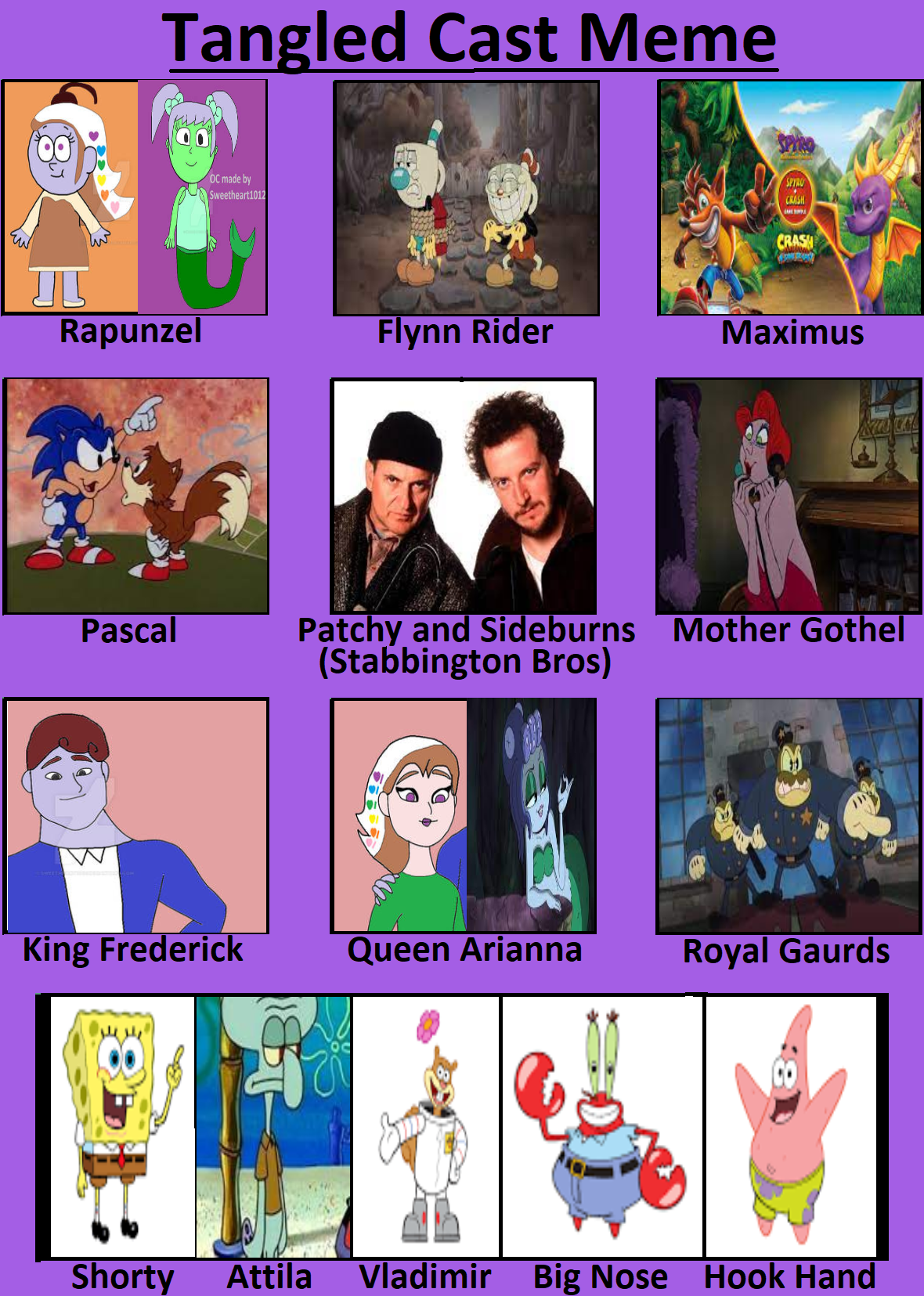
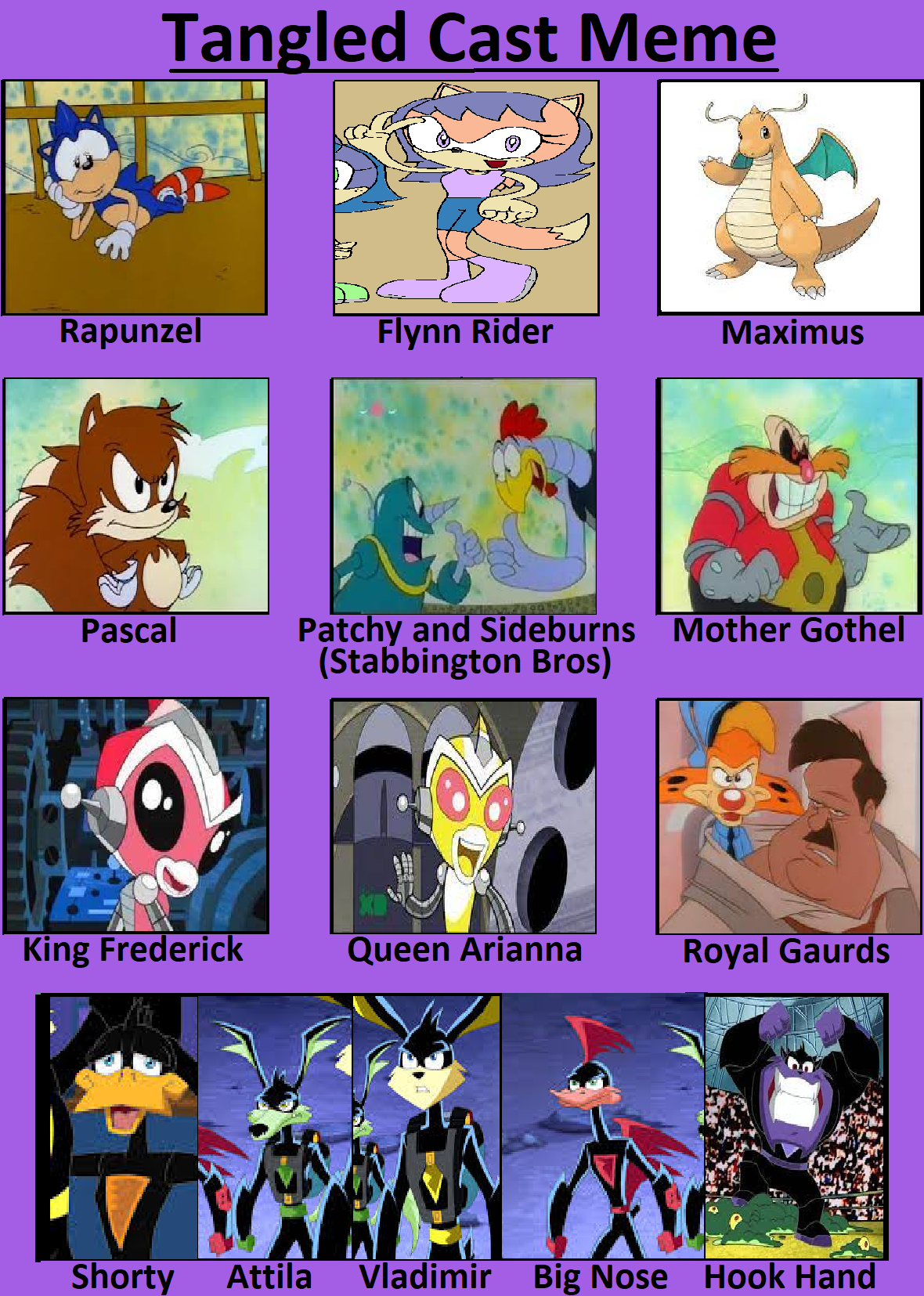
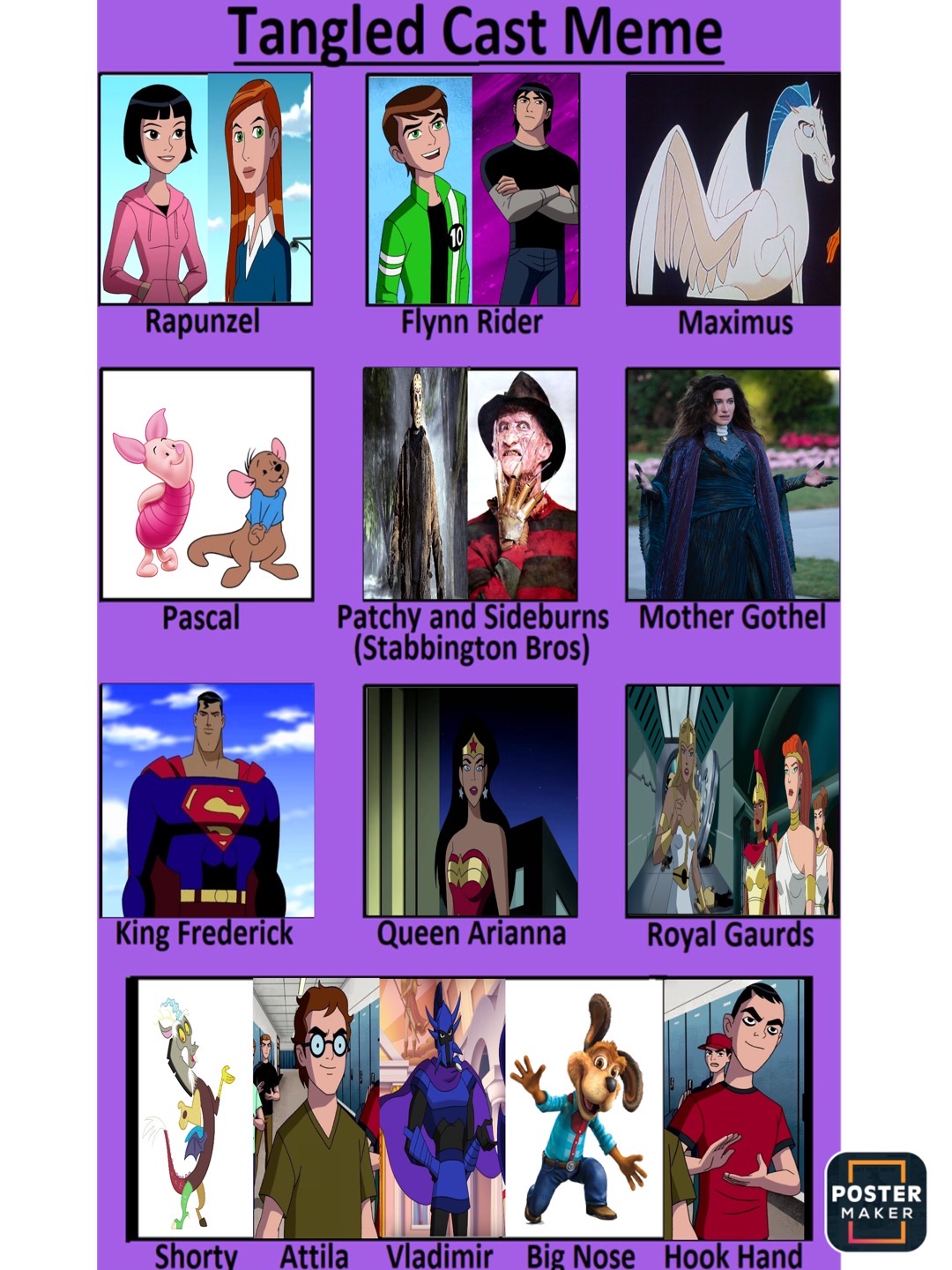
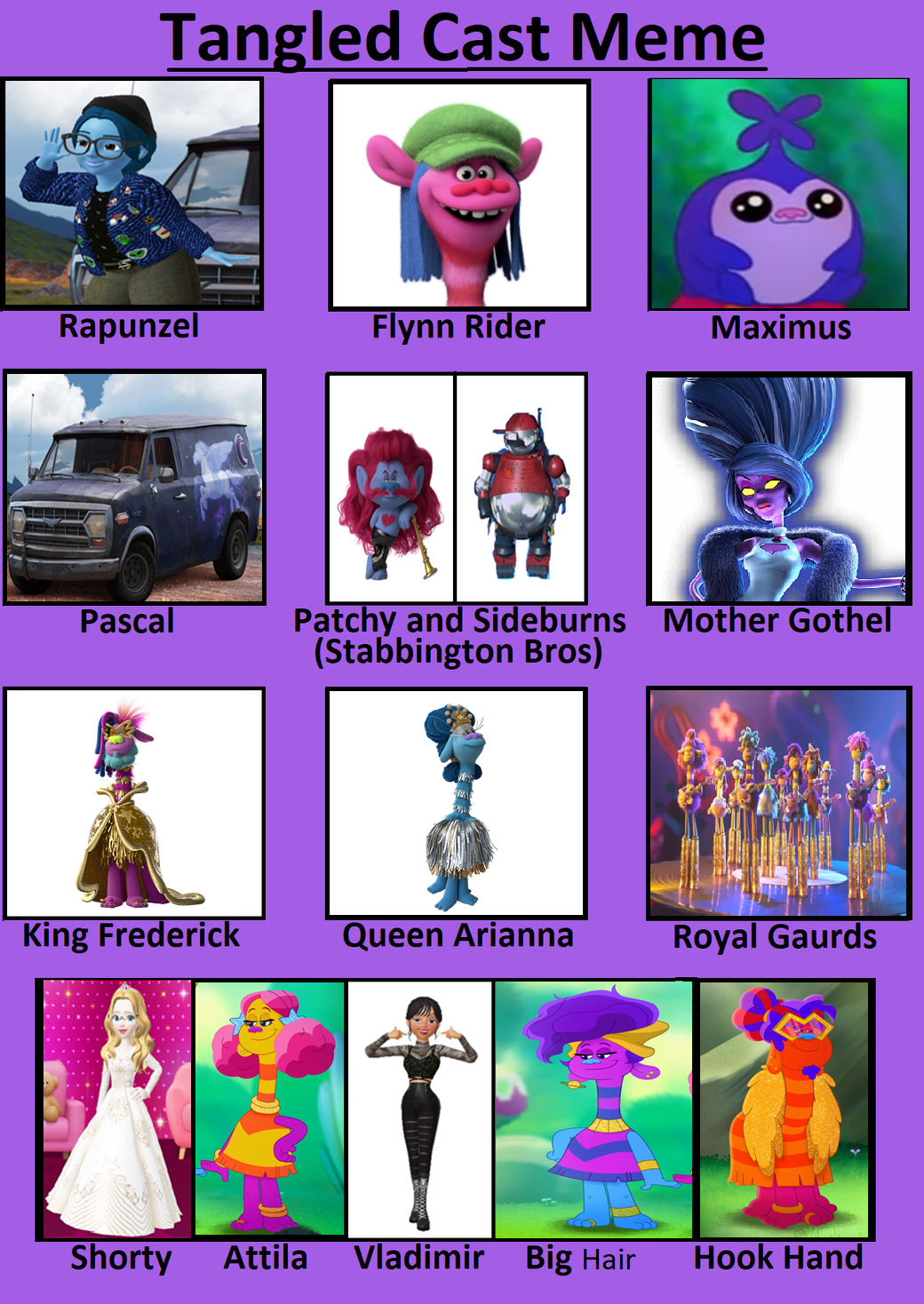
The Tangled Cast Meme and Its Shifting Meanings in Digital Discourse
The "Tangled cast meme" refers to a recurring visual format in digital fandoms where the character ensemble from the 2010 Disney film Tangled is used to map, compare, or lampoon the dynamics of other groups, narratives, or real-world s...
The "Tangled cast meme" refers to a recurring visual format in digital fandoms where the character ensemble from the 2010 Disney film Tangled is used to map, compare, or lampoon the dynamics of other groups, narratives, or real-world social circles. Its shifting meanings reflect the meme’s evolution from a simple character-type association tool into a complex semiotic device used to categorize personality archetypes, power imbalances, and narrative tropes across disparate media franchises and social contexts.
Contents
The Origins of the Tangled Cast Meme
To understand the meme, one must first identify the archetypes established by the film's primary cast. The core of the meme relies on the audience’s familiarity with specific character traits: Rapunzel’s optimistic naivety, Flynn Rider’s cynical pragmatism, Maximus’s rigid sense of duty, Pascal’s silent loyalty, and Mother Gothel’s manipulative narcissism.
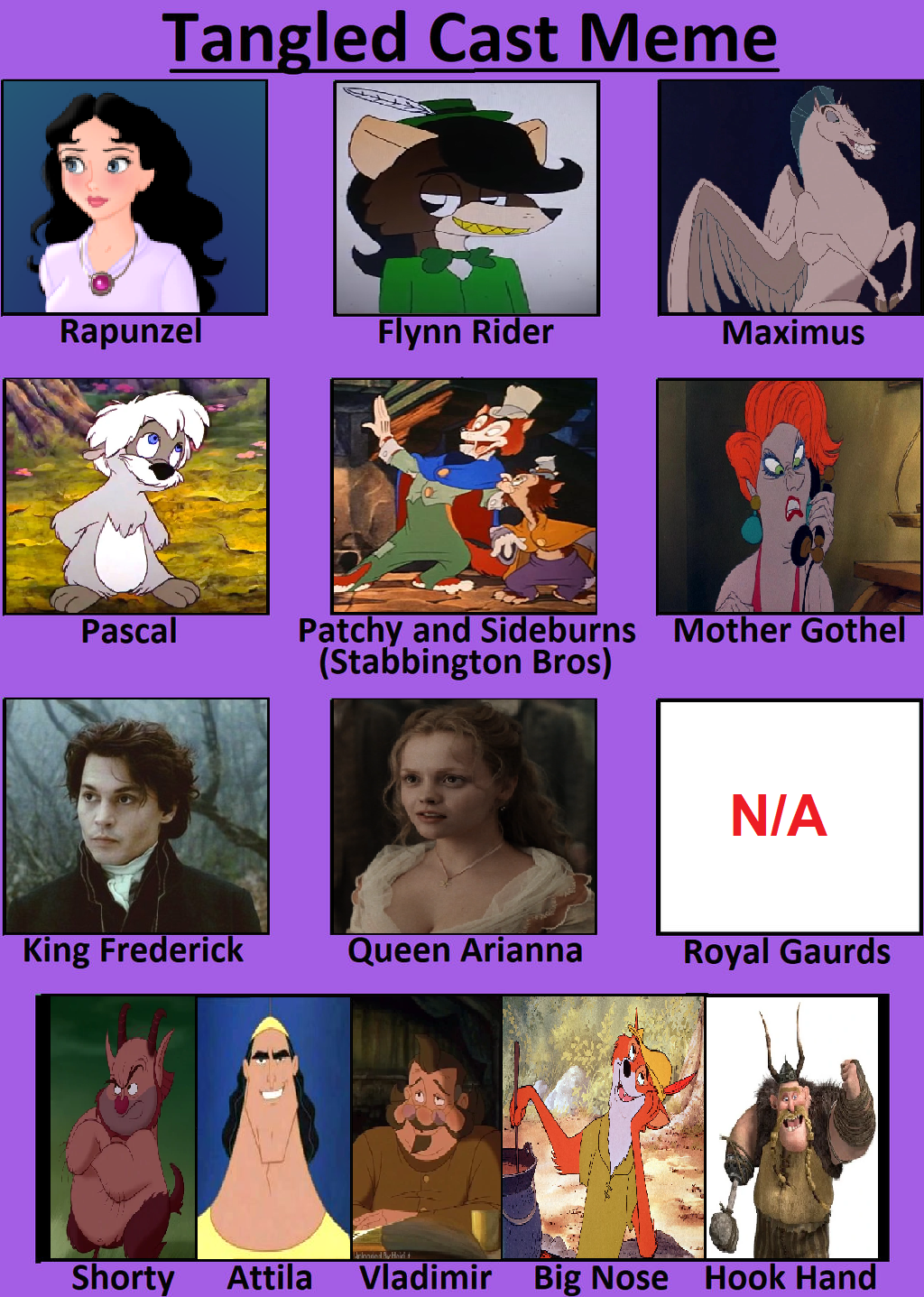
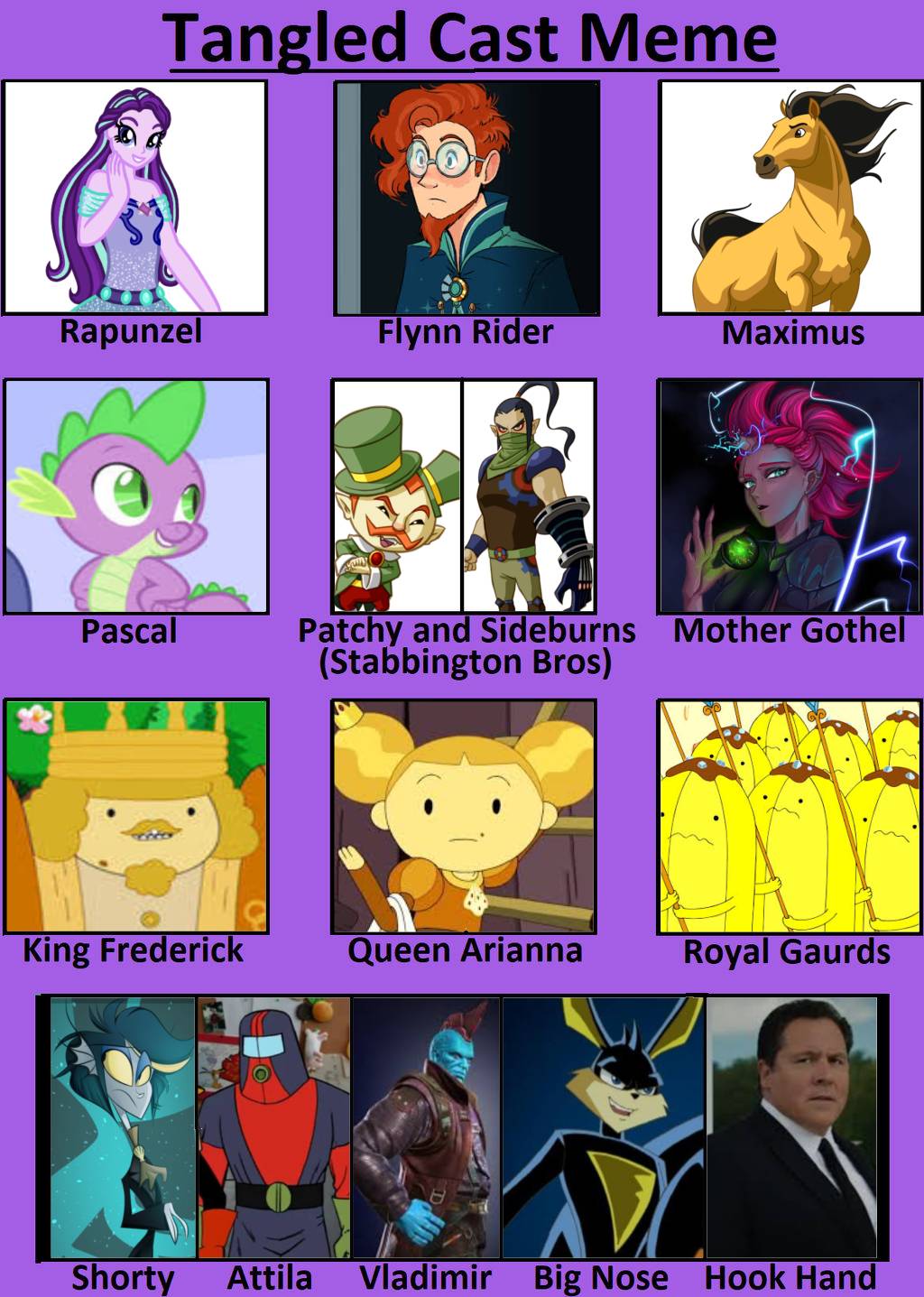
Initially, the meme emerged within the Disney fandom as a way to "recast" other films or television series. Users would create side-by-side comparisons, placing characters from a target franchise into these specific roles. For instance, in a Star Wars iteration, Luke Skywalker might occupy the Rapunzel slot for his journey of discovery, while a character like Han Solo would naturally slide into the Flynn Rider archetype. These early iterations were largely additive, serving as a form of fan art that celebrated character parallels.
The Shift Toward Abstract Categorization
As the meme matured beyond 2020, its meaning shifted from simple recasting to a diagnostic tool for group dynamics. The "Tangled cast" began to function as a shorthand for social psychology within fictional narratives. Creators began using the character set to analyze the "vibes" of a friend group, a professional team, or an ensemble cast in a serialized drama.
The shift is defined by the move from character-to-character mapping to role-to-role mapping. In this framework, the specific identities of Rapunzel or Flynn are less important than what they represent:
- The Protagonist (Rapunzel): The catalyst for the plot who is often sheltered or unaware of their true potential.
- The Rogue (Flynn Rider): The cynical outsider who provides street-level reality checks to the protagonist.
- The Enforcer (Maximus): An entity or character that pursues the protagonist with unwavering, often humorous, persistence.
- The Manipulator (Mother Gothel): The character who controls the protagonist’s environment under the guise of protection.
This abstraction allowed the meme to leap from Disney-specific forums to general internet culture, where it is now frequently used to comment on the interpersonal architecture of everything from workplace office politics to geopolitical rivalries.
Technical Analysis of Meme Evolution
The lifespan of the Tangled cast meme follows the standard trajectory of high-engagement internet phenomena. It began in the "recognition" phase, where the humor was derived purely from recognizing the Tangled characters. It then moved into the "utility" phase, where the format became a template for expression.
Comparative Framework of the Tangled Cast Template
| Archetype | Primary Trait | Typical Motivation | Narrative Role |
|---|---|---|---|
| Rapunzel | Idealistic | Self-Discovery | The focal point of change |
| Flynn Rider | Pragmatic | Personal Gain / Growth | The bridge between worlds |
| Maximus | Disciplined | Objective Pursuit | The persistent obstacle |
| Mother Gothel | Gaslighting | Control / Preservation | The primary antagonist |
| Pascal | Silent | Emotional Support | The anchor for the protagonist |
This table illustrates why the template is so effective: it covers the fundamental requirements of a dramatic narrative. Because Tangled relies on established fairy-tale tropes, the Tangled cast meme is essentially a "trope-map" that is easily recognizable to a broad, non-technical audience.
Challenges in Interpretation and Contextual Drift
A major point of confusion for those engaging with the meme in 2026 is the "contextual drift." Because the meme is now used to analyze unrelated entities, users frequently disagree on who fits which role. The shifting nature of the meme often leads to meta-commentary, where a user will post a "Tangled cast" analysis only for the comments section to debate the characterization of the individuals chosen.
This creates a secondary layer of engagement. The "correctness" of the casting becomes the focus of the post rather than the content itself. This "correction cycle" keeps the meme relevant in algorithms, as engagement is driven by debate. When a user presents a group—such as a political party or a professional sports team—and assigns them to the Tangled roles, the ambiguity regarding who occupies the "Mother Gothel" (the manipulator) position or the "Maximus" (the relentless enforcer) position inevitably drives user interaction.
Practical Application: Using the Template Effectively
If you are looking to utilize the Tangled cast meme to analyze a specific group or narrative, follow this structured approach to ensure the meme lands effectively:
- Define the Scope: Are you mapping a fictional series, a company, or a social circle? Ensure your audience is familiar with the group, otherwise, the archetypes will fail to resonate.
- Prioritize the Anchor: Always start with the most obvious archetype. In almost every group, there is one person who acts as the "Mother Gothel" (the controlling element) or the "Pascal" (the quiet, loyal supporter). Use them as your anchor.
- Avoid Over-Mapping: You do not need to fill every role. A meme that focuses on only three of the five archetypes is often more effective and less cluttered than one that forces characters into slots where they do not belong.
- Consider the Medium: The meme is primarily visual. Ensure the imagery used to represent the Tangled characters is recognizable—either by using screenshots from the 2010 film or high-quality fan art that emphasizes the iconic visual shorthand (e.g., Rapunzel’s hair, Flynn’s smirk).
FAQ: Understanding the Tangled Cast Meme
Why is the Tangled cast meme still relevant after so many years? The meme relies on archetypes that are foundational to Western storytelling. Because these roles (the dreamer, the rogue, the enforcer) are universal, the template remains a functional tool for social commentary regardless of how much time passes.
Is it necessary to have seen the movie Tangled to understand the meme? While helpful, it is not strictly necessary. The meme has become so culturally pervasive that even those who haven't seen the film recognize the "archetypal shorthand" (e.g., the "bad guy" as the manipulative, older figure).
Why do people debate the "correct" assignment of characters? Debate arises because the meme is subjective. Assigning a person or character to a Tangled role is an act of interpretation; as such, observers often have different perspectives on a character's motivations, leading to natural, often spirited, disagreement.
Can this meme be used for professional or corporate analysis? It can be used in a lighthearted, internal context. However, because the roles include negative archetypes like "The Manipulator" (Mother Gothel), it should be used with caution to avoid offending team members or creating a hostile environment.
What is the best way to keep the meme feeling fresh? The best way to iterate is to apply the Tangled roles to extremely niche or highly specific subjects. The contrast between a lighthearted Disney film and a heavy, serious topic is where the humor and the analytical power of the meme often intersect.
Next Actions
To successfully implement or analyze the Tangled cast meme, start by selecting a subject you understand intimately—a favorite television show or a specific project team. Identify the "Rapunzel" figure (the heart of the group) and the "Mother Gothel" figure (the controlling interest). Use these as your anchor points and build outward. If you find yourself struggling to categorize someone, it is a sign that your subject may not fit this specific archetypal framework, and it may be better to abandon the template rather than forcing a fit.
Image Gallery