The Costliest Chocolate in the World and Why It Costs So Much
The costliest chocolate in the world can command thousands of dollars per pound due to a rare convergence of ultra-exclusive ingredients, artisanal craftsmanship, bespoke packaging featuring precious metals and gemstones, and strict li...
The costliest chocolate in the world can command thousands of dollars per pound due to a rare convergence of ultra-exclusive ingredients, artisanal craftsmanship, bespoke packaging featuring precious metals and gemstones, and strict limitations on annual production yields set by luxury confectioners.
Contents
When consumers encounter confections priced beyond standard gourmet treats, the sticker shock often raises questions about what justifies such extraordinary figures. Luxury chocolate is not merely a grocery store impulse buy; it is positioned as a collector's item, an investment piece, or a lavish gift for elite clientele. Understanding why a single box of sweets can rival the price of a luxury watch requires examining the agricultural supply chain, the intricate manufacturing processes, the packaging artistry, and the branding economics that govern the high-end confectionery market.
Defining the Elite Tier: What Makes Chocolate "Costliest"?
To understand the ultra-luxury chocolate market, one must first separate mass-market commercial candy from artisan-crafted gourmet bars, and gourmet bars from hyper-exclusive luxury confections. Mass-market chocolate relies on bulk-harvested cocoa beans, artificial flavorings, and industrial processing lines. Gourmet chocolate introduces single-origin beans, higher cocoa butter content, and traditional European tempering techniques.
The costliest chocolate in the world, however, enters a different economic tier entirely. These products—often crafted by historic Swiss, French, or Middle Eastern chocolatiers—frequently feature custom-designed packaging, rare vintage cacao varieties, and personalized curation. Confections such as La Madeline à Truffe by Knipschildt Chocolatier, various bespoke creations by Attarsa, and opulent gift collections from brands like Patchi can range from several hundred to several thousand dollars per pound.
Unlike everyday luxury goods that benefit from economies of scale, ultra-expensive chocolates are frequently produced in micro-batches. This extreme scarcity ensures that supply remains far below global demand, driving up prices for collectors and enthusiasts willing to pay a premium for exclusivity.
| Brand / Creation | Estimated Price Range | Key Cost Drivers |
|---|---|---|
| Knipschildt (La Madeline à Truffe) | $250 per piece (~$2,600/lb) | French Périgord truffle core, handmade ganache, gold dust |
| Frrrozen Haute Chocolate (Serendipity 3) | $25,000 per serving | Edible 24-karat gold, rare cocoas, diamond-studded spoon |
| Toak Chocolate (Apothecary Series) | $300–$450 per 50g bar | Ancient Nacional cacao beans, hand-carved wood packaging |
| Patchi Luxury Gift Collections | $5,000–$10,000 per trunk | Silk boxes, handcrafted leather, Swarovski crystals, gold accents |
The Raw Materials: Rare Cacao and Exotic Inclusions
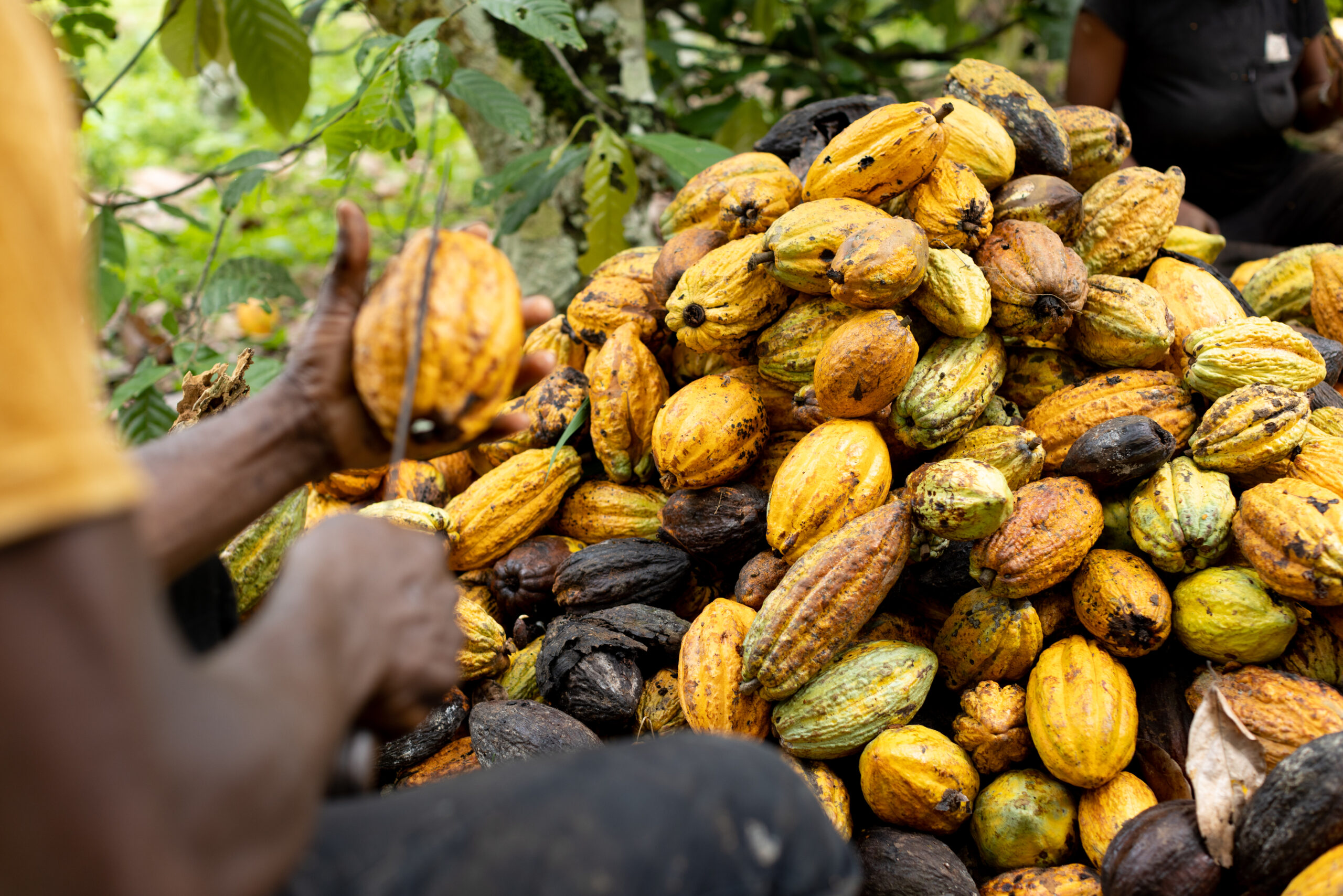
The foundation of any high-end chocolate is the bean itself, and the agricultural realities of harvesting rare cacao play a massive role in final pricing. Most global chocolate production relies on high-yield, disease-resistant hybrid trees like Forastero. In contrast, the world's most expensive chocolates often utilize rare, ancient, or near-extinct cacao varieties.
The Search for Nacional and Criollo Cacao
Criollo beans, accounting for a tiny fraction of global production, are notoriously fragile and difficult to cultivate, yet prized for their delicate, complex flavor profiles free of bitterness. Similarly, pure Nacional cacao—once thought to be entirely extinct until rediscovered in remote regions of Ecuador—commands exorbitant prices. Sourcing these beans involves navigating remote agricultural cooperatives, paying fair-trade or above-market premiums to indigenous farmers, and enduring strict harvest limitations.
Exotic Inclusions and Infusions
Beyond the cacao bean, the fillings and infusions contribute heavily to the cost. True French Périgord truffles, rare edible gold leaf, saffron, vintage cognac, and Madagascar vanilla beans are common components in elite confections. Because these ingredients are subject to seasonal weather patterns, strict geographical indications, and global market fluctuations, procuring them for a chocolate batch represents a significant financial investment for the chocolatier.
Artisanal Craftsmanship and Labor Intensity
While industrial chocolate factories produce millions of units daily using automated machinery, the world's costliest chocolates are shaped by master chocolatiers who employ labor-intensive, time-honored techniques.
The transformation from raw bean to finished ganache involves multiple meticulous stages:
- Fermentation and Drying: Monitored closely at the farm level to develop complex flavor precursors.
- Roasting and Winnowing: Precisely calibrated to the specific bean variety to avoid scorching volatile aromatic compounds.
- Conching: A prolonged agitation process that can last anywhere from 24 to 72 hours, smoothing out micro-particles and developing mouthfeel.
- Hand-Dipping and Molding: Executed by skilled artisans who inspect every single piece for visual and structural perfection.
This high ratio of skilled human labor per unit drastically increases production costs. A master chocolatier must undergo decades of training to master temperature control, humidity regulation, and aesthetic detailing. When a consumer purchases a box of ultra-luxury chocolates, they are paying for hundreds of hours of human expertise and precision.
Packaging as Art: Precious Metals, Gemstones, and Custom Trunks
One of the primary factors distinguishing a $50 box of gourmet truffles from a $5,000 luxury chocolate collection is the vessel that holds it. In the ultra-luxury segment, the packaging is treated as a permanent art object or collector's piece in its own right.
Confectioners frequently collaborate with luxury jewelers, silversmiths, and master leather artisans to design bespoke presentation cases. It is common for top-tier collections to feature:
- Hand-carved wooden boxes lined with raw silk or velvet.
- Accents made from genuine gold, platinum, or sterling silver.
- Inlays featuring Swarovski crystals, pearls, or certified conflict-free diamonds.
- Custom leather trunks that require weeks of manual assembly.
This intersection of haute confectionery and fine jewelry ensures that the product retains a tangible, lasting value even after the edible contents have been consumed, appealing directly to high-net-worth gift buyers and collectors.
The Economics of Exclusivity: Supply, Demand, and Brand Positioning
In traditional economics, higher production volume lowers unit costs. In the ultra-luxury goods sector, however, the inverse is often true. The economic model governing the costliest chocolate in the world relies heavily on Veblen goods theory—where demand increases as the price rises, because the high price itself signals elite status and exceptional quality.
Micro-Batch Limitations
Producers of hyper-exclusive chocolates deliberately restrict their output. A farm may yield only enough pure Nacional cacao to produce a few hundred bars a year. By refusing to scale operations, brands maintain absolute quality control while creating fierce competition among affluent buyers.
Marketing and Brand Heritage
The mystique surrounding historic European chocolatiers or innovative boutique makers adds intangible value. Brands invest heavily in storytelling, emphasizing heritage, secret family recipes, and uncompromising standards. This positioning justifies the price point to a clientele that values rarity, status, and narrative depth just as much as gustatory pleasure.
Common Misconceptions About Luxury Chocolate
Consumers often encounter myths regarding why certain chocolates command high prices. Clarifying these misconceptions helps buyers evaluate what they are truly paying for:
- Myth: Higher price always means higher cocoa content. Reality: Many ultra-expensive chocolates feature lower-percentage milk chocolates or complex fillings where the cost is driven by rare infusions and labor, not raw cocoa mass.
- Myth: Luxury chocolate stays fresh indefinitely if kept sealed. Reality: Fine artisan chocolate lacks the chemical preservatives of industrial candy. High-end ganaches containing fresh cream must be consumed within a strict window, typically a few weeks.
- Myth: The gold leaf adds to the flavor profile. Reality: Edible 24-karat gold is biologically inert and tasteless; its sole purpose is visual opulence and tactile luxury.
Practical Considerations for Acquiring Ultra-Luxury Chocolate
For those interested in purchasing or gifting the world's costliest chocolate, careful planning is required due to the delicate nature of the product and its limited availability.
- Direct Procurement: Most hyper-exclusive chocolates are not found in retail stores. Buyers must order directly from the maker's official website or through private concierge services.
- Logistics and Temperature Control: Because high-end chocolates lack artificial stabilizers, shipping requires specialized cold-chain logistics to prevent melting or bloom (fat separation) during transit.
- Storage Guidelines: Once received, confections should be stored in a temperature-controlled environment—typically between 60°F and 65°F (15°C to 18°C)—away from direct light and strong odors, and consumed promptly according to the artisan's instructions.
Frequently Asked Questions
What is the single most expensive chocolate in the world?
Prices fluctuate depending on custom orders and special editions, but products like Knipschildt's La Madeline à Truffe (sold at roughly $2,600 per pound) and extravagant custom trunks by brands like Patchi or dessert creations like Serendipity 3's Frrrozen Haute Chocolate represent the absolute peak of the market.
Does expensive chocolate taste noticeably better than supermarket chocolate?
Yes, due to superior bean selection, single-origin flavor profiles, absence of chemical additives, and high cocoa butter content. However, taste is subjective, and the extreme price differential is driven primarily by rarity, labor, and luxury packaging rather than taste alone.
Why do luxury chocolates have such a short shelf life?
Artisanal chocolatiers use fresh, natural ingredients such as heavy cream, butter, and fruit purees without chemical preservatives. Consequently, these confections must be enjoyed fresh to experience their intended texture and flavor.
Can luxury chocolate be considered an investment?
While rare collector's items or custom-packaged trunks featuring precious metals retain structural value, the edible contents are perishable. Therefore, chocolate is generally purchased for immediate consumption or gifting rather than financial investment.
How should ultra-luxury chocolate be stored?
It should be kept in a cool, dark, dry place—ideally between 60°F and 65°F—away from humidity and strong aromatic foods that can taint the delicate fats in the cocoa butter.
Conclusion and Next Steps
The extraordinary cost of the world's finest chocolate is the result of a multifaceted process encompassing rare agricultural yields, rigorous handcrafting, premium perishable ingredients, and opulent, art-driven packaging. For enthusiasts looking to experience this tier of confectionery, research specific micro-batch makers, verify seasonal availability, and ensure secure temperature-controlled delivery to protect your investment.
Image Gallery