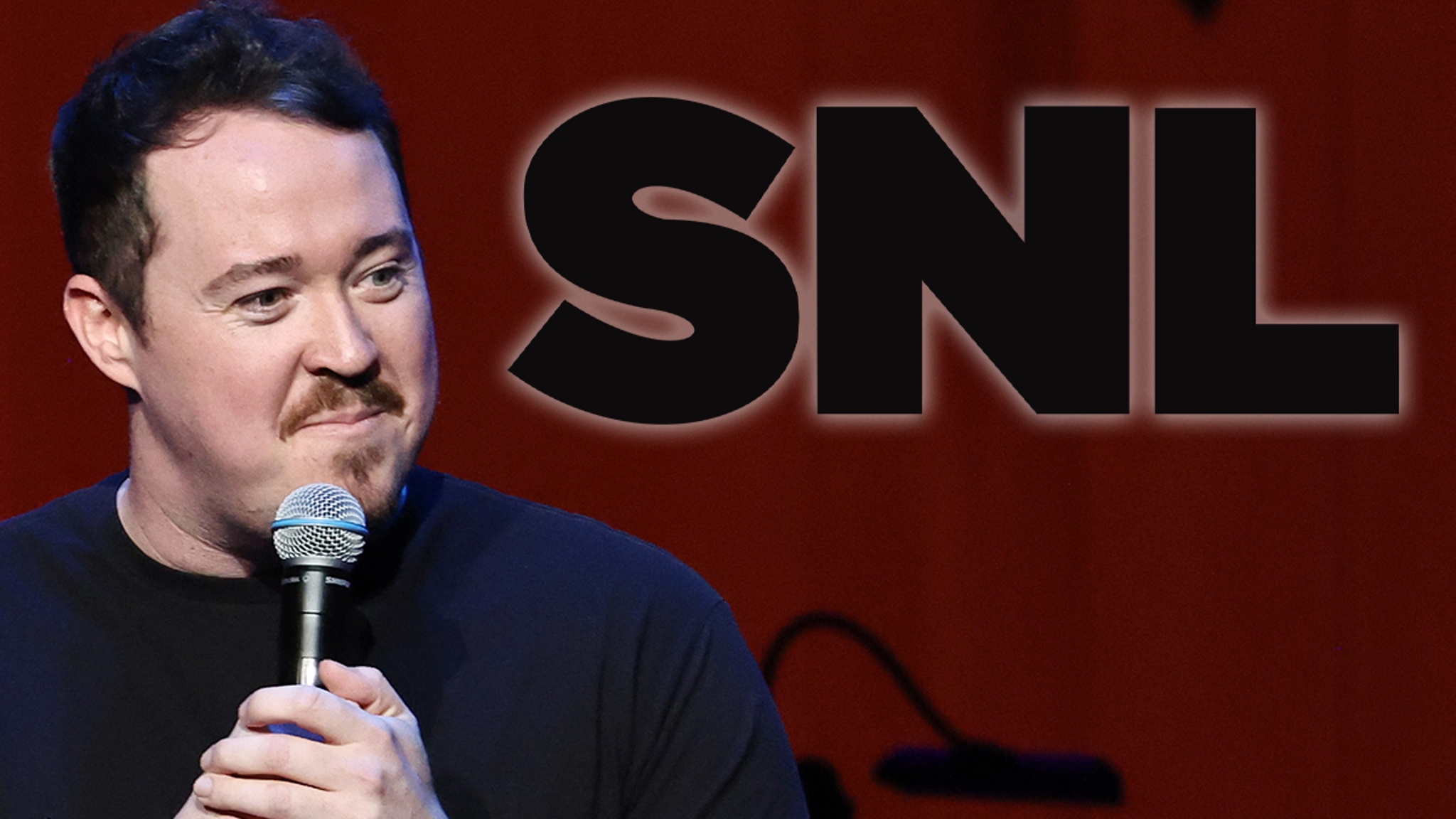
The Controversy and Career Trajectory: What Happened When SNL Fired Shane Gillis
In September 2019, Shane Gillis was hired as a featured player for Saturday Night Live (SNL), only to be fired just five days later following the resurfacing of derogatory comments he had made on a podcast. This rapid hiring and firing...
In September 2019, Shane Gillis was hired as a featured player for Saturday Night Live (SNL), only to be fired just five days later following the resurfacing of derogatory comments he had made on a podcast. This rapid hiring and firing cycle sparked a national conversation regarding the role of digital archives in modern professional vetting, the boundaries of comedic expression, and the evolving standards for public-facing media figures.
Contents
The Hiring and the Immediate Backlash
Shane Gillis was announced as one of three new cast members for the 45th season of Saturday Night Live on September 12, 2019. The hiring was intended to bring fresh, outsider comedy talent to the long-running NBC institution. However, within hours of the announcement, independent journalist Seth Simons brought attention to clips from a 2018 episode of Matt and Shane’s Secret Podcast, which Gillis co-hosted.
In these recordings, Gillis used racial slurs directed toward Asian individuals and employed derogatory language regarding the LGBTQ+ community. As these clips circulated on X (formerly Twitter), the public outcry was swift. Viewers, media critics, and advocacy groups questioned how a show with the reach of SNL could employ a comedian whose past content included such overtly offensive rhetoric. The backlash intensified over the weekend, putting immense pressure on Lorne Michaels and the NBC executive team to respond to a situation that was rapidly overshadowing the upcoming season premiere.
The Official Termination
On September 16, 2019, a spokesperson for Lorne Michaels released a brief statement confirming that Shane Gillis would no longer be joining the cast. The statement explicitly noted that the offensive remarks were unknown to the show's producers at the time of his hiring and that the production team was not aware of the prior clips. The statement emphasized that the language used by Gillis was "offensive, hurtful, and unacceptable," concluding that the SNL environment was not a fit for him.
Gillis subsequently issued a statement on his own social media channels. He acknowledged his past comments, stating that he was a "comedian who pushes boundaries" but conceding that he had missed the mark. He expressed a desire to be the "best comedian I can be" and stated that he respected the show’s decision. This moment served as a stark reminder of the "cancellation" culture prevalent in the late 2010s, where an individual’s digital footprint could abruptly alter or end their career prospects at high-level institutions.
Career Impact: The "Post-SNL" Pivot
Rather than ending his career, the firing served as a catalyst for a distinct evolution in Shane Gillis’s professional path. His expulsion from SNL created a narrative of him as an outsider who had been "wronged" by the industry, a sentiment that resonated deeply with his existing fanbase. This narrative allowed him to lean heavily into independent media platforms.
He doubled down on his podcasting, which saw a significant surge in listener numbers, and leaned into independent comedy specials. By bypassing traditional network gatekeepers, Gillis successfully built a direct-to-consumer audience that was largely insulated from the pressures of mainstream corporate media. This shift reflected a broader trend in the comedy industry, where comedians leverage Patreon, YouTube, and independent touring to cultivate a loyal following without the traditional requirement of a television network's endorsement.
Digital Footprints and Professional Vetting
The Gillis incident remains a primary case study for talent agencies and media companies regarding digital due diligence. Before 2019, vetting processes for comedy cast members typically focused on previous work experience, performance skill, and personal interactions. Following the SNL debacle, the scope of vetting expanded to include a deep dive into an artist's entire digital history.
This shift has created a tension between the need for modern professional standards and the reality that many comedians—especially those from the podcasting generation—have thousands of hours of unscripted, improvised audio archives. The risk for major networks is that almost any comedian with a substantial history of long-form, unedited content can be targeted for out-of-context clips that could trigger a public relations crisis.
| Timeline Component | Key Development | Outcome |
|---|---|---|
| September 12, 2019 | SNL announces Shane Gillis as a new hire | Immediate public scrutiny of archives |
| Sept 13-15, 2019 | Clips from "Secret Podcast" go viral | Public outcry and media pressure |
| September 16, 2019 | NBC/SNL announces termination | Career reset for Gillis |
| 2020–2026 | Independent growth; return as host | Industry pivot to independent media |
Industry Changes and Future Consequences
Since 2019, the relationship between mainstream comedy and independent creators has shifted. In 2024, Shane Gillis was invited back to Saturday Night Live as a host. This event signaled a thaw in the relationship between the comedian and the institution that had fired him five years prior. The invitation was largely interpreted as an acknowledgment of his massive independent success and his status as one of the most prominent stand-up comedians working in 2026.
This evolution highlights several key takeaways for the entertainment industry:
- The Resilience of Independent Brands: Once a comedian builds a robust, independent audience, traditional institutions like SNL may eventually seek them out again, regardless of past controversies.
- Context Matters: Public sentiment over time can shift, and audiences are increasingly sophisticated in discerning between a curated "character" in a podcast setting versus a performer's actual personal values.
- The Limits of "Cancel Culture": In the digital age, a firing from a major network is no longer a definitive end to a career; instead, for many entertainers, it serves as an accelerated path toward building a more loyal, independent fan base.
Common Questions Regarding the Firing
Did Shane Gillis apologize for his comments? Yes. In his 2019 statement following the firing, Gillis addressed the clips directly. He apologized for the offensive nature of the language, while maintaining that he was a comedian who often experiments with edgy material.
Why did SNL rehire him to host in 2024? By 2024, Gillis had achieved immense success as an independent comedian, selling out arenas and producing successful specials. His return as a host acknowledged his significant cultural relevance and the evolution of the public conversation regarding his past work.
How does this situation compare to other SNL firings? Unlike previous SNL firings, which often involved poor performance or behind-the-scenes personality conflicts, the Gillis incident was driven by external digital discourse. It represents a shift where public social media pressure plays a direct role in corporate decision-making.
Does this mean all comedians are now under higher scrutiny? Yes. Major networks and production companies have implemented more stringent social media and archive audits for talent. This has led to more defensive curation of content by comedians and increased pressure on media platforms to account for their talent’s entire history.
Was the decision to fire him a legal matter? No. Employment at Saturday Night Live is generally governed by contracts that include morality clauses or "at-will" employment considerations, allowing networks to terminate talent if they feel that the individual’s behavior or public perception negatively impacts the brand.
Has the podcasting industry learned from the Gillis incident? The industry has largely adopted a more cautious approach. Many comedians now acknowledge that their early, unedited podcast episodes serve as a permanent record that can be scrutinized, leading to a general trend toward more professionalized podcast production.
Practical Implications for Modern Creators
For those entering the entertainment industry today, the primary lesson is that there is no such thing as an ephemeral media appearance. Digital archives are permanent and searchable. Creators must be aware that content produced for a niche audience can be repurposed for a global audience, potentially impacting mainstream career opportunities. Building a diverse portfolio and a strong, independent brand remains the most effective form of insurance against the volatility of major network gatekeepers.
The trajectory of Shane Gillis shows that while major institutions hold power, they are also reactive to the current zeitgeist. A performer’s true measure in the modern era is found in their ability to maintain relevance through their work, regardless of temporary setbacks imposed by traditional media establishments. If you are an artist or creator looking to protect your career, prioritize owning your platform and building direct relationships with your audience, ensuring that your livelihood does not depend entirely on the shifting policies of a single institution.
Image Gallery