Cooling Sheets Full Size: An Overview of Materials, Performance, and Selection
Cooling sheets designed for full-size mattresses utilize specialized fibers and advanced weaving techniques to facilitate moisture wicking and heat dissipation. These textiles help regulate body temperature throughout the night, addres...
Cooling sheets designed for full-size mattresses utilize specialized fibers and advanced weaving techniques to facilitate moisture wicking and heat dissipation. These textiles help regulate body temperature throughout the night, addressing discomfort caused by trapped heat, humidity, or physiological temperature fluctuations. Selecting the right full-size set requires balancing fiber breathability, thread count, and specific weave patterns to ensure both comfort and durability.
Contents
Understanding the Mechanics of Thermal Regulation in Bedding
The primary function of "cooling" bedding is not to actively chill the body but to manage the microclimate between the sleeper and the mattress. During sleep, the human body undergoes natural thermoregulation, often releasing heat and moisture. Traditional high-thread-count cotton or synthetic blends can act as insulators, trapping this heat against the skin.
Cooling sheets function through two primary mechanisms: breathability (air permeability) and moisture management (wicking). Breathable fabrics allow air to circulate freely, pulling heat away from the body. Moisture-wicking fabrics move perspiration from the skin to the surface of the textile, where it can evaporate quickly, providing a cooling sensation. In a full-size configuration, the dimensions (typically 54 inches by 75 inches for the mattress) remain constant, but the material composition dictates how effectively the sheet manages this thermal transfer.
Common Materials and Their Cooling Properties
Not all cooling fabrics are created equal. Different materials rely on distinct physical properties to achieve heat reduction.
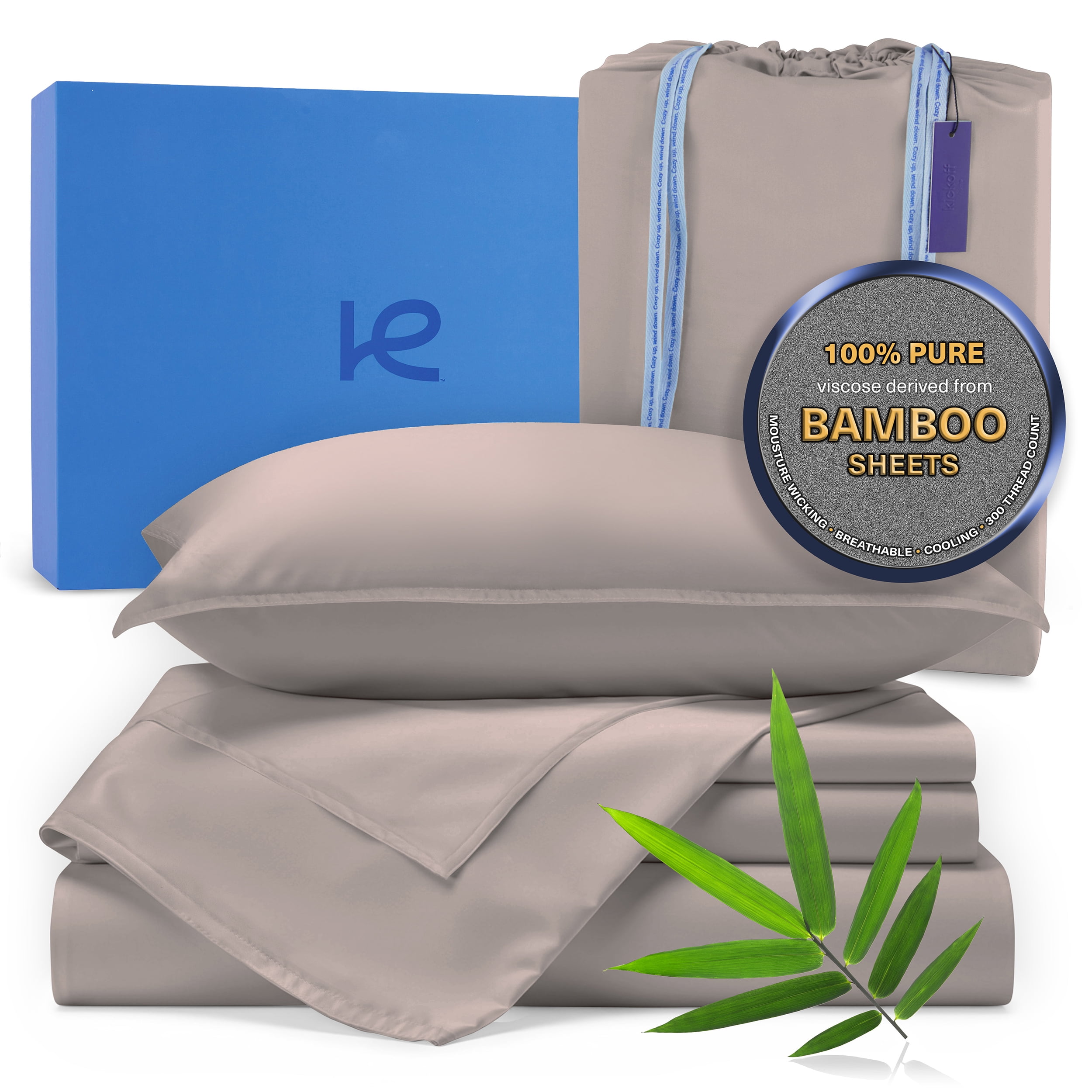
- Bamboo Viscose or Lyocell: Often branded as bamboo sheets, these are highly favored for their natural moisture-wicking capabilities. Lyocell, a cellulose fiber derived from wood pulp, is processed in a closed-loop system and is noted for being softer than cotton and more absorbent.
- Eucalyptus (Tencel): Tencel is a trademarked form of Lyocell. It is prized for its smooth fiber structure, which feels cool to the touch. Eucalyptus-based sheets are particularly effective at regulating temperature because the fibers are inherently porous, allowing for superior airflow.
- Percale Cotton: Unlike sateen weaves, which have a tighter structure that traps heat, percale is a "one-over, one-under" weave. This creates a crisp, light, and airy sheet that promotes maximum airflow. High-quality long-staple cotton in a percale weave is often the preferred choice for those who dislike synthetic or semi-synthetic cooling materials.
- Performance Synthetics: Some manufacturers use engineered polyester blends treated with phase-change materials (PCMs). These materials are designed to absorb and release heat based on the sleeper's temperature, though their "cooling" effect may diminish over many wash cycles compared to natural fiber alternatives.
Identifying Quality in Full-Size Sheet Sets
When shopping for full-size cooling sheets in 2026, consumers often encounter confusing marketing terminology. It is essential to look past proprietary brand names to identify the actual fiber content.
1. Weave Structure The weave determines the drape and the airflow. A percale weave is almost always cooler than a sateen weave, which features a "three-over, one-under" pattern that results in a heavier, more insulating fabric. If the goal is maximum cooling, avoid sateen regardless of the material.
2. Thread Count Misconceptions A common mistake is assuming that a higher thread count equates to higher quality or better cooling. In fact, very high thread counts (often above 500) can result in a denser fabric with fewer gaps for air to pass through. For cooling sheets, a thread count between 200 and 400 is generally optimal, as it balances durability with the necessary porosity for heat dissipation.
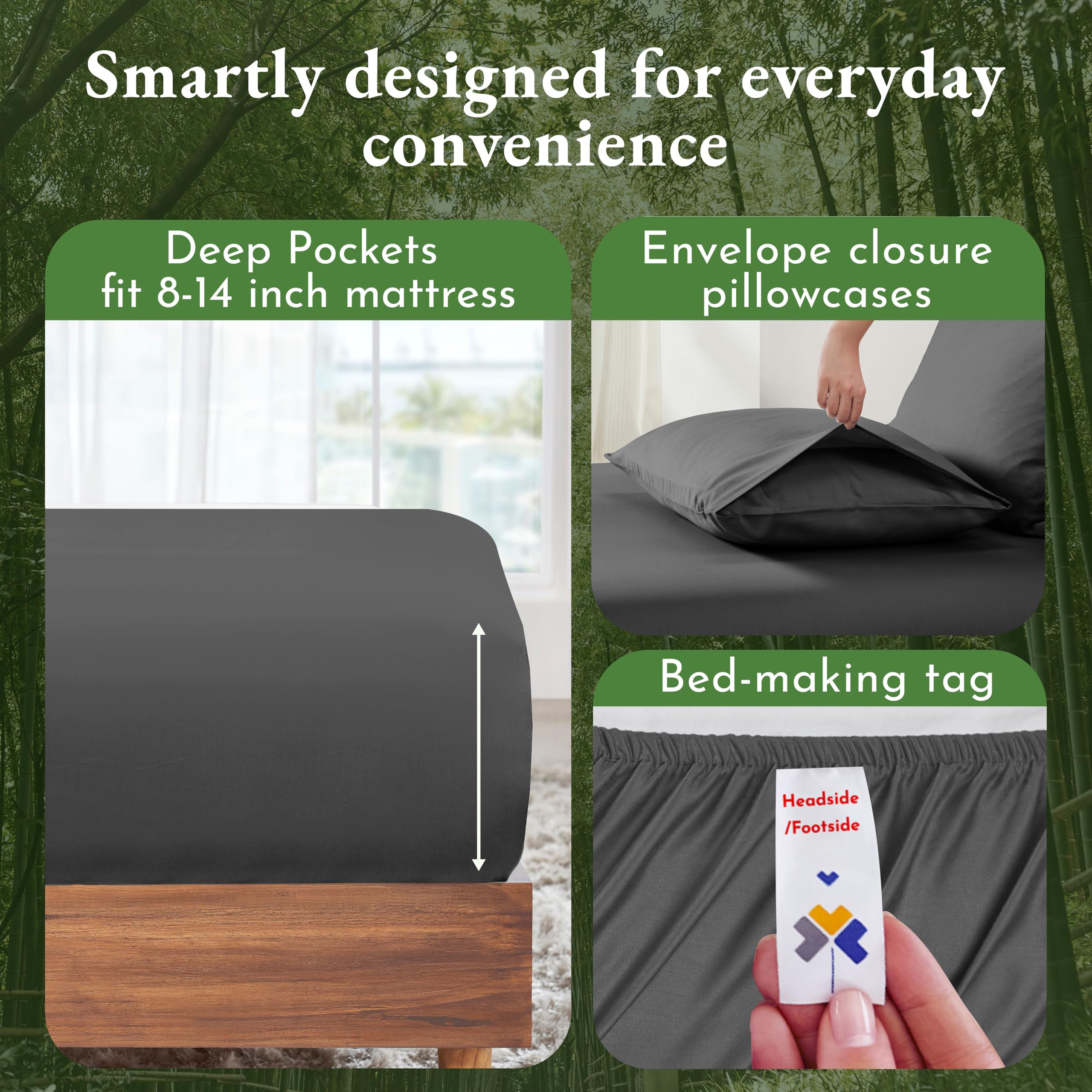
3. Dimensional Fit Full-size mattresses vary in depth. A standard full-size sheet set includes a flat sheet, a fitted sheet, and two pillowcases. Before purchasing, check the "pocket depth" of the fitted sheet. If your mattress features a topper, ensure the cooling sheets specify a pocket depth of at least 14 to 16 inches to prevent the corners from popping off during the night.
Comparison of Cooling Sheet Materials
| Material | Breathability | Moisture Wicking | Durability | Texture |
|---|---|---|---|---|
| Bamboo (Viscose) | High | Excellent | Moderate | Silky |
| Tencel (Lyocell) | Very High | Excellent | High | Smooth |
| Percale Cotton | High | Low | Very High | Crisp |
| Polyester/PCM | Moderate | High | Moderate | Varied |
Practical Maintenance for Long-Term Performance
The effectiveness of cooling sheets can be significantly compromised by improper laundry habits. Many high-performance materials are sensitive to chemical softeners and high-heat drying.
- Avoid Fabric Softener: Fabric softeners coat the fibers with a waxy residue. This residue blocks the microscopic pores that allow for moisture wicking, effectively rendering your cooling sheets no more breathable than standard bargain-bin bedding.
- Low Heat Drying: High temperatures in a dryer can damage synthetic fibers and cause excessive shrinking in natural fibers like cotton or bamboo. Always tumble dry on low or opt for line drying when possible to maintain the structural integrity of the weave.
- Frequency of Washing: Because cooling sheets are often made of more absorbent fibers, they may trap body oils and skin cells more effectively than heavier, tighter fabrics. Washing them weekly in cool or warm (not hot) water will prevent the buildup of oils, which can also block airflow.
Troubleshooting Common Issues
If you find that your "cooling" sheets are not providing the expected relief, evaluate these three factors before replacing them:
- Mattress Material: If your mattress is made of high-density memory foam, it may be the primary source of heat retention. Cooling sheets cannot fully negate the heat-trapping properties of a non-breathable mattress. Consider a cooling mattress protector or a topper to solve the issue at the source.
- Laundry Buildup: As mentioned, if your sheets feel "stiff" or "warm," they likely have a buildup of detergent or softener. Try washing them with a half-cup of white vinegar to strip away residue, then run an extra rinse cycle.
- Bedding Layers: Using a heavy down comforter over breathable sheets creates a "greenhouse effect." Ensure that your top layer, such as a quilt or duvet, is also made of breathable, natural fibers.
Frequently Asked Questions
Are expensive cooling sheets worth the premium price? In many cases, the price reflects the sourcing of the fiber and the quality of the finish. High-quality Lyocell or long-staple cotton percale is costlier to manufacture than low-grade polyester. If you suffer from night sweats, the investment in high-quality, natural cooling fibers usually provides a measurable difference in sleep quality.
Do cooling sheets feel cold to the touch like silk? Materials like Tencel and bamboo have a cool, silky hand-feel, but they do not feel "cold" like metal or ice. Their primary benefit is the lack of heat buildup, not the initial temperature of the fabric when you first touch it.
Can I use a mattress protector with cooling sheets? Yes, but you must choose a breathable protector. Many waterproof protectors are made with plastic-like polyurethane backings that trap heat. Look for protectors labeled "breathable" or "air-permeable" to ensure the cooling properties of your sheets are not wasted.
Do full-size cooling sheets shrink more than standard sheets? Natural fibers like cotton or bamboo can shrink if exposed to high heat. Always adhere to the manufacturer's care instructions, which typically recommend cold-water washing and low-heat drying, to minimize size reduction.
How often should I replace cooling sheets? With proper care, a quality set of cooling sheets should last between two and four years. Over time, fibers thin out, and the moisture-wicking properties may degrade, leading to reduced performance.
Final Recommendation for Selection
When selecting full-size cooling sheets in 2026, prioritize material composition over marketing claims. If you prefer a crisp, airy feel, choose long-staple cotton in a percale weave. If you prefer a silky, soft touch that manages moisture effectively, opt for Tencel or high-quality bamboo viscose. Ensure the fitted sheet pocket depth matches your specific mattress profile to avoid a poor fit, and always wash with mild detergents, avoiding softeners to ensure the technical features of the fabric remain functional for years to come.
Image Gallery