Emergency and Clinical Treatment for Electrical Burns: A 2026 Comprehensive Guide
Immediate treatment for electrical burns begins with ensuring scene safety and disconnecting the power source, followed by calling emergency services for professional intervention. Medical care focuses on stabilizing heart rhythm, aggr...
Immediate treatment for electrical burns begins with ensuring scene safety and disconnecting the power source, followed by calling emergency services for professional intervention. Medical care focuses on stabilizing heart rhythm, aggressive fluid resuscitation to prevent kidney failure, and surgical management of deep tissue damage that is often invisible from the surface.
Contents
Electrical burns are among the most complex traumatic injuries to manage because the visible external damage rarely reflects the true extent of internal destruction. When an electric current passes through the human body, it follows the path of least resistance—typically nerves, blood vessels, and muscles—generating intense heat that "cooks" tissues from the inside out. As of 2026, the clinical consensus emphasizes that every high-voltage electrical exposure must be treated as a multi-system trauma requiring specialized burn center evaluation.
Understanding the Pathophysiology of Electrical Injuries
The severity of an electrical burn is determined by several physical factors: the type of current (Alternating Current vs. Direct Current), the voltage, the resistance of the tissues, and the pathway the current takes through the body. In 2026, medical professionals categorize these injuries primarily by voltage, with 1,000 volts serving as the threshold between "low voltage" (common in household settings) and "high voltage" (industrial or utility settings).
Alternating Current (AC), which powers most homes, is particularly dangerous because it can cause "tetanic" muscle contractions. This phenomenon, often described as "locking on," prevents the victim from letting go of the power source, thereby increasing the duration of exposure. Furthermore, AC is more likely than DC (Direct Current) to cause ventricular fibrillation, a life-threatening heart rhythm disturbance, even at relatively low voltages.
Direct Current (DC), often found in batteries and some industrial equipment, typically causes a single powerful muscle contraction that throws the victim away from the source. While this may limit the duration of the electrical flow, the resulting physical trauma from the fall can cause secondary injuries such as fractures, spinal damage, or traumatic brain injuries.
Immediate First Aid and Scene Safety Protocols
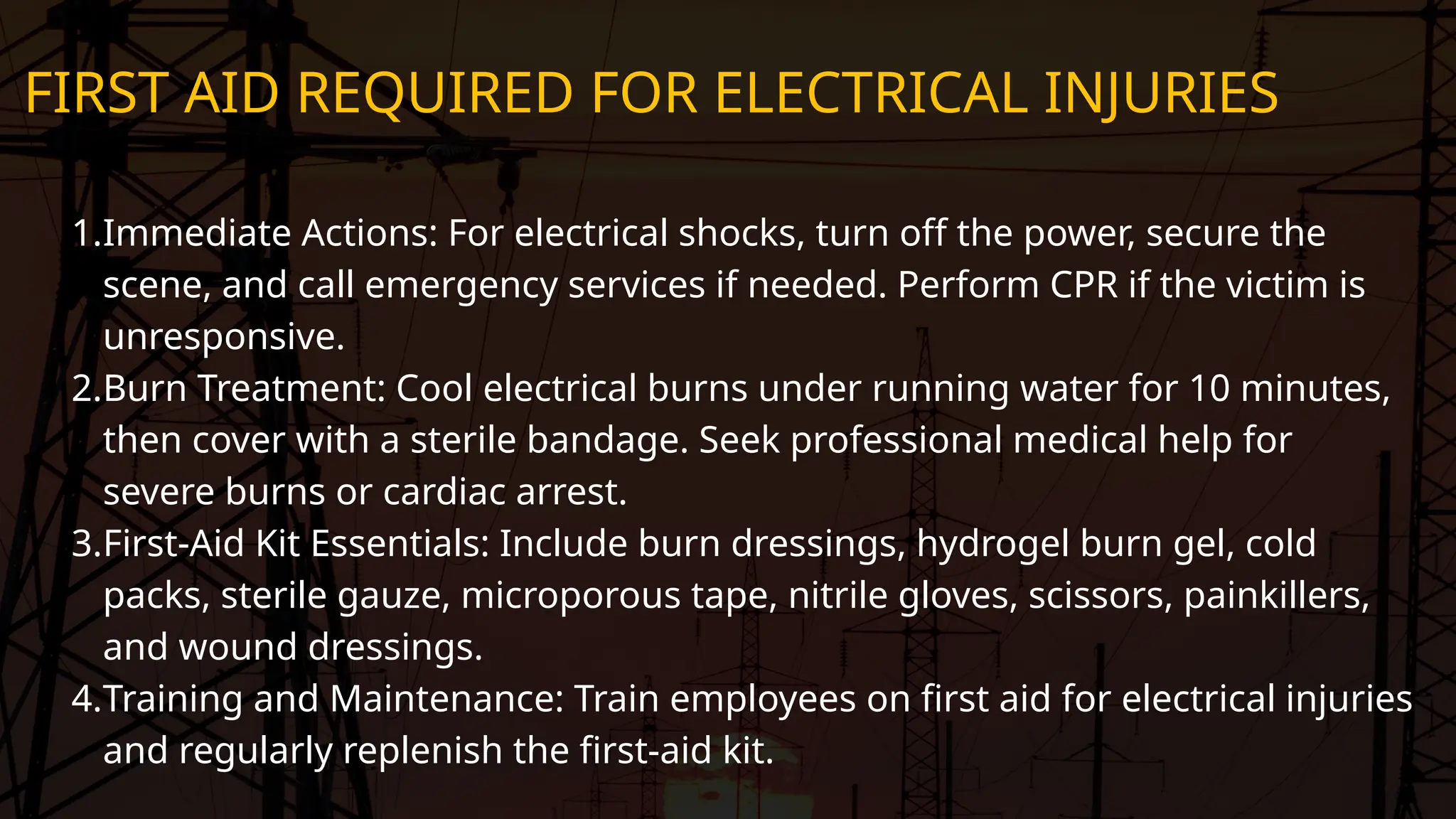
Before any treatment can be administered, the rescuer must ensure their own safety. Electrical current can travel through the victim to the rescuer if the source is still active.
- Do Not Touch the Victim Directly: If they are still in contact with the electrical source, you will become part of the circuit.
- Disconnect the Power: The safest way to handle the situation is to turn off the circuit breaker or pull the fuse.
- Use Non-Conductive Materials: If the power cannot be shut off immediately, use a dry, non-conductive object (such as a wooden broom handle or plastic PVC pipe) to move the victim away from the source. Never use anything damp or metallic.
- Call Emergency Services: In the United States, dial 911 immediately. Even if the victim appears conscious and the burns seem minor, internal damage can trigger cardiac arrest hours later.
Once the victim is safe, check for breathing and a pulse. If the person is not breathing or has no pulse, begin Cardiopulmonary Resuscitation (CPR) and use an Automated External Defibrillator (AED) if available. In 2026, modern AEDs are highly effective at identifying the specific arrhythmias caused by electrical shock.
Clinical Diagnosis and In-Patient Assessment
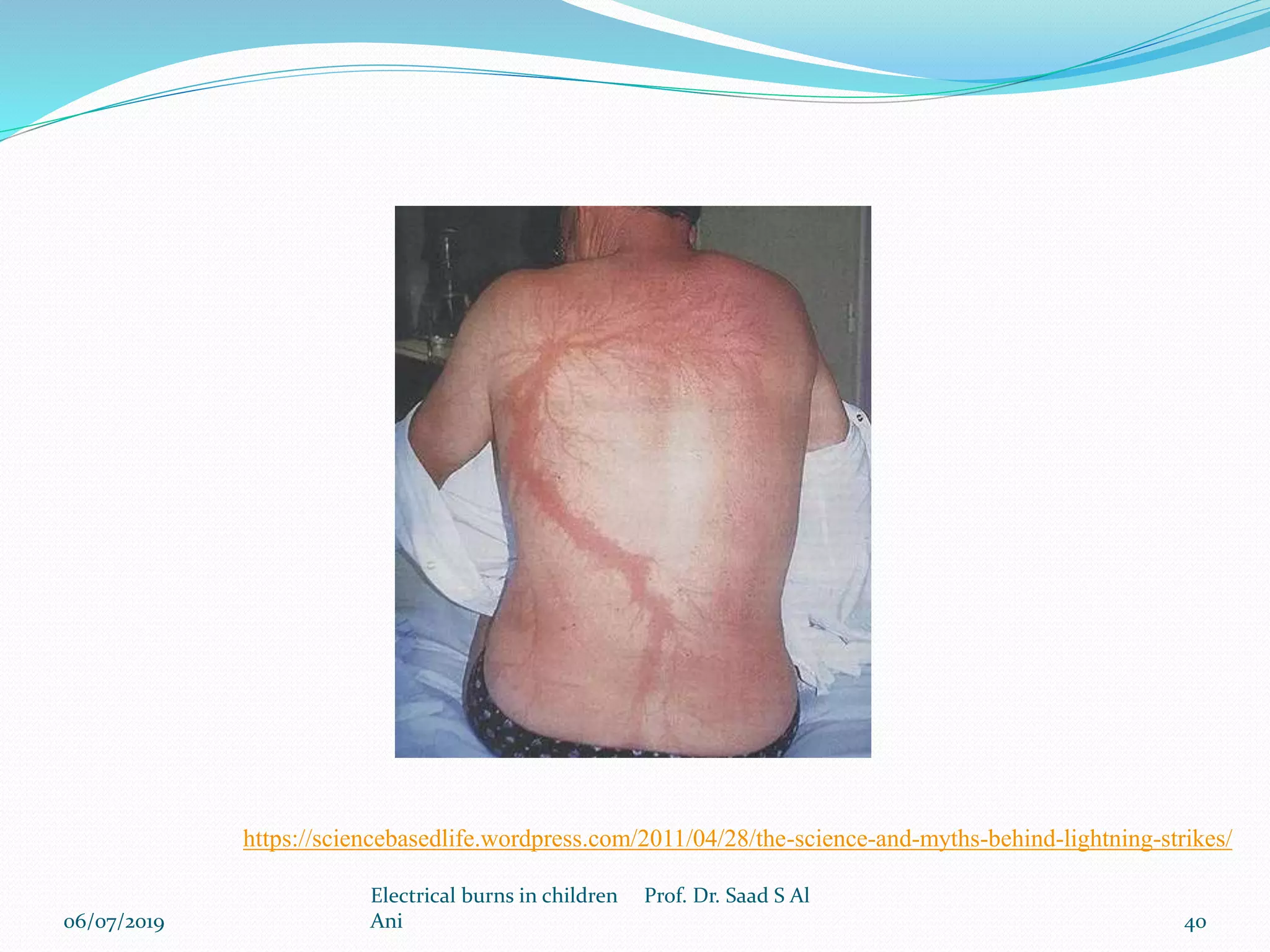
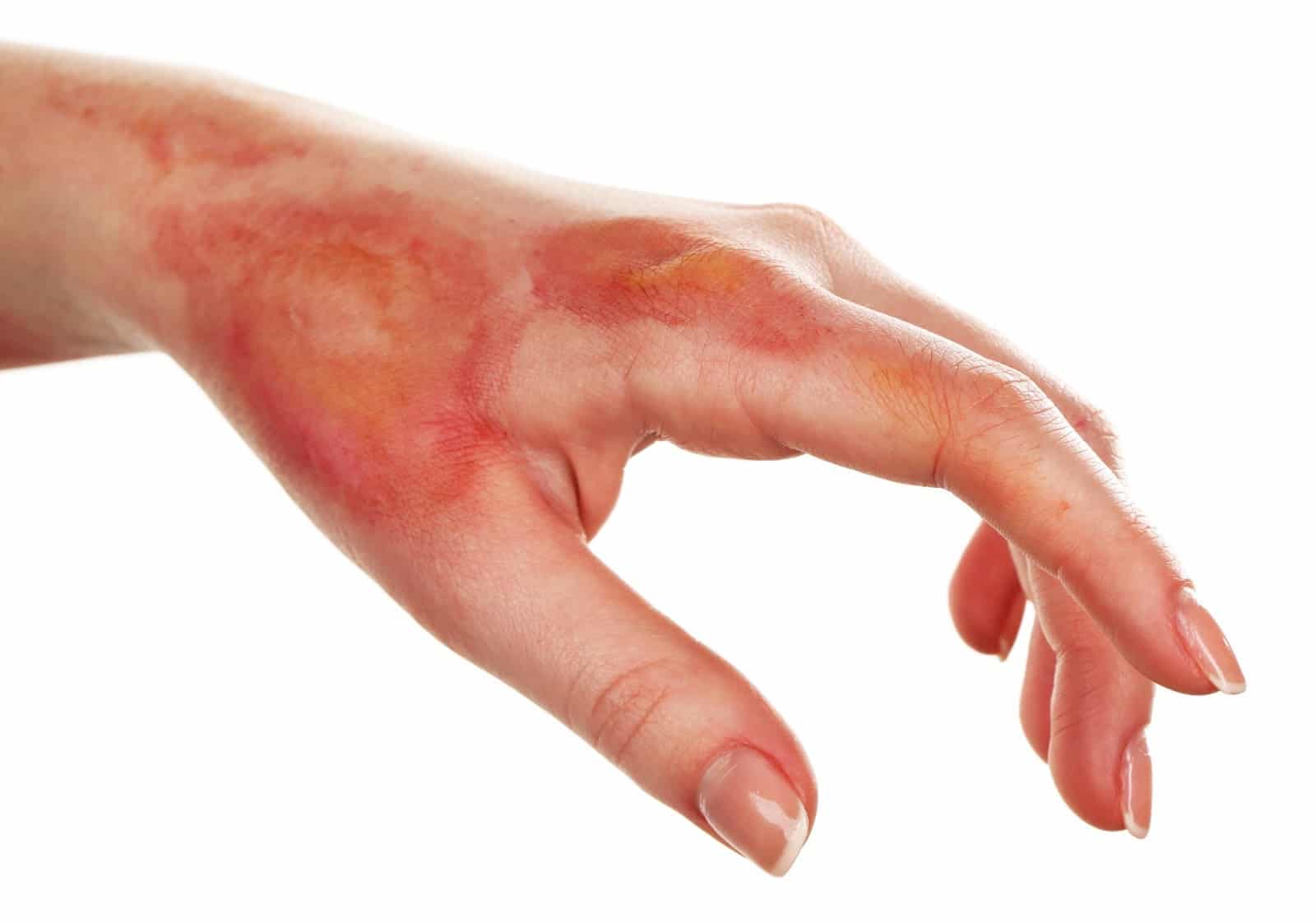
Upon arrival at a medical facility, the diagnostic process is rigorous. Because electricity follows internal pathways, doctors look for "entrance" and "exit" wounds. The entrance wound is often a charred, depressed area, while the exit wound may appear "blown out" or more extensive where the current left the body to reach the ground.
Diagnostic Testing in 2026
Standard protocols for electrical burn victims involve a battery of tests to assess "hidden" damage:
- Electrocardiogram (EKG/ECG): Mandatory for all victims to detect arrhythmias. Continuous cardiac monitoring is often required for the first 24 to 48 hours.
- Urinalysis (Myoglobin screen): Doctors check for the presence of myoglobin. When muscle tissue is destroyed by electricity, it releases this protein, which can clog the kidneys and lead to acute renal failure.
- Complete Blood Count (CBC) and Chemistry Panels: Specifically looking for elevated Creatine Kinase (CK) levels, which indicate the degree of muscle necrosis.
- Imaging: X-rays or CT scans are used to rule out fractures caused by intense muscle contractions or falls.
| Injury Category | Voltage Level | Common Sources | Primary Risks | Recommended Care Level |
|---|---|---|---|---|
| Low Voltage | < 1,000V | Household outlets, small appliances | Localized burns, cardiac arrhythmia | Urgent Care or ER evaluation |
| High Voltage | > 1,000V | Power lines, industrial transformers | Massive tissue loss, organ failure | Regional Burn Center |
| Lightning | Millions of Volts | Atmospheric discharge | Cardiac arrest, neurological damage | Level 1 Trauma Center |
| Arc Flash | Variable | Electrical faults, short circuits | Radiant heat burns, blast injuries | Emergency Room / Burn Center |
Advanced Medical Treatment and Fluid Resuscitation
The cornerstone of treating significant electrical burns is aggressive fluid resuscitation. Unlike thermal burns (caused by fire or hot liquids), electrical burns cause massive internal tissue death that requires higher volumes of intravenous (IV) fluids than standard formulas might suggest.
In 2026, the "Parkland Formula" is still used as a baseline, but clinicians frequently adjust it upward for electrical injuries. The goal is to maintain a high urine output (typically 75–100 mL per hour in adults) to "flush" myoglobin and potassium out of the system. If the urine appears dark or "port-wine" colored, it is a sign of severe muscle breakdown (rhabdomyolysis), and fluid rates are increased immediately to prevent the kidneys from shutting down.
Surgical Interventions
Because electricity travels through deep compartments of the body, swelling occurs beneath the tough, inelastic layers of tissue (fascia). This can lead to Compartment Syndrome, where the pressure becomes so high that blood flow to the limbs is cut off.
- Fasciotomy: A surgeon makes long incisions through the skin and fascia to release pressure and save the limb from permanent necrosis.
- Debridement: This is the repeated surgical removal of dead (necrotic) tissue. In electrical burns, tissue that appears healthy on day one may die by day three as the "zone of injury" evolves.
- Amputation: In cases of high-voltage contact where a limb has been carbonized or the blood vessels are completely destroyed, amputation may be the only way to prevent systemic infection and death.
Long-term Recovery and Rehabilitation
Recovery from an electrical burn is often a multi-year process involving physical therapy, occupational therapy, and psychological support.
Neurological and Sensory Issues
Electricity is a "neurotropic" force, meaning it prefers to travel along nerves. Many survivors experience long-term peripheral neuropathy, numbness, tingling, or chronic pain. Delayed neurological effects can emerge months after the injury, including problems with memory, concentration, or the development of seizures.
Ocular Complications
A unique aspect of electrical burn treatment is the monitoring of vision. Victims of high-voltage shocks, particularly those involving the head or neck, are at a significantly higher risk of developing cataracts. These "electrical cataracts" can appear anywhere from a few weeks to several years post-injury, requiring ongoing ophthalmological follow-up.
Psychological Impact
The trauma of an electrical injury, combined with the potential for disfigurement or loss of limb, leads to high rates of Post-Traumatic Stress Disorder (PTSD) and depression. Modern treatment plans in 2026 integrate early intervention from mental health professionals as a standard of care, rather than an optional add-on.
Frequently Asked Questions
Why are electrical burns called "the iceberg injury"?
Electrical burns are called the "iceberg injury" because the small visible burn on the skin (the tip of the iceberg) masks the massive amount of tissue, nerve, and bone damage occurring beneath the surface (the submerged part of the iceberg). Most of the energy is dissipated internally as it travels through the body's tissues.
Can a minor shock from a toaster require medical treatment?
Yes. While most household shocks are minor, they can still disrupt the heart's electrical rhythm. If you experience any numbness, tingling, a brief loss of consciousness, or if you are pregnant or have a pre-existing heart condition, you should be evaluated by a healthcare professional immediately after a shock.
What is the first thing I should do if someone is hit by lightning?
First, ensure the area is safe and there is no ongoing lightning threat. Unlike a person connected to a power line, a lightning victim does not carry an electrical charge and is safe to touch immediately. Call 911 and begin CPR if the person is unresponsive and not breathing. Lightning often causes "apparent death" where the heart and lungs stop, but victims can often be revived with immediate resuscitation.
How do doctors treat the "internal" parts of an electrical burn?
Doctors treat internal damage primarily through IV fluid hydration to protect the kidneys and surgery to remove dead tissue. They also use medications to balance electrolytes, as the destruction of cells releases large amounts of potassium into the bloodstream, which can be fatal to the heart if not managed.
Will an electrical burn leave a scar?
External entrance and exit wounds almost always leave scars, which may be significant depending on the voltage. Furthermore, surgical sites from fasciotomies or skin grafts will also result in permanent scarring. Laser therapy and pressure garments are often used during the first year of recovery to minimize the appearance and thickness of these scars.
Final Recommendation
If you or someone else has sustained an electrical burn, the most critical action is to seek professional medical evaluation immediately, regardless of how minor the surface wound appears. For high-voltage or industrial accidents, ensure the patient is transported to a specialized Burn Center. Rapid intervention within the first "golden hour" is the single most important factor in preventing permanent kidney damage and limb loss.
Image Gallery