5 PM Eastern to Central Time: A Professional Meeting Scheduling Guide
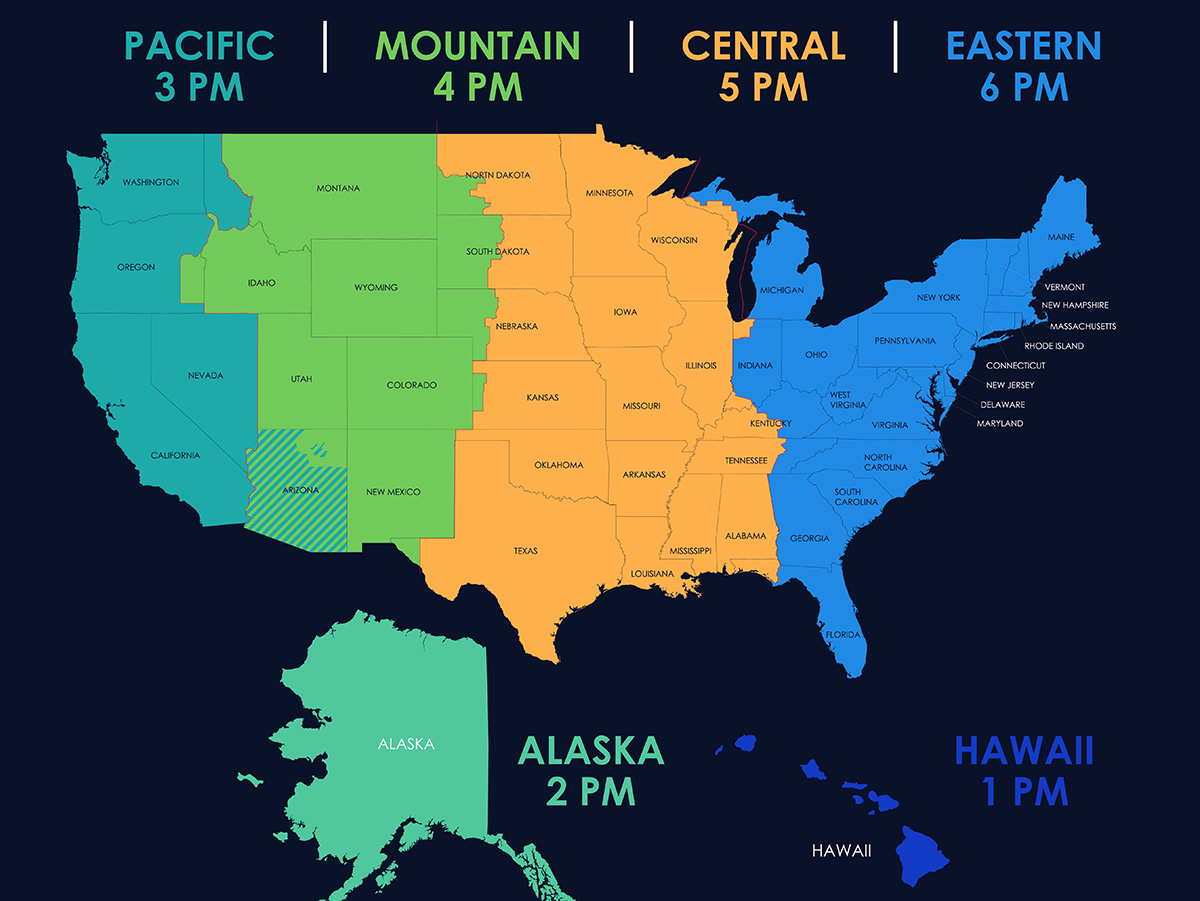
When scheduling a meeting for 5:00 PM Eastern Time (ET), the corresponding time in the Central Time Zone (CT) is 4:00 PM. This one-hour difference is consistent throughout the year because both zones observe Daylight Saving Time (DST)...
When scheduling a meeting for 5:00 PM Eastern Time (ET), the corresponding time in the Central Time Zone (CT) is 4:00 PM. This one-hour difference is consistent throughout the year because both zones observe Daylight Saving Time (DST) on the same schedule. For professionals coordinating across North American regions in 2026, understanding this transition is vital for maintaining productivity and respecting work-life boundaries.
Contents
The One-Hour Gap: Understanding ET and CT Dynamics
The relationship between Eastern Time and Central Time is the most common time-zone interaction in North American business. The Eastern Time Zone encompasses the major financial and political hubs of the Atlantic coast, including New York City, Washington D.C., and Toronto. The Central Time Zone includes major industrial and tech centers like Chicago, Dallas, and Mexico City. Because these two zones are adjacent, the difference is always exactly sixty minutes.
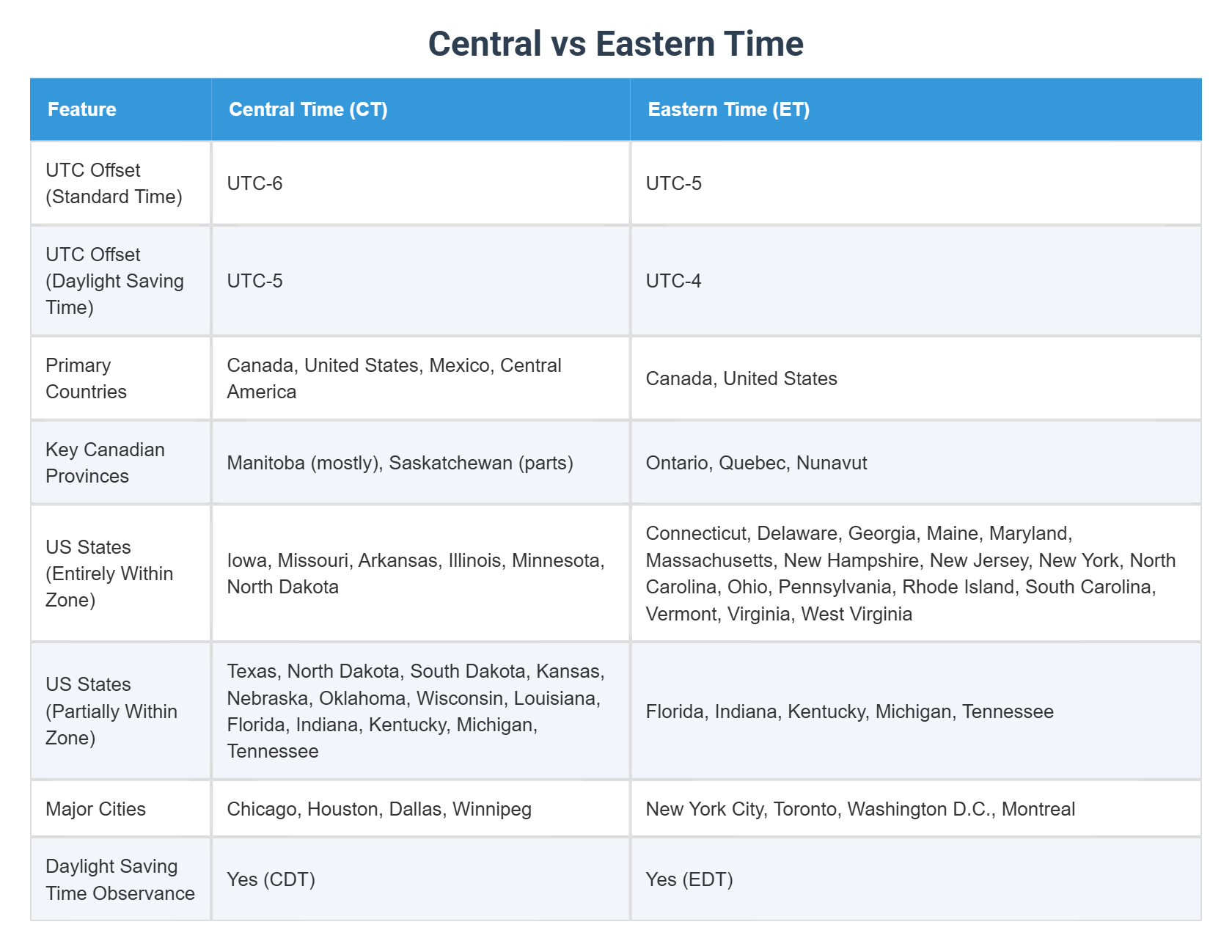
In technical terms, the difference is defined by their offset from Coordinated Universal Time (UTC). During the winter months, when Standard Time is active, Eastern Standard Time (EST) is UTC-5, while Central Standard Time (CST) is UTC-6. When the clocks "spring forward" into the summer months, Eastern Daylight Time (EDT) becomes UTC-4, and Central Daylight Time (CDT) shifts to UTC-5. Because both regions transition simultaneously—typically on the second Sunday of March and the first Sunday of November—the one-hour "lag" for Central Time remains a constant factor for meeting planners.
For a meeting participant in Chicago (CT), a 5:00 PM Eastern start time means they are entering the final hour of a traditional 8-to-5 workday. Conversely, for the host in New York (ET), the meeting starts right as many traditional offices are winding down. This alignment is often preferred for "end-of-day" syncs, as it allows the Central Time team to finish their work day exactly as the meeting concludes at 5:00 PM local time.
The Geographical Divide: Where Eastern Ends and Central Begins
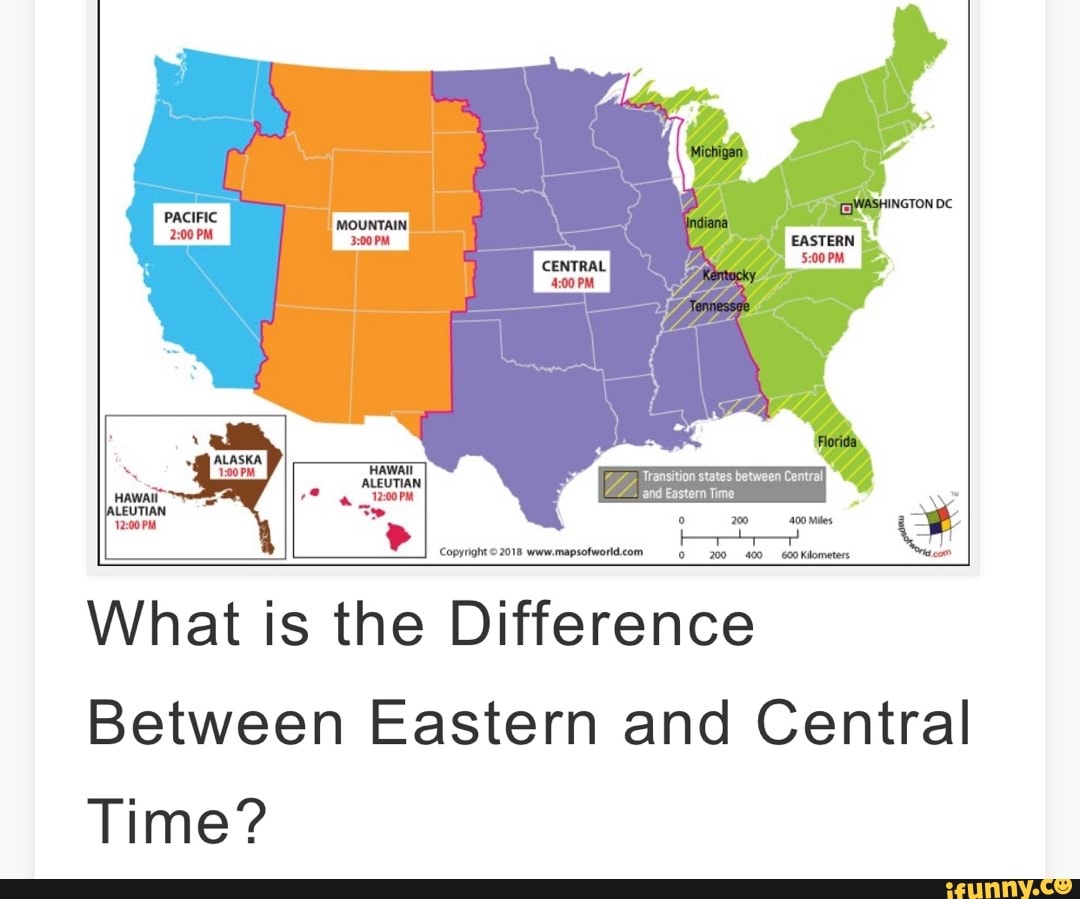
Navigating the boundary between Eastern and Central time is more complex than a simple vertical line on a map. Several U.S. states are split between these two zones, which can lead to significant confusion for local meeting participants. In 2026, as decentralized and hybrid work models remain the standard, knowing exactly where these boundaries lie helps avoid "no-show" errors caused by local time assumptions.
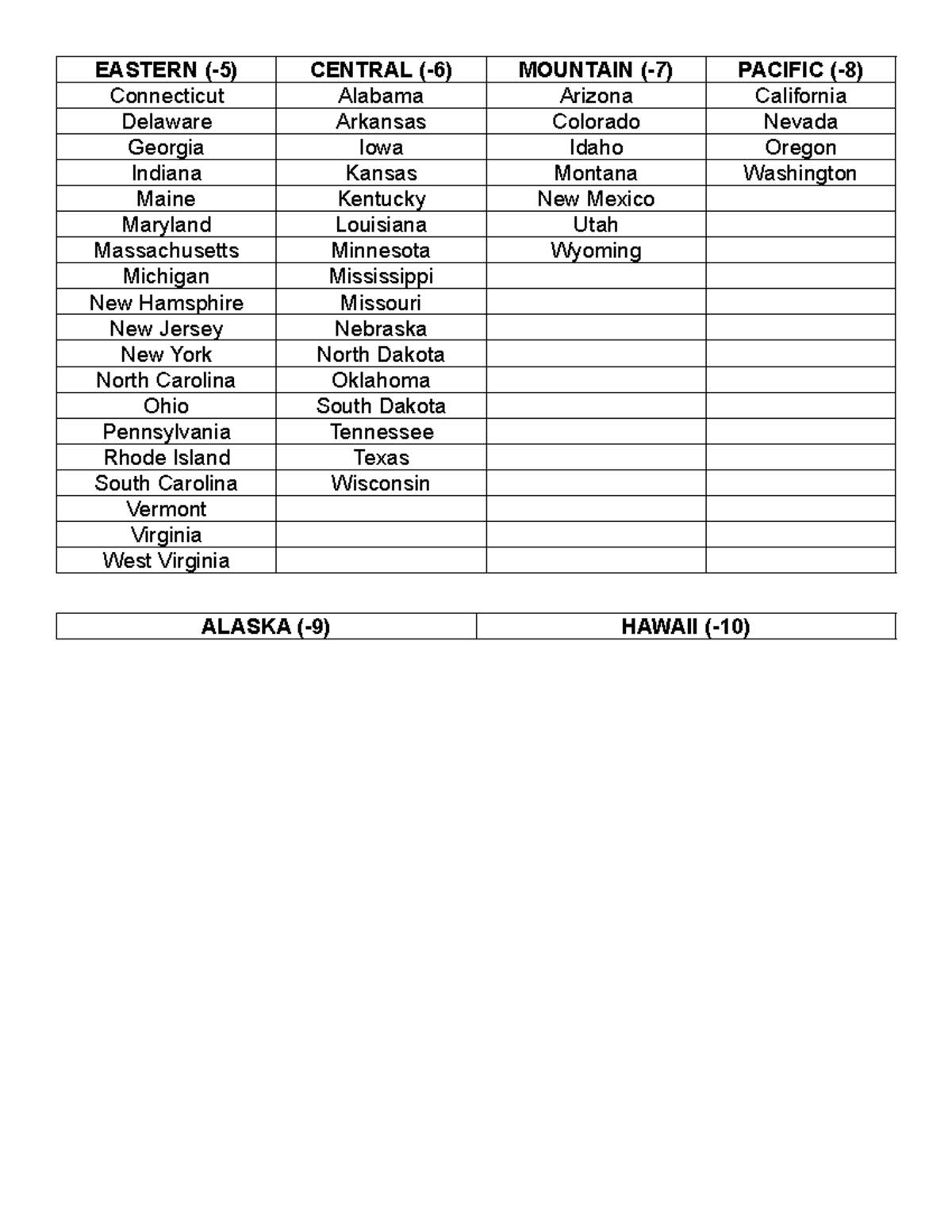
States such as Indiana, Kentucky, Tennessee, Michigan, and Florida are all divided by the Eastern-Central line. For example, while the majority of Florida operates on Eastern Time, the western portion of the Panhandle (west of the Apalachicola River) follows Central Time. In Indiana, the majority of the state is on Eastern Time, but several counties in the northwest (near Chicago) and the southwest observe Central Time.
When scheduling a 5:00 PM ET meeting that involves participants in these "split" states, it is a best practice to specify the time zone explicitly in the calendar invite. A participant in Evansville, Indiana, might naturally assume a meeting is in Central Time, while their colleague in Indianapolis assumes Eastern. Verification of the specific county or city location is a prerequisite for ensuring 100% attendance in these regions.
Synchronizing Daylight Saving Time in 2026
As of 2026, the United States and Canada continue to observe the Daylight Saving Time transitions established by the Energy Policy Act of 2005. This means that for the vast majority of the year, you are actually dealing with EDT (Eastern Daylight Time) and CDT (Central Daylight Time) rather than the "Standard" versions of these zones.
The transition dates for 2026 are:
- March 8, 2026: Clocks move forward one hour (Spring Forward).
- November 1, 2026: Clocks move back one hour (Fall Back).
Because both zones change at 2:00 AM local time on these dates, there is never a period where the gap between NYC and Chicago becomes zero or two hours. However, international participants joining a 5:00 PM ET call from regions that do not observe DST (such as parts of Arizona or Hawaii) or countries that transition on different dates (like those in the European Union) must be particularly careful. If you are hosting a meeting from an Eastern Time hub, your 5:00 PM start time will shift its UTC offset, requiring your international counterparts to adjust their local clocks accordingly, even if the Central Time difference remains a steady one hour.
Conversion Table for Eastern and Central Time
To assist in planning afternoon sessions, the following table illustrates the conversion for the final hours of the standard business day.
| Eastern Time (ET) | Central Time (CT) | Context for Meeting Planning |
|---|---|---|
| 1:00 PM | 12:00 PM | Mid-day transition; CT lunch hour begins. |
| 2:00 PM | 1:00 PM | Peak afternoon collaboration window. |
| 3:00 PM | 2:00 PM | High-energy slot for cross-zone workshops. |
| 4:00 PM | 3:00 PM | Final mid-afternoon slot for Central teams. |
| 5:00 PM | 4:00 PM | Late-day wrap-up; ET end-of-day. |
| 6:00 PM | 5:00 PM | Post-work for ET; End-of-day for CT. |
Impact on Professional Workflow and Meeting Culture
Scheduling a meeting for 5:00 PM ET / 4:00 PM CT carries specific cultural and productivity implications. In the context of 2026 corporate culture, this is often referred to as the "Swing Hour." For the Eastern Time participant, this meeting likely marks the end of their scheduled obligations. For the Central Time participant, this is the final hour of the workday, often reserved for "deep work" or clearing the inbox.
The "End of Day" Fatigue Factor
Meetings held at 5:00 PM ET are susceptible to "decision fatigue." Research into workplace psychology suggests that cognitive load management is most difficult late in the day. If a meeting requires high-level strategic thinking or complex problem-solving, moving it earlier in the day is generally recommended. However, if the purpose is a "status update" or a "debrief," the 5 PM ET / 4 PM CT slot is efficient because it encourages brevity—participants in both zones are usually eager to conclude their day.
Respecting the "Hard Stop"
When a meeting begins at 5:00 PM ET, it is critical to define a "hard stop" time. If the meeting runs for 60 minutes, the ET participant finishes at 6:00 PM, which may infringe on personal or family time. Meanwhile, the CT participant finishes at 5:00 PM, perfectly aligned with a standard exit. If the meeting runs over, the ET team member is the one who bears the brunt of the overtime. In modern enterprise SaaS environments, calendar tools often default to 25 or 50-minute durations to allow for these transitions.
Technical Configuration for Global Teams
In 2026, most scheduling is handled by automated systems like Microsoft Outlook, Google Calendar, or specialized scheduling AI. These tools are designed to handle the 5 PM ET to 4 PM CT conversion automatically, but user error remains the primary cause of missed appointments.
- System Time Settings: Ensure your operating system (Windows, macOS, or Linux) is set to "Set time zone automatically." This uses geolocation to identify whether you are in the Eastern or Central zone, adjusting for DST without manual intervention.
- Primary vs. Secondary Time Zones: Most modern calendar applications allow you to display two time zones simultaneously. If you work in Chicago but report to a New York office, setting your calendar to show both ET and CT prevents the mental math of subtracting an hour every time an invite arrives.
- The "Meeting Poll" Method: When coordinating with more than three participants across these zones, use tools like Calendly or Microsoft Bookings. These platforms show the "5:00 PM ET" slot to the Eastern user and the "4:00 PM CT" slot to the Central user based on their specific browser settings, eliminating the need for verbal confirmation.
Common Mistakes to Avoid
Even with a simple one-hour difference, professionals frequently make errors that disrupt workflows.
- Assuming "Standard" or "Daylight": Using the terms EST and CST incorrectly in the summer can confuse automated systems or international partners. Use "ET" and "CT" as generic terms to cover both Standard and Daylight periods.
- The Indiana/Arizona Confusion: Some areas do not observe DST. While all of Central Time (except parts of Mexico) and Eastern Time (except parts of Canada) currently observe DST, always double-check the specific city if it is near a border or in a unique jurisdiction.
- Travel Oversights: If you are traveling from New York to Chicago, your physical clock may update, but your "Home" calendar might stay on ET. This can lead to you arriving an hour early for a meeting because you didn't realize the 5 PM ET invite was meant to be 4 PM in your current location.
Frequently Asked Questions
Is 5:00 PM Eastern always 4:00 PM Central?
Yes. The Eastern Time Zone is always one hour ahead of the Central Time Zone. Both zones follow the same rules for Daylight Saving Time, meaning the one-hour gap is maintained year-round, regardless of whether it is summer or winter.
What if I am in a state like Tennessee or Kentucky?
In states that span both time zones, you must identify your specific county. For example, Nashville is in the Central Time Zone (making the meeting 4:00 PM), while Knoxville is in the Eastern Time Zone (making the meeting 5:00 PM). Always check the local time of your specific city using a reliable source like Time.gov.
How does this affect international meetings?
If you are inviting someone from London (GMT/BST) to a 5:00 PM ET meeting, the time difference is usually five hours. However, because the US and UK change their clocks on different weekends in March and October, there are brief periods where the 5:00 PM ET meeting might be at a different time than usual for the international guest. The ET-to-CT one-hour gap, however, remains unaffected.
Should I schedule a 5:00 PM ET meeting on a Friday?
Generally, no. A 5:00 PM ET meeting on a Friday is 4:00 PM for Central Time employees. While the Central Time staff may still be in the office, the Eastern Time staff will be working past the typical end of the week. This is often viewed as poor "meeting etiquette" unless the matter is an emergency.
Does 5:00 PM ET change if I am in Mexico City?
Mexico City typically operates on Central Time. However, Mexico's observance of Daylight Saving Time has changed in recent years (with many regions no longer observing it). Therefore, while Chicago (CT) will always be 4:00 PM when New York is 5:00 PM, Mexico City may be 3:00 PM or 4:00 PM depending on the current local laws regarding DST.
Practical Recommendation
When scheduling your next meeting, always include the time zone abbreviation in the header or the body of the invite. For example, writing "Project Sync (5:00 PM ET / 4:00 PM CT)" removes all ambiguity for the participants. If you are the host, try to avoid the 5:00 PM ET slot for collaborative sessions; instead, aim for the 1:00 PM to 3:00 PM ET window, which falls during the peak productivity hours for both Eastern and Central time zones. This ensures all participants are within their standard working hours and are more likely to be engaged and prepared.
Image Gallery