Understanding the Red Panda WNBA Incident: History, Impact, and Legacy
The "Red Panda WNBA incident" primarily refers to two distinct events involving legendary acrobat Rong Niu: the high-profile theft of her custom unicycle in 2018 and her widely discussed performance struggles during the record-breaking...
The "Red Panda WNBA incident" primarily refers to two distinct events involving legendary acrobat Rong Niu: the high-profile theft of her custom unicycle in 2018 and her widely discussed performance struggles during the record-breaking 2024 WNBA season. These moments highlighted her status as an irreplaceable cultural icon within professional basketball entertainment.
Contents
The Cultural Significance of Red Panda in the WNBA
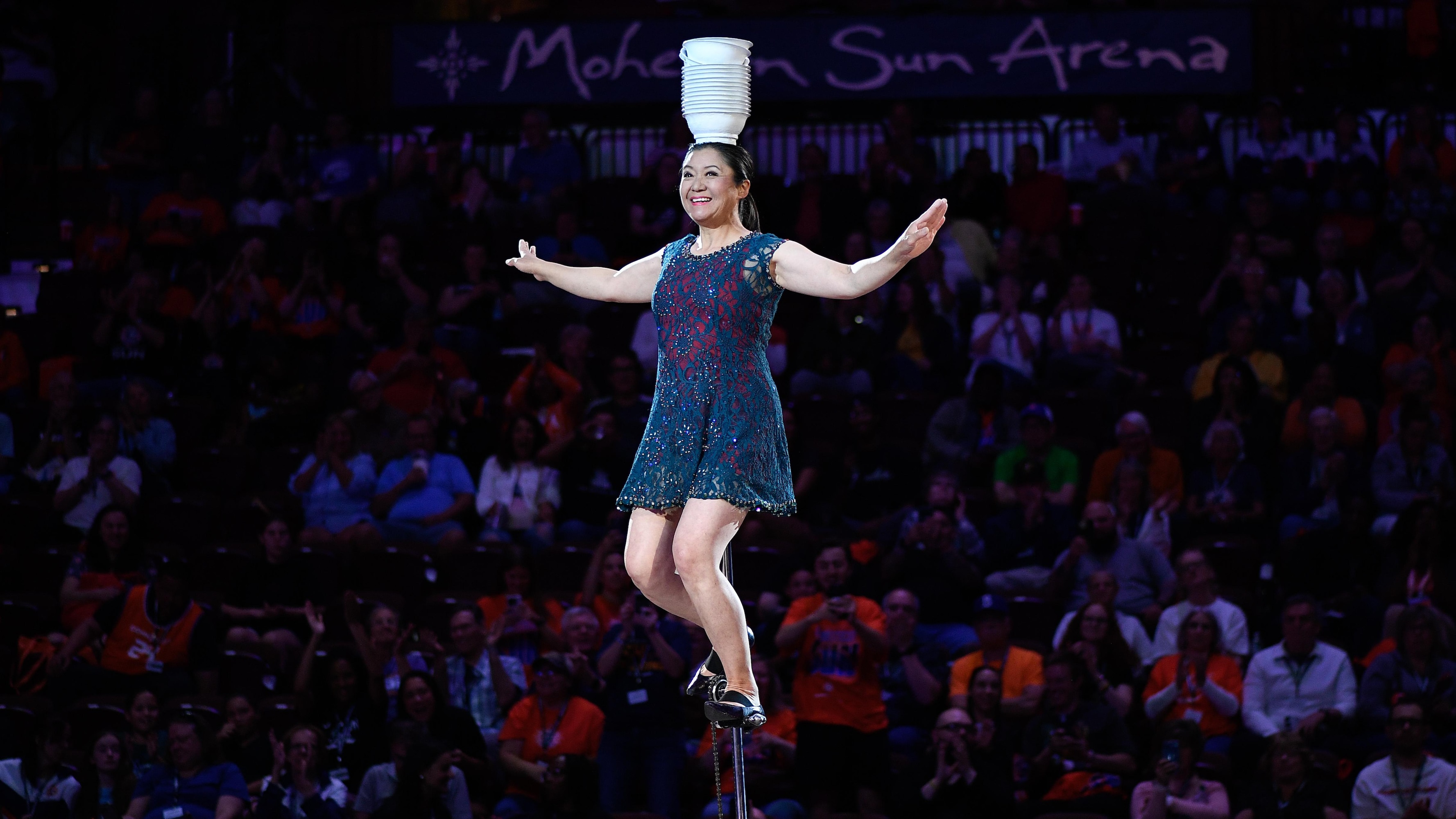
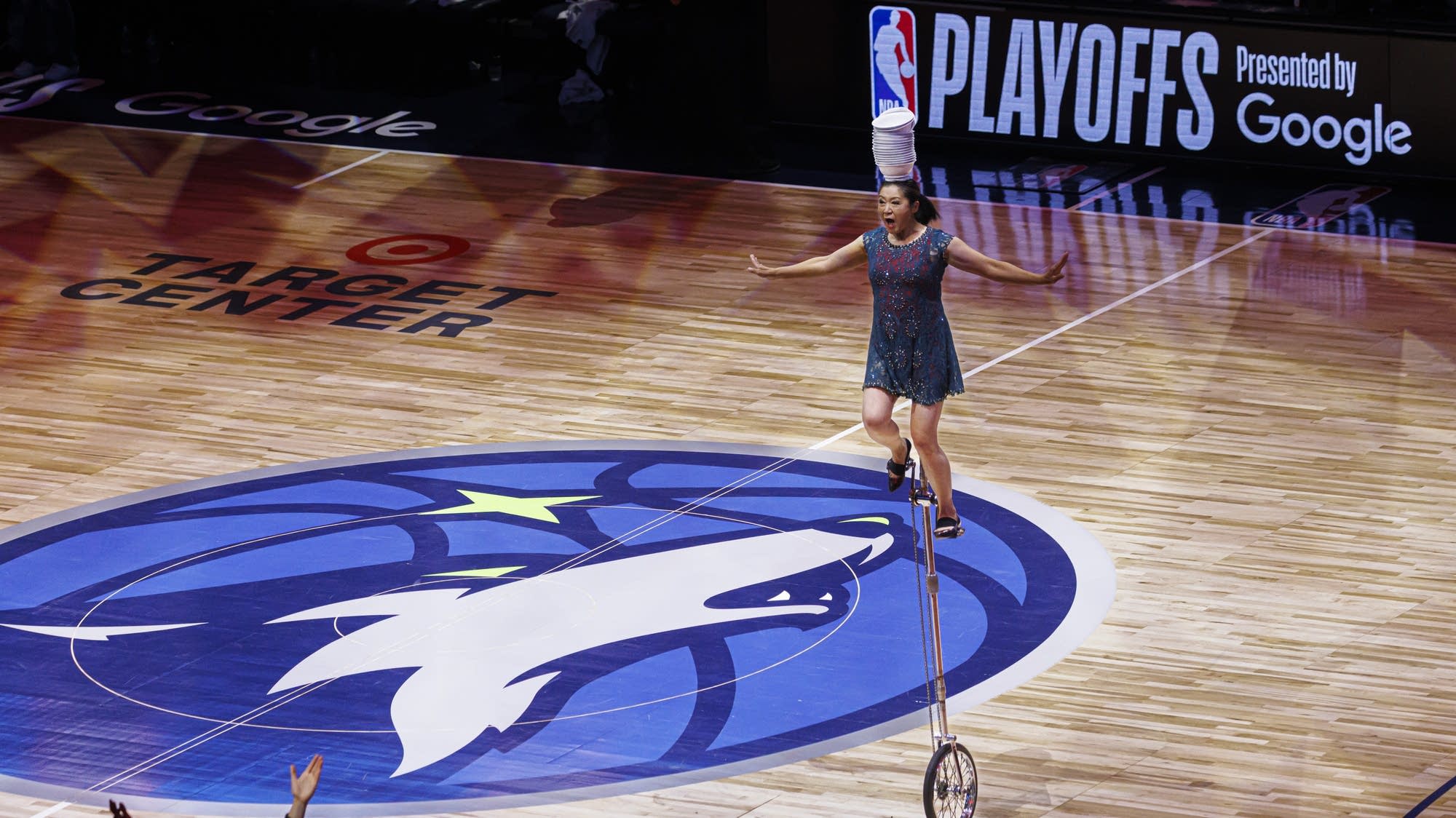
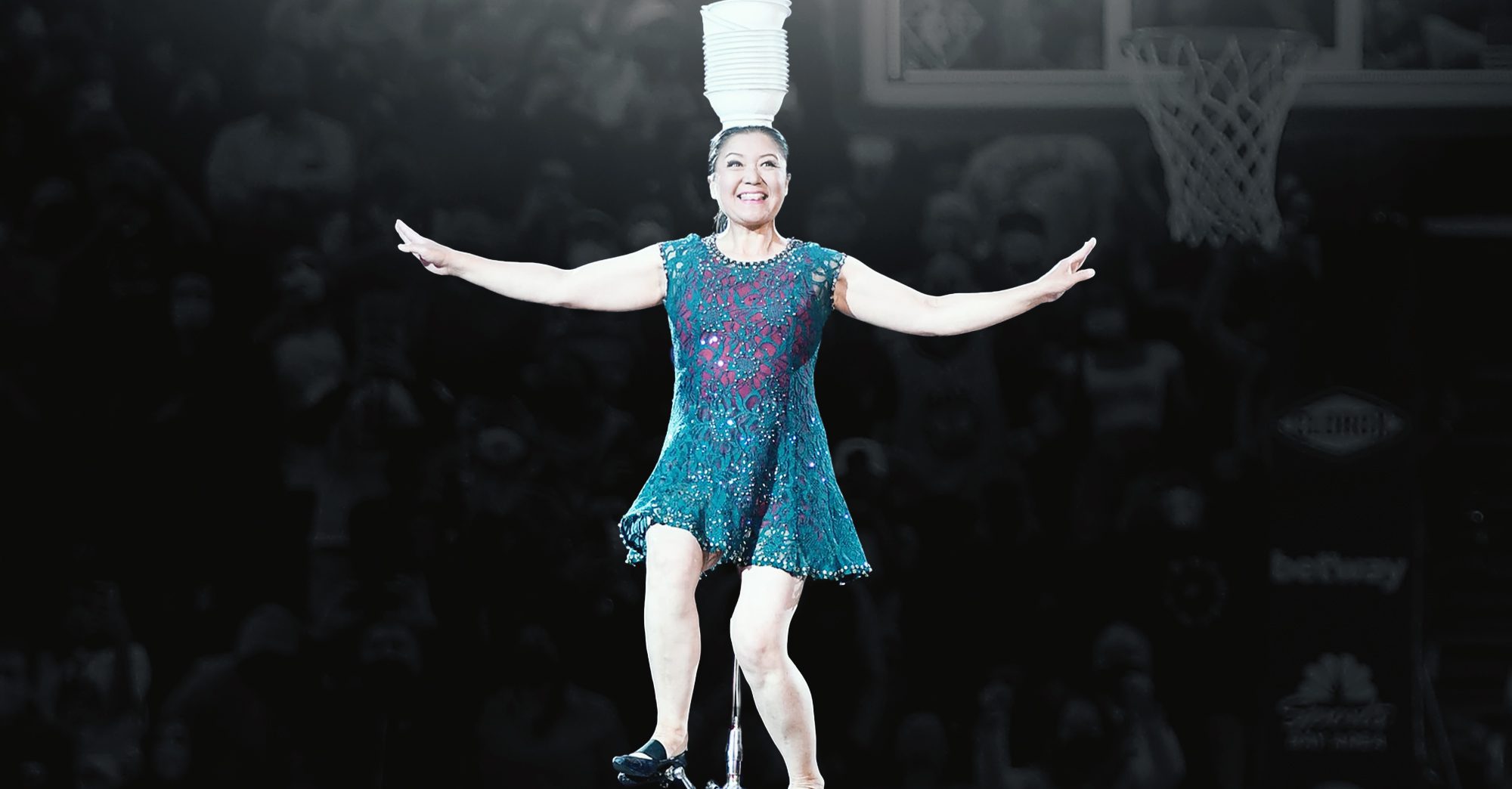
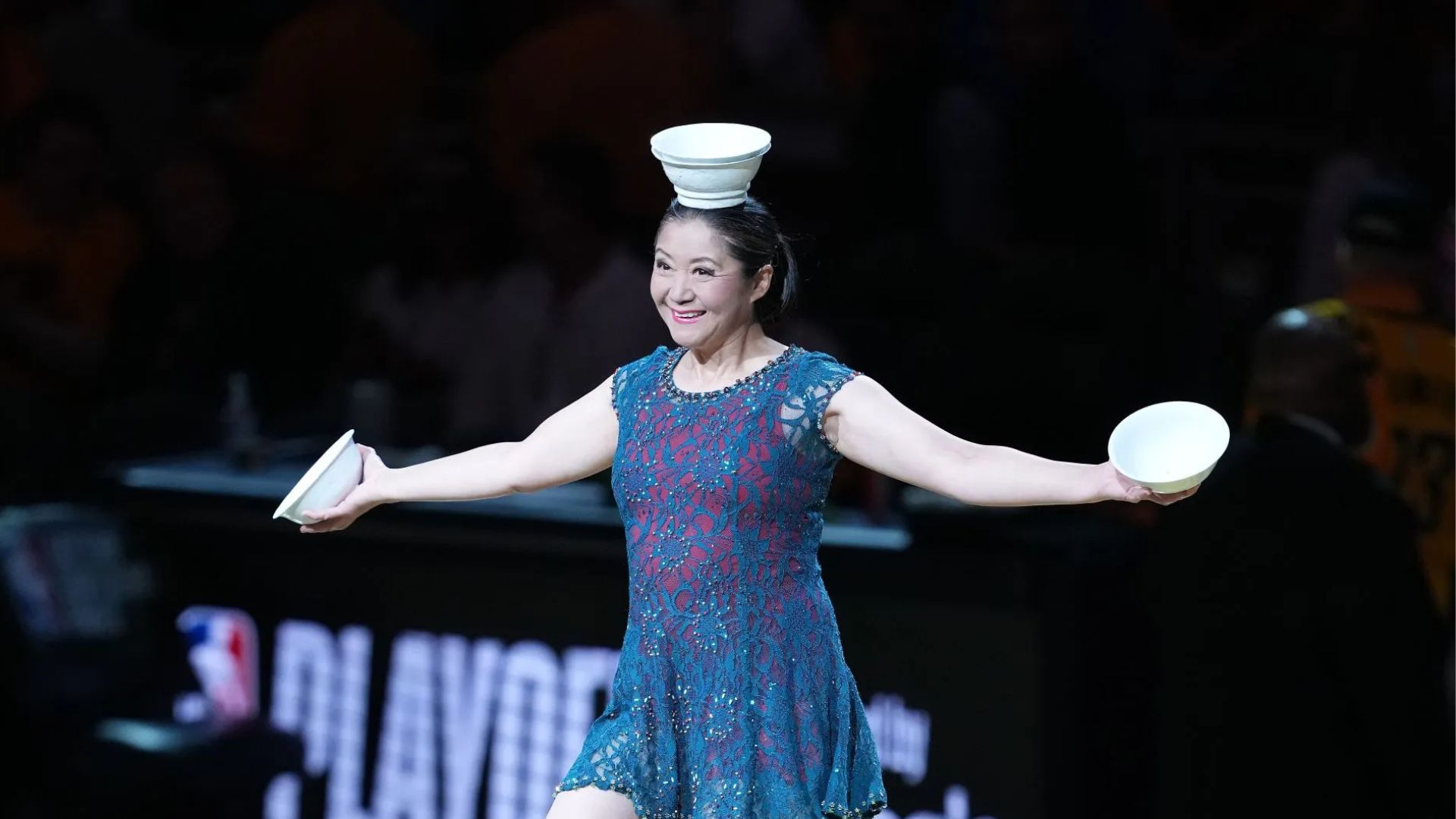
To understand any "incident" involving Red Panda, one must first understand her status. Rong Niu, known professionally as Red Panda, is arguably the most famous halftime performer in the history of the NBA and WNBA. A second-generation acrobat from Shanxi, China, she has been a staple of the hardwood since the early 1990s. Her act—balancing on a seven-foot unicycle while flipping ceramic bowls from her foot onto her head—is widely considered the "Gold Standard" of sports entertainment.
In the WNBA, her presence has often signaled a "big game" atmosphere. As the league’s popularity skyrocketed leading into 2026, Red Panda became a bridge between the league’s foundational years and its modern, high-growth era. Because she is held in such high esteem, any deviation from her perfection—whether logistical or physical—becomes a major point of discussion among fans and sports media.
The 2018 Unicycle Theft: A Logistics Crisis
The most significant "incident" in terms of external conflict occurred in early 2018. While traveling through San Francisco International Airport (SFO), Rong Niu’s custom-made, seven-foot unicycle was stolen from the baggage claim area.
This was not merely a piece of sports equipment; it was a highly specialized tool tailored to her height, weight, and center of gravity. For an acrobat who performs at heights with no safety net, the equipment is a matter of life and safety.
The Impact of the Theft
The incident went viral, sparking an outpouring of support from the basketball community. From WNBA legends to NBA coaches like Steve Kerr, the consensus was clear: Red Panda was a "treasure" that needed to be protected. The theft forced her to cancel several scheduled performances, including high-profile WNBA appearances, as she could not simply buy a replacement "off the shelf."
Eventually, the Golden State Warriors and other members of the basketball community offered to fund a new custom unicycle, which cost approximately $25,000. Although the original unicycle was eventually recovered (found in pieces and significantly damaged), the incident served as a wake-up call regarding the vulnerability of independent performers who travel with essential, irreplaceable gear.
The 2024 WNBA Performance Incident: A Human Moment
As of 2026, fans still look back at the 2024 WNBA season as a turning point for Red Panda. During a period of unprecedented league growth—driven by the arrival of stars like Caitlin Clark and Angel Reese—Red Panda was booked for more games than ever before.
During one specific high-profile game in mid-2024, the "incident" involved a rare series of dropped bowls and visible physical fatigue. In a career defined by nearly 30 years of flawless execution, seeing her struggle was a shock to the system for long-time fans.
Why the 2024 Incident Mattered
- The New Audience Factor: Thousands of new WNBA fans were seeing her for the first time. When she dropped a bowl, some social media users—unaware of her 30-year legacy—were critical. This led to a massive "counter-movement" from veteran fans who stepped in to explain the sheer difficulty of her craft.
- The Physical Toll: The incident sparked a serious conversation about the demands placed on halftime performers. Performing at 50+ years of age on a 7-foot unicycle while traveling across time zones is an elite athletic feat.
- The "Red Panda Effect": Despite the drops, the crowd's reaction was overwhelmingly supportive. It demonstrated that the "Red Panda WNBA incident" wasn't about a failure, but about the human connection between a performer and an audience that had grown up watching her.
Technical Specifications and Performance Challenges
The act Red Panda performs is a masterclass in physics and neuromuscular control. Understanding the technical requirements helps clarify why even a minor "incident" or drop is statistically remarkable.
Equipment and Mechanics
Red Panda uses a custom-built unicycle that lacks traditional handlebars, requiring all stabilization to come from the core and lower body. The bowls are weighted ceramic, designed to stack perfectly.
| Feature | Specification | Impact on Performance |
|---|---|---|
| Unicycle Height | 7 Feet | Increases center of gravity; higher risk of serious injury during falls. |
| Bowl Material | Weighted Ceramic | Provides necessary momentum for flips but adds significant weight to the leg. |
| Floor Surface | Varnished Hardwood | Variations in floor wax or humidity can affect unicycle traction. |
| Act Duration | 6–8 Minutes | Requires extreme cardiovascular endurance and "steady-state" focus. |
| Success Rate | ~99% (Historical) | Makes any "incident" or miss a viral event due to its rarity. |
Managing the "Incident": Recovery and Professionalism
Whenever an "incident" occurs—be it a mechanical failure or a physical slip—Rong Niu’s professional response has remained consistent. She typically restarts the sequence immediately. In the world of high-stakes acrobatics, "the save" is often more impressive than the initial attempt.
In the 2024 WNBA season, after a rare miss, the crowd's roar upon her successful second attempt was often louder than the cheers for the game itself. This resilience is what has maintained her marketability into 2026. She has turned potential "incidents" into demonstrations of character, which has only increased her booking value for WNBA playoff games and season openers.
Safety and Environmental Factors in WNBA Arenas
Not all "incidents" are the fault of the performer. The environment of a WNBA arena is highly controlled, but several factors can interfere with an acrobatic act:
- Air Conditioning Drafts: Large arenas have massive HVAC systems. A sudden draft can shift the trajectory of a lightweight ceramic bowl mid-air.
- Court Moisture: If a game is particularly intense or if there is high humidity, the hardwood can become "tacky" or slippery in spots, affecting the unicycle’s tire grip.
- Lighting and Visual Noise: Modern arenas utilize high-intensity LED boards. If a board flashes a bright white light during a bowl flip, it can momentarily disrupt the performer's depth perception.
In 2026, arena managers have become more specialized in "performer-ready" court conditions, partly due to the high-profile nature of the Red Panda incidents in years past.
Common Questions Regarding Red Panda and the WNBA
Has Red Panda ever been injured during a WNBA game?
While she has dealt with chronic issues such as back strain and a major neck injury in 2014, there have been no reports of catastrophic injuries occurring live during a WNBA halftime. Most "incidents" are minor performance slips or logistical issues like the 2018 theft. Her ability to maintain her physical health into 2026 is a testament to her rigorous training and conditioning.
Why is she called "Red Panda"?
The name "Red Panda" is a stage name that reflects her Chinese heritage and the playful, agile nature of the animal. It has become a brand that is instantly recognizable to basketball fans globally. In the context of the WNBA, the name is synonymous with the highest tier of halftime entertainment.
Is there a successor to the Red Panda act?
This is a frequent topic of discussion following any "incident" that suggests she might be nearing retirement. While there are other bowl-flipping acrobats, none have replicated the height of the unicycle, the number of bowls, and the charisma of Rong Niu. As of 2026, she remains the singular figure in this niche, with no "official" successor endorsed by the major leagues.
How much does it cost to book Red Panda for a WNBA game?
While exact contract figures are private, industry estimates for a performer of her caliber range from $5,000 to $10,000 per appearance, plus travel and equipment logistics. Her value is tied to her ability to keep fans in their seats during halftime, which is a critical metric for arena concessions and sponsor visibility.
What happened to the person who stole her unicycle?
Following the 2018 incident at SFO, law enforcement utilized surveillance footage to identify a suspect. However, by the time the unicycle was recovered, it had been discarded and damaged. The incident led to stricter protocols for how "oversized professional equipment" is handled at major airport hubs for itinerant performers.
Professional Advice for Fans and Event Organizers
For those following the career of Red Panda or looking to book similar elite acts, it is essential to recognize the distinction between "entertainment" and "elite athleticism."
- For Fans: If you witness a "miss" during a live performance, understand that you are watching a 50+ year-old athlete perform a feat that 99.9% of the population cannot achieve at any age. The beauty of the act is in the risk.
- For Organizers: The lesson from the Red Panda incidents is the importance of logistics. Providing secure transport for specialized equipment and ensuring the court surface is cleared of any debris or moisture is paramount for performer safety.
Next Actions and Legacy
As we move through 2026, Red Panda continues to perform, albeit with a more selective schedule that prioritizes major WNBA and NBA events. Fans wishing to see her live should monitor the halftime schedules of high-market teams like the New York Liberty, Las Vegas Aces, or Indiana Fever, where she is a frequent guest.
The "Red Panda WNBA incident" stories, rather than tarnishing her reputation, have solidified her as a humanized legend. She is a reminder that even the most perfect performers face challenges, and her ability to overcome equipment theft, physical aging, and the pressure of a growing spotlight is why she remains the most beloved figure in the rafters.
Image Gallery