The Lasting Consequences of the Assassination of President John F. Kennedy
The assassination of President John F. Kennedy on November 22, 1963, fundamentally altered the trajectory of American governance, social policy, and international relations. Beyond the immediate trauma of the event, it catalyzed the pa...
The assassination of President John F. Kennedy on November 22, 1963, fundamentally altered the trajectory of American governance, social policy, and international relations. Beyond the immediate trauma of the event, it catalyzed the passage of stalled civil rights legislation, escalated U.S. involvement in Southeast Asia, and eroded public trust in governmental transparency, setting the stage for decades of political skepticism and structural reform.
Contents
Immediate Political Shifts and the Transition of Power
The succession of Lyndon B. Johnson to the presidency marked a rapid transition that shifted the focus of the executive branch. While Kennedy’s presidency was defined by a charismatic, youthful approach and an emphasis on the "New Frontier," Johnson utilized his deep legislative experience to maneuver through the shock of the nation.
Within hours of the assassination, Johnson moved to stabilize the federal government. This period was characterized by the necessity of continuity. The assassination occurred during the height of the Cold War; hence, the primary fear among the Joint Chiefs of Staff and the intelligence community was that the event might be a precursor to a wider foreign-led attack. By maintaining a firm hand during the transition, Johnson prevented a constitutional crisis, but the executive branch became significantly more guarded. The loss of Kennedy, a president who often leaned on a close-knit group of intellectuals and family confidants, paved the way for the more centralized and sometimes more aggressive political style of the Johnson administration.
The Legislative Legacy: Civil Rights and the Great Society
One of the most consequential results of the assassination was the shifting fate of the Civil Rights Act of 1964. Before his death, Kennedy had sent the bill to Congress, but it faced intense opposition from Southern Democrats and was largely stalled in committee. Following the assassination, President Johnson reframed the legislation not merely as a policy initiative, but as a memorial to the fallen president.
By invoking the memory of Kennedy, Johnson successfully exerted pressure on Congress to overcome procedural roadblocks. The eventual passage of the Civil Rights Act of 1964, and subsequently the Voting Rights Act of 1965, remains the most tangible legislative outcome of the post-assassination political environment. These acts dismantled legal segregation in the South and expanded federal oversight of elections, fundamentally transforming the American social landscape. This momentum also allowed for the launch of the "Great Society" programs, a series of domestic initiatives intended to eliminate poverty and racial injustice, which arguably might not have achieved such legislative speed without the emotional unity the nation felt in the immediate aftermath of Kennedy’s death.
Foreign Policy and the Escalation in Vietnam
The assassination occurred during a period of complex decision-making regarding Southeast Asia. Historians continue to debate whether Kennedy would have withdrawn U.S. troops from Vietnam, as some evidence suggests he was contemplating a reduction in advisors. However, the result of his death was a distinct policy pivot toward escalation.
Johnson’s primary directive was to avoid appearing weak on communism. With the administration wanting to validate the strength of the United States on the global stage following the perceived vulnerability of the assassination, the commitment to Vietnam deepened. The Gulf of Tonkin Resolution, passed less than a year later in 1964, served as the functional authorization for the expansion of the Vietnam War. The assassination removed a president who had successfully navigated the Cuban Missile Crisis with a degree of restraint; his absence left a policy vacuum that was ultimately filled by advisors who favored traditional military intervention, leading to one of the most polarizing eras in American history.
The Erosion of Public Trust and the Culture of Inquiry
The Warren Commission, established by President Johnson to investigate the assassination, concluded that Lee Harvey Oswald acted alone. However, the perceived contradictions in the report and the rapid closure of the investigation fueled a pervasive culture of suspicion. This was a turning point in the relationship between the American public and the federal government.
For the first time in the 20th century, a large segment of the population openly questioned the official narrative provided by the state. This skepticism became a fixture of American political discourse. The failure of the government to fully satisfy the public's desire for transparency regarding the assassination contributed to the broader distrust that would later erupt during the Watergate scandal and the revelations of the Church Committee in the 1970s. The assassination essentially institutionalized the concept of the "conspiracy theory" as a lens through which to view American power, creating a lingering divide between the government and the governed that persists in 2026.
Structural Changes in Government and Security
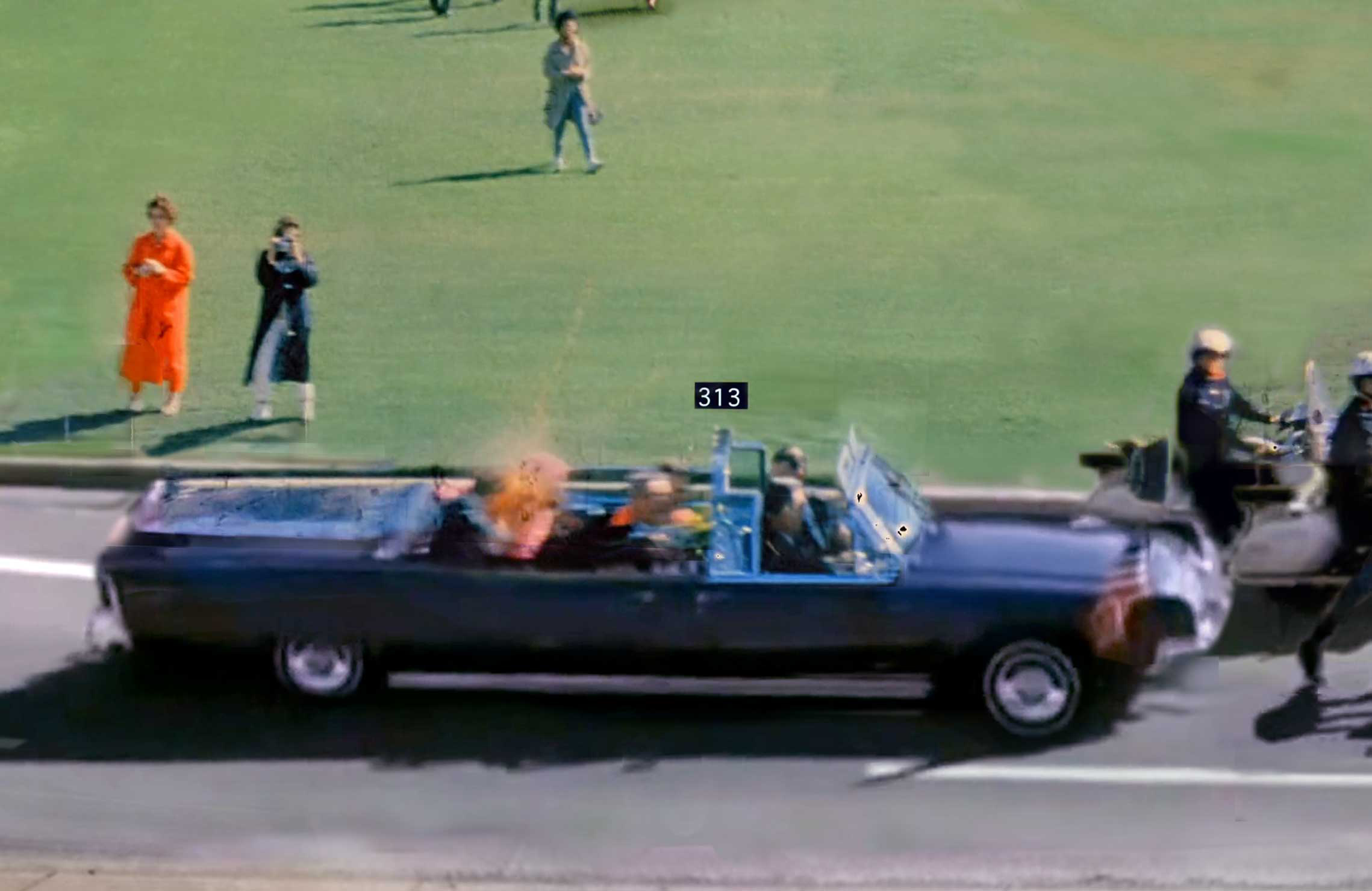
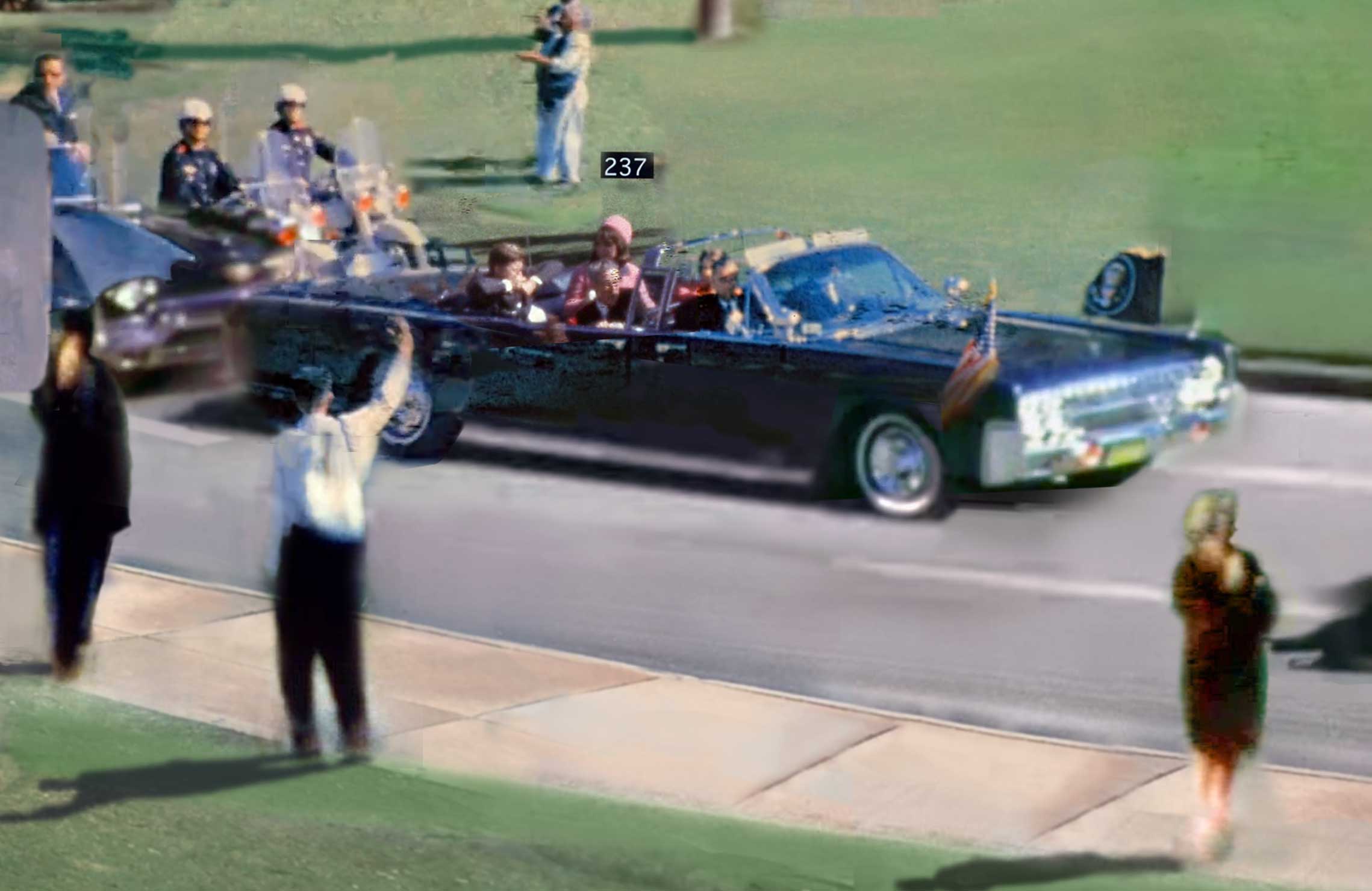
The protection of the President changed irrevocably on November 22, 1963. The Secret Service underwent a massive overhaul in the years following the assassination. The "bubble top" limousine, which offered little in the way of ballistic protection, was replaced by sophisticated, armored vehicles. Tactical procedures were completely rewritten; motorcades were curtailed, routes were kept secret until the last possible moment, and the physical security protocols for public appearances became exponentially more stringent.
Furthermore, the assassination led to the 25th Amendment to the Constitution, ratified in 1967. The confusion regarding presidential succession—and the lingering questions of what would have happened if Kennedy had survived but remained incapacitated—highlighted a dangerous lack of clarity in the existing constitutional framework. The amendment clarified the procedures for replacing a president who is incapacitated or dies, ensuring that the executive branch has a clear line of succession, a protocol that remains vital to national stability today.
Summary of Post-Assassination Impacts
| Domain | Outcome | Long-term Effect |
|---|---|---|
| Civil Rights | Passage of the 1964/1965 Acts | End of legalized segregation |
| Foreign Policy | Escalation in Vietnam | Increased global military presence |
| Governance | 25th Amendment ratification | Clearer presidential succession rules |
| Public Sentiment | Rise of widespread skepticism | Decline in institutional trust |
| Security | Reform of Secret Service protocols | Hardened protective measures for officials |
Frequently Asked Questions
Did the assassination of John F. Kennedy directly cause the Vietnam War?
While the war in Vietnam existed as a Cold War conflict prior to 1963, the assassination facilitated a shift in executive strategy. The loss of Kennedy’s specific approach to foreign policy allowed for the rapid escalation pursued by the Johnson administration, formalized by the Gulf of Tonkin Resolution.
What was the main purpose of the Warren Commission?
The Warren Commission was formed to investigate the assassination of President Kennedy and provide the American public with a definitive account of the events in Dallas. Its primary goal was to calm national anxieties and provide a factual narrative, though its findings remain a subject of historical debate.
How did the 25th Amendment change presidential succession?
Before the 25th Amendment, there was no formal process for handling presidential disability. The amendment established legal mechanisms for the Vice President to assume the presidency if the President is removed, resigns, or is unable to discharge their duties, preventing power vacuums.
Did the Civil Rights Act pass only because of the assassination?
The Civil Rights Act had strong support from the Kennedy administration, but it was stalled by legislative maneuvering. The assassination provided a moral imperative and political leverage that allowed President Johnson to break the congressional deadlock and secure the bill’s passage.
Has the government released all records regarding the assassination?
As of 2026, the vast majority of records related to the assassination have been released. While some redacted files remain due to ongoing concerns over intelligence sources and methods, most material is available through the National Archives for public and scholarly review.
Moving Forward
The assassination of John F. Kennedy was not merely a tragic moment in time; it was a pivot point that forced the United States to confront its internal contradictions and its role as a global superpower. For those researching this era, the most effective approach is to focus on primary source documentation, such as the declassified records available through the National Archives, to understand the transition from the idealism of the early 1960s to the complex, often disillusioned political reality that followed. Recognizing these impacts helps clarify the current state of American civic life, where the balance between security, transparency, and social progress continues to be defined by the events of that day in Dallas.
Image Gallery