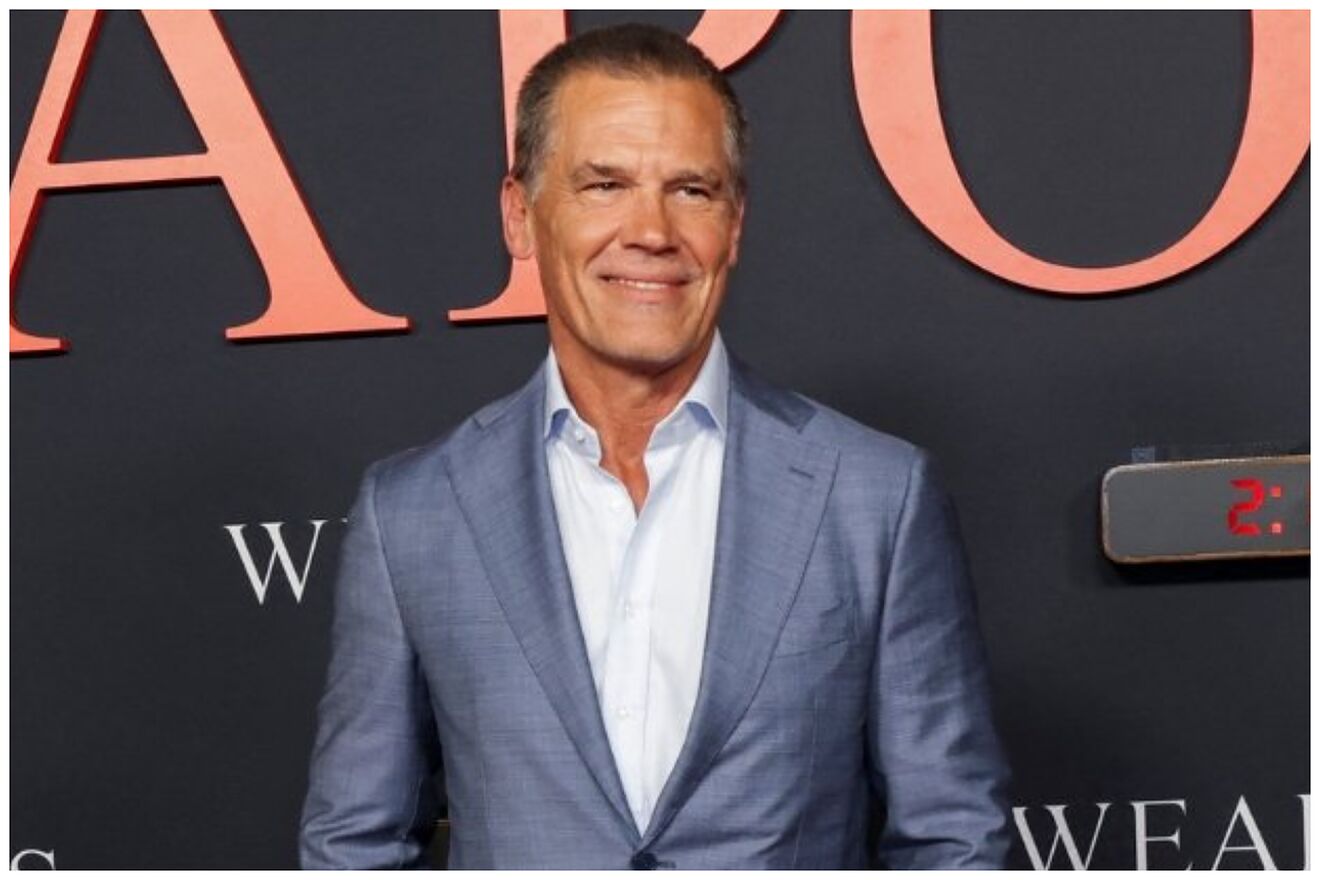
Josh Brolin’s Net Worth and the Impact of the Thanos Role
As of 2026, Josh Brolin maintains a robust net worth estimated between $35 million and $45 million. A significant portion of this wealth has been consolidated through his transition from a respected character actor into a cinematic cen...
As of 2026, Josh Brolin maintains a robust net worth estimated between $35 million and $45 million. A significant portion of this wealth has been consolidated through his transition from a respected character actor into a cinematic centerpiece for the Marvel Cinematic Universe (MCU), specifically through his transformative motion-capture performance as the titan Thanos.
Contents
The Financial Trajectory of a Cinematic Career
Josh Brolin’s career arc is distinct in Hollywood for its sustained longevity and shift in focus. Starting as a teen heartthrob in the mid-1980s with The Goonies, Brolin moved through a period of character-driven indie films and intense dramas before achieving major blockbuster status in middle age. His financial stability is the result of diversifying his work across three distinct tiers: high-budget franchise tentpoles, critically acclaimed auteur-driven projects, and strategic real estate investments.
The late 2000s and early 2010s marked a pivotal shift for Brolin. With performances in films like No Country for Old Men, Milk, and W., his salary floor increased significantly. Unlike actors who rely solely on single-franchise paychecks, Brolin maintained a high volume of work, allowing him to command premium fees for supporting roles in major productions while retaining creative control in smaller, prestige projects.
Analyzing the Thanos Factor: Economic and Professional Impact
The decision to cast Josh Brolin as Thanos in the Marvel Cinematic Universe was a masterstroke of casting that had profound implications for his long-term earning potential. When he first appeared in a non-speaking cameo in Guardians of the Galaxy (2014), the role was essentially a test of marketability for a CGI-heavy antagonist. By the time Avengers: Infinity War and Avengers: Endgame were released, Brolin had become the emotional core of the franchise.
While specific contract figures for MCU actors are rarely made public, the standard compensation model for multi-film villain arcs typically involves a guaranteed base salary supplemented by "back-end" performance bonuses if the films exceed specific box-office milestones. Given that Avengers: Infinity War and Avengers: Endgame both grossed over $2 billion at the global box office, Brolin’s compensation was likely tiered to ensure he benefited directly from the monumental success of these films.
Beyond the immediate paycheck, the Thanos role fundamentally altered Brolin’s "star power" valuation. In the industry, the "Marvel Effect" often results in an exponential increase in an actor’s asking price for subsequent projects. By providing the voice and motion capture for one of the most recognizable cinematic villains in history, Brolin achieved global name recognition, which allowed him to negotiate higher fees for streaming series, independent films, and production ventures.
Comparative Earnings and Valuation Factors
To understand where Brolin stands in the landscape of Hollywood wealth, it is necessary to compare his earnings against the typical financial structure of A-list character actors. Many lead stars in the industry rely on "points" (a percentage of the gross profit), whereas Brolin’s wealth is more diversified, derived from a combination of high-paying franchise appearances and a consistent stream of supporting roles in high-budget films.
| Project Phase | Typical Role Scope | Primary Earning Driver |
|---|---|---|
| Early Career (1985–2000) | Lead/Supporting Actor | Standard SAG-AFTRA minimums |
| Breakthrough (2007–2012) | Leading Man | Increased per-project salary |
| MCU Era (2014–2019) | Franchise Antagonist | Base salary + Box office bonuses |
| Established Veteran (2020+) | Lead/Producer | Salary + Producer/Equity fees |
This progression illustrates how Brolin moved from a variable income model to a stable, high-tier professional compensation structure. His net worth is not solely dependent on one franchise; rather, the Thanos role served as the engine that accelerated his ability to secure capital for his own production interests.
Assets, Investments, and Wealth Management
Josh Brolin’s financial profile is supported by more than just acting fees. Like many high-net-worth individuals in the entertainment industry, Brolin has historically invested in real estate, particularly in the California market. Owning property in high-value areas has served as a reliable hedge against the inherent volatility of the acting industry.
Furthermore, Brolin has moved into the realm of producing. Producers typically earn a "producer fee" and often retain a stake in the ownership of the project. By moving into the producer’s chair, Brolin has transitioned from being an employee of a studio to a stakeholder in the intellectual property itself. This shift is common among actors who have reached a net worth tier that allows for greater financial autonomy and risk-taking.
Common Misconceptions Regarding Celebrity Net Worth
A frequent point of confusion for fans is the distinction between "gross earnings" and "net worth." Publicly available net worth estimations often fail to account for the substantial overhead associated with high-profile acting careers, including:
- Management and Agency Fees: Actors typically pay 10% to their agents and 10% to their managers, plus additional fees for legal representation.
- Production Expenses: When an actor produces a film, their income is often reinvested into the production, reducing their liquid personal net worth in the short term for long-term equity gain.
- Tax Liabilities: As high-income earners, actors are subject to the highest marginal tax brackets, which significantly reduce the amount of "take-home" pay from any single blockbuster salary.
When assessing the financial status of an actor like Brolin, it is accurate to view his net worth as a reflection of his long-term accumulation rather than a singular windfall from the Marvel films.
Frequently Asked Questions
Did Josh Brolin receive a percentage of the box office for the Avengers films? While details of specific contracts are private, it is standard industry practice for top-tier talent in multi-billion dollar franchises to receive performance-based bonuses tied to box-office benchmarks rather than a flat percentage of the total gross.
How much did the Thanos role pay compared to Brolin’s other work? The Thanos role was a long-term investment. While the early cameos paid standard rates, the primary value of the role was the massive exposure and the subsequent "marketability boost" that allowed Brolin to command higher fees for all subsequent projects.
Is Josh Brolin’s net worth solely from acting? No. His net worth is a cumulative total resulting from decades of acting, his shift into producing, and strategic long-term investments in real estate and other financial ventures.
How does motion capture affect an actor's salary? Motion capture roles are technically demanding and require a specific skill set. In the case of Thanos, the physical and vocal performance was central to the film’s success, which justified compensation structures akin to lead actors rather than voice-only roles.
Does Brolin’s net worth fluctuate significantly year-over-year? Yes. As with most actors, his liquid assets fluctuate based on the production cycles of his films and the timing of contract payments, though his overall wealth trajectory has remained stable due to his diverse portfolio of work.
Strategic Outlook and Next Actions
For those interested in the financial mechanics of Hollywood, Josh Brolin’s career serves as a case study in the value of brand evolution. He moved from an actor who was "hired for the job" to a "franchise-anchor" who provides essential value to a studio. If you are tracking the net worth of public figures, remember that estimations often lag behind current earnings by 12–24 months due to accounting cycles and the time required for major projects to pay out final distributions.
To maintain your own financial health, emulate the diversification Brolin has utilized—avoiding reliance on a single income stream and prioritizing equity-building roles where possible.
Image Gallery