Noetic Science Breakthroughs in Cognitive Enhancement: Bridging Consciousness and Performance
Noetic science breakthroughs in cognitive enhancement utilize the study of consciousness, intentionality, and the mind-body connection to optimize mental performance. By 2026, research into biofield interactions and nonlocal consciousn...
Noetic science breakthroughs in cognitive enhancement utilize the study of consciousness, intentionality, and the mind-body connection to optimize mental performance. By 2026, research into biofield interactions and nonlocal consciousness has provided practical protocols—such as heart-brain coherence and focused intentionality training—that significantly improve neuroplasticity, memory retention, and executive function beyond traditional pharmacological interventions.
Contents
The Evolution of Noetic Science in the Modern Era
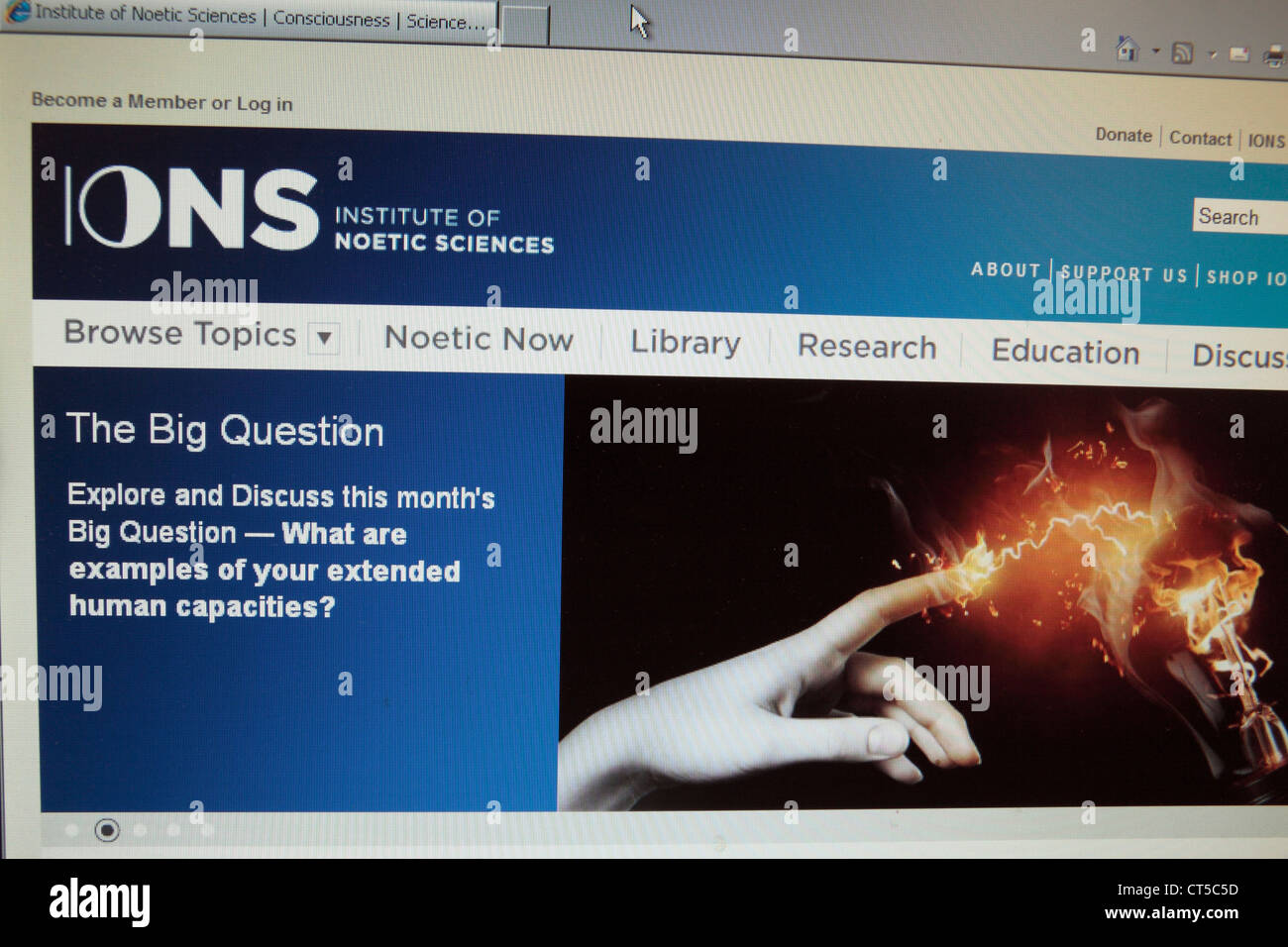
Noetic science, a term derived from the Greek word noēsis (meaning inner knowing or intuitive mind), has long occupied the space where subjective experience meets objective measurement. Historically dismissed as fringe, the field gained institutional credibility through organizations like the Institute of Noetic Sciences (IONS), founded by Apollo 14 astronaut Edgar Mitchell. By 2026, the convergence of high-resolution neuroimaging and quantum biology has transformed noetic science into a primary driver of cognitive enhancement strategies.
The core premise of noetic science is that consciousness is not merely a byproduct of matter (the brain) but a fundamental property that can actively influence physical reality. In the context of cognitive enhancement, this shifts the focus from "fixing" the brain with chemicals to "training" the mind to rewire the brain's neural architecture. Breakthroughs in this field emphasize the role of the observer, suggesting that our beliefs and intentions are biological imperatives that dictate the efficiency of our synaptic connections.
Research published in journals such as the Journal of Consciousness Studies has increasingly focused on how "noetic states"—deeply immersive, focused states of awareness—can trigger gene expression (epigenetics) related to brain-derived neurotrophic factor (BDNF). This protein is essential for the survival of existing neurons and the growth of new ones, making it a "holy grail" for cognitive longevity and peak mental performance.
Intentionality and the Neuroplastic Brain
One of the most significant breakthroughs by 2026 involves the quantification of intentionality. While traditional psychology has always recognized the power of goal setting, noetic science treats intention as a measurable force. Studies involving random number generators (RNGs) and human intention have paved the way for "Intentionality Training" protocols that enhance the prefrontal cortex's ability to maintain focus amidst digital distractions.
The mechanism behind this enhancement is rooted in neuroplasticity. When an individual engages in high-level intentionality—defined as a sustained, coherent thought directed toward a specific outcome—the brain exhibits increased gamma wave activity. Gamma waves are associated with high-level information processing and "peak" experiences. Noetic breakthroughs have demonstrated that by utilizing specific mental "anchors," individuals can voluntarily enter these high-performance states, effectively self-regulating their cognitive load.
This is not merely a psychological trick. It involves the deliberate manipulation of the autonomic nervous system. By 2026, clinicians are using noetic-based cognitive protocols to treat "attention fragmentation," a common modern ailment. These protocols require no drugs but instead rely on the participant’s ability to visualize and "intend" neural clarity, a process now verified by real-time fMRI data showing immediate structural shifts in the brain's white matter tracts during intense periods of directed intention.
Biofield Interactions and Heart-Brain Coherence
A major pillar of noetic cognitive enhancement is the study of the human biofield—the complex system of energy and information that surrounds and permeates the human body. Research from the HeartMath Institute and similar organizations has reached a tipping point in 2026, proving that the heart’s electromagnetic field is a primary regulator of cognitive clarity.
The breakthrough lies in "Heart-Brain Coherence," a state where the heart’s rhythmic patterns become highly ordered. When the heart is in a state of coherence, it sends signals to the amygdala and the prefrontal cortex that reduce the "noise" of the stress response. This allows for what noetic scientists call "Global Scaling" of cognition, where disparate parts of the brain work in synchronized harmony.
Practical Benefits of Coherence Training:
- Reduced Cortisol Levels: Direct reduction in stress hormones that otherwise "fog" the brain and inhibit memory retrieval.
- Enhanced Intuition: Improved ability to process non-linear information, essential for complex problem-solving in high-stakes environments.
- Emotional Regulation: The ability to remain cognitively sharp even during emotional turbulence, a key component of executive function.
By 2026, wearable technology that measures heart rate variability (HRV) has become sophisticated enough to provide "Noetic Feedback." These devices don't just track steps; they track the quality of the user’s consciousness, alerting them when their biofield is disorganized and offering 60-second "coherence resets" to restore cognitive function.
The Convergence of Tech-Noetic Feedback
The year 2026 marks the arrival of Tech-Noetic Convergence, where sophisticated hardware meets subjective mental discipline. We have moved beyond simple meditation apps into the realm of "Neuro-Adaptive Environments." These are workspaces or home systems that use EEG and biofield sensors to adjust lighting, sound frequencies, and even oxygen levels based on the user's current noetic state.
One specific breakthrough is the use of Binaural Biofeedback. Unlike static binaural beats, these systems record the user's current brainwave patterns and generate a counter-frequency in real-time to "guide" the brain into the desired state—whether that is the Alpha state for creative flow or the Theta state for deep memory encoding.
Furthermore, the "Extended Mind" hypothesis—the idea that our cognition exists both within and outside the skull—is being tested through collective intentionality experiments. Silicon Valley firms are reportedly using "Noetic Coherent Groups," where teams synchronize their heart-brain states before a sprint, leading to documented increases in collective intelligence and a reduction in project "friction."
Comparing Cognitive Enhancement Modalities
To understand the value of noetic breakthroughs, it is helpful to compare them with more traditional methods of cognitive enhancement available in 2026.
| Feature | Nootropics (Pharmacological) | Neurofeedback (Technological) | Noetic Science (Subjective/Informational) |
|---|---|---|---|
| Primary Mechanism | Neurotransmitter modulation | Brainwave entrainment via external stimuli | Intentionality and biofield coherence |
| Onset of Effect | Rapid (30–60 minutes) | Gradual (multiple sessions) | Immediate (state-based) |
| Sustainability | Low (requires constant intake) | Moderate (long-term neural shifts) | High (self-regulated skill) |
| Side Effects | Potential chemical dependency/crash | Minimal (mild fatigue) | None (self-correcting) |
| Primary Goal | Increased alertness/focus | Targeted frequency optimization | Holistic mental integration and intuition |
| Cost (2026) | $50–$200 per month | $150 per session | Free to low-cost (after initial training) |
Practical Protocols for Enhancing Mind and Memory
Implementing noetic science breakthroughs into daily life does not require a laboratory. The research of the last decade has distilled complex theories into actionable steps.
1. The 5-Minute Coherence Protocol
This is the foundational noetic exercise for cognitive clarity.
- Step 1: Shift your attention to the area of the heart.
- Step 2: Breathe slower and deeper than usual, imagining the breath flowing in and out of the heart center.
- Step 3: Activate a positive feeling, such as gratitude or appreciation for someone or something in your life.
- Step 4: Maintain this state while visualizing your upcoming cognitive task (e.g., a meeting or study session) being completed with ease and clarity.
2. Intentionality Anchoring
To prevent "attention drift," noetic scientists recommend using a physical anchor. By 2026, "Mindful Haptics" are common—small, textured objects that individuals touch to trigger a pre-conditioned state of deep focus. The key is to associate the touch with a specific "noetic signature" (a feeling of total mental presence) repeatedly until the neurological link is established.
3. Nonlocal Information Retrieval
Based on the theory of the "Extended Mind," some practitioners use a simplified version of remote viewing or "intuitive scanning" to access information. This involves quietening the analytical mind (the "noise") to allow intuitive hits regarding a problem to surface. While controversial, many 2026 executive coaches include this in their high-performance toolkits.
Limits and Ethical Considerations
While the breakthroughs in noetic science are promising, they are not a panacea. The primary limitation is the requirement for active participation. Unlike a pill, noetic cognitive enhancement requires mental discipline and consistent practice. It is a "skill-based" enhancement rather than a "consumption-based" one.
Ethically, there are concerns regarding "Noetic Privacy." As sensors become more capable of reading biofield signatures and heart-brain states, the question arises: who owns your consciousness data? In 2026, legal frameworks are just beginning to catch up with the reality of "neuro-rights," ensuring that individuals' internal states cannot be monitored without explicit consent.
Furthermore, there is the risk of "spiritual bypassing," where individuals use noetic techniques to ignore underlying psychological issues. Noetic science is intended to complement, not replace, traditional mental health care and sound lifestyle choices like sleep, nutrition, and exercise.
FAQ
What is the most significant noetic breakthrough of 2026?
The most significant breakthrough is the validation of the Biofield-Neural Link. This research has proven that the human biofield carries information that directly influences synaptic firing patterns, allowing for "top-down" cognitive control that was previously thought impossible without external stimulation.
Can noetic science help with age-related cognitive decline?
Yes. Studies at the Institute of Noetic Sciences (IONS) have shown that elderly participants who engage in regular heart-brain coherence and intentionality training show significantly slower rates of hippocampal shrinkage. By 2026, these practices are being integrated into standard geriatric care as "Cognitive Resilience Training."
How long does it take to see results from these techniques?
While the physiological shift (heart rhythm stabilization) happens within seconds, the structural changes in the brain (neuroplasticity) typically require 6 to 8 weeks of consistent daily practice (approximately 15–20 minutes per day).
Is noetic science recognized by mainstream medical boards in 2026?
It is increasingly recognized as a "complementary and integrative" approach. Many medical boards now include biofield therapies and intentionality training under the umbrella of "Integrative Neuro-Cognitive Medicine," particularly for stress-related cognitive impairment.
Do I need special equipment to use noetic breakthroughs?
While 2026-era wearables and EEG sensors can accelerate the learning process by providing objective feedback, the core techniques of noetic science are based on internal mental processes and can be performed without any technology.
Next Steps for Cognitive Enhancement
To begin leveraging noetic science for your own cognitive enhancement, start with the Heart-Brain Coherence protocol twice daily. For those seeking a more rigorous approach, explore the resources provided by the Institute of Noetic Sciences (IONS) or the HeartMath Institute.
By focusing on the quality of your consciousness and the clarity of your intentions, you can move beyond the limitations of traditional nootropics and tap into a sustainable, self-directed form of peak mental performance. The future of cognitive enhancement is not just in what we put into our bodies, but in how we direct the power of our minds.
Image Gallery