Jeff Barry Net Worth: Career Earnings, Music Catalog Valuation, and Legacy
American songwriter, singer, and record producer Jeff Barry has an estimated net worth between $10 million and $20 million. His fortune stems from a legendary career spanning more than six decades, built on co-writing dozens of Billboa...
American songwriter, singer, and record producer Jeff Barry has an estimated net worth between $10 million and $20 million. His fortune stems from a legendary career spanning more than six decades, built on co-writing dozens of Billboard chart-topping pop hits, enduring television theme songs, and generating continuous global publishing royalties.
Contents
Understanding Jeff Barry’s Financial Standing and Net Worth
Jeff Barry’s net worth reflects the long-term wealth potential of music publishing and intellectual property ownership. Unlike performing artists whose income relies heavily on touring and live ticket sales, master songwriters in the mid-to-late 20th century accrued ongoing wealth through publishing rights, mechanical royalties, performance royalties, and sync licensing.
Because private financial records and private publishing contracts are not publicly disclosed, net worth figures for songwriters are calculated using industry estimates. These estimates evaluate:
- Historic Song Sales: Physical record sales across vinyl, cassette, CD, and modern digital downloads.
- Global Airplay & Streaming Residuals: Micro-royalties collected by Performance Rights Organizations (PROs) like BMI and ASCAP whenever songs are played on radio, television, or digital streaming platforms.
- Synchronization Licensing: Fees paid by film studios, television networks, streaming services, and corporate advertisers to license classic compositions.
- Television Theme Residuals: Consistent performance royalties earned from syndicated network television programs broadcast around the globe.
Given the perpetual commercial performance of his catalog, financial analysts and music industry researchers consistently estimate Barry’s net worth in the multi-million-dollar range.
The Brill Building Era: Building the Foundation of Wealth
Jeff Barry (born Joel Adelstein in July 1938) established his financial and artistic foundation in New York City’s historic Brill Building sound during the early 1960s. After scoring his first major commercial success in 1960 by co-writing "Tell Laura I Love Her" (a Top 10 hit for Ray Peterson), Barry formed a legendary songwriting partnership with Ellie Greenwich, whom he married in 1962.
Working alongside producer Phil Spector and record executive Jerry Leiber, Barry and Greenwich became one of the most commercially successful songwriting teams of the 20th century. During this era, music publishers typically split composition royalties 50/50 with songwriters. Songs written during this period generated significant upfront mechanical royalties due to massive physical single sales.
Core Hits of the 1960s Partnering Era
- "Da Doo Ron Ron" (The Crystals, 1963): Reached No. 3 on the U.S. Billboard Hot 100, generating international sales and cover versions across multiple decades.
- "Chapel of Love" (The Dixie Cups, 1964): Reached No. 1 on the Billboard Hot 100, selling over one million copies and becoming a staple wedding anthem.
- "Leader of the Pack" (The Shangri-Las, 1964): Captured the No. 1 spot in the United States and became a timeless pop culture artifact, yielding decades of sync licensing income.
- "Do Wah Diddy Diddy" (Manfred Mann, 1964): Hit No. 1 in both the U.S. and the UK, establishing global revenue streams across North America and Europe.
- "River Deep – Mountain High" (Ike & Tina Turner, 1966): Co-written with Phil Spector, this track became a critical milestone and entered major international music halls of fame, maintaining high radio play for decades.
During the mid-1960s, Barry also co-founded Red Bird Records with Jerry Leiber and Mike Stoller. Although Red Bird operated for a relatively brief window, controlling the record label allowed Barry to participate in master recording profits alongside his publishing royalties—a rare financial arrangement for pop songwriters of that era.
Bubblegum Pop, The Monkees, and Television Theme Wealth
Following his early pop success, Jeff Barry expanded his business portfolio into music production, artist development, and television scoring. This shift diversified his earnings beyond traditional record sales into recurring broadcast residual checks.
Producing and Writing for The Monkees and Neil Diamond
In 1966, producer Don Kirshner hired Barry to write and produce material for The Monkees, a manufactured pop group with a smash-hit television series. Barry co-wrote and produced "I'm a Believer," recorded by The Monkees. The single became the biggest-selling record of 1967, holding the No. 1 spot on the Billboard Hot 100 for seven consecutive weeks and selling over ten million physical copies worldwide.
Around the same time, Barry helped launch the career of Neil Diamond by co-producing early classics such as "Solitary Man," "Cherry, Cherry," and "Girl, You'll Be a Woman Soon," securing producer royalties and executive production credits on early Bang Records releases.
"Sugar, Sugar" and The Archies
In 1969, Barry co-wrote (with Andy Kim) and produced "Sugar, Sugar" for the animated group The Archies. The track became the Billboard Song of the Year in 1969, topping charts in the U.S., UK, Canada, and South Africa. Because the group consisted of fictional animated characters, the record label and producers retained a higher share of net profits compared to traditional live bands who required standard touring and operational expenses.
Iconic Television Theme Songs
Recognizing the long-term value of television broadcast royalties, Barry moved to Los Angeles in the 1970s to compose themes and background music for network television shows. Network TV themes yield exceptional performance royalties because every broadcast, rerun, and global syndication airing triggers a public performance payout to the composer through PROs like ASCAP or BMI.
Barry composed or co-composed some of the most recognized themes in television history:
- "Movin' On Up" (The Jeffersons): Co-written with Ja'Net DuBois, this gospel-infused opener ran for 11 seasons on CBS and remains widely syndicated globally.
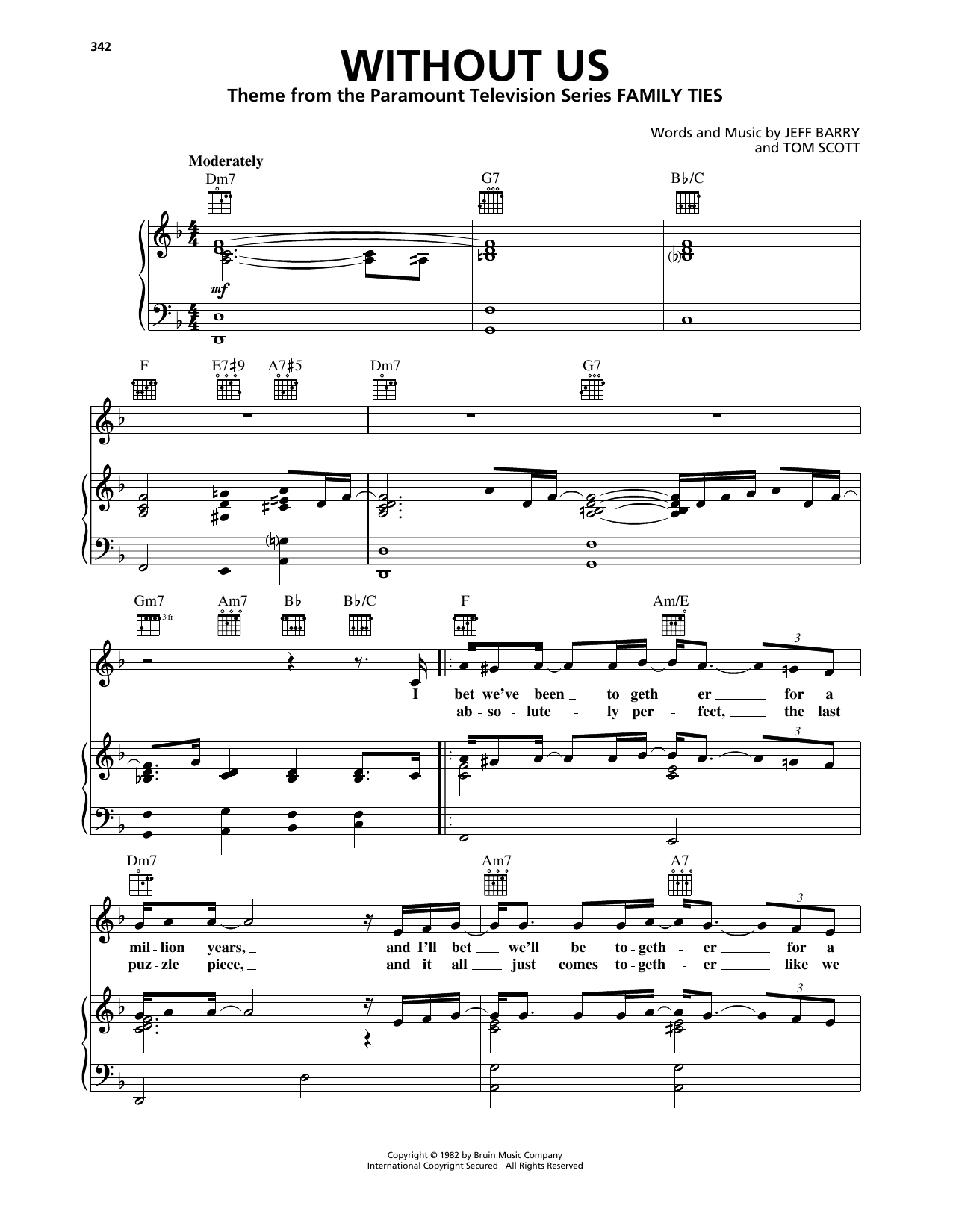
- "Without Us" (Family Ties): Co-written with Tom Scott, this duet performed by Johnny Mathis and Deniece Williams ran through the 1980s and continues to air on streaming networks.
- Theme for One Day at a Time: Co-written with his second wife, Jan Standards, supplying recurring royalty payouts across decade-spanning syndication package sales.
Breakdown of Key Songs and Royalty Impacts
The following table summarizes Jeff Barry’s major hits, their chart peaks, and their primary mechanisms for generating wealth over time:
| Song Title | Release Year | Primary Recording Artist | Peak Chart Position (US) | Primary Royalty & Revenue Sources |
|---|---|---|---|---|
| "Tell Laura I Love Her" | 1960 | Ray Peterson | #7 | Mechanical sales, international covers |
| "Da Doo Ron Ron" | 1963 | The Crystals | #3 | Radio performance royalties, sync licensing |
| "Chapel of Love" | 1964 | The Dixie Cups | #1 | Film sync, event performance, radio airplay |
| "Leader of the Pack" | 1964 | The Shangri-Las | #1 | Movie soundtracks, mechanical re-issues |
| "Do Wah Diddy Diddy" | 1964 | Manfred Mann | #1 | Global performance, sports stadium licensing |
| "I'm a Believer" | 1966 | The Monkees | #1 | Physical sales (10M+), film sync (Shrek) |
| "River Deep – Mountain High" | 1966 | Ike & Tina Turner | #88 (US) / #3 (UK) | Classic rock radio, performance rights |
| "Sugar, Sugar" | 1969 | The Archies | #1 | Global physical sales, commercial licensing |
| "Movin' On Up" | 1975 | TV Theme (The Jeffersons) | N/A | Television syndication, streaming residuals |
| "Without Us" | 1982 | TV Theme (Family Ties) | N/A | TV broadcast, international network sync |
Primary Revenue Streams Driving Jeff Barry's Net Worth
Jeff Barry’s ongoing wealth is sustained by several distinct financial channels within the music publishing ecosystem:
- Jeff Barry Net Worth
- Mechanical Royalties
- Physical & Digital Sales
- Performance Royalties
- Radio, TV, & Digital Streaming
- Sync Licensing
- Film, TV, & Commercials
- Production Residuals
- Label Sales & Producer Royalties
- Mechanical Royalties
1. Performance Royalties (ASCAP / BMI)
Every time a song written by Jeff Barry is broadcast on terrestrial radio, satellite radio, television networks, or streaming services (such as Spotify, Apple Music, or YouTube), a performance royalty is generated. Given that Barry’s hits are considered "evergreens"—songs that maintain regular airplay across decades—these payouts represent a continuous, passive income stream.
2. Synchronization (Sync) Licensing
Sync licensing occurs when a visual medium (film, television episode, video game, or commercial advertisement) uses a musical composition. Hits like "I'm a Believer" have been featured in major motion pictures (including DreamWorks' Shrek franchise), generating lucrative upfront licensing fees alongside performance royalties every time the film is broadcast or streamed.
3. Mechanical Royalties
Mechanical royalties are paid to songwriters and publishers for the reproduction and distribution of their copyrighted works on physical media (CDs, vinyl) and digital platforms (permanent downloads and interactive streams). Despite shifts in media formats, legacy pop classics continue to be reissued in vinyl boxed sets and digital compilations.
4. TV Syndication Residuals
Unlike standard pop records, television themes provide reliable, institutional revenue. Shows like The Jeffersons and Family Ties have enjoyed continuous syndication for over 40 years, yielding steady performance checks each time an episode airs anywhere in the world.
The Valuation of Legend-Era Music Catalogs
In recent years, the financial landscape for iconic songwriters has experienced a major transformation driven by catalog acquisitions. Institutional investment funds (such as Hipgnosis Songs Fund, Primary Wave, Sony Music Publishing, and Universal Music Group) have spent billions purchasing classic publishing catalogs.
Catalogs containing cross-generational hits routinely trade at multiples ranging between 15x and 25x Net Publisher’s Share (NPS).
While the full terms of Jeff Barry's complete publishing setup remain privately held among various publishing entities (including Universal Music Publishing Group andSteeplechase Music), the overall valuation of the publishing rights to hits like "Sugar, Sugar," "Leader of the Pack," and "I'm a Believer" is estimated in the tens of millions of dollars on the open catalog market.
Industry Awards and Financial Legacy
Jeff Barry’s contributions to American music have been recognized with the highest industry honors:
- Songwriters Hall of Fame (1991): Inducted alongside his long-time writing partner, Ellie Greenwich, celebrating their historic impact on pop culture.
- Rock and Roll Hall of Fame (2010): Honored with the prestigious Ahmet Ertegun Award, cementing his legacy among the most influential songwriters in rock and pop history.
- BMI Lifetime Achievement: Received numerous BMI Performance Awards for songs achieving multi-million airplay milestones.
Barry’s financial legacy illustrates how early creative talent, paired with long-term retention of composition rights, builds enduring wealth across multiple media generations.
Frequently Asked Questions
What is Jeff Barry's estimated net worth in 2026?
Jeff Barry's net worth is estimated between $10 million and $20 million. This wealth is primarily derived from his vast music publishing catalog, television theme residuals, and continuous performance royalties across global broadcast media.
What is Jeff Barry’s most profitable song?
Financially, "I'm a Believer" (recorded by The Monkees and later covered by Smash Mouth for Shrek) and "Sugar, Sugar" (recorded by The Archies) are his most profitable compositions due to massive global physical sales, cover versions, and high-value film sync licensing deals.
Did Jeff Barry write the theme song for The Jeffersons?
Yes. Jeff Barry co-wrote "Movin' On Up," the iconic theme song for The Jeffersons, alongside Ja'Net DuBois. The song has provided continuous broadcast performance royalties since the series debuted in 1975.
Is Jeff Barry in the Rock and Roll Hall of Fame?
Yes. Jeff Barry was inducted into the Rock and Roll Hall of Fame in 2010, receiving the Ahmet Ertegun Award alongside Ellie Greenwich for their joint impact on pop and rock music history.
How do music publishers calculate the net worth of legacy songwriters?
Financial analysts calculate a songwriter's net worth by projecting the current annual royalty income (Net Publisher's Share) and applying an industry catalog valuation multiple (typically between 12x and 25x), alongside evaluating cash reserves, real estate, and master recording assets.
Practical Takeaways for Music Industry Professionals
For creators, catalog investors, and music business professionals, Jeff Barry’s financial journey offers several strategic lessons:
- Prioritize Publishing Rights: Early-career contracts that protect publishing shares create long-term passive wealth far superior to single upfront master performance fees.
- Diversify Into Television and Film: Branching out from pop singles into television theme composition establishes consistent, recurring performance income that buffers against shifting pop radio trends.
- Build Evergreen Compositions: Songs with universal lyrical themes (such as love, celebration, or triumph) secure recurring sync opportunities for decades in commercials, films, and holiday programming.
Financial Disclaimer: Net worth figures presented in this article are derived from public records, catalog trade valuations, and music industry estimations. They are provided for informational and analytical purposes only.
Image Gallery