GH CDL Guide: Navigating Ghana Commercial Driver's License Requirements in 2026
Navigating the process of obtaining a Commercial Driver's License (CDL) in Ghana requires strict adherence to regulatory standards set by the Driver and Vehicle Licensing Authority (DVLA). This comprehensive guide covers everything fro...
Navigating the process of obtaining a Commercial Driver's License (CDL) in Ghana requires strict adherence to regulatory standards set by the Driver and Vehicle Licensing Authority (DVLA). This comprehensive guide covers everything from eligibility criteria and medical clearances to testing procedures and license classifications for 2026.
Contents
Understanding the Ghana Commercial Driver's License System
The commercial transport sector in Ghana forms the backbone of the nation's supply chain, logistics, and passenger transit industries. To ensure absolute road safety, the Driver and Vehicle Licensing Authority (DVLA) regulates all commercial vehicle operations under the Road Traffic Regulations. Operating heavy-duty vehicles, buses, or hazardous material carriers demands specialized competencies that go far beyond standard passenger car driving skills.
A standard driver's license is legally insufficient for operating large commercial units. The DVLA classifies commercial licenses into specific tiers based on gross vehicle weight rating (GVWR), passenger capacity, and specialized cargo. Understanding these structural tiers represents the first critical phase for any applicant wishing to enter the commercial transport workforce.
DVLA Commercial License Classifications and Vehicle Categories
Choosing the correct license category depends entirely on the type of vehicle you intend to operate. The DVLA framework categorizes commercial driving permissions to match specific industry demands.
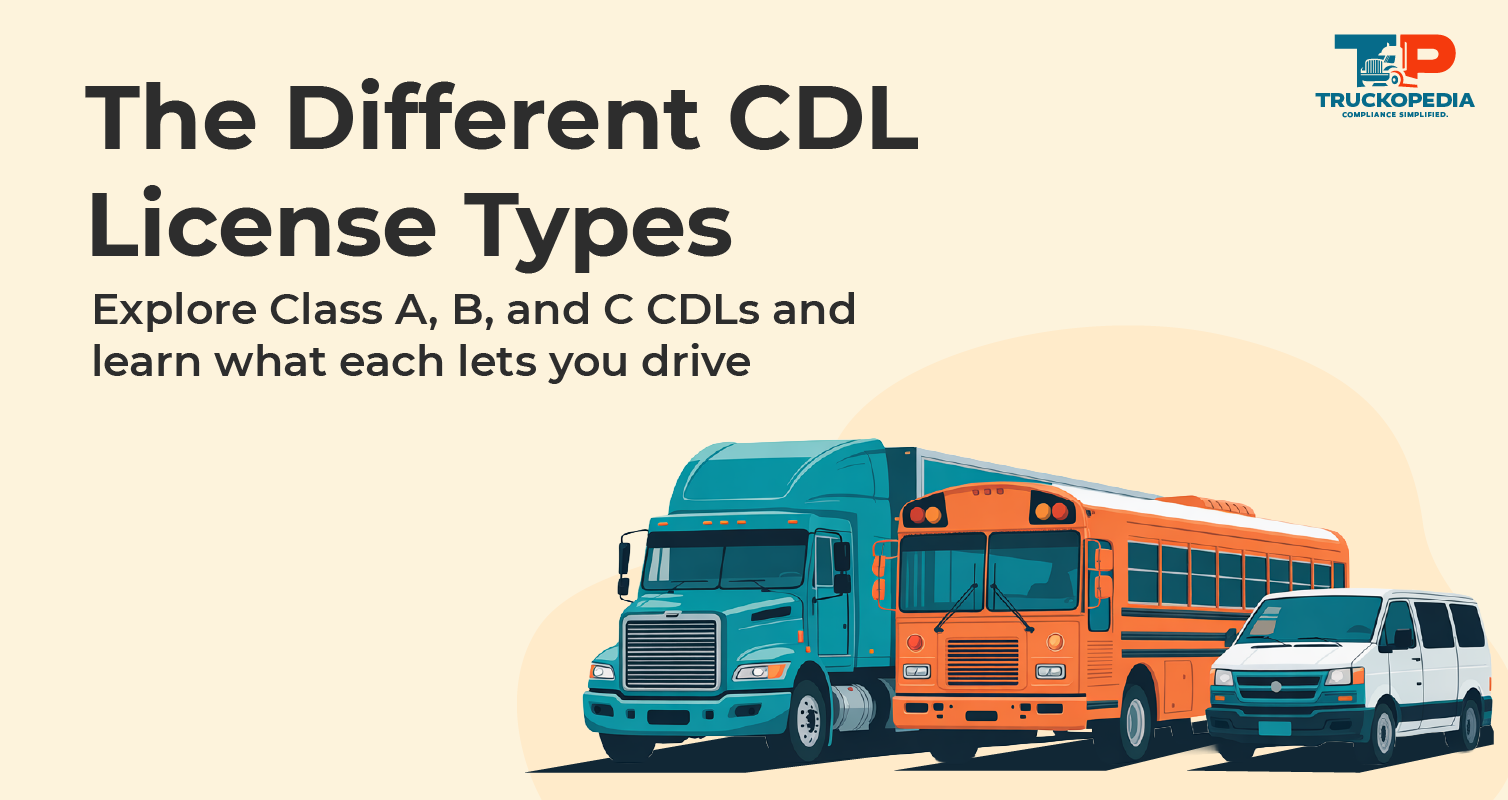
- Class F (Heavy Duty & Articulated): Designed for drivers operating articulated trucks, heavy trailers, and multi-axle freight carriers.
- Class G (Commercial Buses & Coaches): Required for drivers operating mass transit buses, long-distance passenger coaches, and institutional transport vehicles carrying more than a standard seating threshold.
- Class H (Light Commercial & Delivery): Covers light commercial trucks, delivery vans, and utility vehicles used for local goods distribution.
- Specialized Endorsements: Additional clearances required for transporting hazardous materials (Hazmat), petroleum tankers, and oversized industrial equipment.
Regulatory Compliance Note Operating any commercial vehicle without the corresponding DVLA class endorsement constitutes a severe legal violation under Ghanaian traffic laws, resulting in heavy fines, vehicle impoundment, and potential imprisonment.
Core Prerequisites and Eligibility Criteria
Before initiating an application at any DVLA testing center, candidates must meet strict legal, physical, and administrative prerequisites. These standards mitigate operational risks on highways and urban corridors.
- Age Requirements: Applicants must be at least 21 years of age for heavy-duty (Class F) and long-distance passenger (Class G) licenses. Light commercial applicants (Class H) may qualify starting at age 18.
- Foundational Driving Experience: Most commercial tiers require applicants to hold a valid Class B (standard private) license for a minimum of one to two years before upgrading.
- Identity Verification: Valid national identification documents, including the Ghana Card, are mandatory for registration in the DVLA digital database.
- Literacy and Communication: Basic proficiency in reading and writing English and major local languages is necessary to comprehend road signs, manifest documents, and safety instructions.
The Mandatory Medical Fitness Examination
Commercial driving places heavy physical and mental demands on operators. Consequently, passing a comprehensive medical examination administered by a recognized medical practitioner is non-negotiable.
The medical screening evaluates several physiological parameters to ensure road readiness:
- Visual Acuity: Standardized eye tests assessing distance vision, peripheral awareness, and color blindness (essential for interpreting traffic signals and road markings).
- Auditory Function: Hearing tests to ensure drivers can perceive emergency sirens, horns, and mechanical warning sounds.
- Cardiovascular & Metabolic Health: Blood pressure screening, diabetes checks, and overall physical endurance evaluations to prevent sudden incapacitation behind the wheel.
- Substance Screening: Mandatory toxicology screenings verifying the absence of illicit narcotics or excessive alcohol consumption.
Step-by-Step Application and Testing Process
Securing a Ghana Commercial Driver's License involves a structured workflow managed through DVLA digital portals and physical testing yards.
Step 1: Registration and Profile Creation
Begin by visiting the official DVLA portal or an authorized DVLA point of sale to initiate your application. Submit your Ghana Card, existing driver's license (if upgrading), and complete the digital application forms.
Step 2: Vision and Medical Certification
Undergo the mandatory medical screening at a DVLA-approved clinic or accredited medical facility. The examining physician will upload or provide physical certification confirming your fitness to drive commercial vehicles.
Step 3: Theoretical Testing (Computer-Based Test)
Applicants must pass the DVLA Highway Code and Commercial Regulations theory examination. This test covers load distribution rules, fatigue management, speed limits for heavy vehicles, and priority right-of-way laws.
Step 4: Practical Driving Assessment
Upon passing the theory test, candidates proceed to the practical yard and road tests. Examiners evaluate vehicle inspection routines (pre-trip checks), backing maneuvers, parallel parking of large vehicles, hill starts, and smooth road handling under real traffic conditions.
Comparative Overview of DVLA License Tiers
To assist prospective commercial drivers in selecting the appropriate pathway, the following table outlines the key parameters across major commercial license classes.
| License Class | Target Vehicle Type | Minimum Age | Required Prerequisite | Primary Operational Use |
|---|---|---|---|---|
| Class F | Articulated Trucks & Heavy Trailers | 21 Years | Valid Class B (Min. 2 Years) | Cross-border freight, container transport, industrial hauling |
| Class G | Passenger Buses & Coaches | 21 Years | Valid Class B (Min. 2 Years) | Intercity mass transit, municipal bus services, school transport |
| Class H | Light Commercial & Delivery Vans | 18 Years | Valid Class B License | Last-mile delivery, utility services, local cargo distribution |
| Specialized | Hazmat, Tankers, & Heavy Machinery | 25 Years | Class F or G Endorsement | Petroleum distribution, chemical transport, specialized logistics |
Costs, Fees, and Processing Timelines
Budgeting for a commercial driver's license requires accounting for official DVLA schedule fees, medical examination costs, and optional driving school training packages. While official fee structures are periodically reviewed by the Ghanaian government, applicants should expect costs to encompass:
- DVLA application and processing forms.
- Computer-based theory testing fees.
- Practical driving test and yard usage fees.
- License card printing and biometric data capture fees.
Total processing times typically range from two to four weeks, provided all medical clearances and test stages are completed successfully on the first attempt. Enrolling in a certified professional driving school can significantly streamline this timeline by preparing candidates thoroughly for both theoretical and practical evaluations.
Frequently Asked Questions
What is the minimum age requirement to get a heavy-duty commercial license in Ghana?
Applicants must be at least 21 years old to apply for Class F (articulated and heavy-duty) and Class G (passenger bus) commercial driver's licenses. This ensures adequate maturity and driving experience before handling high-risk commercial assets.
Can I apply for a commercial license without holding a standard private license first?
No. The DVLA requires applicants to hold a valid foundational driver's license (typically Class B) for a specified period before upgrading to commercial classifications. This prerequisite ensures that drivers have mastered basic vehicle handling before operating heavy units.
What medical tests are required for a Ghana commercial driver's license?
Mandatory medical evaluations include visual acuity tests, color blindness checks, hearing assessments, blood pressure monitoring, and general physical fitness screenings. These tests are conducted by DVLA-approved medical practitioners to ensure public safety.
How long is the DVLA commercial driver's license valid before renewal?
Commercial licenses in Ghana typically require renewal every two years, accompanied by a re-evaluation of medical fitness. Regular renewals ensure that commercial drivers maintain the health and physical standards required for long-term road operation.
What happens if I fail the DVLA practical driving test?
If you fail the practical test, the DVLA allows you to book a re-test after a mandatory waiting period. Candidates should use this time to address the specific errors noted by the examiner during the assessment, often with the help of a certified driving instructor.
Professional Recommendation for Aspiring Commercial Drivers
Securing your Ghana Commercial Driver's License is a vital milestone toward a stable, rewarding career in national and regional logistics. To maximize your chances of success, invest in professional training at a recognized driving institution, prioritize your physical health to easily clear medical screenings, and study the DVLA Highway Code thoroughly. Maintaining a safety-first mindset on the road protects not only your livelihood and commercial assets but also the lives of countless passengers and fellow motorists.
Image Gallery