Current Population of the Phoenix Metropolitan Area: 2026 Demographic Analysis
As of early 2026, the Phoenix metropolitan area population is estimated at 5.38 million residents. This region, officially designated as the Phoenix-Mesa-Chandler Metropolitan Statistical Area (MSA), spans Maricopa and Pinal counties....
As of early 2026, the Phoenix metropolitan area population is estimated at 5.38 million residents. This region, officially designated as the Phoenix-Mesa-Chandler Metropolitan Statistical Area (MSA), spans Maricopa and Pinal counties. It remains one of the fastest-growing regions in the United States, driven by significant domestic migration and a robust technology-sector expansion.
Contents
Defining the Phoenix-Mesa-Chandler Metropolitan Statistical Area
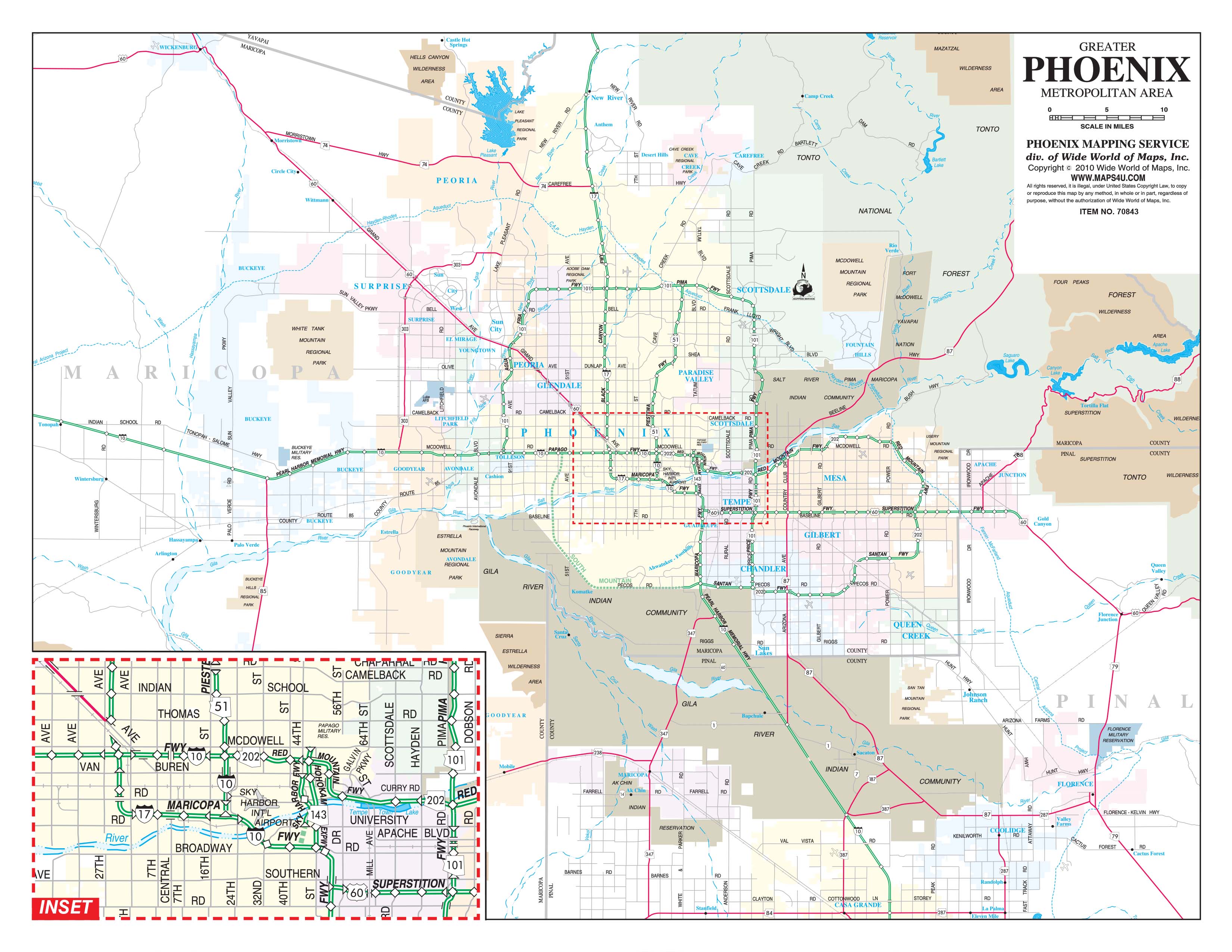
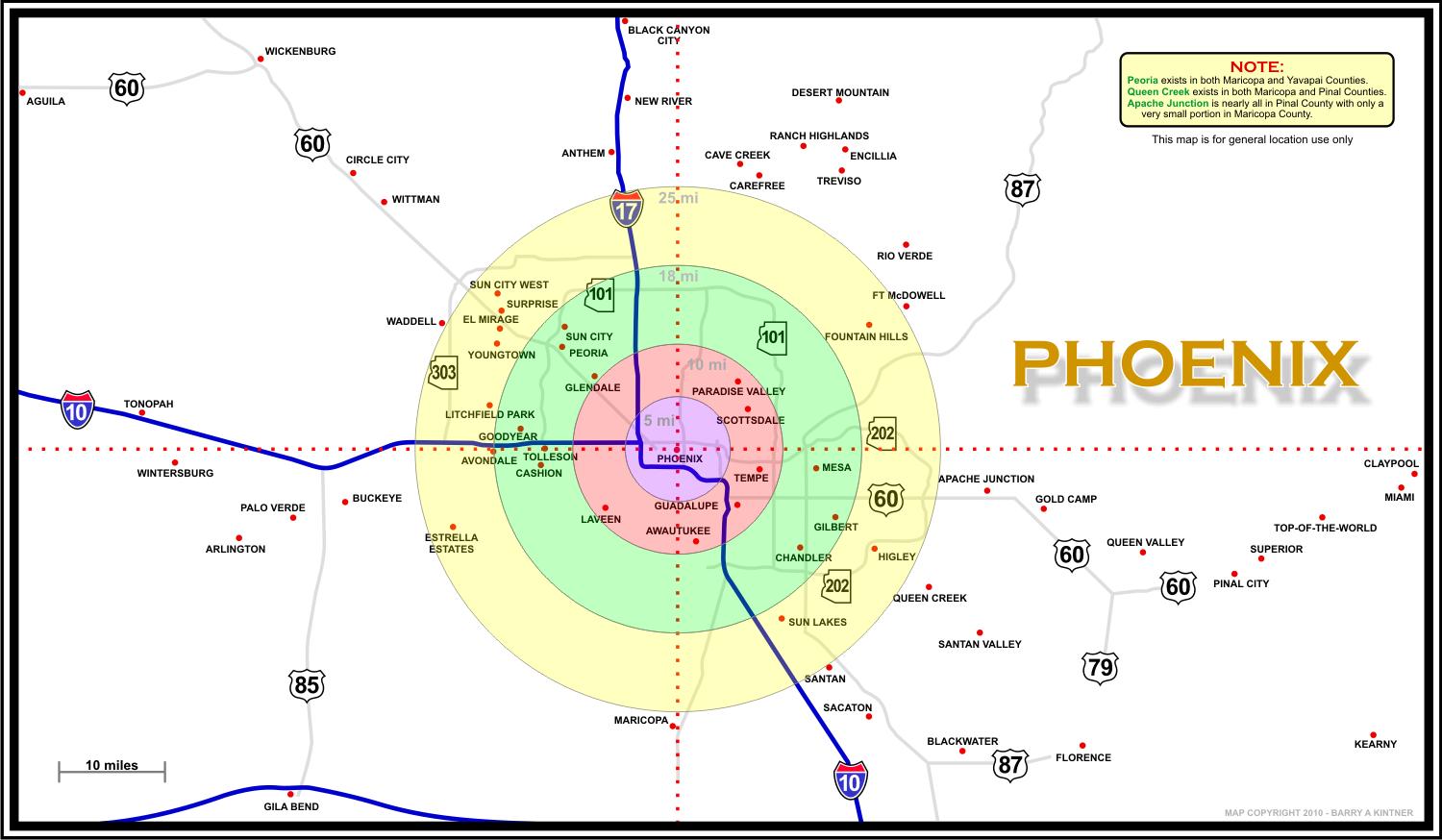
To understand the population of the Phoenix metropolitan area, one must first distinguish between the city of Phoenix and the broader metropolitan region. While the city of Phoenix itself is the fifth-largest city in the United States, the metropolitan area—often referred to locally as the "Valley of the Sun"—encompasses a much larger footprint.
The Phoenix-Mesa-Chandler MSA includes two primary counties: Maricopa County and Pinal County. Maricopa County contains the vast majority of the population and the primary urban core, including cities such as Scottsdale, Tempe, Glendale, and Mesa. Pinal County, located to the southeast, has transitioned from a primarily agricultural region into a significant suburban hub, hosting fast-growing communities like San Tan Valley and Maricopa.
This geographic definition is crucial for planners and investors because the "Phoenix population" often refers to the interconnected labor market and infrastructure network rather than municipal boundaries. The total land area of the MSA exceeds 14,000 square miles, making it larger than several U.S. states, which allows for a unique blend of high-density urban living and sprawling suburban development.
Historical Growth Trends and the 2026 Landscape
The growth of the Phoenix metropolitan area has been a consistent theme in American demographics for over seven decades. Following World War II, the advent of mass-produced air conditioning transformed the region from a seasonal desert outpost into a year-round metropolitan powerhouse.
In the 2020 Census, the Phoenix MSA population was recorded at approximately 4.85 million. By 2024, estimates from the U.S. Census Bureau indicated the region had surpassed the 5.1 million mark. Entering 2026, the growth rate has maintained a steady pace of approximately 1.5% to 1.8% annually. This trajectory is supported by a "perfect storm" of economic factors: a lower cost of living compared to coastal California, a pro-business regulatory environment, and a diversifying economy that is no longer solely dependent on real estate and tourism.
The internal dynamics of this growth have shifted. While the 1990s and 2000s were characterized by "leapfrog" development into the far desert, the 2020-2026 period has seen a dual trend of high-density infill in downtown Phoenix and Tempe, alongside explosive growth in the "outer ring" suburbs.
Primary Drivers of Population Influx
Understanding why the Phoenix metropolitan area population continues to swell requires a look at the "push and pull" factors affecting the American West.
The "Silicon Desert" Evolution
A primary driver for the mid-2020s population surge is the maturation of the semiconductor and high-tech manufacturing industries. The massive investments by Taiwan Semiconductor Manufacturing Company (TSMC) in North Phoenix and the continued expansion of Intel in Chandler have created tens of thousands of high-wage jobs. These projects have not only attracted engineers and technicians but have also spurred a secondary wave of population growth in support services, logistics, and professional sectors.
Inter-State Migration Patterns
Data from the Maricopa Association of Governments (MAG) shows that the majority of new residents arrive from California, Washington, and Illinois. The motivation is frequently economic; even with rising interest rates and housing costs through 2025, the Phoenix metro area offers a significantly lower "tax-to-service" ratio than many Pacific states. Furthermore, the regional interconnectedness provided by the Loop 101, Loop 202, and Loop 303 freeway systems allows residents to live in more affordable peripheral areas while working in the major employment corridors.
Climate and Lifestyle
While summer heat remains a challenge, the "lifestyle" pull of the Phoenix metro continues to attract retirees and remote workers. The region’s 300+ days of sunshine annually, proximity to the Grand Canyon and Sedona, and a world-class culinary and sports scene maintain its status as a top destination for those seeking an active outdoor lifestyle.
Demographic Comparison: Phoenix vs. Major US Peer Cities
The following table compares the 2026 population estimates and growth characteristics of the Phoenix MSA against other major "Sun Belt" and western metropolitan areas.
| Metropolitan Statistical Area (MSA) | Estimated 2026 Population | Annual Growth Rate (Avg) | Median Age (Est.) |
|---|---|---|---|
| Phoenix-Mesa-Chandler, AZ | 5.38 Million | 1.7% | 37.5 |
| Dallas-Fort Worth-Arlington, TX | 8.25 Million | 1.9% | 35.8 |
| Atlanta-Sandy Springs-Alpharetta, GA | 6.42 Million | 1.5% | 36.9 |
| Riverside-San Bernardino, CA | 4.81 Million | 0.8% | 34.2 |
| Denver-Aurora-Lakewood, CO | 3.12 Million | 1.1% | 37.1 |
Note: Data represents regional MSA totals based on current growth projections and local government reporting.
The Rise of the "Outer Ring" Suburbs
One cannot discuss the Phoenix metropolitan area population without highlighting the staggering growth in specific satellite cities. In 2026, cities like Buckeye, Queen Creek, and Goodyear are frequently cited in national statistics as some of the fastest-growing municipalities in the country.
- Buckeye: Located in the far West Valley, Buckeye has transformed from a small town into a city of over 120,000 people. Its vast land area provides room for master-planned communities that attract families looking for new construction at accessible price points.
- Queen Creek/San Tan Valley: This area in the Southeast Valley has seen a massive influx of residents due to its proximity to the tech hubs of Chandler and Gilbert. The completion of major road projects, like the State Route 24 extension, has integrated this area more tightly into the metro core.
- North Phoenix/Deer Valley: This corridor has seen intense development due to the TSMC plant, resulting in a surge of luxury apartments and commercial centers that cater to a younger, tech-focused workforce.
Challenges of Rapid Population Expansion
The 2026 population figures bring with them a set of systemic challenges that regional leaders are currently navigating. The most pressing of these is water management and long-term sustainability.
Water Resource Management
Arizona operates under the 1980 Groundwater Management Act, which requires developers in Active Management Areas (AMAs) to demonstrate a 100-year assured water supply. While the Phoenix metro has historically been very efficient—using less water today than it did in the 1950s despite a much larger population—recent restrictions on new subdivisions relying solely on groundwater have forced a shift toward increased surface water recycling and investment in desalination and regional transfer agreements.
Housing Affordability and Density
The rapid population increase has outpaced the supply of new housing, leading to a significant rise in median home prices and rents. In response, the 2026 urban landscape is becoming noticeably more vertical. High-rise residential towers in downtown Phoenix and mid-rise developments in Scottsdale have become the norm, representing a shift away from the traditional single-family home model that defined the region for decades.
Infrastructure and Transportation
The Maricopa County Department of Transportation (MCDOT) and Valley Metro (the regional transit agency) have accelerated the expansion of the light rail system and bus rapid transit (BRT) lines. These improvements are essential for a metro area approaching 5.5 million people, where traditional highway expansion alone cannot alleviate traffic congestion.
Frequently Asked Questions
Is Phoenix the fastest-growing city in the U.S. in 2026?
While Phoenix often ranks in the top five for raw numeric growth, several suburban areas within the Phoenix MSA, such as Buckeye and Queen Creek, frequently rank higher in terms of percentage growth. Maricopa County remains one of the top counties in the United States for annual population increases due to high levels of domestic migration.
What is the projected population of the Phoenix metro area by 2030?
Current demographic models from the State of Arizona suggest that the Phoenix-Mesa-Chandler MSA will reach approximately 5.7 to 6.0 million residents by 2030. This projection assumes continued economic stability and the successful mitigation of water and housing supply issues.
Which suburbs are seeing the most growth in 2026?
The West Valley (Buckeye, Goodyear, Surprise) and the far Southeast Valley (Queen Creek, San Tan Valley) are seeing the highest rates of residential expansion. Additionally, the North Phoenix area near the Interstate 17 and Loop 303 interchange is experiencing rapid growth due to industrial and commercial developments.
Does the population of Phoenix change seasonally?
Yes, though the "snowbird" effect is less pronounced in the total MSA statistics than it was in the past. Approximately 200,000 to 300,000 seasonal residents move to the Phoenix metro during the winter months. However, the permanent resident base has grown so large that these seasonal fluctuations have a smaller impact on the overall population percentage than they did twenty years ago.
How does the Phoenix population density compare to other cities?
The Phoenix MSA is characterized by relatively low density compared to East Coast cities like New York or Boston. However, the density is increasing. The central corridor of Phoenix and parts of Tempe now reach densities comparable to other major western hubs like Denver or San Diego, though the peripheral suburbs remain largely spread out.
Final Considerations for Residents and Investors
The Phoenix metropolitan area population is not just a static number; it is a reflection of a dynamic, evolving desert economy. For those moving to the region in 2026, the "Valley" offers a diverse range of environments, from the high-energy urban core of Phoenix to the quiet, mountain-adjacent suburbs of North Scottsdale or Peoria.
As the region approaches the 5.4 million mark, the focus has shifted from "growth at any cost" to "sustainable development." Prospective residents should pay close attention to local infrastructure projects and water service providers, as these factors increasingly define property values and quality of life in this rapidly expanding American metropolis.
Image Gallery