The Executive Leadership Behind Jimmy Choo: Understanding the CEO and Corporate Structure
Hannah Colman serves as the Chief Executive Officer of Jimmy Choo, steering the renowned luxury footwear and accessories brand through its modern commercial evolution. Understanding her leadership role requires examining the corporate...
Hannah Colman serves as the Chief Executive Officer of Jimmy Choo, steering the renowned luxury footwear and accessories brand through its modern commercial evolution. Understanding her leadership role requires examining the corporate ownership structure of Jimmy Choo, its integration within global luxury conglomerates, and the operational strategies that define high-end fashion management today.
Contents
Corporate Evolution and Ownership Context
To understand the leadership structure of Jimmy Choo, one must first look at the corporate entities that own and govern the brand. Founded in 1996 by designer Jimmy Choo and editor Tamara Mellon in the East End of London, the company expanded rapidly from a bespoke couture shoemaker into a global luxury powerhouse. Over the decades, ownership shifted through several private equity firms and public offerings before finding its current home within a major luxury group.
In July 2017, Michael Kors Holdings Limited—which later rebranded as Capri Holdings Limited—announced a definitive agreement to acquire Jimmy Choo PLC. This acquisition integrated Jimmy Choo alongside other major fashion houses like Michael Kors and Versace. Under Capri Holdings, executive leadership teams across the individual brands maintained operational focus while leveraging the multinational conglomerate's supply chain, global real estate network, and digital infrastructure.
The Capri Holdings and Tapestry Framework
Capri Holdings operated as a publicly traded New York Stock Exchange entity, guiding Jimmy Choo’s global expansion, retail footprint optimization, and marketing investments. In late 2023, Tapestry, Inc.—the parent company of Coach, Kate Spade, and Stuart Weitzman—announced a proposed acquisition of Capri Holdings.
However, regulatory scrutiny from antitrust authorities, notably the United States Federal Trade Commission (FTC), led to legal challenges regarding market competition within the accessible luxury handbag and footwear sectors. In late 2024, Capri Holdings and Tapestry mutually agreed to terminate the merger agreement following a federal court ruling blocking the transaction. Consequently, Jimmy Choo remains a key operational brand within the Capri Holdings portfolio, maintaining its luxury positioning under established corporate governance.
Hannah Colman: Career Background and Appointment as CEO
Hannah Colman assumed the role of Chief Executive Officer of Jimmy Choo in 2019, succeeding Pierre Denis. Colman is not an outsider brought in from a different industry; rather, her tenure with Jimmy Choo spans over two decades, making her an internal veteran who understands the intricate DNA of the brand.
Before stepping into the CEO position, Colman held various senior leadership roles within the company, including President of Jimmy Choo for EMEA (Europe, Middle East, and Africa) and Chief Merchandising Officer. Her deep involvement in product development, regional market scaling, and retail expansion provided her with a comprehensive view of the luxury goods market long before she took the helm.
Strategic Priorities Under Colman’s Leadership
Since taking over as CEO, Colman has steered Jimmy Choo through significant macroeconomic shifts, including the global retail disruptions of the early 2020s and the subsequent rebound in luxury consumer spending. Her strategic vision centers on several core pillars:
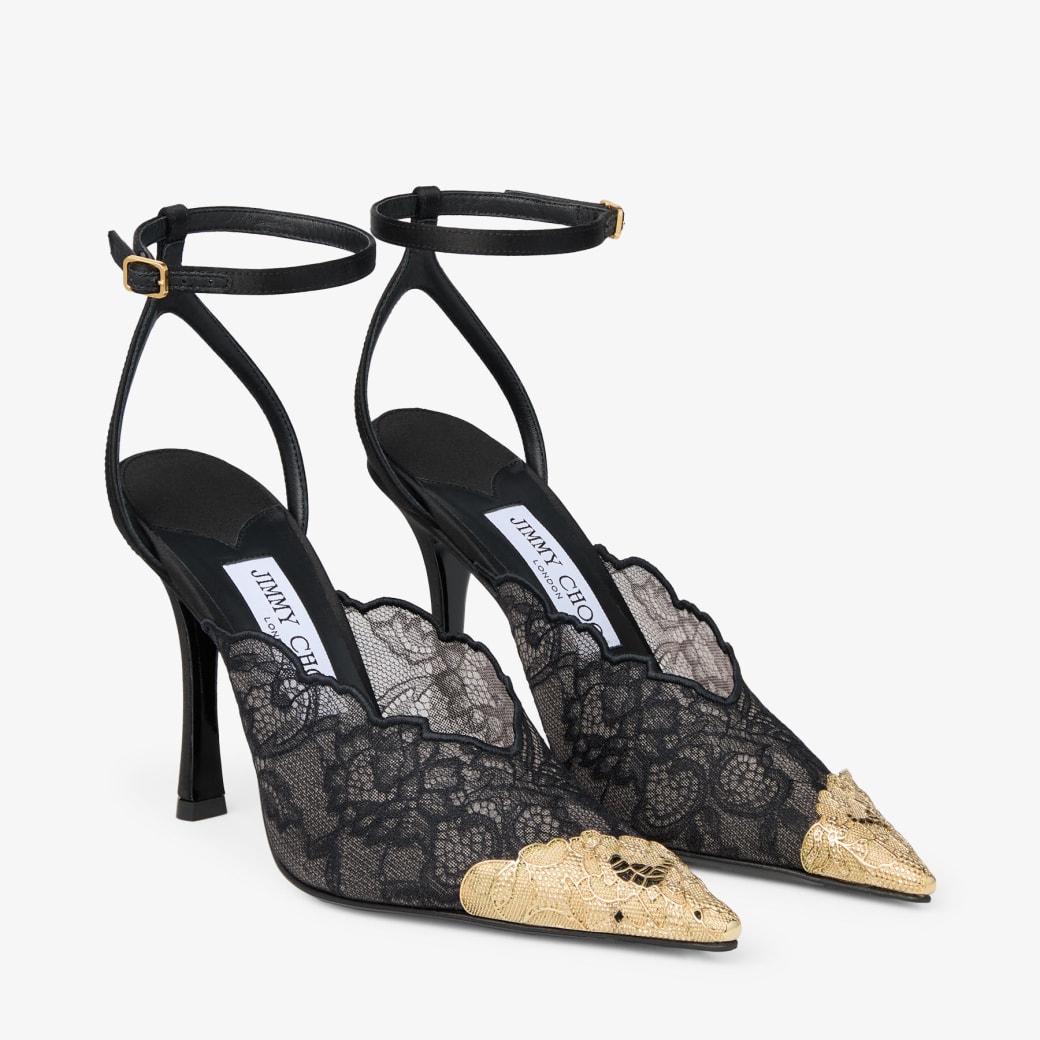
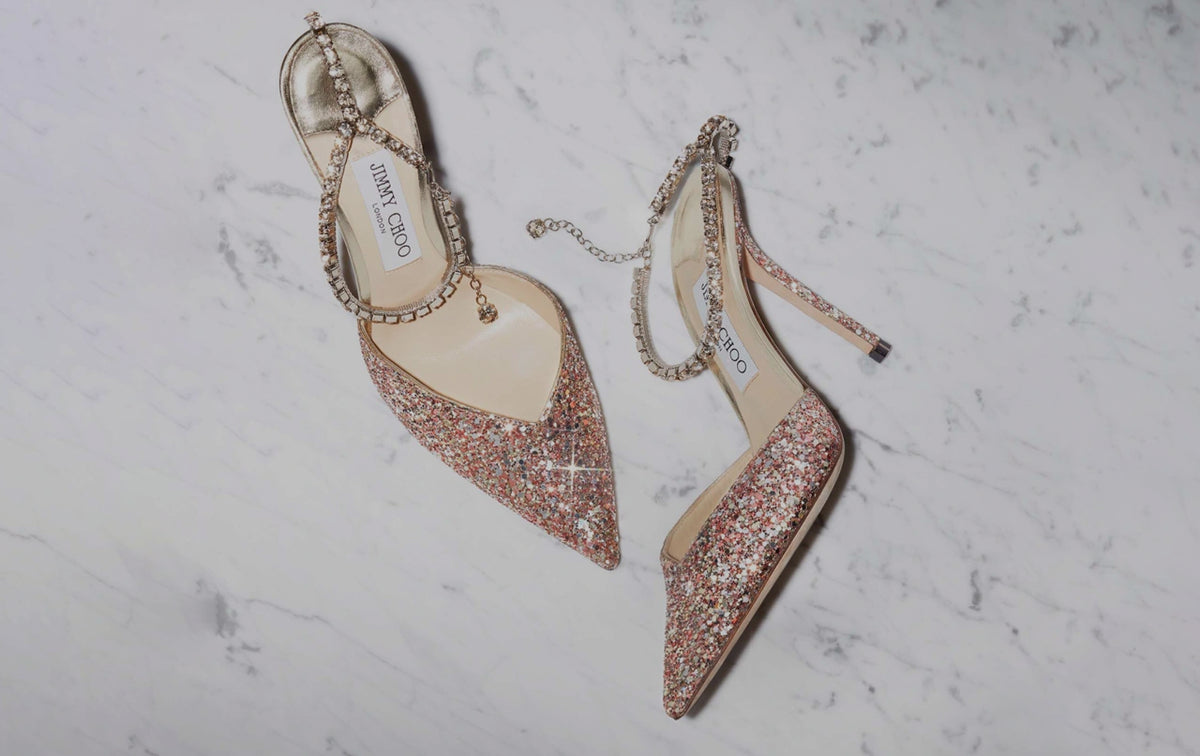
- Product Diversification: While Jimmy Choo remains globally synonymous with red-carpet stiletto heels and bridal footwear, Colman has overseen the expansion of non-footwear categories, notably accessories, leather goods, men's collections, and signature fragrances.
- Digital Transformation and Omnichannel Retail: Enhancing the brand's e-commerce capabilities while maintaining the high-touch, exclusive experience expected in physical boutiques has been a central operational focus.
- Retail Experience and Global Expansion: Managing the physical store network across key luxury hubs in North America, Europe, Asia-Pacific, and the Middle East, ensuring that retail spaces reflect modern architectural concepts and personalized clienteling services.
- Sustainability and Responsible Luxury: Aligning Jimmy Choo with Capri Holdings’ broader environmental, social, and governance (ESG) targets, focusing on ethical sourcing of raw materials, supply chain transparency, and reducing operational carbon footprints.
Key Leadership Comparison Within Capri Holdings
To contextualize the scale and operational scope of Jimmy Choo’s executive office, it is helpful to examine how leadership functions across a multi-brand luxury conglomerate.
| Brand Entity | Parent Organization | Primary Leadership Role | Core Focus |
|---|---|---|---|
| Jimmy Choo | Capri Holdings Limited | CEO (Hannah Colman) | Luxury footwear, accessories, red-carpet positioning, and global retail expansion. |
| Versace | Capri Holdings Limited | CEO (Managed under Capri group structure) | High-fashion ready-to-wear, Italian haute couture heritage, and bold aesthetic branding. |
| Michael Kors | Capri Holdings Limited | CEO (Managed under Capri group structure) | Accessible luxury, sportswear, lifestyle accessories, and broad-market retail reach. |
Frequently Asked Questions About Jimmy Choo’s Leadership
Who is the current CEO of Jimmy Choo?
Hannah Colman is the Chief Executive Officer of Jimmy Choo. She was appointed to the role in 2019 after serving in various senior executive capacities within the company for over twenty years.
Who owns Jimmy Choo?
Jimmy Choo is owned by Capri Holdings Limited, a multinational fashion luxury group that also houses brands such as Michael Kors and Versace.
When was Jimmy Choo founded?
The brand was founded in 1996 by bespoke shoemaker Jimmy Choo and British Vogue accessories editor Tamara Mellon in London. The company opened its first boutique on Motcomb Street in London later that year.
How does Jimmy Choo operate within Capri Holdings?
While Capri Holdings provides centralized corporate functions—such as financial reporting, legal compliance, and overarching strategic mergers—each brand maintains its own dedicated design, merchandising, and executive leadership teams to preserve its distinct market identity and creative integrity.
What are the main business growth areas for Jimmy Choo under its current CEO?
Under Hannah Colman’s leadership, the brand has focused heavily on expanding its luxury accessories and leather goods categories, enhancing digital and omnichannel retail platforms, growing its men's footwear division, and strengthening its footprint in high-growth Asian markets.
Practical Recommendations for Industry Analysts and Observers
For market researchers, investors, and fashion industry observers tracking Jimmy Choo and its executive management:
- Monitor Corporate Filings: Review official quarterly earnings reports and regulatory filings issued by Capri Holdings Limited (NYSE: CPRI) to assess revenue contributions, regional performance metrics, and retail footprint adjustments specific to the Jimmy Choo brand.
- Track Creative and Commercial Synergy: Observe how executive leadership balances heritage product lines (such as iconic evening shoes) with high-growth casual and accessories categories to gauge long-term brand resilience.
- Evaluate Sustainability Disclosures: Consult Capri Holdings’ annual corporate responsibility reports to verify specific progress on Jimmy Choo’s supply chain traceability, material sourcing standards, and carbon reduction milestones.
Image Gallery