Identifying and Avoiding a High Cash Value Life Insurance Scam
High cash value life insurance, such as Whole Life or Universal Life insurance, is a legitimate financial tool that combines a death benefit with a tax-advantaged savings component. However, the complexity of these products makes them...
High cash value life insurance, such as Whole Life or Universal Life insurance, is a legitimate financial tool that combines a death benefit with a tax-advantaged savings component. However, the complexity of these products makes them a common target for misrepresentation and predatory sales tactics. A "high cash value life insurance scam" typically involves deceptive marketing that promises unrealistic investment returns, guaranteed wealth creation, or "free" insurance, often leading consumers into expensive policies they cannot afford or do not need.
Contents
Understanding the Mechanism of Legitimate Policies
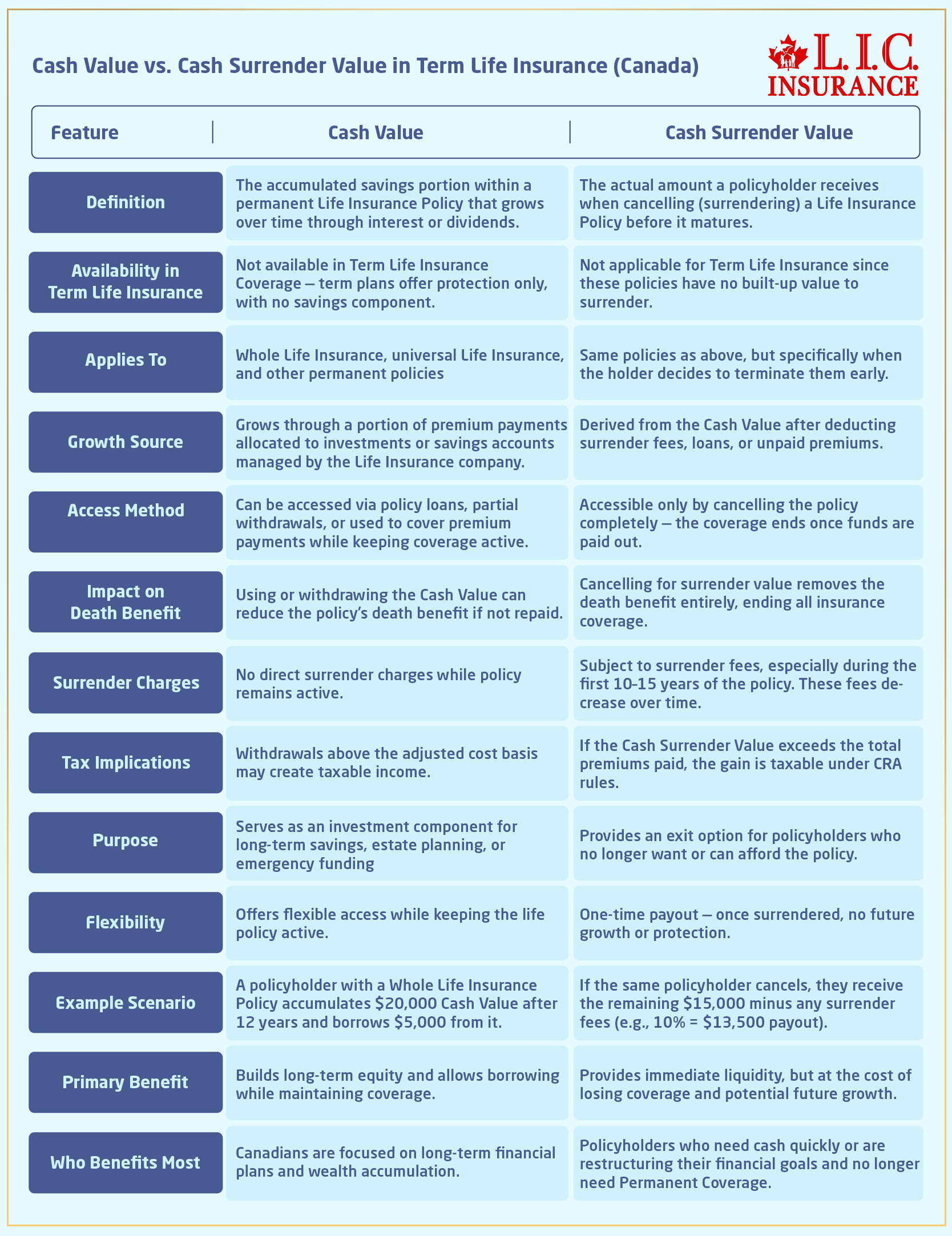
To identify a potential scam, you must first understand how high cash value life insurance—often categorized as permanent life insurance—actually functions. Unlike term life insurance, which provides coverage for a specific duration without an equity component, permanent life insurance stays in effect for your entire life, provided premiums are paid.
A portion of the premium you pay is directed toward the policy's cash value, which grows over time. This growth can occur through fixed interest rates, dividends (in the case of participating whole life policies), or performance tied to market indices (in universal life policies). The cash value can be accessed via policy loans or partial withdrawals. The core "product" here is a combination of risk protection and a savings vehicle, but it is rarely a high-yield investment instrument.
Common Indicators of a Sales Scam
Scams in this sector often rely on sophisticated psychological manipulation rather than outright theft. Because the products are legitimate, the fraud lies in the misrepresentation of the product's capabilities.
1. The "Infinite Banking" or "Bank on Yourself" Pitch
You may encounter high-pressure sales pitches promising that a life insurance policy will allow you to act as your own bank. While policy loans are a real feature of cash value insurance, promoters often omit the high cost of premiums, the impact of compounding interest on unpaid loans, and the potential for policy lapse if the cash value is depleted. When a salesperson guarantees you can "eliminate all debt" or "create infinite wealth" using only a life insurance policy, they are likely ignoring the mathematical constraints of the contract.
2. Unrealistic Rate of Return Projections
If a brochure or agent shows you projections suggesting your cash value will grow at 8% or 10% annually with zero risk, you are likely looking at a deceptive document. Life insurance companies are regulated regarding the interest rate assumptions they can guarantee. Any illustration showing outsized growth is often based on current, non-guaranteed dividend scales or aggressive index assumptions that may never materialize.
3. The "Free Insurance" Fallacy
Some agents argue that because the cash value accumulates, the insurance coverage is essentially "free." This is a fundamental misrepresentation of the Cost of Insurance (COI). COI charges are deducted from your cash value every month to pay for the death benefit. These costs rise significantly as you age. Eventually, if the cash value does not grow as expected, the COI charges can erode the policy value, forcing you to pay massive premiums just to keep the policy from lapsing.
Comparative Analysis: Reality vs. Sales Narrative
| Feature | Realistic Expectation | Common Scam Narrative |
|---|---|---|
| Primary Goal | Death benefit protection | Wealth accumulation/Get rich quick |
| Cash Value Growth | Modest, long-term buildup | High, "market-beating" returns |
| Risk Profile | Low (guaranteed values) | "No risk" despite market linkage |
| Cost Transparency | Explicit fees and COI deductions | "Free" or "costless" insurance |
| Liquidity | Accessible, but incurs interest | "Unlimited" liquid funds |
Red Flags During the Sales Process
If you are evaluating a policy, watch for these specific behaviors:
- Urgency and Pressure: The agent claims you must lock in a rate today or that a "limited-time" tax loophole is closing.
- Lack of Documentation: The agent refuses to provide an "in-force illustration" or a formal ledger that outlines the guaranteed vs. non-guaranteed values of the policy over 20–30 years.
- Ignoring Your Financial Profile: The agent pushes a high-premium, complex permanent policy without asking about your current debts, retirement savings, or actual need for a death benefit.
- Excessive Complexity: If the product is so complex that the agent cannot explain the fee structure or the "break-even" point in simple terms, it may be designed to hide costs.
How to Protect Yourself
Before signing any application or paying a premium, take these protective steps:
- Verify the Agent: Check the license status of your insurance agent through your state’s Department of Insurance website. Legitimate agents are registered and regulated.
- Request the "Specimen Policy": Ask for a sample contract. This document contains the actual legal language regarding fees, surrender charges, and interest calculations.
- Consult a Fiduciary: If you are unsure if a policy fits your financial plan, consult a fee-only financial advisor who does not earn a commission from selling life insurance. A fiduciary is legally obligated to act in your best interest.
- Understand Surrender Charges: Most permanent policies have significant surrender charges that last for 10 to 15 years. This means if you cancel the policy early, you lose a large portion of the money you put in. A scammer will rarely highlight this liquidity trap.
Frequently Asked Questions
Are all high cash value life insurance policies scams? No. Permanent life insurance is a legitimate financial tool used for estate planning, tax-advantaged cash accumulation, and wealth transfer. It becomes a "scam" only when agents provide false projections, omit critical costs, or push policies that are unsuitable for the buyer's financial situation.
What should I do if I suspect I was misled? If you believe you were sold a policy under false pretenses, contact your state’s Department of Insurance immediately to file a complaint. They regulate insurance conduct and can investigate agents who utilize deceptive sales practices.
Is the "Infinite Banking Concept" legitimate? The concept is based on real policy features—specifically the ability to borrow against cash value—but the claims made by its proponents are often exaggerated. Many people lose money because they do not account for the interest charged on the loans or the loss of "lost opportunity cost" on the money borrowed.
Can I get a refund if I was scammed? Most life insurance policies include a "free look" period (typically 10 to 30 days) during which you can cancel the policy and receive a full refund of your premiums. If this period has passed, recovering funds is much harder and may require legal assistance or intervention from state regulators.
Next Steps for Financial Security
If you are currently considering a high cash value policy, prioritize transparency. Require your agent to provide a "full disclosure" document that includes every fee, commission, and charge associated with the policy. If the agent expresses reluctance, walk away. Always remember that life insurance is primarily designed to provide a death benefit; if you are looking for pure investment growth, you should compare the net-of-fee performance of a policy against standard brokerage accounts and retirement vehicles like a 401(k) or IRA.
Image Gallery