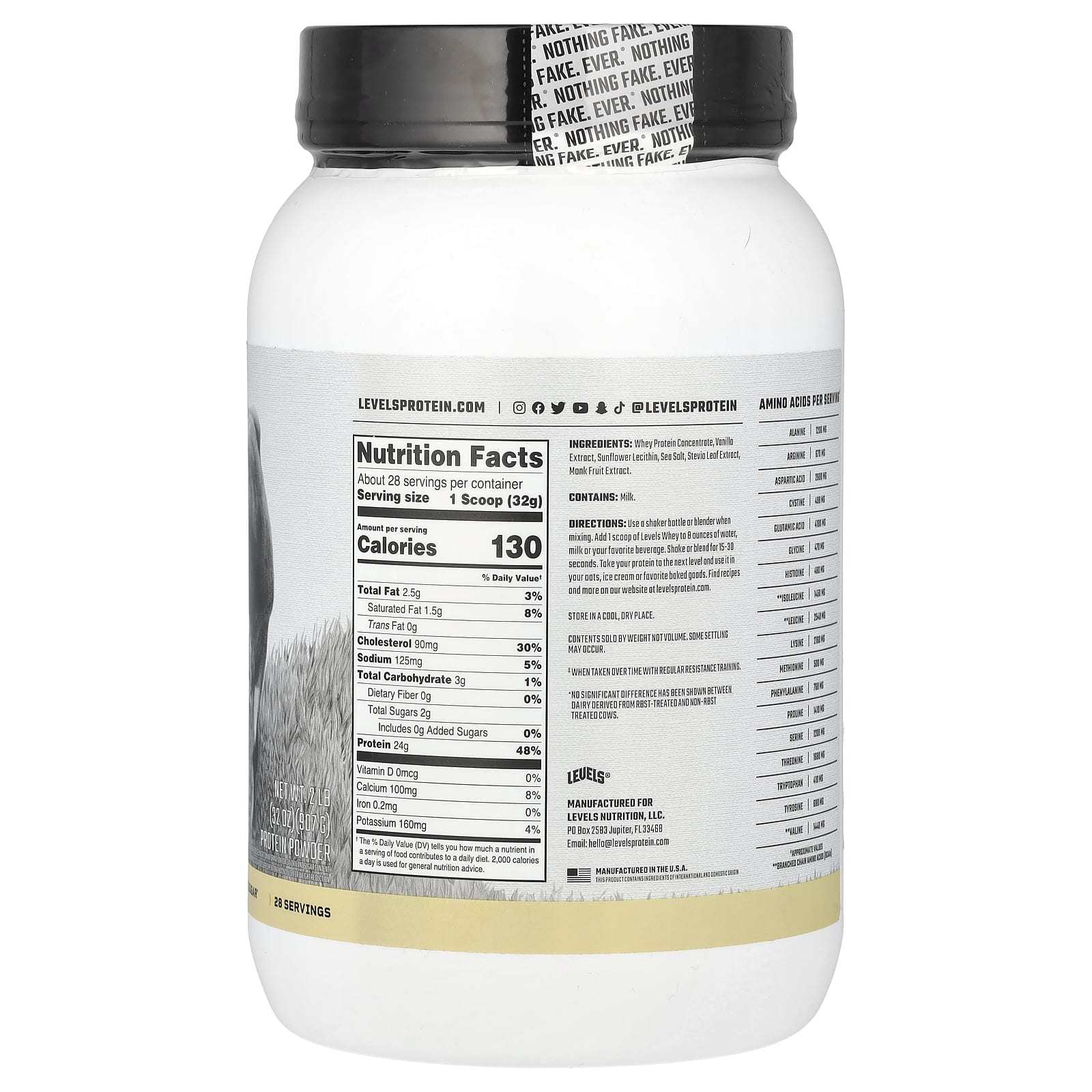
Organic Grass Fed Whey Protein Isolate: The Complete Technical Guide
Organic grass-fed whey protein isolate is a premium, ultra-filtered dairy protein powder derived from the milk of cows raised on certified organic pastures without synthetic hormones, antibiotics, or GMO feed. Yielding a protein concen...
Organic grass-fed whey protein isolate is a premium, ultra-filtered dairy protein powder derived from the milk of cows raised on certified organic pastures without synthetic hormones, antibiotics, or GMO feed. Yielding a protein concentration of 90% or higher with negligible lactose and fat, it offers superior digestibility, bio-availability, and clean nutrition for recovery and lean muscle synthesis.
Contents
What Is Organic Grass-Fed Whey Protein Isolate?
To evaluate organic grass-fed whey protein isolate, it is essential to deconstruct its three core components: the source farming method (organic), the livestock diet (grass-fed), and the manufacturing process (whey protein isolate).
Whey is a natural byproduct of the cheesemaking process. When milk coagulates, it separates into liquid whey and solid curds. Raw liquid whey contains liquid, protein, lactose, fats, and minerals. Processing converts this liquid into protein powder through varying stages of filtration.
- Raw Milk
- Cheesemaking
- Liquid Whey
- Microfiltration
- Whey Isolate (≥90% Protein)
1. Organic Certification Standards
Organic certification, such as the United States Department of Agriculture (USDA) Organic or European Union Organic standard, governs how dairy cows are raised and managed. To receive organic certification, dairy operations must adhere to strict protocols:
- Zero Synthetic Pesticides or Herbicides: Pastures where cattle graze cannot be treated with synthetic agricultural chemicals.
- No Recombinant Bovine Somatotropin (rBST/rBGH): Growth hormones used to artificially boost milk production are strictly prohibited.
- Antibiotic Limitations: Animals treated with antibiotics cannot produce milk for organic certification.
- Non-GMO Requirement: Any supplementary feed provided must be verified Non-GMO.
2. Grass-Fed Rearing
While organic standards require cattle to have pasture access during the grazing season, the grass-fed designation specifically defines the animal's diet. True grass-fed dairy comes from cows that consume a forage-based diet—primarily fresh pasture grass, hay, and silage—throughout their entire lives.
A pasture-fed diet directly influences milk composition. Dairy from pasture-raised cows contains higher natural concentrations of fat-soluble vitamins (such as Vitamin E and Beta-Carotene) and a favorable fatty acid profile, including higher ratios of Conjugated Linoleic Acid (CLA) and Omega-3 fatty acids. Although the isolation process removes most lipids, grass-fed farming standards ensure cleaner baseline milk with reduced industrial contaminants.
3. Whey Protein Isolate vs. Whey Protein Concentrate
The primary difference between whey protein concentrate (WPC) and whey protein isolate (WPI) lies in the degree of filtration:
- Whey Protein Concentrate (WPC): Typically contains 70% to 80% protein by weight. The remaining 20% to 30% consists of milk fats, carbohydrates, and lactose.
- Whey Protein Isolate (WPI): Undergoes advanced cross-flow microfiltration to remove nearly all fat and lactose, resulting in a product that is 90% or higher pure protein by weight.
Nutritional Profile and Microfraction Preservation
Organic grass-fed whey protein isolate provides a complete amino acid profile, supplying all nine essential amino acids (EAAs) required by the human body for cellular repair, immune support, and enzyme production.
- Protein Composition:
- Essential Amino Acids (EAAs) (~50%)
- Branched-Chain Amino Acids (BCAAs) (~25%)
- Leucine (Trigger for Muscle Protein Synthesis)
- Isoleucine
- Valine
- Other EAAs (Lysine, Threonine, Methionine, etc.)
- Branched-Chain Amino Acids (BCAAs) (~25%)
- Non-Essential / Conditional Amino Acids (~50%)
- Essential Amino Acids (EAAs) (~50%)
Amino Acid Density and Leucine Threshold
Whey protein isolate is naturally dense in Branched-Chain Amino Acids (BCAAs)—specifically Leucine, Isoleucine, and Valine.
- Leucine Content: High-quality whey isolate typically contains approximately 10% to 11% Leucine per serving (around 2.5 to 3 grams per 25-gram protein scoop). Leucine acts as the primary molecular trigger for the Mechanistic Target of Rapamycin (mTORC1) pathway, which initiates muscle protein synthesis (MPS).
- Bioavailability: Whey isolate exhibits a Protein Digestibility-Corrected Amino Acid Score (PDCAAS) and a Digestible Indispensable Amino Acid Score (DIAAS) of 1.0 or higher, reflecting maximum human absorption and utilization efficiency.
Native Protein Microfractions
When whey protein is processed using low-temperature, non-chemical filtration, its biological microfractions remain intact ("native" or "undenatured"). Key bioactive peptides include:
- Beta-Lactoglobulin (~50-55%): Rich in essential and branched-chain amino acids, aiding post-exercise tissue repair.
- Alpha-Lactalbumin (~20-25%): High in tryptophan and cysteine; serves as a precursor to the primary cellular antioxidant glutathione.
- Immunoglobulins (IgG, IgA, IgM) (~10-15%): Natural antibodies from bovine milk that support intestinal immune function.
- Bovine Serum Albumin (~5%): Rich in essential amino acids and anti-inflammatory cellular precursors.
- Lactoferrin (~1-2%): An iron-binding glycoprotein with antimicrobial, antiviral, and gut-protective properties.
Technical Comparison Matrix
The table below outlines the compositional, technical, and regulatory differences between various protein powder categories.
| Parameter | Organic Grass-Fed Whey Isolate | Standard Whey Isolate | Grass-Fed Whey Concentrate | Plant Protein Isolate Blend (Pea/Rice) |
|---|---|---|---|---|
| Protein Content (Dry Basis) | ≥ 90% | ≥ 90% | 70% – 80% | 80% – 85% |
| Lactose Content | < 1% (Negligible) | < 1% (Negligible) | 4% – 8% | 0% (Lactose-Free) |
| Fat Content per 30g | < 0.5g | < 0.5g | 1.5g – 3.0g | 1.5g – 3.0g |
| Synthetic Hormone Risk (rBST) | Guaranteed Zero | Variable / Present | Guaranteed Zero | N/A |
| Pesticide / Herbicide Residue | Tested Zero / Organic | Standard Limits | Low / Variable | Low (if Organic) |
| Processing Method | Cold Microfiltration | Microfiltration or Ion Exchange | Cold Microfiltration | Mechanical / Solvent Extraction |
| Leucine per 25g Protein | ~2.7g – 3.0g | ~2.5g – 2.9g | ~2.2g – 2.5g | ~1.8g – 2.1g |
| Digestibility Speed | Rapid (< 60 mins) | Rapid (< 60 mins) | Moderate (60–90 mins) | Moderate to Slow |
Processing Methods: Cold-Processed CFM vs. Ion Exchange
How whey is filtered directly determines whether its native proteins remain intact or become denatured. Buyers should evaluate two primary processing technologies:
Method A: Cross-Flow Microfiltration (CFM)
- Raw Whey
- Ceramic Membranes (Low Temp, pH Neutral)
- Bioactive Isolate (Intact Fractions)
Method B: Ion Exchange Filtration
- Raw Whey
- Chemical Resins + Hydrochloric Acid/Sodium Hydroxide
- High Purity Isolate (Denatured Fractions)
1. Cross-Flow Microfiltration (CFM) / Cold Filtration
Cross-Flow Microfiltration utilizes physical ceramic membrane filters operating under low temperatures and neutral pH conditions.
- Mechanism: Liquid whey passes across multi-stage pore-size membranes that physically separate protein molecules from smaller lactose, fat, and mineral compounds based on molecular weight.
- Result: The protein molecules retain their tertiary 3D structure without thermal damage. Bioactive microfractions—such as immunoglobulins and lactoferrin—remain structurally intact and functional.
2. Ion Exchange Processing
Ion exchange uses chemical separation based on electrical charges.
- Mechanism: Liquid whey passes through resin columns treated with chemical reagents like hydrochloric acid and sodium hydroxide to manipulate charges and isolate protein fractions.
- Result: While ion exchange achieves high protein percentages (up to 95%), the chemical exposure and thermal processing denature delicate bioactive peptides. Lactoferrin and immunoglobulins are largely destroyed during ion exchange, leaving mostly isolated beta-lactoglobulin and alpha-lactalbumin.
How to Verify Authenticity and Select High-Quality Products
Not all labels stating "grass-fed" or "organic" deliver equal purity. Use this step-by-step checklist to evaluate products before purchasing.
Verification Steps:
- Verify Certifications (USDA Organic / American Grassfed Association)
- Confirm Filtration Type (Look for "Cold-Processed" or "CFM")
- Inspect Ingredients (Minimize fillers, gums, and artificial sweeteners)
- Check Third-Party Testing (Verify heavy metal & ban-substance clearance)
Step 1: Examine Grass-Fed and Organic Claims
Look for verified third-party seals rather than generic marketing claims:
- USDA Organic / EU Organic Seal: Ensures compliance with farm-level pesticide, hormone, and feed restrictions.
- American Grassfed Association (AGA) or Simply Grassfed Certification: Guarantees cows were fed a 100% forage diet without grain finishing, barn confinement, or feedlot staging. Be cautious with labels stating "pasture-raised" or "grass-fed" without a seal, as cows may have received grain supplements or grain-finishing feed.
Step 2: Analyze the Ingredient Panel
A high-quality organic grass-fed whey isolate requires minimal processing ingredients:
- Unflavored Variants: Should list only one ingredient—Organic Grass-Fed Whey Protein Isolate—plus a non-GMO lecithin (such as organic sunflower lecithin) used at low levels (<1%) for mixability.
- Flavored Variants: Look for natural flavor sources, such as organic cocoa powder, organic vanilla extract, and natural non-caloric sweeteners like organic stevia leaf extract or organic monk fruit extract.
- Avoid Avoidable Additives: Steer clear of artificial sweeteners (sucralose, acesulfame potassium), artificial colors, maltodextrin, hydrogenated oils, or excessive thickeners (xanthan gum, cellulose gum) that artificially bloat product weight and irritate sensitive digestive tracts.
Step 3: Check Third-Party Heavy Metal and Quality Screening
Because protein powders are agricultural products, plants and milk can concentrate environmental heavy metals present in soil and water. Look for brands that publish independent third-party laboratory analysis (Certificates of Analysis) verifying limits for:
- Arsenic, Cadmium, Lead, and Mercury: Levels must fall well below state and federal safety limits (e.g., California Proposition 65 thresholds).
- Informed-Choice or NSF Certified for Sport: Ensures the batch is tested for banned substances, ideal for competitive athletes subject to anti-doping protocols.
Practical Usage, Dosage, and Timing Strategies
Integrating organic grass-fed whey protein isolate into a daily routine depends on individualized protein needs, activity levels, and dietary goals.
1. Dosage Calculation
Daily total protein targets generally range between 1.6 to 2.2 grams of protein per kilogram of body weight for active individuals seeking to optimize recovery or lean tissue preservation.
- Standard Serving: A single scoop usually supplies 20 to 25 grams of complete protein.
- Leucine Threshold Target: Consuming 25 to 30 grams of whey isolate per serving delivers ~2.7 to 3.2 grams of Leucine, reaching the optimal threshold for muscle protein synthesis.
2. Strategic Timing
- Post-Workout: Within 30–60 minutes following resistance or endurance training. The fast gastric emptying speed of whey isolate delivers amino acids quickly to fatigued muscle tissue.
- Meal Supplementation: Mix into oatmeal, smoothies, or yogurt to balance carbohydrate-heavy meals with high-purity protein.
- Calorie-Restricted Diets: Because organic whey isolate contains virtually zero fat and carbohydrates (<110 calories per serving), it fits well into strict caloric deficits where lean protein density is prioritized.
3. Digestion and Lactose Sensitivity
Because cold-processed whey isolate undergoes extensive filtration, it contains less than 1% lactose by weight (often < 0.2 grams per serving). Most individuals with mild to moderate lactose intolerance digest pure whey isolate without gastrointestinal distress, bloating, or gas.
Frequently Asked Questions
Does organic grass-fed whey protein isolate contain lactose?
Cold-processed whey protein isolate contains virtually zero lactose (typically less than 1% by weight, or under 0.2 grams per serving). The microfiltration process removes nearly all dairy sugars, making it well-tolerated by most individuals with lactose intolerance.
Is grass-fed whey isolate worth the higher cost compared to standard whey?
Grass-fed organic whey isolate costs more due to stricter agricultural practices, lower yield organic farming, and gentle filtration methods. While its basic amino acid content is similar to standard whey isolate, it provides higher assurance against synthetic pesticides, growth hormones (rBST), and antibiotic residues, while supporting environmentally sustainable pasture management.
How does cold-processed microfiltration differ from heat-processed whey?
Cold-processed microfiltration uses mechanical ceramic filters at low temperatures without acids or alkalis. This retains delicate, bioactive immunoglobulins and lactoferrin peptides. Heat- or chemical-based methods (such as ion exchange) alter the natural 3D shape of these proteins, reducing their natural functional properties.
Can people with a true milk allergy consume organic whey isolate?
No. While whey isolate removes nearly all lactose, it remains a dairy-derived product containing milk proteins (such as beta-lactoglobulin and alpha-lactalbumin). Individuals with a diagnosed IgE-mediated milk protein allergy must avoid whey protein entirely and opt for plant-based alternatives.
Why is sunflower lecithin added to organic whey isolate?
Raw whey isolate powder is hydrophobic and clumps when mixed with liquids. A minute amount (<1%) of sunflower lecithin—a natural fat—is added as an emulsifier to allow the powder to dissolve smoothly in water or milk without heavy shaking or blending.
Practical Final Recommendation
When purchasing an organic grass-fed whey protein isolate, prioritize products that feature explicit third-party certifications (such as USDA Organic and American Grassfed Association verification) alongside Cold-Processed Cross-Flow Microfiltration (CFM) on their label. Check ingredient statements to ensure the protein content per scoop is at least 90%, with zero artificial sweeteners, synthetic dyes, or unnecessary filler gums. For optimal recovery, mix 25 to 30 grams of unflavored or naturally sweetened isolate with water or liquid within 45 minutes after exercise.
Image Gallery