The Anatomy of an Icon: The History and Cultural Impact of the Nike Air Max 95
The Nike Air Max 95, designed by Sergio Lozano, revolutionized athletic footwear upon its 1995 debut by introducing visible forefoot Air cushioning and a provocative, human-anatomy-inspired aesthetic. It shifted the trajectory of sneak...
The Nike Air Max 95, designed by Sergio Lozano, revolutionized athletic footwear upon its 1995 debut by introducing visible forefoot Air cushioning and a provocative, human-anatomy-inspired aesthetic. It shifted the trajectory of sneaker culture from performance-only utility to a bold, street-fashion centerpiece that remains a global design benchmark in 2026.
Contents
The Genesis of a Disruptive Design
In the mid-1990s, the Nike Air Max line was already a success, but it faced a design stagnation. Sergio Lozano, a young designer working within Nike’s ACG (All Conditions Gear) department, was tasked with revitalizing the Air Max franchise. His approach was intentionally disruptive. While previous models leaned into vibrant, singular color blocking, Lozano looked toward the Beaverton landscape—specifically the process of erosion—and the structure of the human body for inspiration.
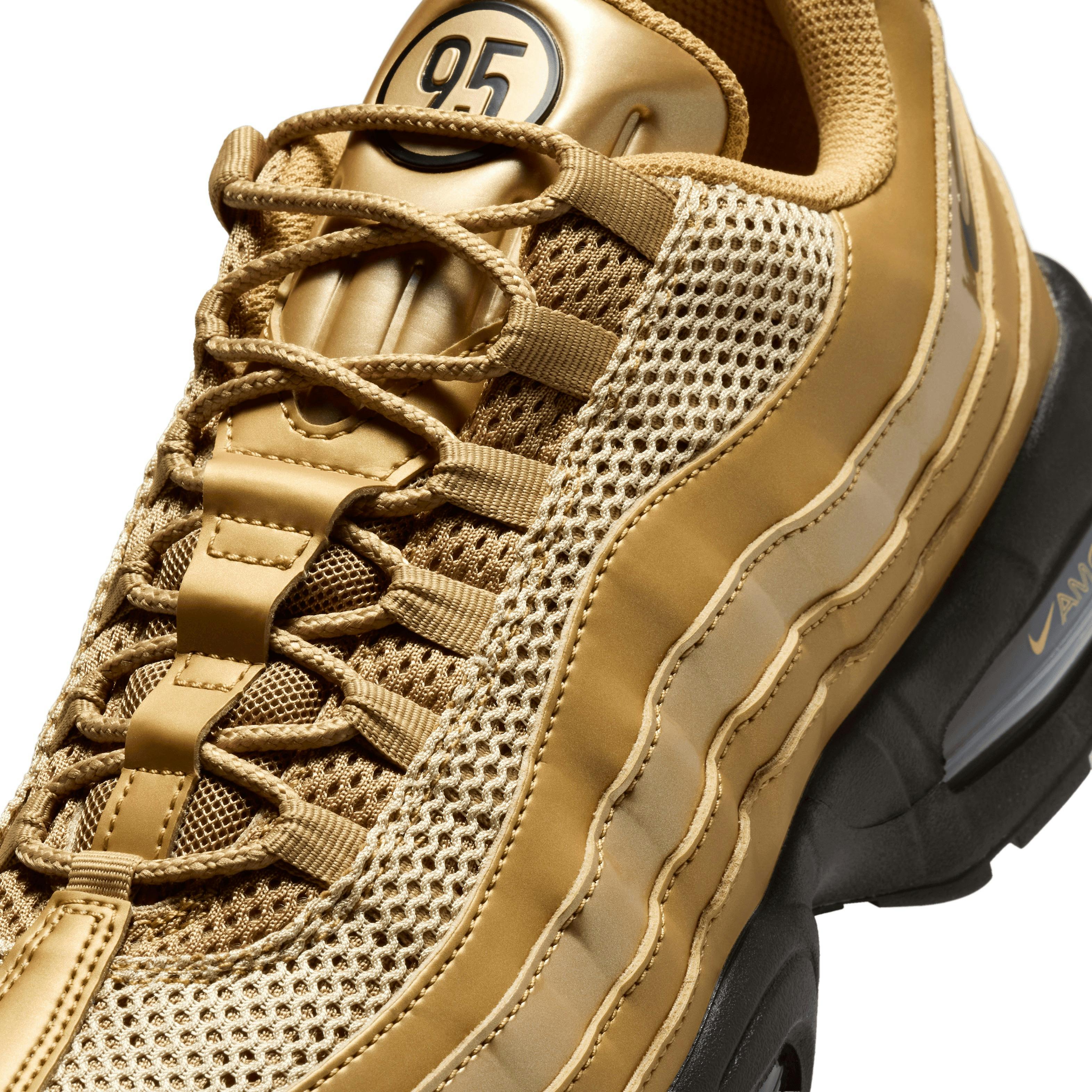
The shoe’s distinct layered panels were designed to resemble muscle fibers, while the mesh represented skin and the lace loops acted as ribs. Perhaps most importantly, the spine-like heel counter provided a structural narrative that grounded the shoe in biology. This radical departure from traditional sneaker aesthetics initially met resistance within Nike, with critics arguing that the design was too aggressive and the lack of a prominent, large Swoosh would hinder its commercial appeal. History, however, proved that the product’s inherent "cool" was far more powerful than conventional branding.
Technical Innovations and the "Visible" Revolution
The Air Max 95 was not merely a stylistic statement; it served as a technical laboratory for Nike. Prior to 1995, Air cushioning in the forefoot was largely hidden within the midsole foam. Lozano and his team challenged the engineering department to push the boundaries of what was possible, successfully creating the first Nike shoe to feature visible Air in the forefoot.
This dual-chambered system allowed for targeted pressure, offering increased stability for high-impact athletes while maintaining the aesthetic appeal that had become synonymous with the brand. The 1995 release effectively popularized the "gradient" color blocking—starting with a dark grey midsole and transitioning to lighter shades as the eye moved up the shoe. This served a functional purpose, masking the dirt and mud typically accumulated by runners, but it became the signature visual language that allowed the shoe to stand out in the crowded athletic market of the 90s.
Cultural Adoption and Global Impact
While Nike marketed the Air Max 95 as a high-performance running shoe, its true success unfolded in the streets of London, Tokyo, and New York. In the United Kingdom, the sneaker became a staple of the burgeoning UK Garage scene and urban youth culture. Its price point, which was high for the era, quickly turned the shoe into a status symbol, cementing its position in the "street uniform" of the late 90s.
In Japan, the Air Max 95 triggered a cultural phenomenon known as "Air Max Hunting." The fervor for the silhouette was so intense that demand vastly outstripped supply, leading to a secondary market where individual pairs sold for several times their retail value. This period marked a transition in the footwear industry: the Air Max 95 proved that a sneaker could be both a legitimate piece of sports technology and a luxury fashion item. It paved the way for the modern "sneakerhead" culture, where product drops, limited colorways, and historical significance drive market value.
Evolution of the Silhouette and Key Iterations
Over the decades, the Air Max 95 has been subject to countless iterations, collaborations, and material upgrades. While the original "Neon" colorway remains the most iconic, subsequent releases have experimented with synthetic leathers, reflective 3M materials, and even sustainable recycled content, reflecting the brand’s focus on circularity in 2026.
| Feature | Original 1995 Specifications | Modern Evolution (2026) |
|---|---|---|
| Cushioning | Forefoot and Heel Visible Air | Integrated Tuned Air / Recycled Air |
| Materials | Synthetic Suede and Mesh | Engineered Mesh, Flyleather, Recycled Textiles |
| Market Positioning | High-Performance Running | Lifestyle and Retro Heritage |
| Cultural Status | Subcultural Essential | Global Fashion Icon |
Addressing Common Questions about the Air Max 95
Why is the Air Max 95 considered uncomfortable by some users? The Air Max 95 utilizes a firm polyurethane midsole. Compared to modern foam technologies introduced in the 2020s, it may feel rigid to those accustomed to high-rebound, soft-ride footwear. It is categorized today primarily as a lifestyle sneaker rather than a performance marathon shoe.
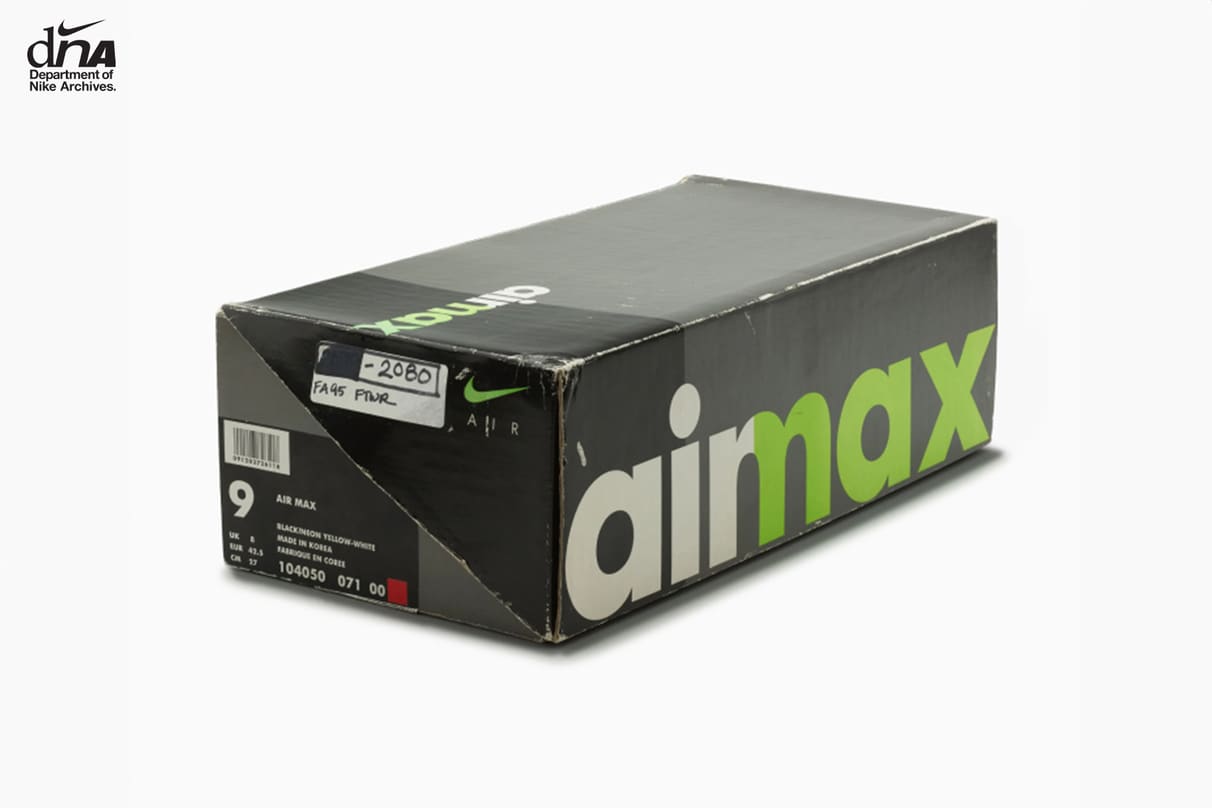
What is the significance of the "Neon" colorway? The original Grey/Volt Neon colorway was designed to highlight the shoe's technical components. The vibrant yellow (Volt) served to draw the eye specifically to the visible Air units, emphasizing the internal innovation of the model.
Does the Air Max 95 run true to size? Most users find that the Air Max 95 has a snug, anatomical fit due to the layered panel construction and the internal lacing system. If you have wider feet, it is standard practice to go up a half size compared to more forgiving, mesh-based athletic shoes.
How should I maintain the suede overlays? Because the original design relies on synthetic suede or nubuck, these materials are prone to water damage and staining. Using a dedicated suede protector spray before wearing and cleaning with a soft-bristle brush is essential to maintain the nap of the material.
Why are certain 95 colorways so much more expensive? Value in the 2026 secondary market is dictated by scarcity, historical collaborations with streetwear labels, and "OG" status. Models that stay true to the 1995 construction materials tend to carry a premium compared to mass-produced seasonal releases.
Longevity and Future Outlook
As of 2026, the Air Max 95 occupies a unique space in the fashion hierarchy. It is no longer an "innovation" shoe in the sense of performance capability, but it remains a masterclass in industrial design. The shoe’s silhouette—with its distinct, aggressive, and layered profile—is easily recognizable from a distance, a trait that few sneakers achieve.
Moving forward, the focus for the Air Max 95 lies in sustainability. Nike’s move toward "Move to Zero" initiatives means that the 95 is frequently being re-engineered using recycled polyester and factory-floor waste, proving that a design created over thirty years ago can remain relevant by adapting its production methods to modern environmental standards. Whether it is being worn by subculture enthusiasts or high-fashion stylists, the Air Max 95 continues to be a foundational element of sneaker history, representing a bridge between the gritty utility of the past and the sophisticated, conscious design of the future. For those looking to invest in a pair, prioritize models that utilize high-quality textile uppers to ensure the longevity of the structure and the integrity of the iconic layered aesthetic.
Image Gallery