The Allison Reynolds Breakfast Club Makeover: Significance, Controversy, and Legacy
The makeover of Allison Reynolds in the 1985 John Hughes classic The Breakfast Club remains one of the most debated scenes in cinematic history. At the film’s climax, Claire Standish (the "Princess") transforms Allison (the "Basket Cas...
The makeover of Allison Reynolds in the 1985 John Hughes classic The Breakfast Club remains one of the most debated scenes in cinematic history. At the film’s climax, Claire Standish (the "Princess") transforms Allison (the "Basket Case") from a dark-clad, reclusive outcast into a bright, feminine figure wearing a pink headband and a white dress. While intended as a moment of bonding and personal evolution, the makeover is now frequently scrutinized for its implications on identity and conformity.
Contents
In the decades since the film's release, this scene has transitioned from a standard "ugly duckling" trope to a flashpoint for discussions regarding gender roles, self-expression, and the pressures of social assimilation. To understand the Allison Reynolds makeover, one must look beyond the cosmetic changes and examine the psychological shifts, the creative intentions of the filmmakers, and the enduring cultural impact that persists into 2026.
The Profile of the "Basket Case": Allison Before the Change
Before analyzing the makeover itself, it is essential to establish who Allison Reynolds was for the first 90 minutes of the film. Played by Ally Sheedy, Allison is introduced as the "Basket Case," a character defined by her silence, her eccentricities, and her visual isolation.
Visual Identity and Armor
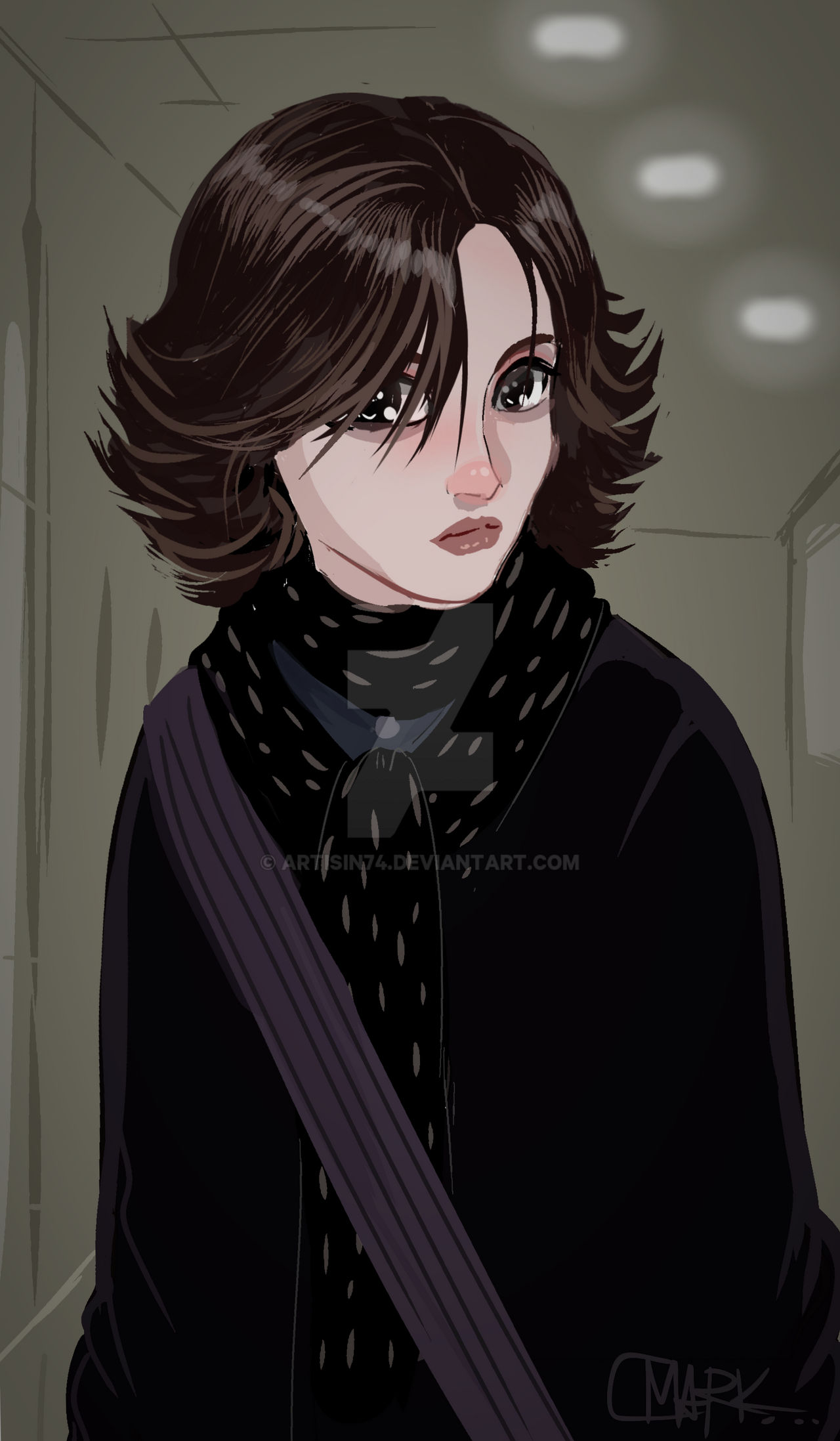
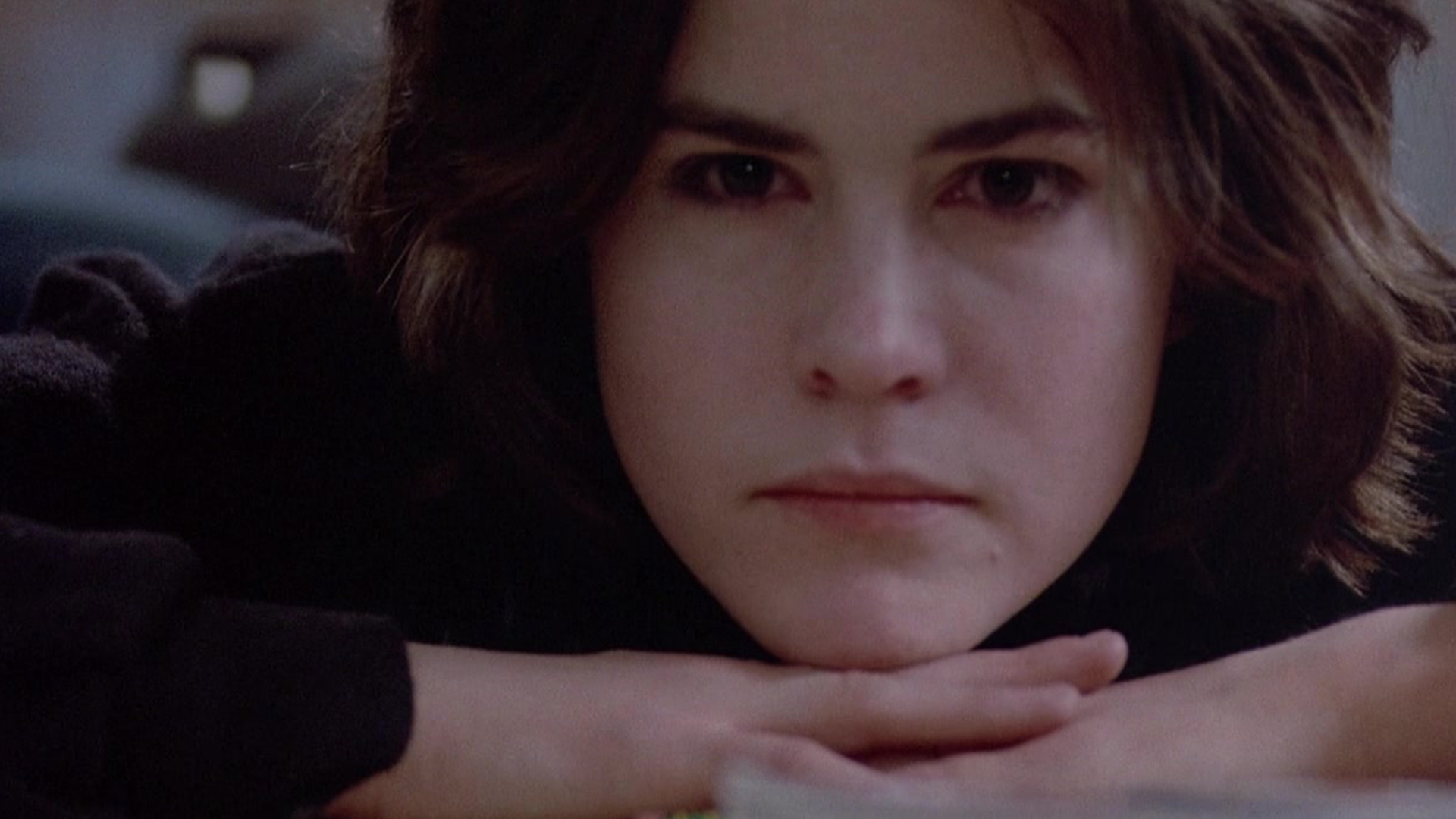
Allison’s initial appearance serves as a psychological shield. She is draped in oversized, dark clothing—typically a heavy black coat and a long, shapeless skirt. Her hair is unkempt, often falling over her eyes to hide her face, and her makeup is dominated by heavy, smudged black eyeliner. This aesthetic was a deliberate choice by the costume department to represent a teenager who wants to disappear or, conversely, to be seen as someone so "weird" that no one bothers to look closer.
Behavioral Isolation
Allison is the only character who is in detention by choice; she had "nothing better to do." Her behavior—ranging from eating a sandwich filled with sugar and Cap'n Crunch to shaking her head to create "snow" (dandruff) for a drawing—reinforces her status as the ultimate outsider. Her "weirdness" is her currency and her protection against a world she feels ignores her. When Claire offers to change her, it isn't just about changing clothes; it is an invitation to step out from behind that armor.
The Mechanics of the Makeover Scene
The transformation occurs toward the end of the film's Saturday detention. It is a quiet, intimate moment between Claire (Molly Ringwald) and Allison. The scene is significant because it represents the first real bridge between the "Princess" and the "Basket Case," two characters who initially appeared to have nothing in common.
The Tools of Transformation
The makeover is conducted using Claire's high-end makeup kit and wardrobe accessories. This is a symbolic passing of the torch from the most socially successful girl in school to the least. The process involves:
- The Removal of the Mask: The most striking change is the removal of the thick, dark eyeliner that Allison used to obscure her features.
- Hair and Accessories: Her hair is pulled back from her face, held in place by a pale pink headband.
- The Wardrobe Shift: She swaps her dark, heavy layers for a light-colored, sleeveless white top and a skirt that fits the mid-1980s "preppy" aesthetic.
The Reveal to the Group
The reveal happens in the hallway as the students prepare to leave. Allison emerges, walking toward the group with a shy smile. The reaction from the boys—specifically Andrew Clark (Emilio Estevez), the athlete—is one of immediate attraction. Andrew, who had previously ignored or been baffled by Allison, is suddenly captivated. This moment cements the makeover's primary narrative purpose: to facilitate the romantic pairing of the "Jock" and the "Basket Case."
Analyzing the Controversy: Why the Makeover Divides Fans
As we look at The Breakfast Club from the perspective of 2026, the makeover is often cited as the film's most problematic element. The debate generally splits into two camps: those who see it as a loss of identity and those who see it as an act of liberation.
The Argument Against: Forced Conformity
Critics of the scene argue that the makeover suggests Allison was "broken" and needed "fixing" to be lovable. By stripping away her unique, gothic aesthetic and replacing it with a look that mirrored Claire’s own "Princess" style, the film implies that teenage girls must conform to traditional standards of beauty to be noticed by men.
In this view, the makeover is a betrayal of Allison's character. She spent the entire movie being the one person who didn't care what others thought, only to be "normalized" in the final minutes. The fact that Andrew only shows romantic interest after she looks "pretty" reinforces the idea that her personality and depth were insufficient on their own.
The Argument For: Vulnerability and Connection
Conversely, some viewers interpret the scene as a moment of genuine growth. In this reading, Allison’s original look was not a chosen identity, but a cage built out of trauma and neglect (as evidenced by her comment that her parents "ignore" her). By allowing Claire to do her makeup, Allison is practicing vulnerability. She is letting someone in and allowing her face to be seen for the first time.
From this perspective, the makeover is an act of friendship. Claire isn't trying to colonize Allison’s identity; she is sharing the only "gift" she knows how to give. It is a moment of female solidarity where the barriers of high school cliques are finally dismantled.
Comparison of Allison Reynolds: Pre- vs. Post-Makeover
The following table highlights the specific aesthetic and narrative shifts that occur during the transformation:
| Feature | Pre-Makeover (The Basket Case) | Post-Makeover (The Reveal) |
|---|---|---|
| Color Palette | Black, charcoal, dark grey, and earth tones. | White, light pink, and soft pastels. |
| Hair Style | Disheveled, forward-facing, obscuring the eyes. | Brushed back, clear of the face, with a headband. |
| Makeup | Thick black kohl eyeliner; "raccoon" eyes. | Natural tones; removal of heavy liner to show eyes. |
| Clothing Silhouette | Oversized, layered, concealing the body shape. | Form-fitting, sleeveless, and traditionally feminine. |
| Social Function | A "shield" intended to repel others or hide. | A "bridge" intended to invite interaction and attraction. |
| Andrew’s Reaction | Indifference, confusion, or mild annoyance. | Instant romantic attraction and verbal validation. |
Ally Sheedy’s Perspective on the Change
In various retrospectives and interviews over the years, actress Ally Sheedy has shared her own complicated feelings about the scene. Sheedy has noted that she felt a strong connection to Allison’s "weirdness" and was somewhat disappointed that the character had to be "cleaned up."
Sheedy has famously mentioned that she fought to keep the eyeliner as dark as possible for most of the film because she felt it was Allison's "mask." While she understood the narrative need for a change, she—like many fans—felt that the version of Allison who shook her hair to make "snow" was more authentic than the girl in the pink headband. However, Sheedy has also acknowledged that the scene was a product of its time and a staple of the John Hughes "transformation" formula.
The Cultural Legacy of the Makeover in 2026
In 2026, the "Allison Reynolds Makeover" is often used as a teaching tool in film studies and gender studies classes. It serves as a prime example of the "She's All That" trope before that film even existed—the idea that a girl’s value is hidden behind glasses or "bad" clothes.
Evolution of the Trope
Modern cinema has largely moved away from the idea that a makeover must result in a "normative" look. In contemporary coming-of-age stories, transformations are more likely to involve a character leaning further into their unique style rather than abandoning it. The Allison Reynolds scene is now viewed as a historical artifact of 1980s gender expectations.
Influence on Fashion
Interestingly, Allison’s original look has had a more lasting impact on fashion than her makeover look. The "alt" or "grunge" aesthetic she pioneered in 1985 has seen countless revivals. In the 2020s, many young people identify more with the "Basket Case" aesthetic—valuing the authenticity of the oversized coat and dark liner over the sanitized, preppy look of the film's finale.
FAQs About the Allison Breakfast Club Makeover
Why did Claire give Allison a makeover?
Claire’s motivation was rooted in a desire for connection. Throughout the film, the two girls represent opposite ends of the social spectrum. By offering a makeover, Claire was sharing her "expertise" (beauty and social standing) as a way to bond with Allison and help her "fit in" with the world the boys inhabited.
Does Allison like her makeover in the movie?
In the context of the film’s internal logic, Allison appears to accept and even enjoy the change. She smiles at the group and allows Andrew to take her hand. However, the film doesn't provide much dialogue for her in this state, leaving her internal feelings open to the audience's interpretation.
What makeup was used for Allison's transformation?
In the scene, Claire is seen using a luxury makeup compact and various brushes. To achieve the "clean" look, the production team removed Ally Sheedy's heavy kohl pencil and replaced it with light, neutral eyeshadows, a touch of mascara, and a sheer lip color.
Is the Allison makeover considered sexist?
By modern standards, many critics argue that it is. The scene suggests that for a woman to be "successful" (i.e., to get the guy), she must adhere to a specific, feminine beauty standard. However, others argue it is more about the characters finding common ground rather than a commentary on gender.
Did Ally Sheedy hate the makeover?
"Hate" might be too strong a word, but Sheedy has expressed that she preferred Allison's original look. She found the "Basket Case" version of the character to be more interesting and visually arresting than the "Princess" version created at the end.
Final Thoughts: The Enduring Power of the Basket Case
The Allison Reynolds makeover remains a cornerstone of 1980s cinema because it perfectly encapsulates the tension between individuality and the desire to belong. Whether one views it as a "betrayal" of her character or a "breakthrough" for her social life, the scene's impact is undeniable. As we reflect on The Breakfast Club in 2026, the takeaway is perhaps that Allison was always worthy of attention—with or without the pink headband. For those revisiting the film, it is worth considering if the most important change wasn't Allison's face, but rather the way the other characters finally chose to see her.
Image Gallery