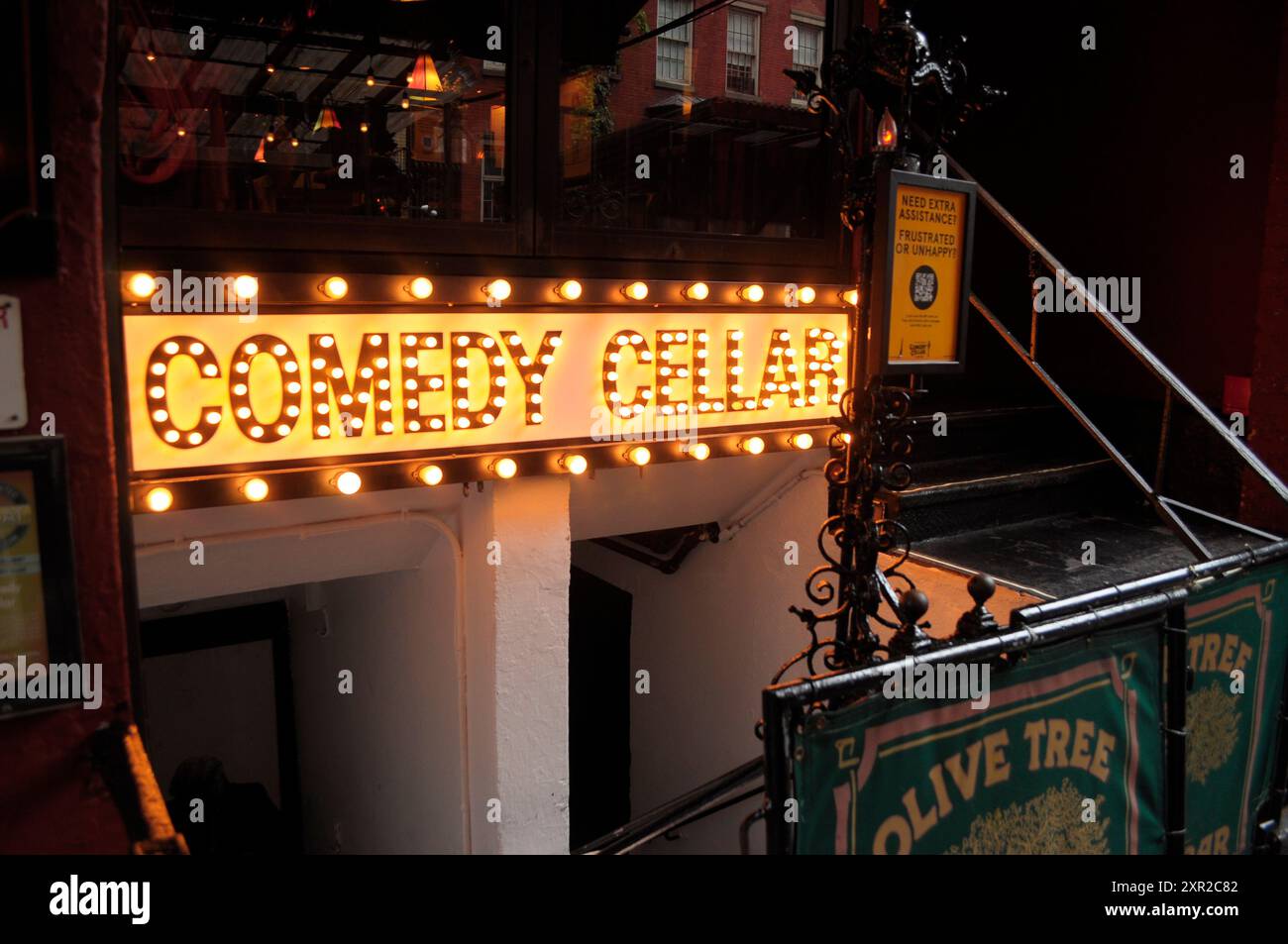
What Is a Comedy Club: Understanding the Infrastructure of Stand-Up Performance
A comedy club is a dedicated performance venue—or a specific space within a larger entertainment complex—designed exclusively or primarily for the presentation of live stand-up comedy. These venues function as the professional laborato...
A comedy club is a dedicated performance venue—or a specific space within a larger entertainment complex—designed exclusively or primarily for the presentation of live stand-up comedy. These venues function as the professional laboratory for comedians, providing the necessary acoustics, sightlines, and audience environment required for the intimate, feedback-driven art of solo performance.
Contents
The Structural Anatomy of a Comedy Club
At its core, a comedy club is defined by its focus on the relationship between a single performer and an audience. Unlike theaters or multi-purpose concert halls, the architecture of a professional comedy club is deliberate. The "stage" is typically small, often raised only a few inches, to facilitate eye contact and personal connection with the audience.
The seating arrangement is almost universally "cabaret-style," featuring small tables clustered close to the stage. This design serves a two-fold purpose: it maximizes seating capacity in a footprint that requires clear lines of sight, and it creates a sense of proximity that is essential for the "vibe" of a show. The closer an audience is to the performer, the more the comedian can pick up on subtle facial expressions and non-verbal reactions, which are critical in timing a joke or adjusting delivery in real-time.
The Operational Ecosystem
A comedy club operates as a hospitality-entertainment hybrid. The business model generally relies on a "two-item minimum" policy—a standard practice where guests are required to purchase at least two items (often a combination of drinks and food) during the performance. This policy ensures the venue remains profitable despite the relatively low ticket prices compared to large-scale concert tours.
The operational rhythm of a club follows a specific nightly structure:
- The Host (Emcee): Usually a local or junior comedian who warms up the crowd, manages transitions between sets, and establishes the "rules" of the room (e.g., no heckling, phone etiquette).
- The Feature: A comedian with significant experience who performs a mid-length set, bridging the gap between the openers and the headliner.
- The Headliner: The primary act of the night, typically an established professional with a proven ability to hold an audience's attention for 45 to 60 minutes.
The Comedian’s Pipeline: From Open Mic to Headliner
For a comedian, the comedy club is the primary site of professional development. The hierarchy of stage time is strictly enforced:
- Open Mics: Often held on weeknights or in off-hours, these sessions are the entry level where aspiring comics test raw, unpolished material.
- Showcase Nights: These events feature a rotating lineup of diverse talent, often used by club managers to scout for future headliners.
- Weekend Headlining Slots: The "A-list" rotation, where performers with a draw and a polished hour-long act perform the prime Friday and Saturday night shows.
This ecosystem acts as a professional filter. Comedians who cannot maintain the "two-item" atmosphere, or who fail to manage a room effectively, rarely progress past the open mic stage. Conversely, club managers act as informal talent agents, often recommending high-performing acts to casting directors or production companies.
Venue Comparison: Comedy Club vs. Other Performance Spaces
Understanding the distinction between a dedicated comedy club and other venues is essential for both audience members and aspiring performers.
| Feature | Comedy Club | Theater/Arena | Bar/Pub |
|---|---|---|---|
| Primary Goal | Comedy focus | Multi-media | Drink sales |
| Acoustics | Dry/Controlled | Reverberant | High noise floor |
| Seating | Close/Intimate | Distant/Fixed | Casual/Mixed |
| Expectation | Quiet/Attentive | Passive listening | Background noise |
| Professionalism | High | High | Low/Variable |
While a theater offers higher production value (lighting rigs, high-end sound systems), it often creates an "air gap" between the comedian and the audience. A comedy club, by contrast, relies on the density of the audience. A sparse crowd in a theater feels like a failure; a sparse crowd in a comedy club can be turned into an intimate, high-energy experience by a skilled professional.
Legal and Safety Guidelines
As of 2026, most comedy clubs operate under strict local municipality regulations regarding fire occupancy limits, liquor licensing, and noise ordinances. Audiences should be aware of the following universal "house rules":
- Heckling Policy: Most venues maintain a zero-tolerance policy for disruption. Interrupting a performer is grounds for immediate ejection without a refund.
- Recording Rules: The vast majority of clubs strictly prohibit audio or video recording during a set. This protects the intellectual property of the comedian and ensures the performer feels comfortable testing new, sensitive, or experimental material.
- Age Restrictions: Because these venues rely on alcohol sales and the content is often explicit, most clubs enforce a strict 18+ or 21+ age limit, sometimes requiring valid government-issued photo identification upon entry.
Troubleshooting Your Club Experience
If you are planning your first trip to a comedy club, consider these common friction points:
- The Wait: Comedy clubs are notorious for tightly packed schedules. Arrive at least 30–45 minutes before showtime to ensure you get through the box office and are seated before the host takes the stage.
- Seating Density: Prepare to be seated very close to strangers. In a packed club, it is standard practice to fill every available seat, which may involve sitting at a shared table.
- The "Two-Item" Requirement: Always check the venue’s website before arrival. Some clubs allow food to count toward the minimum, while others strictly require beverage purchases. Failure to meet this can result in an automatic "surcharge" added to your final bill.
Frequently Asked Questions
Why do comedy clubs require a two-item minimum? Comedy clubs operate on thin margins. The two-item minimum ensures the venue can cover the costs of staffing (servers, lighting technicians, door staff) and the comedians' guarantees, allowing ticket prices to remain affordable for the general public.
Is it okay to talk to the comedian during the show? Generally, no. Unless a comedian explicitly addresses you or asks a question, silence is expected. Heckling—yelling out to be funny or to distract—is considered poor etiquette and may result in security removing you from the venue.
Can I take photos during the set? Most clubs prohibit photography and recording. Even if you aren't using a flash, the light from your phone screen is a significant distraction for both the comedian and the people sitting behind you.
What is a "clean" comedy club? A "clean" comedy club is a venue that specifically programs acts who do not use profanity or sexually explicit material. If you are looking for this, verify the lineup or the club’s stated mission on their official website, as most standard clubs prioritize authentic, adult-oriented humor.
How do comedians get booked? Comedians typically climb the ladder by performing at open mics, gaining a reputation for reliability and quality, and eventually auditioning for club bookers. Once they have a solid 45-minute set, they can be booked as a feature or a headliner at established clubs.
Next Steps for Enthusiasts
If you are a fan of stand-up comedy, the best next step is to research a locally owned, independent comedy club in your area rather than a large chain. Independent clubs often curate unique lineups and possess a "lived-in" atmosphere that defines the comedy scene. Check the club’s calendar for "showcase" nights, which offer the highest variety of talent and the best introduction to the local comedy ecosystem. By supporting your local club, you contribute to the sustainability of the arts and ensure that the next generation of performers has a place to hone their craft.
Image Gallery