Big Ten Wrestling Results and Championship Standings Guide
The Big Ten Wrestling Championships represent the pinnacle of collegiate athletic competition, featuring elite programs from across the conference battling for individual weight class titles and team dominance. Tracking these results r...
The Big Ten Wrestling Championships represent the pinnacle of collegiate athletic competition, featuring elite programs from across the conference battling for individual weight class titles and team dominance. Tracking these results requires understanding tournament scoring formats, automatic NCAA qualification allocations, and the historical context of powerhouse programs like Penn State, Iowa, and Ohio State.
Contents
Understanding the Big Ten Wrestling Postseason Structure
The journey to the national tournament runs directly through the Big Ten Championships, widely regarded as the toughest conference tournament in collegiate wrestling. Ten conference matches during the dual season establish baseline momentum, but the tournament format serves as the definitive test of endurance, depth, and peak athletic conditioning.
Wrestlers compete across ten distinct weight classes ranging from 125 pounds to heavyweight (285 pounds). The tournament format utilizes a double-elimination bracket system integrated with consolation rounds, ensuring that third-, fifth-, and seventh-place matches carry massive implications for NCAA qualification. Every match victory accumulates team points toward the overall championship trophy, making bonus-point wins through pins, technical falls, and major decisions vital for teams trying to separate themselves on the podium.
Weight Class Breakdown and Match Dynamics
- Lightweight Divisions (125, 133, 141 lbs): These matches feature explosive speed, high-tempo scrambles, and relentless neutral-position attacks where single-leg takedowns often dictate the pace.
- Middleweight Divisions (149, 157, 165, 174 lbs): Tactical battles dominated by slick chain wrestling, mat returns, and punishing top-control riding time that can swing close matches in the final seconds.
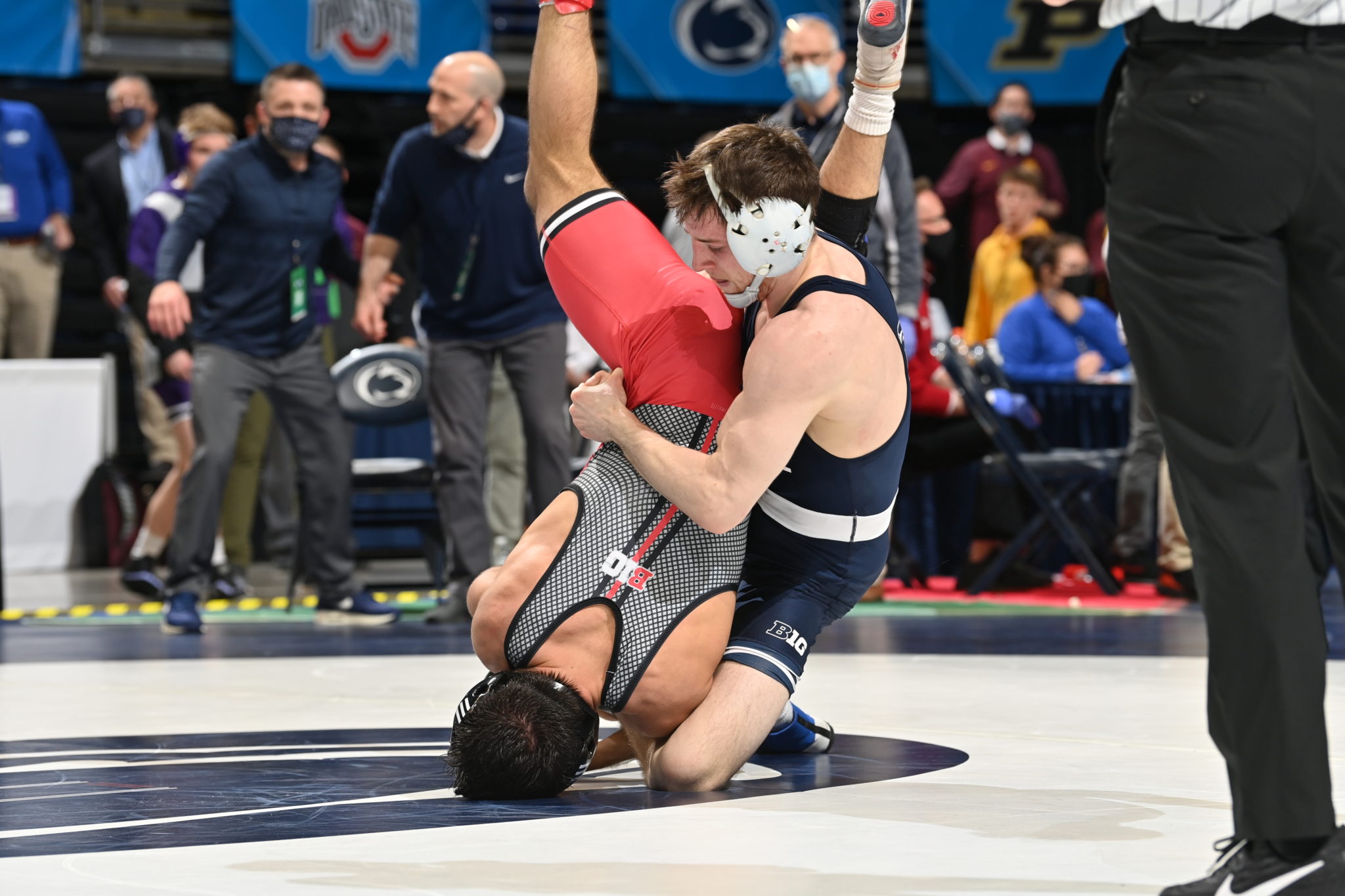
- Upperweight Divisions (184, 197, 285 lbs): High-impact clashes where powerful throws, heavy-hands defense, and sudden-death tiebreakers test raw strength and strategic stalling avoidance.
Decoding Championship Scoring and Team Standings
Team points in Big Ten wrestling tournaments are calculated using a strict matrix that rewards both advancement and dominance. Understanding how these points accumulate helps fans and analysts project team standings before the final championship bouts conclude.
| Scoring Category | Championship Bracket Points | Consolation Bracket Points | Description |
|---|---|---|---|
| Match Advancement | 1.0 Point | 0.5 Point | Awarded for each standard win in the respective bracket. |
| Placement Bonus | Varies by Finish | Varies by Finish | Additional points awarded for placing 1st through 8th. |
| Fall / Pin (F) | 2.0 Points | 2.0 Points | Bonus points earned for pinning an opponent. |
| Technical Fall (TF) | 1.5 Points | 1.5 Points | Bonus points for winning by a margin of 15 or more points. |
| Major Decision (MD) | 1.0 Point | 1.0 Point | Bonus points for winning by a margin of 8 to 14 points. |
Historical Dominance and Powerhouse Programs
The Big Ten conference historically anchors the landscape of NCAA Division I wrestling, regularly capturing the majority of All-American honors and individual national titles at the NCAA Division I Wrestling Championships. Programs operating under legendary coaching trees have established dynasties that consistently reload rather than rebuild.
Traditional Contenders
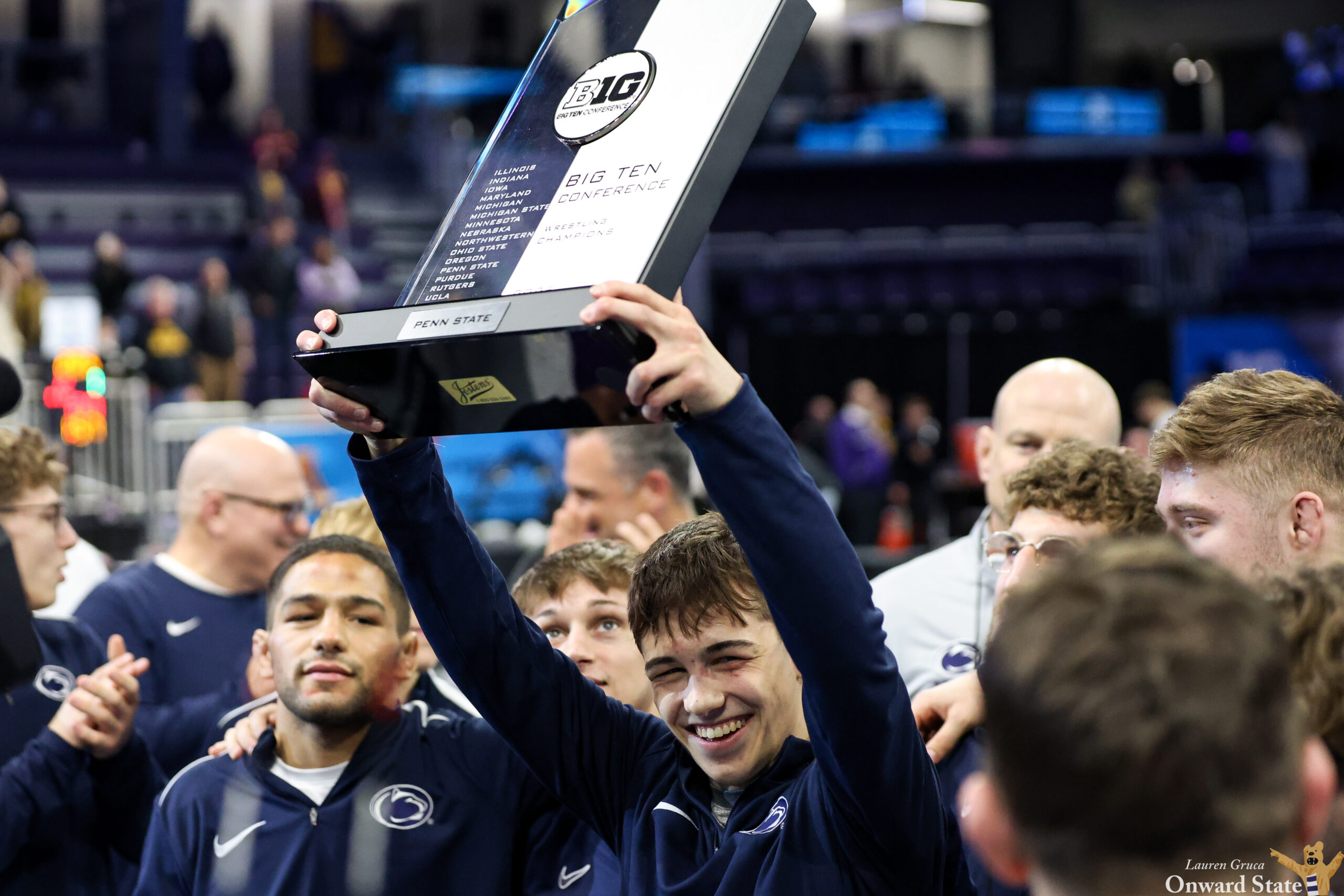
- Penn State Nittany Lions: Known for suffocating neutral attacks, unmatched conditioning, and a high percentage of bonus-point victories that secure runaway team titles.
- Iowa Hawkeyes: Defined by a tradition of hard-nosed riding, relentless pressure wrestling, and a passionate fan base inside Carver-Hawkeye Arena.
- Ohio State Buckeyes and Michigan Wolverines: Consistently fielding elite recruiting classes capable of challenging for top-three team finishes and individual crown jewels.
- Nebraska Cornhuskers and Minnesota Golden Gophers: Perennial top-tier threats featuring physical upper-weight grapplers and tactical technicians.
How to Access Live Results and Bracket Updates
Following live tournament action requires leveraging official real-time data feeds and streaming platforms. Because Big Ten wrestling spans multiple mats simultaneously during early tournament sessions, fans utilize specific digital tools to stay fully informed.
- Official Conference Portals: Visit the official Big Ten website tournament central page for real-time bracket updates, mat assignments, and team standings as matches conclude.
- Dedicated Wrestling Trackers: Use specialized tournament management platforms like TrackWrestling to view live bout sheets, team score calculators, and individual match statistics.
- Television and Streaming Coverage: Stream preliminary rounds through streaming apps like B1G+ and watch championship medal matches broadcast live on the Big Ten Network (BTN).
- Social Media Verification: Follow trusted wrestling journalists and official athletic department social media accounts for immediate injury updates, tactical shifts, and post-match interviews.
Implications for the NCAA Division I Wrestling Championships
The results from the Big Ten Championships do more than crown a conference winner; they directly dictate the postseason fate of every competitor through automatic qualification allocations. The NCAA Wrestling Committee awards a specific number of automatic bids to each conference based on regular-season performance, historical success, and wrestler rankings.
- Automatic Qualifiers (AQs): Wrestlers who finish within the designated placement threshold at the Big Ten tournament punch their ticket straight to the national championships.
- At-Large Bids: Competitors who fall just short of automatic qualification can still earn a national tournament berth through committee review of their overall body of work, head-to-head wins, and strength of schedule.
- Seeding Impact: Conference tournament placements heavily influence the seeding committee's bracket placement at the national tournament, making deep runs at the Big Ten level critical for avoiding tough early-round matchups against top-ranked opponents.
Frequently Asked Questions
How are automatic qualifying spots determined for the Big Ten wrestling tournament?
Automatic qualifying allocations are determined by the NCAA Wrestling Committee based on a formula incorporating regular-season winning percentages, coaches' rankings, and historical conference strength. The higher a conference performs nationally, the more automatic bids its tournament placers receive.
What happens if a wrestler is injured during the Big Ten Championships?
If a wrestler suffers an injury mid-tournament, medical personnel evaluate their status to determine if they can safely continue. If forced to withdraw, medical forfeits allow the wrestler to retain eligibility for an at-large national seed review if their season resume meets committee thresholds.
Where can I find official final team standings after the tournament concludes?
Official final team standings and complete individual weight class brackets are published immediately following the championship finals on the Big Ten conference athletics portal and major collegiate sports news networks.
Do dual meet results count toward the Big Ten tournament team champion?
No. The Big Ten regular-season dual meet champion is decided by dual records, but the official Big Ten Wrestling Championships team title is determined strictly by cumulative tournament scoring and placement points over the multi-day weekend event.
How many weight classes are contested at the Big Ten Championships?
There are ten distinct weight classes contested: 125, 133, 141, 149, 157, 165, 174, 184, 197, and 285 pounds, matching the official NCAA weight class standards.
Image Gallery