Why Term Life Insurance Usually Costs Less for Most Families
Term life insurance is generally the most affordable coverage option because it provides "pure" death benefit protection without an underlying investment component. Because these policies are temporary and carry a high probability that...
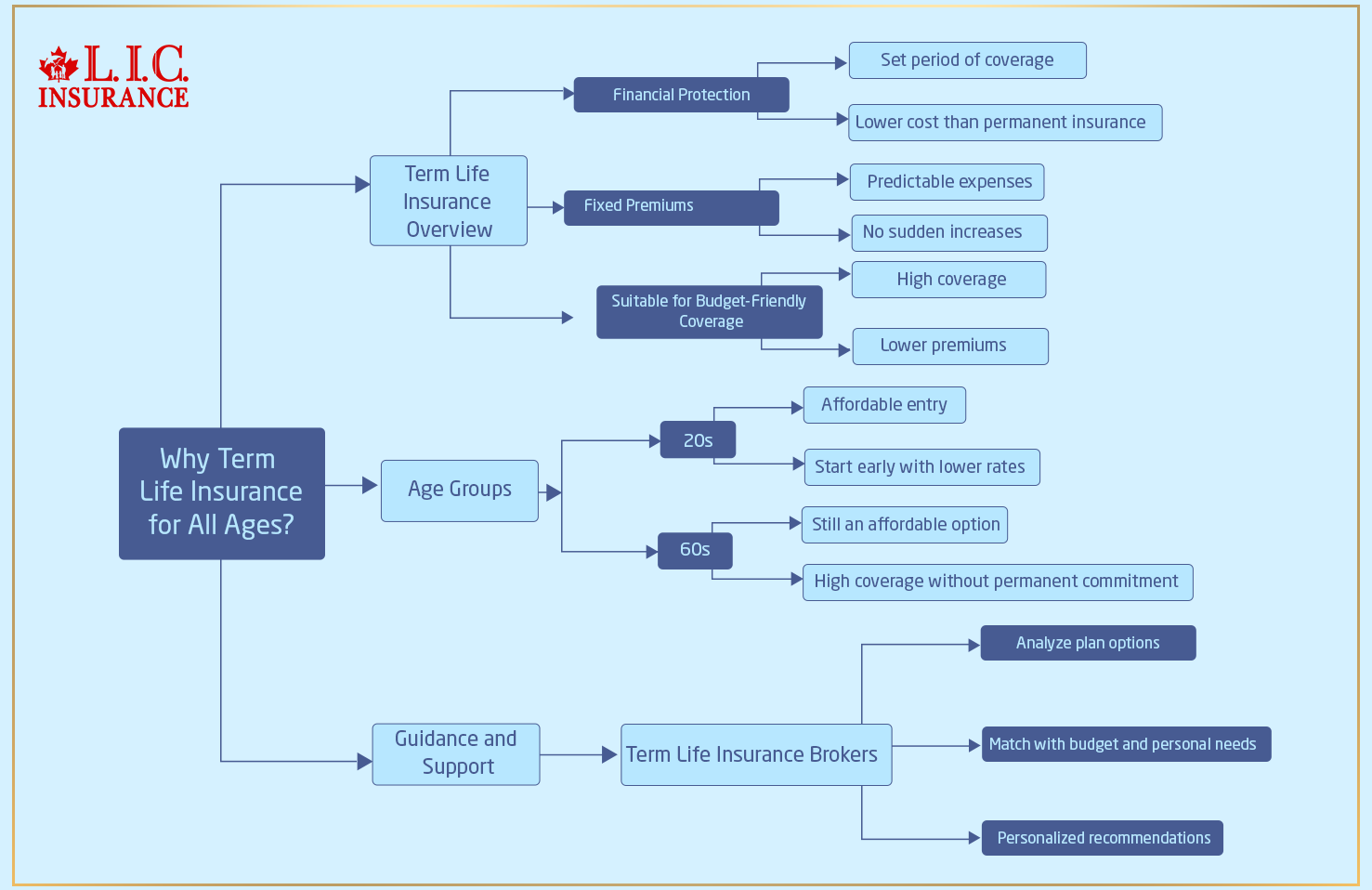
Term life insurance is generally the most affordable coverage option because it provides "pure" death benefit protection without an underlying investment component. Because these policies are temporary and carry a high probability that the policyholder will outlive the term, insurance companies can price premiums significantly lower than permanent life insurance.
Contents
For the majority of families in 2026, financial planning revolves around managing high-cost years—mortgage payments, childcare, and education funding. During these decades, the need for a large safety net is critical, but the budget for monthly premiums is often limited. Term life insurance bridges this gap by offering high coverage amounts for a fraction of the cost of whole or universal life policies. Understanding why this price disparity exists requires an analysis of product structure, actuarial risk, and the operational differences between types of insurance.
The Structural Simplicity of Pure Protection
The primary reason term life insurance costs less is its narrow focus. Unlike permanent life insurance policies, which combine a death benefit with a "cash value" savings account, term life is designed to do only one thing: pay a specified amount to beneficiaries if the insured person dies within a set timeframe (the term).
In a permanent policy, a significant portion of your premium is diverted into an investment or savings vehicle. This "cash value" grows over time on a tax-deferred basis, and the insurer must manage these funds, provide minimum interest guarantees, and account for the eventual payout of the policy, regardless of when death occurs. Because permanent policies are designed to last a lifetime, a payout is eventually certain as long as premiums are paid. In contrast, term insurance is essentially a "rented" protection. If the term expires and you are still living, the insurance company keeps the premiums and has no further obligation. This lack of an investment mandate allows the insurer to strip away the costs associated with asset management and guaranteed returns.
Actuarial Risk and the Probability of Payout
From an insurer's perspective, the "risk" of a policy is the likelihood that they will have to pay out the death benefit. Actuarial science—the mathematical discipline used to assess risk—is the engine behind insurance pricing.
Term life policies are typically sold in durations of 10, 15, 20, or 30 years. Statistically, the vast majority of term life policyholders outlive their coverage. According to historical industry data, only about 1% to 2% of term life insurance policies actually result in a death claim. Because the insurer is collecting premiums from a large pool of people but only paying out to a tiny fraction of them, they can keep the individual costs low.
Permanent insurance, however, carries a 100% probability of payout (provided the policy doesn't lapse). Because the insurer knows they will eventually pay the claim, they must charge a premium that is high enough to build a reserve that covers that eventual liability. This "certainty of payout" is a major factor in why whole life premiums can be five to ten times more expensive than term premiums for the same amount of coverage.
Reduced Administrative and Operational Overhead
The administrative costs of maintaining a life insurance policy are passed on to the consumer through premiums. Term life insurance is operationally efficient for several reasons:
- Lower Commissions: Agents generally receive a smaller total commission for term life policies compared to permanent policies. While the percentage might be similar, the much lower premium of a term policy means the agent's dollar-per-sale is lower, reducing the "acquisition cost" for the insurer.
- Simplified Underwriting: In 2026, digital health records and AI-driven predictive modeling have streamlined the term life application process. For many healthy individuals, "accelerated underwriting" allows for policy approval in minutes without a medical exam. Permanent policies often require more rigorous, manual underwriting because the long-term risk to the insurer is much higher.
- No Fund Management: Managing the investment portfolios associated with whole or universal life insurance requires a staff of financial analysts, compliance officers, and portfolio managers. Term life insurance avoids these costs entirely, as there are no assets to manage on behalf of the policyholder.
The Role of Modern Underwriting in 2026
As of 2026, the gap between term and permanent insurance pricing has remained stable, but the precision of term pricing has improved. Insurers now use "real-time" data to assess risk more accurately than ever before. For families, this means that if you are healthy, non-smokers, and have a safe occupation, you are likely to receive "Preferred Plus" rates that are lower than historical averages.
Modern underwriting looks at:
- Electronic Health Records (EHR): Instant access to medical history allows for immediate risk categorization.
- Lifestyle Data: Information regarding driving records, criminal history, and even credit scores (in some jurisdictions) helps insurers predict longevity.
- Mortality Trends: While the post-2020 era saw some fluctuations in mortality rates, the general trend toward increased longevity for those with access to modern healthcare keeps term rates competitive.
Comparing Term and Permanent Insurance Costs
To visualize the financial impact, consider a healthy 35-year-old individual seeking $1 million in coverage.
| Feature | Term Life (20-Year) | Whole Life (Permanent) |
|---|---|---|
| Typical Monthly Premium | $40 - $70 | $600 - $1,100 |
| Duration of Coverage | Fixed (e.g., 20 years) | Lifetime (as long as premiums paid) |
| Cash Value Accumulation | None | Yes (Guaranteed growth) |
| Primary Purpose | Income replacement / Debt protection | Estate planning / Wealth transfer |
| Payout Probability | Low (~2%) | High (100% if kept active) |
| Complexity | Low (Easy to understand) | High (Requires financial expertise) |
Note: These figures are estimates for educational purposes and vary based on health, gender, and specific policy riders.
Matching Coverage to Financial Milestones
For most families, the need for life insurance isn't permanent; it's situational. You need high levels of coverage when your liabilities are at their peak.
- The Mortgage Phase: If you have 25 years left on a home loan, a 25-year or 30-year term policy ensures the family home is paid off if the primary earner dies.
- The Child-Rearing Phase: Once children reach adulthood and finish their education, the financial "risk" associated with a parent's death decreases significantly.
- The Wealth Accumulation Phase: By the time a term policy expires, many families have built up their own retirement savings, 401(k)s, and home equity, effectively "self-insuring."
Buying term insurance allows a family to spend $50 a month on protection and invest the $500 they would have spent on a whole life policy into a diversified brokerage account or college savings fund (529 plan). This strategy, often called "Buy Term and Invest the Difference," typically results in higher net wealth for the family over 30 years compared to the cash value growth of a permanent policy.
Potential Limitations of Term Life Insurance
While cost-effective, term life insurance is not a "one-size-fits-all" solution. It is important to recognize its limitations:
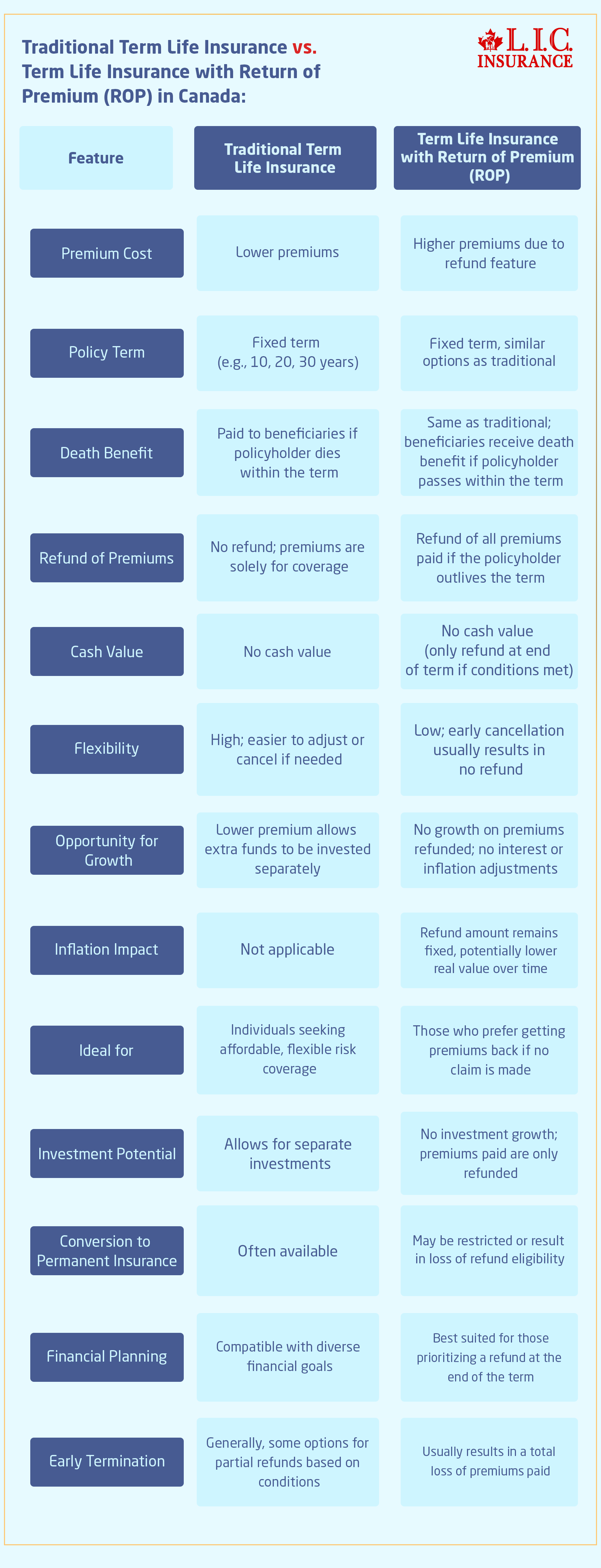
- No Residual Value: If you do not die during the term, you receive nothing back (unless you purchased a "Return of Premium" rider, which significantly increases the cost).
- Increasing Cost with Age: If you need to buy a new term policy at age 55 or 60 because your initial term expired, the premiums will be much higher due to your increased age and potential health changes.
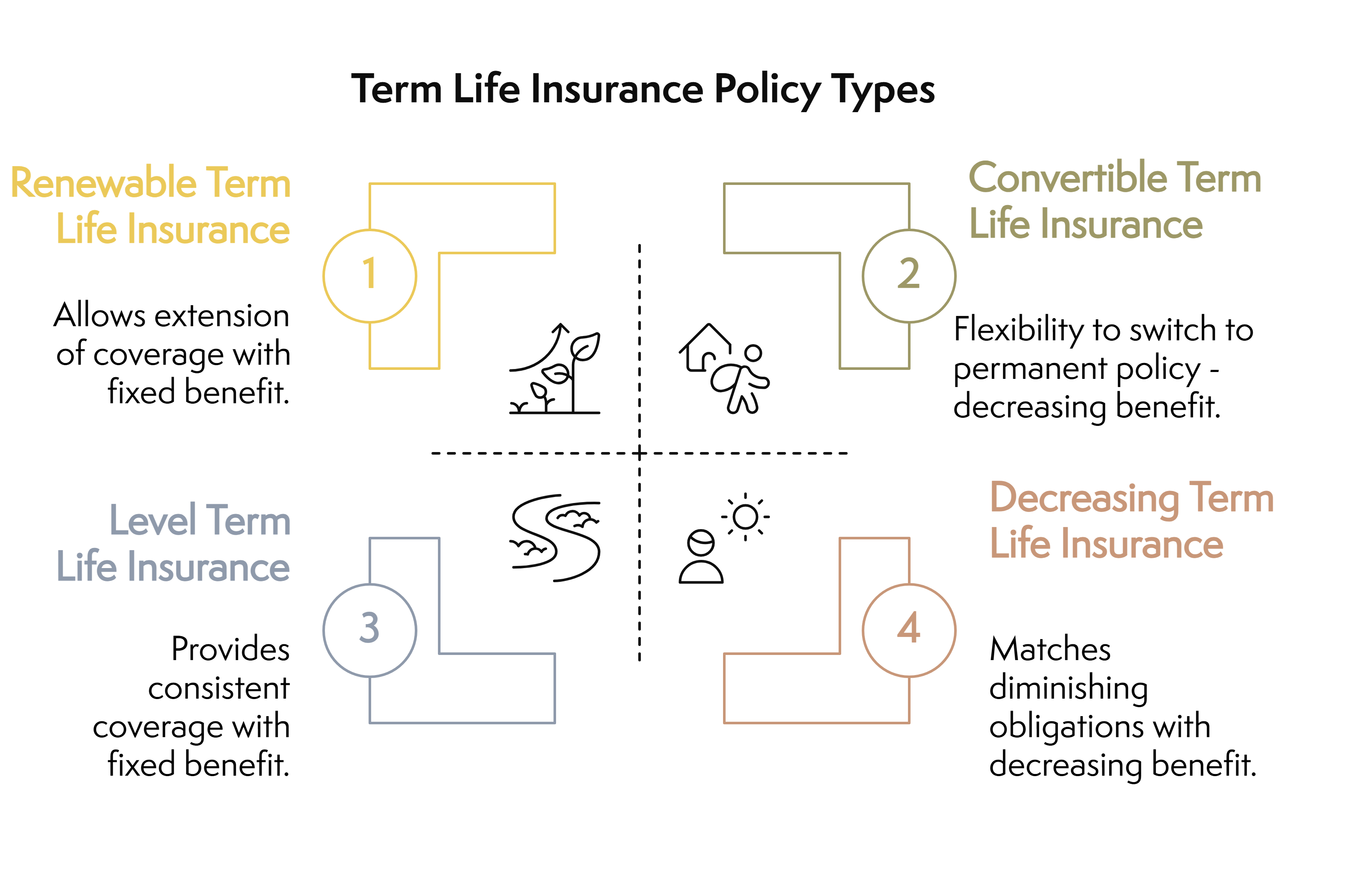
- Strict Expiration: Coverage ends exactly when the term concludes. While many policies offer a "guaranteed renewability" feature, the premiums for those renewals are usually prohibitively expensive.
Common Myths About Term Life Insurance Costs
A common misconception is that term life insurance is "throwing money away" because it doesn't build equity. However, in the context of risk management, insurance is an expense, not an investment. Just as you do not hope to use your car insurance or homeowners insurance, you pay for term life insurance for the "peace of mind" and the transfer of catastrophic risk to the insurer.
Another myth is that term life insurance rates are volatile. In reality, "Level Term" life insurance—the most common type—guarantees that your premium will remain exactly the same for the entire duration of the term. A policy purchased in 2026 for $45 a month will still cost $45 a month in 2046.
Frequently Asked Questions
Does term life insurance get more expensive as I get older?
If you have a level term policy, your premium stays the same for the entire duration of the term (e.g., 20 or 30 years). However, if you wait until you are older to apply for a new policy, the starting premium will be higher because your statistical risk of death increases with age.
What happens if I outlive my term life policy?
When the term ends, the coverage simply expires. You are no longer required to pay premiums, and the insurance company is no longer required to pay a death benefit. Some policies allow you to convert the term policy into a permanent policy without a medical exam, though this will result in a significant premium increase.
Is whole life insurance ever a better choice than term?
Permanent insurance can be beneficial for high-net-worth individuals for estate tax planning, for families with lifelong dependents (such as a child with special needs), or as a specific tool for diversifying a very large investment portfolio. For the average family focused on income replacement, term is usually the better value.
Can I cancel a term life policy if I no longer need it?
Yes. Term life insurance is very flexible. If you pay off your mortgage early or your children become financially independent sooner than expected, you can simply stop paying the premiums. The policy will lapse, and there are no penalties or "surrender charges" like those found in permanent policies.
How much term life insurance does a typical family need?
A common rule of thumb is 10 to 15 times your annual income. Because term life is so affordable, families can often afford to buy the full amount of coverage they actually need, rather than under-insuring themselves with a smaller, more expensive permanent policy.
Practical Recommendation
For most families in 2026, the most effective strategy is to calculate the number of years until their youngest child finishes college or their mortgage is paid off. Selecting a level term life insurance policy that matches this duration provides the most significant protection for the lowest possible cost.
Before applying, ensure you have a clear picture of your family’s total debt and future income needs. Comparing quotes from multiple "A-rated" carriers (rated by agencies like A.M. Best or S&P Global) is essential to finding the most competitive rates. If your health changes or your needs evolve, check if your term policy includes a conversion rider, which allows you to switch to a permanent policy later without proving insurability.
Image Gallery