Mastering the Mullet Fade: The Definitive 2026 Men's Haircut Guide
A mullet fade is a modern hybrid haircut that combines the classic, business-in-the-front, party-in-the-back silhouette of the traditional mullet with clean, tapered, or skin-faded sides. This style bridges retro nostalgia with contemp...
A mullet fade is a modern hybrid haircut that combines the classic, business-in-the-front, party-in-the-back silhouette of the traditional mullet with clean, tapered, or skin-faded sides. This style bridges retro nostalgia with contemporary barbering techniques, offering high customization for various hair textures and face shapes.
Contents
Understanding the Anatomy of a Modern Mullet Fade
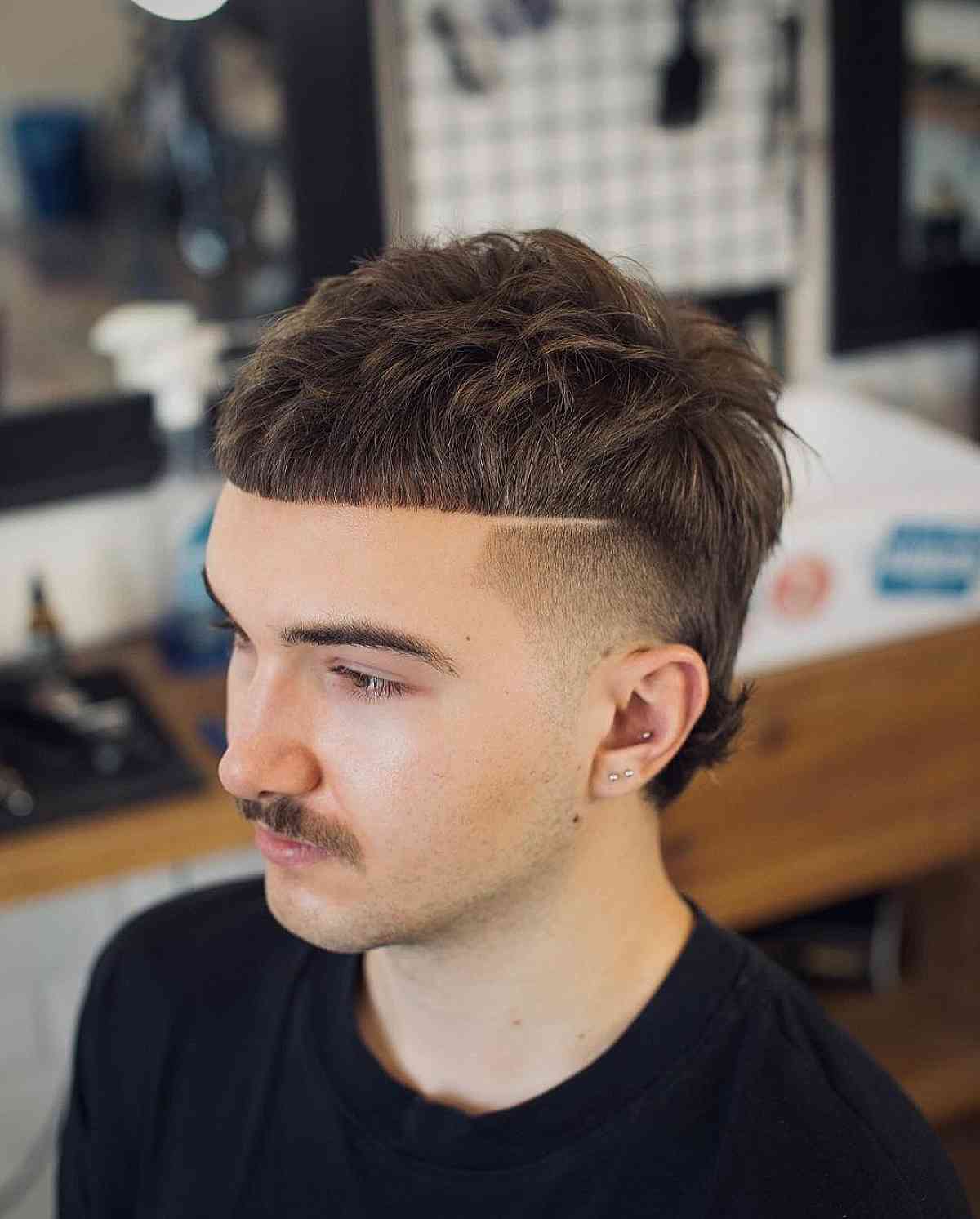
The modern mullet fade diverges significantly from its 1980s predecessor by introducing precise structural balance. While the classic iteration relied on blunt cuts and sharp transitions, contemporary variations emphasize seamless blending on the sides while maintaining dramatic length and texture contrast through the crown and back.
To execute or request this style accurately, you must understand its three core zones:
- The Front and Top: Ranging from textured crops and French crops to slicked-back pompadours or messy fringes, the top sets the framing tone for the face.
- The Sides: Utilizing a fade technique—such as a drop fade, low taper, or mid skin fade—the sides are taken down tightly, creating a stark visual boundary that highlights the back length.
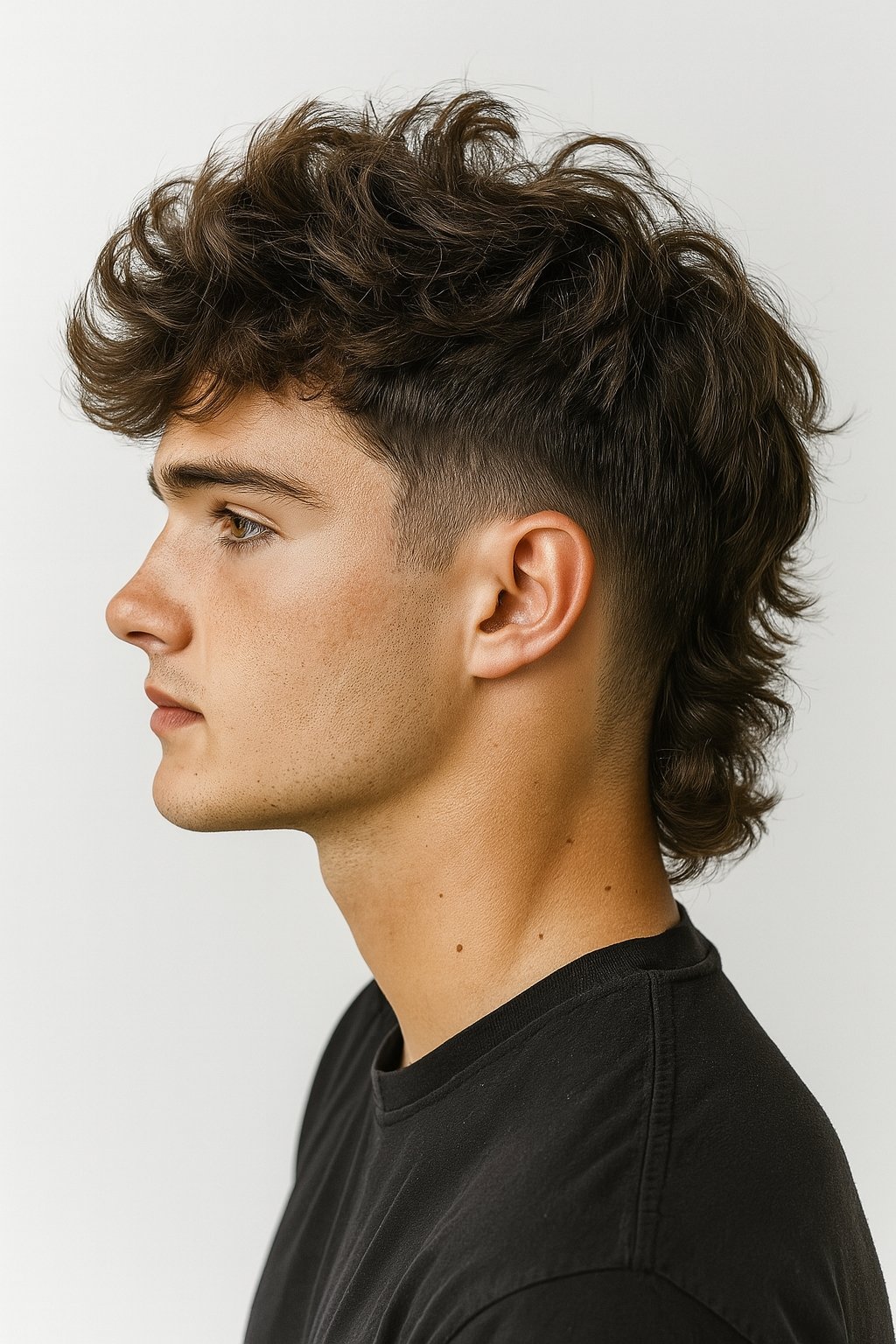
- The Back (The Flow): The length cascading down the neck can vary from a subtle fringe touching the collar to a full-length, heavily textured drape reminiscent of classic rock aesthetics.
Barbers rely heavily on clipper guards ranging from zero (skin) to number four, coupled with thinning shears and texturizing razors, to manage bulk without sacrificing movement.
Popular Variations and Choosing the Right Style for Your Hair Type
Not all mullet fades are created equal. Selecting the right variant depends heavily on your natural hair density, wave pattern, and professional environment.
The Low Taper Mullet Fade
This is the most versatile and corporate-friendly option. The fade wraps closely around the ear and tapers down near the neckline, keeping the sideburns and side areas neat while leaving the back relatively full. It works exceptionally well for straight and wavy hair types.
The Mid Skin Fade Mullet
A bolder choice, the mid skin fade starts right above the temples and drops behind the ear, exposing the scalp and creating maximum contrast. This style suits curly and coily hair textures, as the tight sides accentuate the natural volume and coil pattern of the back section.
The Drop Fade Mullet
Characterized by a fade line that "drops" lower behind the ear toward the nape of the neck, this variant maintains weight behind the ear while keeping the profile clean. It visually elongates round face shapes and offers a very balanced silhouette.
The Burst Fade Mullet
The burst fade fans out in a semi-circle around the ear, leaving hair intact behind the ear leading directly into the back length. This creates an aggressive, highly stylized look popular within modern alternative and skater subcultures.
| Mullet Fade Variant | Best Hair Texture | Maintenance Level | Face Shape Compatibility |
|---|---|---|---|
| Low Taper Mullet | Straight, Wavy | Moderate (3-4 weeks) | Oval, Square, Round |
| Mid Skin Fade | Curly, Coily, Thick | High (2-3 weeks) | Oval, Diamond, Heart |
| Drop Fade Mullet | Wavy, Curly | Moderate (3-4 weeks) | Round, Square |
| Burst Fade Mullet | Straight, Thick, Curly | High (2 weeks) | Oval, Oblong |
Step-by-Step Barbering Guide: How to Cut a Mullet Fade
Executing a clean mullet fade requires strategic weight distribution and disciplined clipper work. Professional barbers approach this structural haircut through a phased execution plan.
- Establish the Foundation and Length: Consult with the client to determine the desired length at the back and the height of the top. Section off the top and sides using sectioning clips to isolate the working zones.
- Determine the Fade Baseline: Decide whether a low, mid, or drop fade is appropriate. Cleanly debulk the sides using a clipper without a guard or with a #1 guard, setting the baseline for the fade transition.
- Blend the Sides: Progress upward using clipper guards (#0.5, #1, #2) to create a smooth, gradient transition. Use the C-stroke motion with your clippers to flick outward and prevent harsh lines.
- Shape the Back and Connection Zone: Transition from the faded sides into the longer hair at the back. Avoid cutting a harsh shelf; instead, point-cut or use texturizing shears to blend the transition zone between the short sides and the longer rear flow.
- Detail the Edges and Neckline: Clean up the sideburns, line up the forehead if requested, and edge out the neckline. A block neckline or a natural, tapered neckline works best depending on how the back length falls.
- Texturize and Style: Apply styling products to the top and back to emphasize separation, movement, and hold.
Essential Maintenance and Styling Products
Maintaining the sharp geometry of a mullet fade requires commitment. Because the sides feature tight fades, hair growth becomes noticeable quickly, requiring regular upkeep.
- Upkeep Schedule: Visit your barber every two to four weeks to keep the fade crisp. If you have a skin fade, you may need a clean-up every 14 days.
- Styling Curly/Coily Hair: Use a curl-enhancing cream or leave-in conditioner to define coils in the back, paired with a lightweight matte clay or styling paste on top for controlled volume.
- Styling Straight/Wavy Hair: Apply a sea salt spray to damp hair before blow-drying to build natural texture, then lock the look in place with a medium-hold pomade or texture powder.
Pro Maintenance Tip: Always invest in a boar bristle brush or wide-tooth comb depending on your texture. Brushing the back section daily trains the hair to flow uniformly downward rather than puffing outward uncontrollably.
Pros and Cons of Wearing a Mullet Fade
Before committing to this bold aesthetic, weigh the distinct practical and stylistic advantages against the daily requirements.
- Pros:
- Offers an elite blend of retro rebellion and modern sophistication.
- Highly customizable to suit straight, wavy, curly, and thick hair types.
- Keeps the neck and sides cool and breathable due to the tight fade.
- Allows for versatility in styling the top (messy crop, slick back, natural curls).
- Cons:
- Requires frequent, often costly, visits to the barber to maintain the faded sides.
- Growing out a mullet fade through awkward intermediate stages requires patience and styling adjustments.
- May not meet strict dress codes in conservative professional environments.
Frequently Asked Questions
What face shape works best with a mullet fade?
Oval and square face shapes pull off the mullet fade effortlessly due to their natural symmetry. However, by adjusting the height of the fade and the volume on top, barbers can successfully adapt the cut to round, oblong, and diamond face shapes.
How often do I need to get a mullet fade touched up?
To maintain a pristine look, you should visit your barber every two to three weeks, especially if your cut features a skin fade. Tapered variants can often stretch to four weeks between visits.
Can I get a mullet fade if I have straight, fine hair?
Yes, though fine hair requires structural support to avoid looking limp. Using volumizing mousses, sea salt sprays, and texturizing powder helps create the illusion of density and thickness throughout the top and back sections.
Is the mullet fade still trendy?
The mullet fade remains a dominant fixture in contemporary men's hairstyling. Its evolution into refined tapers and textured variations ensures it continues to be a staple requested in high-end barbershops worldwide.
How do I style the back of a mullet?
Styling the back depends entirely on your natural texture. Apply a lightweight styling cream or curl activator to damp hair, scrunch gently, and let it air-dry or diffuse on a low heat setting to prevent frizz while highlighting natural movement.
Conclusion
The mullet fade represents the pinnacle of modern barbering versatility, proving that classic rebellious styles can be refined for the modern era. By balancing clean, skin-faded sides with expressive length and texture through the back, you achieve a standout look that commands attention. Partner with a skilled professional barber, establish a consistent maintenance routine, and choose the variant that complements your lifestyle and hair type for optimal results.
Image Gallery