Capital One Pre-Qualified Credit Card: Your Complete Guide to Approval and Offers in 2026
Pre-qualifying for a Capital One credit card is a risk-free process that uses a "soft" credit inquiry to determine which card offers you are likely to be approved for without impacting your credit score. While pre-qualification is not...
Pre-qualifying for a Capital One credit card is a risk-free process that uses a "soft" credit inquiry to determine which card offers you are likely to be approved for without impacting your credit score. While pre-qualification is not a legal guarantee of final approval, it provides a highly accurate preview of your eligibility based on your current credit profile and income.
Contents
Checking for pre-qualified offers is a strategic first step for anyone looking to optimize their wallet in 2026. Whether you are seeking premium travel rewards, high-yield cash back, or a tool to rebuild your credit history, understanding how Capital One evaluates your data can save you from unnecessary "hard" credit inquiries that could temporarily lower your score.
Understanding the Mechanics of Capital One Pre-Qualification
The concept of pre-qualification is rooted in the Fair Credit Reporting Act (FCRA), which allows lenders to review your credit file to make "firm offers of credit." For the consumer, the primary advantage is the soft credit pull. Unlike a formal application, which triggers a hard inquiry and may stay on your credit report for two years, a soft pull is only visible to you and does not influence your credit score.
In 2026, Capital One’s pre-qualification engine is more sophisticated than ever. It utilizes real-time data from major credit bureaus—Experian, Equifax, and TransUnion—to match your profile against their current lending criteria. This process analyzes several variables, including your payment history, credit utilization ratio, and the age of your oldest accounts.
It is important to distinguish between "pre-qualified" and "pre-approved." While often used interchangeably, pre-qualification usually stems from a consumer-initiated check, whereas pre-approval often results from the lender identifying you through their own marketing filters. At Capital One, both processes generally result in the same outcome: a curated list of cards tailored to your creditworthiness.
Eligibility and Information Requirements
To access the Capital One pre-qualification tool, you must provide specific personal and financial details. This information allows the lender to verify your identity and assess your ability to manage debt.
Personal Information
- Full Legal Name: Must match your government-issued identification.
- Social Security Number (SSN) or ITIN: Required to access your credit file securely.
- Date of Birth: You must be at least 18 years old to apply for a credit card in the United States.
- Physical Address: Used to verify residency and for the delivery of your physical card.
Financial Information
- Total Annual Income: This includes wages, bonuses, and potentially income from other sources like investments or alimony. Capital One uses this to calculate your Debt-to-Income (DTI) ratio, a critical factor in determining your credit limit.
- Monthly Rent or Mortgage Payment: This helps the lender understand your existing financial obligations.
- Employment Status: Whether you are full-time, part-time, self-employed, or retired.
Credit Profile Categories
Capital One typically categorizes applicants into three tiers. Knowing where you stand can help you interpret your pre-qualification results:
- Excellent Credit: You have never declared bankruptcy or defaulted on a loan; you haven't been more than 60 days late on any credit card, medical bill, or loan in the past year; and you have had a loan or credit card for three years or more.
- Good Credit: You have had a credit card or loan for over a year and have not been more than 30 days late on a payment in the last year.
- Fair/Rebuilding Credit: You have defaulted on a loan in the past or have a limited credit history (less than three years).
Step-by-Step Guide: How to Check Your Offers
Checking for a Capital One pre-qualified credit card is a streamlined digital experience. Follow these steps to ensure you are viewing the most accurate offers available in 2026.
- Navigate to the Official Tool: Visit the Capital One Pre-Approval page. Avoid third-party sites that may use outdated data or require unnecessary fees.
- Fill Out the Secure Form: Enter your personal and financial details as prompted. Ensure your income reflects your current gross earnings, as this directly impacts the credit limits you may see.
- Select Your Goal: Capital One often asks if you are looking for "Travel Rewards," "Cash Back," or "Building Credit." Selecting a goal helps filter the results, though the tool will typically show you all cards you qualify for regardless of the selection.
- Submit and Review: Once you click "See My Card Offers," the system will communicate with the credit bureaus. Within seconds, you will receive a list of cards.
- Analyze the Terms: Each offer will include the estimated APR, the annual fee, and the primary rewards structure. Take note of whether the offer is for a "Standard" version of a card or a "SavorOne for Good Credit," as the latter may not include a sign-up bonus.
Comparing Capital One’s Pre-Qualified Tiers
Capital One offers a diverse portfolio, and your pre-qualification results will reflect your specific credit tier. Below is a comparison of the most common cards available through the pre-qualification tool in 2026.
| Card Name | Targeted Credit Tier | Annual Fee | Primary Benefit/Reward |
|---|---|---|---|
| Venture X | Excellent | $395 | 10x miles on hotels/cars, $300 travel credit |
| Venture | Excellent | $95 | 2x miles on every purchase |
| Savor | Excellent | $95 | 4% cash back on dining and streaming |
| SavorOne | Good to Excellent | $0 | 3% cash back on dining, entertainment, and groceries |
| Quicksilver | Good to Excellent | $0 | Flat 1.5% cash back on all purchases |
| Platinum | Fair | $0 | No-frills credit building, no rewards |
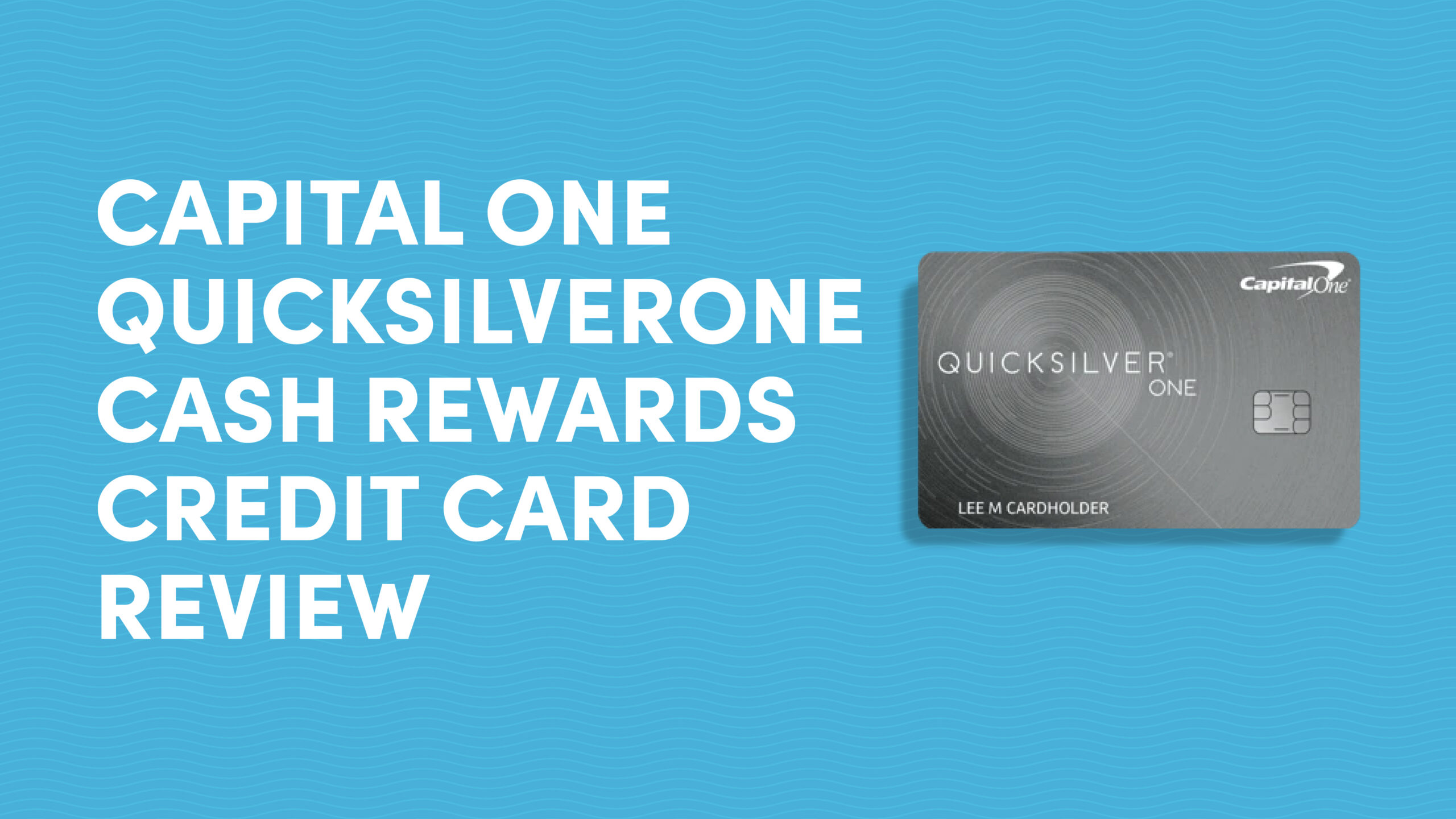
| QuicksilverOne | Fair | $39 | 1.5% cash back for those with average credit |
The Travel Suite: Venture and Venture X
If you pre-qualify for the Venture X, you are being identified as a high-value customer with an excellent credit history. This card is a competitor to other premium travel cards, offering airport lounge access and significant annual travel credits. The standard Venture card is more accessible but still requires a strong credit profile.
The Cash Back Suite: Savor and Quicksilver
The Savor family is designed for lifestyle spending, particularly dining and entertainment. If you are pre-qualified for the SavorOne, it is often considered one of the best "no annual fee" cards on the market. The Quicksilver card is the flagship for simplicity, providing a flat rewards rate that appeals to those who do not want to track spending categories.
Credit Building: Platinum and Journey
For those in the "Fair" or "Rebuilding" category, pre-qualification will likely surface the Platinum card. While it lacks rewards, it is a powerful tool for increasing your credit score through consistent, on-time payments. Capital One often includes these users in their "Credit Steps" program, which provides an automatic credit limit increase after the first six months of on-time payments.
The Transition from Pre-Qualified to Approved
It is vital to understand that the pre-qualification step is the "intent" phase. Once you select a card and click "Apply Now," the process moves into the formal application phase.
The Hard Credit Inquiry
When you officially apply, Capital One will perform a hard inquiry. A unique characteristic of Capital One is that they historically pull credit reports from all three major bureaus (Experian, TransUnion, and Equifax). This provides them with a comprehensive view of your credit history but also means the inquiry will appear on all three of your reports. In 2026, this practice remains standard for the bank to mitigate risk and ensure accurate lending.
Final Verification
Even if you were pre-qualified, the final application requires a deeper dive. Capital One may request:
- Proof of Income: Pay stubs or tax returns if your stated income cannot be verified through automated databases.
- Identity Verification: A photo of your driver's license or a selfie to prevent synthetic identity fraud.
- Recent Credit Changes: If you opened three other credit cards in the week between pre-qualifying and applying, your final approval could be denied.
Common Reasons for Denial After Pre-Qualification
While rare, a denial can occur after a successful pre-qualification. Understanding these factors can help you avoid a wasted hard inquiry.
- Recent Credit Activity: If you have applied for multiple cards recently, you may run afoul of Capital One’s internal "2-card limit." Generally, Capital One only allows individuals to hold two personal credit cards at once, though exceptions exist for premium cards like the Venture X.
- Information Mismatch: If the income or housing costs listed on your formal application differ significantly from the data provided during the pre-qualification step, the algorithm may flag the application for manual review or denial.
- The "1-in-6" Rule: Capital One generally limits approvals to one new card every six months. If you were approved for a card five months ago, you may be pre-qualified by the system but denied during the hard-pull phase.
- Negative Marks on a Specific Bureau: Since Capital One pulls all three bureaus, a negative mark that only appears on Equifax might not have been caught if the pre-qualification tool only performed a light check on Experian.
Maximizing Your Chances of Approval
To ensure the best possible offers when checking for a Capital One pre-qualified credit card, consider the following strategies:
- Reduce Utilization: Aim to have your credit card balances below 10% of your total limits before checking for offers. This significantly boosts your credit score in the eyes of the pre-qualification algorithm.
- Update Your Income: Ensure you are including all legally accessible income. According to the Consumer Financial Protection Bureau (CFPB), stay-at-home spouses or partners over the age of 21 can include their partner's income if they have a reasonable expectation of access to it.
- Review Your Credit Reports: Before checking for offers, use a service like AnnualCreditReport.com to ensure there are no errors on your file that could lead to an inaccurate pre-qualification result.
Frequently Asked Questions
Does checking for a pre-qualified card hurt my credit score?
No. The pre-qualification process uses a soft inquiry, which has zero impact on your credit score. You can check for offers multiple times without fear of damaging your credit profile. Only the final, formal application results in a hard inquiry.
If I am pre-qualified, is my interest rate guaranteed?
The interest rate (APR) shown during pre-qualification is usually a range or a specific estimate based on your profile. The final APR is determined during the formal application process. In 2026, APRs remain variable and are tied to the Prime Rate, so they may fluctuate based on Federal Reserve policy.
Can I pre-qualify for Capital One business cards?
Capital One offers a separate pre-qualification path for their Spark business credit cards. This process requires information about your business, such as your Federal Tax ID (EIN) or Social Security Number if you are a sole proprietor, along with your annual business revenue.
How long does a pre-qualified offer last?
Most pre-qualified offers are snapshots of your eligibility at a specific moment. While Capital One may save your results for a few days, it is best to complete the formal application in the same session to ensure the offer remains valid and the terms do not change.
Why didn't I get any pre-qualified offers?
If you receive a message stating no offers are available, it is often due to a "frozen" or "locked" credit report. You must lift any security freezes at Experian, TransUnion, and Equifax before the tool can access your data. Alternatively, if your credit score is very low, Capital One may suggest a Secured Mastercard, which requires a refundable deposit.
Recommendation for Next Actions
If you are ready to explore your options, the most logical next step is to use the Capital One Pre-Approval tool to see your current standing. If you find yourself pre-qualified for multiple cards, prioritize the one that aligns with your primary financial goal—whether that is earning travel miles for an upcoming trip or avoiding interest with a 0% introductory APR offer.
For those who do not pre-qualify for the card they want, avoid the temptation to submit a formal application anyway. Instead, use a tool like Capital One CreditWise to monitor your score, identify areas for improvement, and wait 30 to 60 days before checking for pre-qualified offers again. This disciplined approach ensures that when you do eventually apply, your success is nearly certain.
Disclaimer: This article is for informational purposes only and does not constitute financial or legal advice. Credit card terms, interest rates, and approval criteria are subject to change by the issuer.
Image Gallery