Mastering the Superior Court Docket Search Process in 2026
Accessing public records via a superior court docket search is a critical requirement for legal professionals, litigants, and researchers seeking verified information on case status, filings, and historical judicial activity. As of 202...
Accessing public records via a superior court docket search is a critical requirement for legal professionals, litigants, and researchers seeking verified information on case status, filings, and historical judicial activity. As of 2026, the transition toward unified digital portals across major jurisdictions has significantly standardized how civil, criminal, and family law records are retrieved. Navigating these systems requires an understanding of jurisdictional boundaries, data privacy limitations, and the technical protocols governing public information access.
Contents
Understanding Jurisdictional Scope and Record Availability
Superior courts typically handle high-stakes litigation, including felony criminal cases, civil disputes involving significant financial damages, and complex family law matters. Because court administration is decentralized in most regions, a superior court docket search must be performed at the county or municipal level where the action was originally filed.
In 2026, most superior courts have migrated from legacy, siloed databases to cloud-integrated Case Management Systems (CMS). While this has improved uptime, it has also introduced stricter authentication requirements for non-attorney users. Understanding the difference between public information and restricted files is vital:
- Public Records: Includes case filing dates, party names, judge assignments, and disposition status.
- Sealed or Confidential Records: Includes juvenile matters, specific protective orders, and sensitive medical or financial documentation protected under updated 2026 privacy statutes.
- Restricted Access: Some dockets require an active attorney registration or a court-ordered subpoena to view full-text PDF filings.
Navigating the Digital Search Workflow
Performing an effective docket search in 2026 involves more than simple keyword matching. Users must leverage specific identifiers to ensure the accuracy of the result set, as common names often lead to false positives in large county databases.
- Obtain the Case Number: If available, the case number is the most efficient search parameter. It serves as the unique identifier in the court's index.
- Utilize Party Identifiers: If the case number is unknown, search by the full legal name of the plaintiff or defendant. Many 2026 search interfaces now mandate date-of-birth or middle-name inputs to narrow results.
- Apply Date Ranges: Filtering by filing date helps exclude closed cases or unrelated historical matters involving parties with identical names.
- Verify the Document Status: Always check the docket entry date to ensure the information reflects the most recent 2026 activity. A case marked as "Active" in a 2023 record may have been "Disposed" or "Closed" as of the current 2026 calendar year.
Comparative Overview of Search Methods
Choosing the correct search method depends on whether you require an informal status update or a certified copy of a court record.
| Search Method | Accuracy Level | Cost Structure | Best Use Case |
|---|---|---|---|
| Official County Web Portal | High | Free to Low | Routine case status checks and docket monitoring |
| Third-Party Legal Aggregator | Moderate | Subscription | Cross-jurisdictional research and trend analysis |
| In-Person Clerk Inquiry | Absolute | Nominal Fee | Accessing non-digitized files or certified transcripts |
| PACER / Federal Integration | High | Pay-per-page | Researching cases that escalated to federal jurisdiction |
Essential Technical Considerations for Researchers
When conducting a superior court docket search, users must be aware of the "Data Lag" phenomenon. While many counties update their dockets in real-time, some jurisdictions operate on a 24-to-48-hour delay due to manual scanning processes or server batch-processing schedules.
Important Technical Note Verification of Data Integrity Researchers should never rely solely on digital docket entries for time-sensitive legal deadlines. Always verify significant docket entries with the Clerk of the Court, as digital displays are occasionally subject to clerical entry errors or temporary synchronization delays during system maintenance windows in 2026.
Troubleshooting Search Failures
If a search yields no results for a case you believe exists, consider the following technical factors:
- Data Formatting: Check if the system requires a specific dash format for case numbers (e.g., 26-CR-00123 vs. 26CR00123).
- Court Jurisdiction: Ensure the case was not transferred to a specialized court, such as a Probate or Bankruptcy court, which maintains its own separate docketing system.
- Name Variations: Verify if the entity is registered under a DBA (Doing Business As) or a formal corporate structure rather than an individual name.
Frequently Asked Questions (FAQ)
Can I view full copies of court documents online in 2026? Many jurisdictions allow users to view and download non-restricted documents directly from the docket portal, though you may need to register for a secure account. Some highly sensitive documents remain accessible only through in-person requests at the clerk’s office.
Are there fees associated with performing a superior court docket search? Most counties provide basic docket information free of charge, but many now charge a transaction or document retrieval fee for downloading electronic images of filings to cover the operational costs of their digital infrastructure.
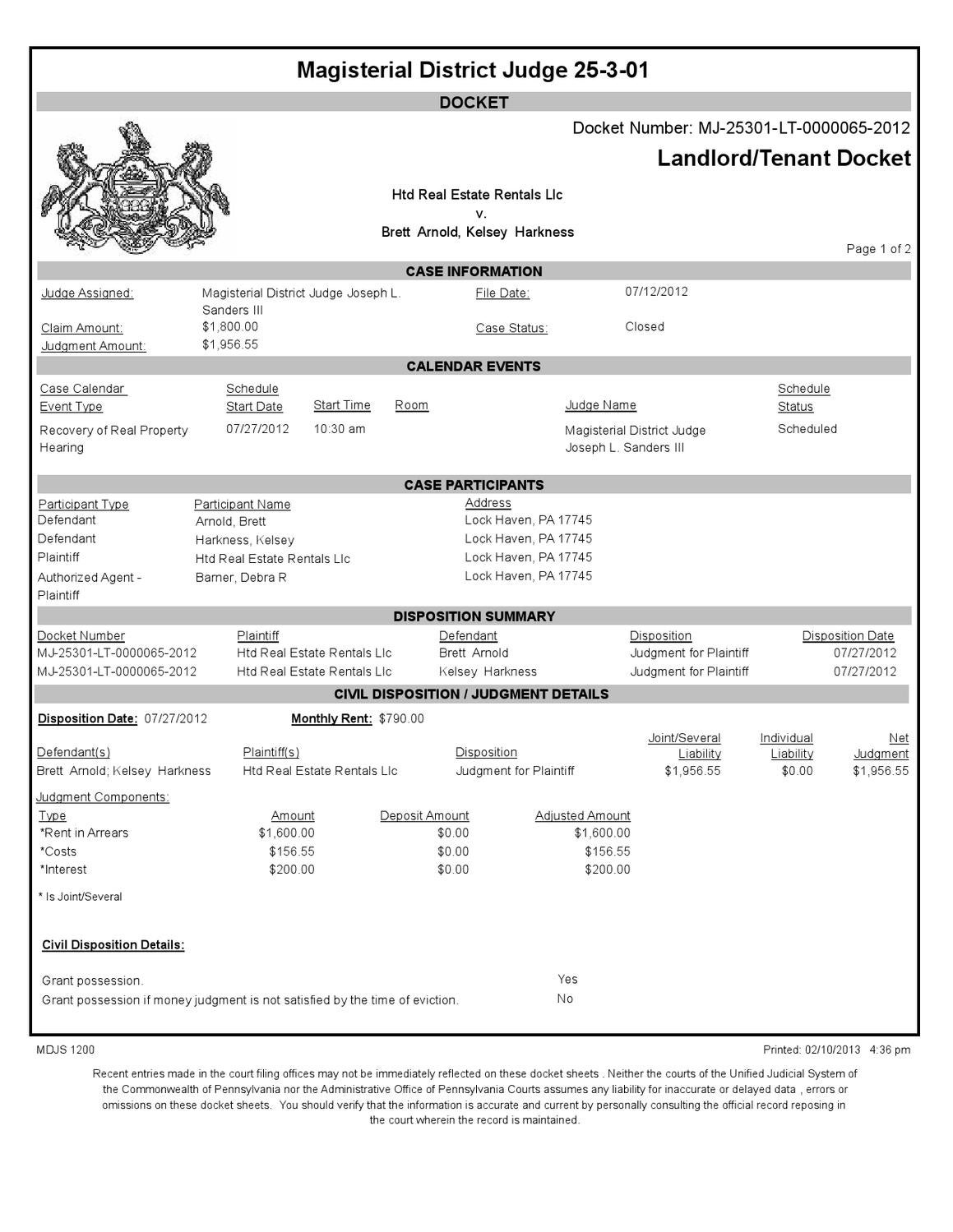
How do I confirm if a case is still open? The "Disposition" or "Case Status" column on the docket sheet will explicitly state the current standing of the matter. If the status is listed as "Pending," "Active," or "Ongoing," the case remains open before the court.
What should I do if the online docket appears incomplete? If the digital entry seems to be missing recent activity, contact the Clerk of the Court’s office directly during business hours. They can provide an internal status update and confirm if there have been any recent filings that have not yet been indexed into the public-facing system.
Is my search activity recorded or monitored by the court? Yes, most court portal systems log IP addresses and user activity to prevent data scraping and ensure compliance with judicial security protocols. Always use official government domains to ensure your search is legitimate and secure.
Strategic Approach to Legal Research
For those involved in recurring legal monitoring, the most robust strategy in 2026 involves setting up automated RSS feeds or email alerts if the specific county portal provides such functionality. This ensures that any new docket entry—whether a motion, a discovery filing, or a judge’s order—is flagged immediately. By maintaining a consistent, methodical approach to your search parameters and verifying data through primary judicial sources, you minimize the risk of oversight in your professional or personal investigations. If you are handling complex or sensitive litigation, consult with legal counsel to ensure that your interpretation of docketed events is consistent with local procedural requirements.
Image Gallery