Understanding What Cisco Umbrella Cloud Access Security Broker (CASB) Provides
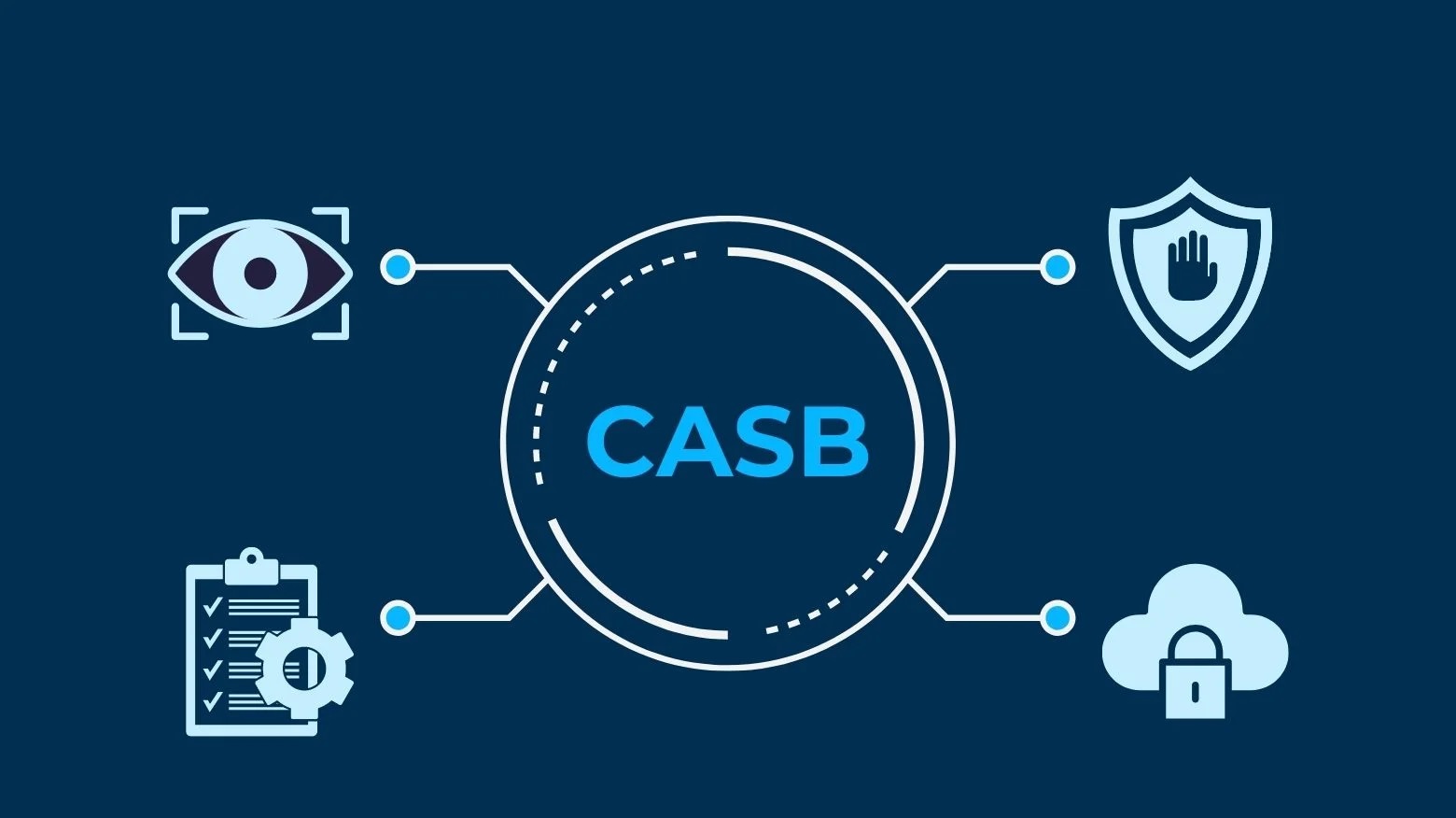
Cisco Umbrella’s Cloud Access Security Broker (CASB) functionality acts as a security control point between cloud service users and cloud applications. It provides visibility into Shadow IT, enforces data loss prevention policies, and...
Cisco Umbrella’s Cloud Access Security Broker (CASB) functionality acts as a security control point between cloud service users and cloud applications. It provides visibility into Shadow IT, enforces data loss prevention policies, and mitigates risks associated with cloud-native threats, ensuring that organizational security policies follow data regardless of where it resides or which device accesses it.
Contents
The Role of CASB in Modern Enterprise Security
As organizations transition toward distributed work environments and rely increasingly on Software-as-a-Service (SaaS) applications, traditional perimeter-based security models have become insufficient. The Cloud Access Security Broker (CASB) component within the Cisco Umbrella platform is designed to address this architectural shift. By positioning itself between the user and the cloud provider, Cisco Umbrella provides a consolidated view of cloud traffic, enabling security teams to gain control over data that is no longer housed strictly within the corporate firewall.
The primary intent of Cisco Umbrella's CASB is to provide "visibility, control, and data security." It does not merely monitor traffic; it actively intercepts and inspects cloud application usage. This allows administrators to distinguish between enterprise-sanctioned applications and unauthorized services, commonly referred to as Shadow IT. By understanding the usage patterns of these applications, organizations can reduce the attack surface and prevent data exfiltration.
Visibility into Shadow IT
One of the most critical challenges in cloud security is Shadow IT—the use of unauthorized cloud services by employees to conduct business. Without visibility into these applications, IT departments cannot manage the risks associated with data sharing or account compromise.
Cisco Umbrella CASB leverages global cloud traffic data to categorize and identify these services. It provides a detailed report on which applications are in use across the organization, the volume of data being transferred, and the potential risk score associated with each application. This visibility allows security teams to:
- Identify unauthorized apps: Recognize when employees are using personal storage or collaboration tools for business purposes.
- Assess risk levels: Utilize Cisco’s threat intelligence to assign risk scores to specific SaaS applications based on their security certifications and data handling practices.
- Regulate usage: Use the intelligence gathered to either block access to high-risk applications or provide employees with safer, enterprise-sanctioned alternatives.
Data Loss Prevention (DLP) Capabilities
Data Loss Prevention is a core pillar of the Cisco Umbrella CASB offering. As sensitive information flows into and out of cloud applications, it becomes vulnerable to accidental exposure or malicious exfiltration. Cisco Umbrella provides granular control over this data through defined DLP policies.
These policies allow administrators to set rules based on the sensitivity of the content. For example, if a user attempts to upload a document containing Personally Identifiable Information (PII) or financial records to an unauthorized cloud drive, the CASB can detect the file structure, trigger a policy enforcement action, and block the upload in real time. This capability is essential for organizations subject to regulatory requirements such as GDPR, HIPAA, or PCI-DSS, where strict controls on data residency and handling are mandated.
Threat Protection and Malware Mitigation
Beyond data governance, the CASB functionality integrated into Cisco Umbrella serves as a defensive shield against cloud-based threats. Since cloud applications can be used as vectors for malware delivery or phishing, the security broker inspects files being uploaded or downloaded to cloud services.
Cisco Umbrella utilizes the intelligence from Cisco Talos—a massive threat intelligence research organization—to scan for known threats. When a user interacts with a SaaS platform, the CASB inspects the file stream for malicious payloads. If a threat is identified, the system blocks the interaction, preventing the infection from spreading across the corporate network or damaging the cloud application’s repository.
Comparing CASB Deployment Models
Cisco Umbrella approaches CASB deployment through a combination of proxy-based inspection and API-based integration. These two methods work in tandem to provide comprehensive coverage.
| Feature | Proxy-Based (Inline) | API-Based |
|---|---|---|
| Primary Function | Real-time traffic inspection | Near real-time data inspection |
| Placement | Between user and cloud app | Directly integrated into the SaaS platform |
| Visibility | Controls traffic as it happens | Deep visibility into data at rest |
| Enforcement | Immediate (Block/Allow) | Retroactive (Quarantine/Delete) |
The proxy-based model is highly effective for preventing threats before they reach the endpoint, whereas the API-based integration excels at auditing data that is already stored within cloud environments, providing a "holistic" security posture.
Prerequisites for Implementation
To utilize the CASB capabilities within the Cisco Umbrella platform, organizations must meet specific architectural requirements. Because the service is cloud-delivered, there is no need for local hardware appliances, but the following are necessary:
- Umbrella Subscription: A license tier that includes the Cloud Security or SIG (Secure Internet Gateway) package.
- Traffic Forwarding: Deployment of an appropriate forwarding mechanism. This is typically achieved through the Cisco Umbrella roaming client (AnyConnect/Secure Client) or by redirecting traffic from existing network devices (like routers or firewalls) via IPsec tunnels.
- Application Governance Policies: Before enforcement can begin, administrators must define their risk appetite. This involves mapping organizational policies to the technical configurations within the Umbrella dashboard.
- Identity Integration: Synchronizing user and group information with the platform (e.g., via Active Directory or SCIM) is crucial for applying identity-aware policies rather than blanket rules.
Operational Limitations and Considerations
While Cisco Umbrella CASB provides extensive security features, it is important to understand that it operates within the scope of web traffic and cloud-to-cloud integrations. It does not replace endpoint detection and response (EDR) solutions, which monitor activity happening locally on a device's operating system.
Furthermore, the effectiveness of the CASB depends on the accuracy of the policies set by the security team. Overly restrictive policies can impede business productivity, leading to "friction" where employees circumvent security controls to perform their tasks. Therefore, a balanced approach—periodically reviewing blocked application reports and fine-tuning rules—is necessary for long-term success.
Frequently Asked Questions
Does Cisco Umbrella CASB work for all cloud applications? Cisco Umbrella supports a vast catalog of popular SaaS applications. While it covers most major enterprise-grade platforms, niche or custom-built internal applications may require additional configuration or may not be supported by the automated risk scoring engine.
Can CASB inspect encrypted traffic? Yes, Cisco Umbrella CASB can inspect HTTPS traffic. By leveraging the platform’s SSL/TLS decryption capabilities, the broker can see into the encrypted traffic stream, inspect content for data sensitivity, and check for malware before re-encrypting the traffic to its destination.
What is the difference between CASB and a Secure Web Gateway (SWG)? An SWG focuses primarily on web traffic and domain filtering, protecting users as they browse the internet. CASB is more specialized, focusing on the context and content of data within SaaS applications, such as who is sharing a file and what the content of that file contains.
Is performance affected by using a proxy-based CASB? Cisco Umbrella is designed to operate on a high-availability global cloud network. While any proxy inspection introduces a marginal increase in latency, the platform is optimized to minimize this impact, ensuring that the user experience remains largely unaffected by the security checks.
Next Steps for Implementation
To begin leveraging the CASB features of Cisco Umbrella, the first action is to conduct a discovery audit. Log in to the Umbrella dashboard and view the "Cloud Services" report to identify the extent of unauthorized application usage within your current network traffic. Once you have a clear picture of what applications are being used, you can begin defining DLP and access policies that align with your security requirements. If your organization is transitioning to a SASE (Secure Access Service Edge) architecture, consider the CASB component as a foundational layer in your overall cloud security strategy.
Image Gallery