Why Are the Beaches Open in New Jersey: Understanding Public Access and Jurisdictional Authority
New Jersey beaches remain open year-round because they are considered public trust lands held in the common property of the state for the use of all citizens. While access to the shoreline—including parking and facility availability—va...
New Jersey beaches remain open year-round because they are considered public trust lands held in the common property of the state for the use of all citizens. While access to the shoreline—including parking and facility availability—varies by season, the physical sand and ocean water are governed by the Public Trust Doctrine, preventing private ownership from blocking public access to tidal waters.
Contents
The Foundation of Access: The Public Trust Doctrine
The primary reason New Jersey’s beaches are accessible to the public is the Public Trust Doctrine. This legal principle, which dates back to Roman law and was later adopted into English common law, asserts that the state owns the lands now flowed by tidal waters, such as beaches and shorelines, in trust for the public.
In New Jersey, the state Supreme Court has consistently upheld this doctrine. Most notably, the Matthews v. Bay Head Improvement Association (1984) ruling solidified that the public’s right to use the tidal waters and the beach area is not limited to mere recreation in the water. It extends to the dry sand area to the extent that it is reasonably necessary for the enjoyment of the ocean. Because the state maintains this trust, municipalities cannot unilaterally "close" the ocean or the beach to the public, even when lifeguards are off-duty or seasonal facilities are shuttered.
Seasonal Operational vs. Legal Access
It is critical to distinguish between "legal access" and "operational access." When visitors ask why beaches are "open," they are often inquiring about whether they are permitted to walk on the sand during the off-season.
- Legal Access: The beach is legally open 365 days a year. You are permitted to walk along the shoreline, engage in beachcombing, or view the ocean at any time, subject to municipal ordinances regarding hours of operation for specific park areas.
- Operational Access: This refers to the services provided by municipalities, such as public restrooms, showers, trash collection, boardwalk maintenance, and the presence of professional lifeguards. These services are seasonal, typically running from Memorial Day through Labor Day.
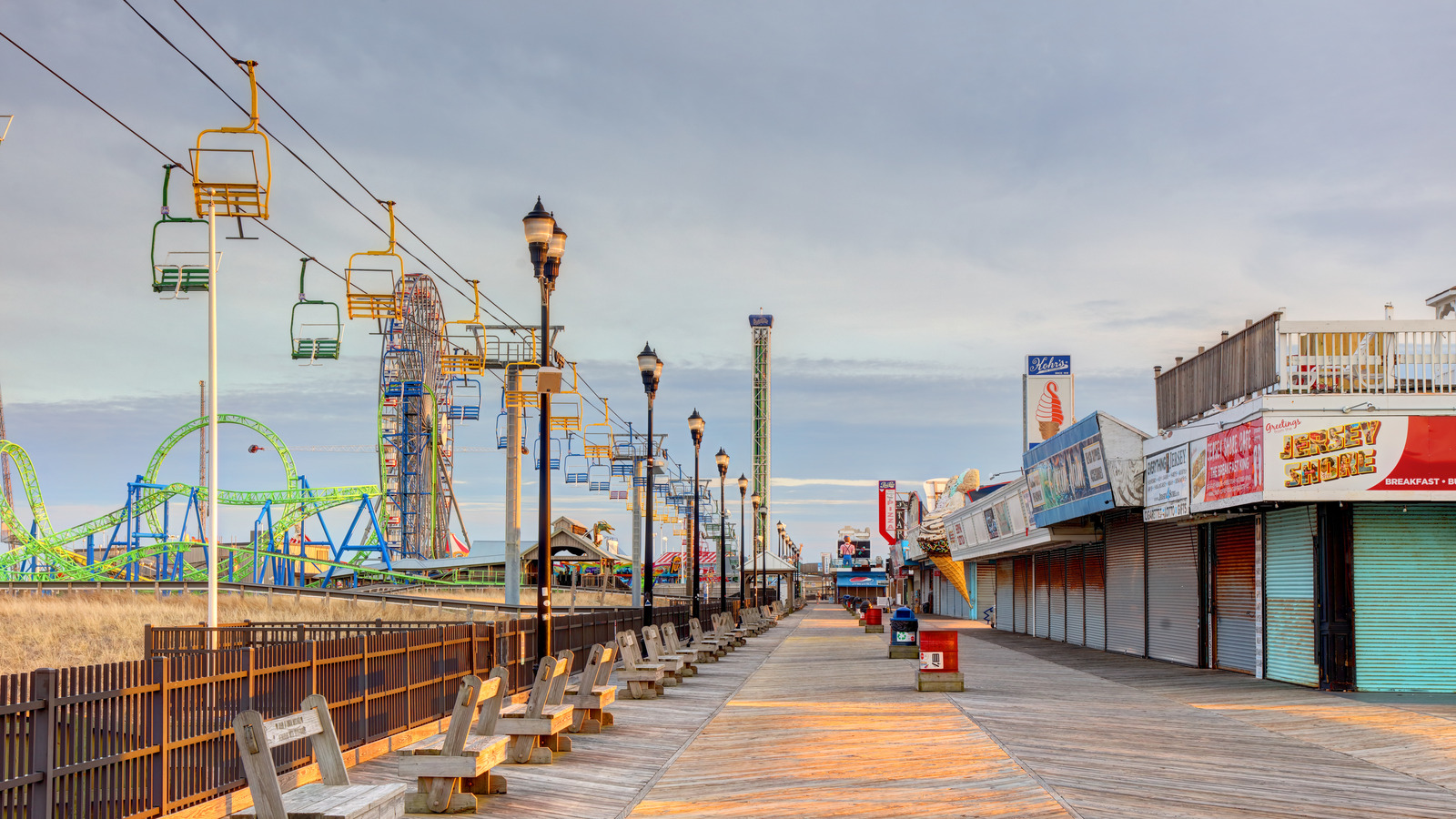
Outside of the summer season, many shore towns reduce or eliminate these services to manage municipal budgets. While you are legally allowed to be on the beach, you may find that public facilities are locked and parking kiosks may be inactive, reflecting the reduced demand during the colder months.
Municipal Control and Management
While the Public Trust Doctrine mandates that the shore must remain open, the New Jersey Department of Environmental Protection (NJDEP) allows municipalities to regulate the manner in which those beaches are used. This regulatory authority is why you may encounter different rules in Atlantic City compared to Point Pleasant or Cape May.
Local governments hold the authority to:
- Enforce Hours of Operation: Towns may legally prohibit presence on the beach during overnight hours (typically midnight to 6:00 AM) for safety and law enforcement purposes.
- Regulate Parking: Towns can implement seasonal parking permits or metered parking. During the off-season, many towns suspend these requirements to encourage winter tourism.
- Manage Beach Badges: The "beach badge" system is a method of cost-recovery for municipalities to fund the maintenance of the beaches—including cleaning, sand replenishment, and lifeguard salaries. These fees are only legally enforceable when services (such as lifeguards) are provided.
Beach Access Comparison Guide: Summer vs. Off-Season
| Feature | Summer Season (Memorial Day–Labor Day) | Off-Season (September–May) |
|---|---|---|
| Lifeguard Presence | Required for swimming zones | Generally none; swim at your own risk |
| Beach Badges | Mandatory in most jurisdictions | Not required |
| Public Facilities | Open and maintained | Often closed or limited |
| Parking Fees | High demand; enforced meters | Frequently free or reduced cost |
| Accessibility | All areas typically accessible | Some paths may be closed for maintenance |
Safety Considerations and Hazards
Because New Jersey beaches remain open year-round, visitors must exercise high levels of personal responsibility. During the off-season, the absence of lifeguards is the most significant factor for public safety.
Without lifeguard patrols, there is no professional oversight to monitor rip currents, which are powerful, channeled currents of water flowing away from shore. These currents are the primary cause of ocean rescues in New Jersey. Furthermore, water temperatures in the Atlantic Ocean during the late fall, winter, and spring can lead to rapid hypothermia, even for experienced swimmers.
If you choose to visit the beach outside of the peak summer months, adhere to the following safety protocols:
- Avoid Entering the Water: If no lifeguards are present, treat the ocean as a dangerous environment and stay on the dry sand.
- Monitor Weather Conditions: The New Jersey coast is prone to rapid weather shifts. Consult the National Weather Service (NWS) coastal hazard statements before your visit.
- Check Local Regulations: Review the town’s specific website for any emergency ordinances or ongoing dune restoration projects that may restrict access to certain beach segments.
Why Some Areas May Appear "Closed"
There are legitimate instances where a beach segment may be restricted despite the Public Trust Doctrine. These closures are usually temporary and serve public safety or environmental preservation goals:
- Dune Restoration: Following storms, municipalities often restrict foot traffic on dunes to allow for the planting of beach grass or to stabilize sand levels.
- Construction Projects: Bulkhead repairs or boardwalk reconstruction may temporarily block access to specific entrance paths.
- Emergency Events: In the event of a significant coastal storm or a chemical spill, local authorities (often in conjunction with the State Police) may close a beach to the public to ensure safety during cleanup or repair.
Frequently Asked Questions
Are New Jersey beaches free to the public in 2026? The beaches themselves are free to walk on at any time of year. However, during the summer season, municipalities charge fees for beach badges to cover the costs of staffing lifeguards and maintaining the facilities. These fees are regulated by local ordinance.
Can a private homeowner stop me from walking on the sand? No. Under the Public Trust Doctrine, the beach area up to the mean high-water line is public property. A private homeowner cannot legally prevent you from walking along the shoreline, even if their property borders the beach.
Do I need a permit to take professional photos on the beach? Many New Jersey shore towns require a permit for commercial photography or organized events. If you are planning a professional shoot, check the specific town’s municipal clerk website for filming or photography guidelines, as these can apply year-round.
Why are some bathrooms closed during the off-season? Many coastal facilities rely on water pipes that are susceptible to freezing. Municipalities often winterize and lock these structures to prevent costly plumbing damage, which is a standard maintenance practice across New Jersey shore towns.
Is fishing allowed on the beach in the off-season? Yes, surf fishing is a popular off-season activity. However, anglers must adhere to state regulations regarding species-specific size and catch limits as set by the New Jersey Division of Fish and Wildlife.
Final Recommendation
If you intend to visit a New Jersey beach during the off-season, focus your planning on the municipal website of the specific borough or city you plan to visit. While the beach is legally accessible, services will be limited. Ensure you have adequate gear, verify that public parking is available, and always prioritize personal safety by staying clear of the water when lifeguards are not on duty.
Image Gallery