Selecting the Best Kitchen Cabinet Stain Colors for 2026
Choosing the ideal kitchen cabinet stain colors for 2026 requires balancing timeless wood grain aesthetics with modern interior design trends. The right stain highlights natural timber characteristics like oak, maple, or cherry while p...
Choosing the ideal kitchen cabinet stain colors for 2026 requires balancing timeless wood grain aesthetics with modern interior design trends. The right stain highlights natural timber characteristics like oak, maple, or cherry while protecting the surface from moisture, heat, and daily wear, ultimately defining the mood of your entire culinary workspace.
Contents
Understanding Wood Species and How They Accept Stains
The final appearance of a kitchen cabinet stain depends heavily on the underlying wood species. Different lumber varieties possess unique porosity, grain patterns, and natural undertones that interact with chemical and pigment stains in distinct ways.
Hardwood Characteristics in Modern Cabinetry
- Oak (Red and White): Features a pronounced, open-grain texture that absorbs dark and medium stains exceptionally well, creating a striking linear contrast. White oak has gained immense popularity for its neutral undertones and compatibility with wire-brushed finishes.
- Maple: Possesses a tight, closed grain with subtle variations. It tends to blotch easily with dark stains unless a wood conditioner is applied beforehand, making it ideal for lighter, clear, or honey-toned finishes.
- Cherry: Renowned for its smooth texture and warm reddish undertones that naturally darken and deepen over time when exposed to natural light, creating a rich, luxurious patina.
- Walnut: Features a naturally dark, luxurious brown hue with striking grain patterns, frequently requiring only a clear protective topcoat rather than heavy pigmentation.
Trending Kitchen Cabinet Stain Colors for 2026
Interior design standards for 2026 shift away from stark, sterile paints toward warm, organic, and grounding finishes that emphasize tactile authenticity. Homeowners and designers are prioritizing tones that celebrate the natural imperfections and textures of real wood.
Warm Honey and Golden Tones
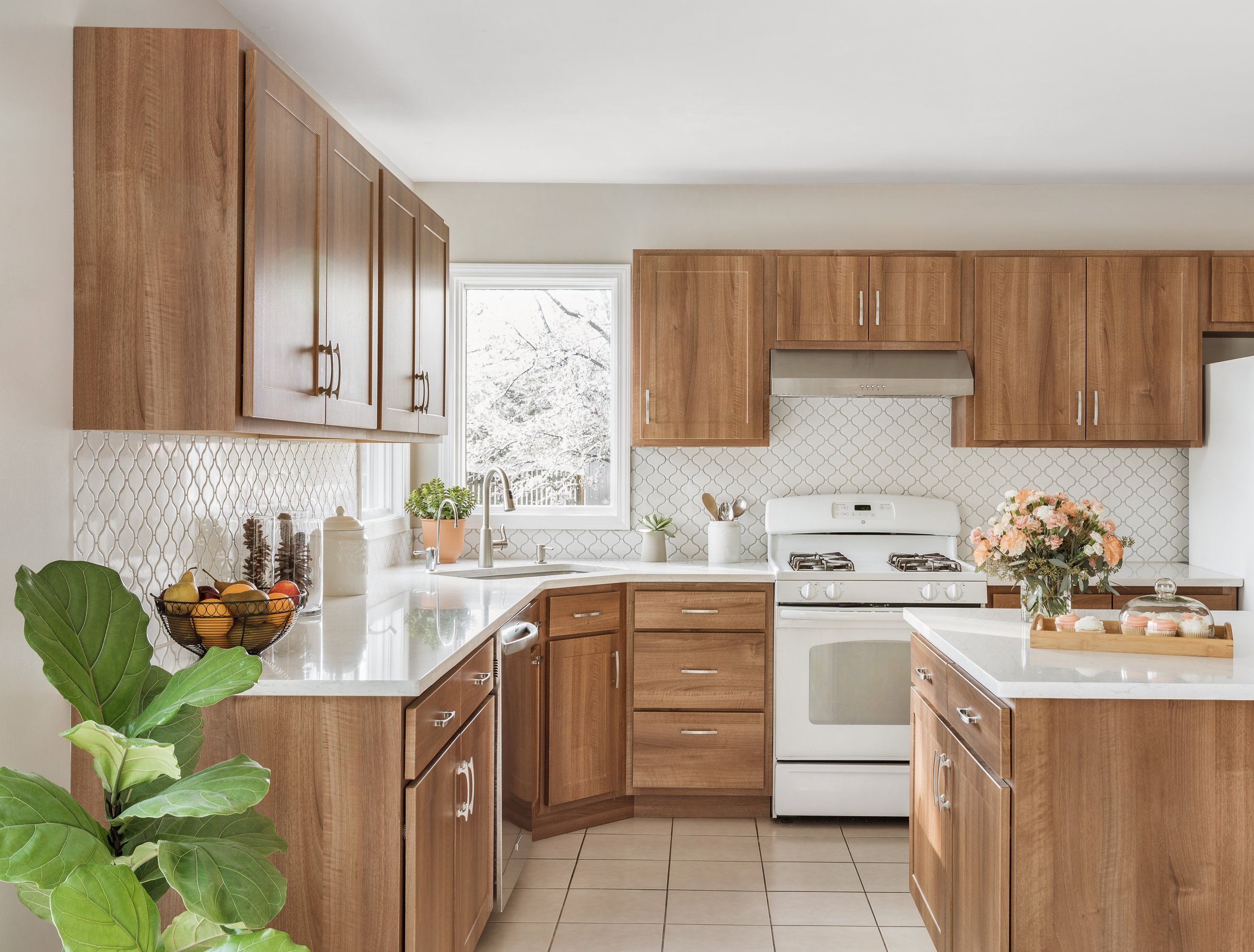
Golden oak and warm honey stains are experiencing a significant resurgence. Rather than the heavy yellow lacquered finishes of the 1990s, modern interpretations feature matte or satin sheens that look organic and unpretentious. These shades bounce natural light around smaller kitchens, making spaces feel inviting and breathable.
Rich Espresso and Dark Walnut Stains
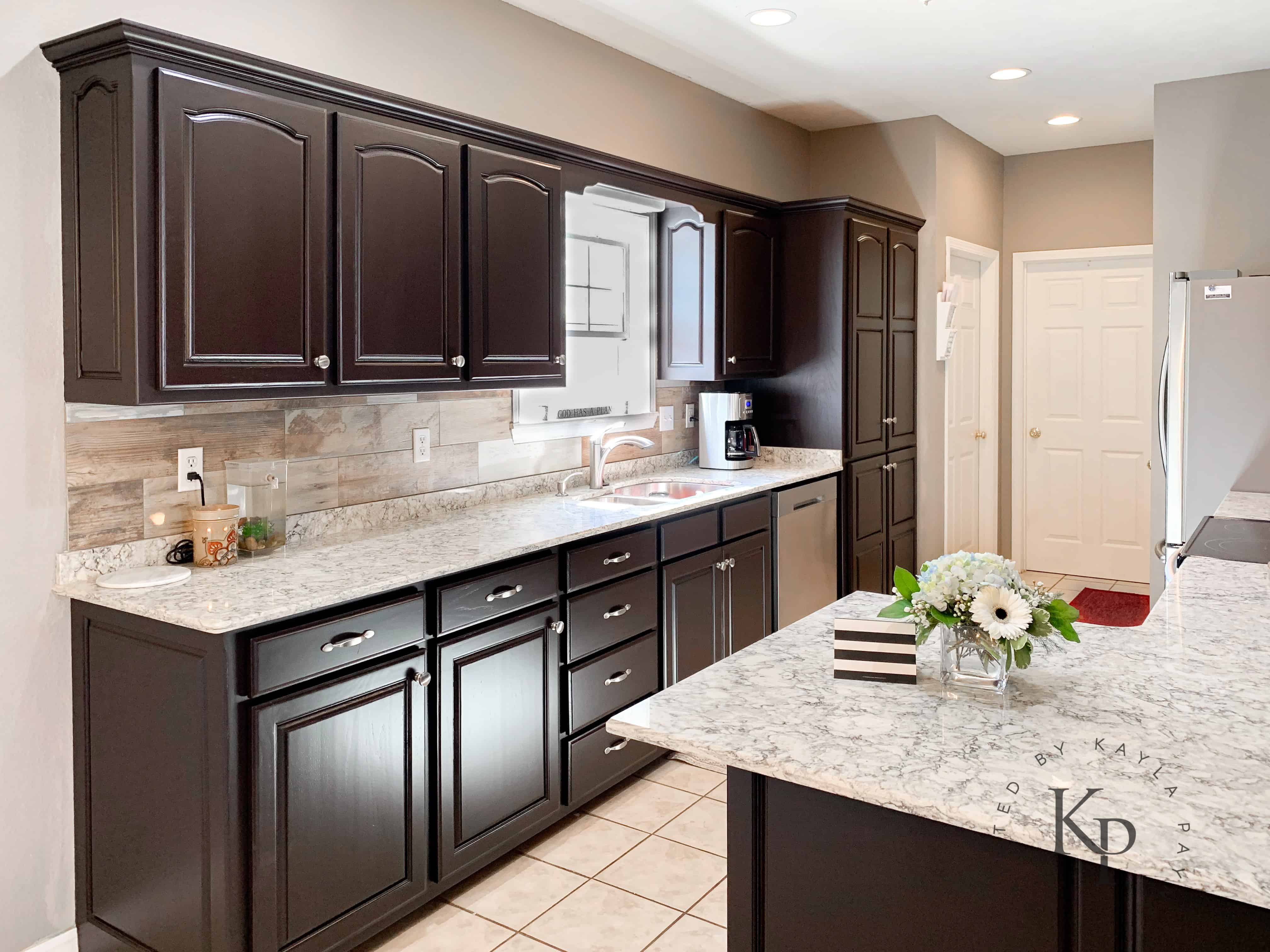
For expansive kitchens with abundant natural light, deep espresso and dark walnut stains offer dramatic contrast and sophistication. These dark hues anchor the room, pairing exceptionally well with lighter quartz countertops and brushed brass or matte black hardware.
Smoked and Cerused Finishes
Cerusing—a technique where a contrasting white or light pigment is rubbed into the open grain of a dark-stained wood—creates a multidimensional, high-end architectural look. Smoked treatments chemically alter the tannin levels within woods like white oak, yielding a weathered, driftwood aesthetic that bridges modern and rustic design styles.
Comparing Popular Wood Stain Types and Finishes
| Stain/Finish Category | Ideal Wood Species | Best Design Aesthetic | Maintenance Level | Durability Factor |
|---|---|---|---|---|
| Clear Natural / Honey | White Oak, Maple | Scandinavian, Transitional | Low | High (Scratches less visible) |
| Medium Walnut | Walnut, Birch, Hickory | Modern Traditional, Craftsman | Moderate | High |
| Dark Espresso | Cherry, Quarter-Sawn Oak | Transitional, Luxury Contemporary | High (Shows dust easily) | Moderate-High |
| Cerused / Pickled | White Oak, Ash | Coastal, Modern Farmhouse | Moderate | Moderate |
Step-by-Step Guide to Staining Kitchen Cabinets
Achieving a professional-grade finish on kitchen cabinets requires meticulous preparation, patience, and adherence to wood-finishing best practices. Skipping steps inevitably leads to blotching, peeling, or uneven color absorption.
1. Disassembly and Surface Preparation
Remove all cabinet doors, drawers, hinges, and hardware, labeling each piece with painter's tape to ensure a seamless reinstallation. Clean all grease and grime off the wood using a trisodium phosphate (TSP) substitute or specialized degreaser. Sand the wood surfaces progressively using 120-grit sandpaper followed by 180-grit or 220-grit sandpaper to open the grain and smooth out imperfections.
2. Conditioning and Staining
Apply a wood conditioner if you are working with porous or blotch-prone woods like maple or pine. Stir your chosen stain thoroughly rather than shaking it to prevent air bubbles. Apply the stain evenly along the direction of the grain using a clean cloth, foam brush, or professional spray system. Allow the pigment to penetrate for 5 to 15 minutes depending on the desired color depth, then wipe away all excess residue with a clean cotton rag.
3. Applying Protective Topcoats
Bare stain offers virtually no defense against kitchen moisture, steam, and cooking oils. Apply a minimum of two to three coats of a durable polyurethane, conversion varnish, or water-based lacquer. Lightly sand with a very fine 320-grit sanding sponge between coats to remove microscopic dust nibs and ensure proper mechanical adhesion.
Pros and Cons of Staining Versus Painting Kitchen Cabinets
Strategic Design Choice: Deciding between staining and painting your kitchen cabinets involves a trade-off between celebrating natural wood aesthetics and achieving a completely uniform, pigmented color palette. Stains highlight the organic beauty of timber, whereas paints offer limitless color matching at the expense of concealing grain texture entirely.
- Pros of Staining:
- Enhances natural wood grain and organic texture.
- Scratches and minor dents blend into the grain more naturally and are easier to touch up.
- Generally offers superior longevity without chipping or cracking along wood joints.
- Cons of Staining:
- Limited to natural wood color spectrums (browns, ambers, grays, charcoals).
- Requires high-quality wood species; staining low-grade or mixed-lumber cabinets yields poor results.
- Wood color variations can cause unpredictable final stain absorption.
- Pros of Painting:
- Endless color customization options to match exact interior palettes.
- Uniform appearance that completely hides wood grain or knots.
- Cons of Painting:
- Prone to chipping, cracking, and showing wear around frequently used handles and drawer edges.
- Highly labor-intensive prep work required to prevent peeling.
Common Staining Mistakes and How to Avoid Them
Even experienced DIYers and contractors encounter pitfalls during cabinet restoration projects. Avoiding these common errors ensures a durable, professional finish.
- Skipping the Wood Conditioner: Failing to condition soft or closed-grain woods results in dark, blotchy splotches where the stain absorbs unevenly. Always test your stain and conditioner combination on an inconspicuous scrap piece of the exact same wood species first.
- Rushing Wipe-Down Times: Leaving surplus stain on the wood surface instead of wiping it away creates a sticky, gummy film that never cures properly and peels off under protective topcoats.
- Using Incompatible Finishes: Mixing oil-based stains with water-based topcoats without allowing complete curing time leads to bubbling and peeling. Ensure your stain is 100% dry or use products within the same chemical family.
Frequently Asked Questions
What are the most popular kitchen cabinet stain colors?
Warm honey, natural white oak, medium walnut, and deep espresso remain the most popular choices because they balance warmth, sophistication, and versatility across various architectural styles. These tones integrate seamlessly with modern neutral palettes.
Can you stain over existing finished kitchen cabinets without stripping?
You cannot apply a new stain directly over a factory-finished or sealed cabinet without completely stripping the old finish down to bare wood. Stains must penetrate raw wood pores to bond; they cannot adhere to glossy polyurethane or paint layers.
Is it better to spray or wipe wood stain onto cabinets?
Wiping stain on with a rag or staining pad gives you precise control over color depth and saturation by allowing you to manually buff away excess pigment. Spraying is generally reserved for clear topcoats or professional production environments.
How do I match new custom cabinet doors to existing stained cabinets?
Matching existing woodwork requires identifying the base wood species, grain orientation, and building a custom blend of pigment stains and toners. Because wood naturally shifts color due to UV light exposure, exact matches often require professional tinting.
Which wood species accepts dark stains most evenly?
Oak and walnut accept dark stains very evenly because their prominent grain structures provide natural pathways for pigment absorption. Conversely, maple and cherry require meticulous sanding and conditioning to prevent patchy dark spots.
Image Gallery