Will Cardinal Dolan Be Part of the Conclave? Understanding Canon Law and Age Restrictions
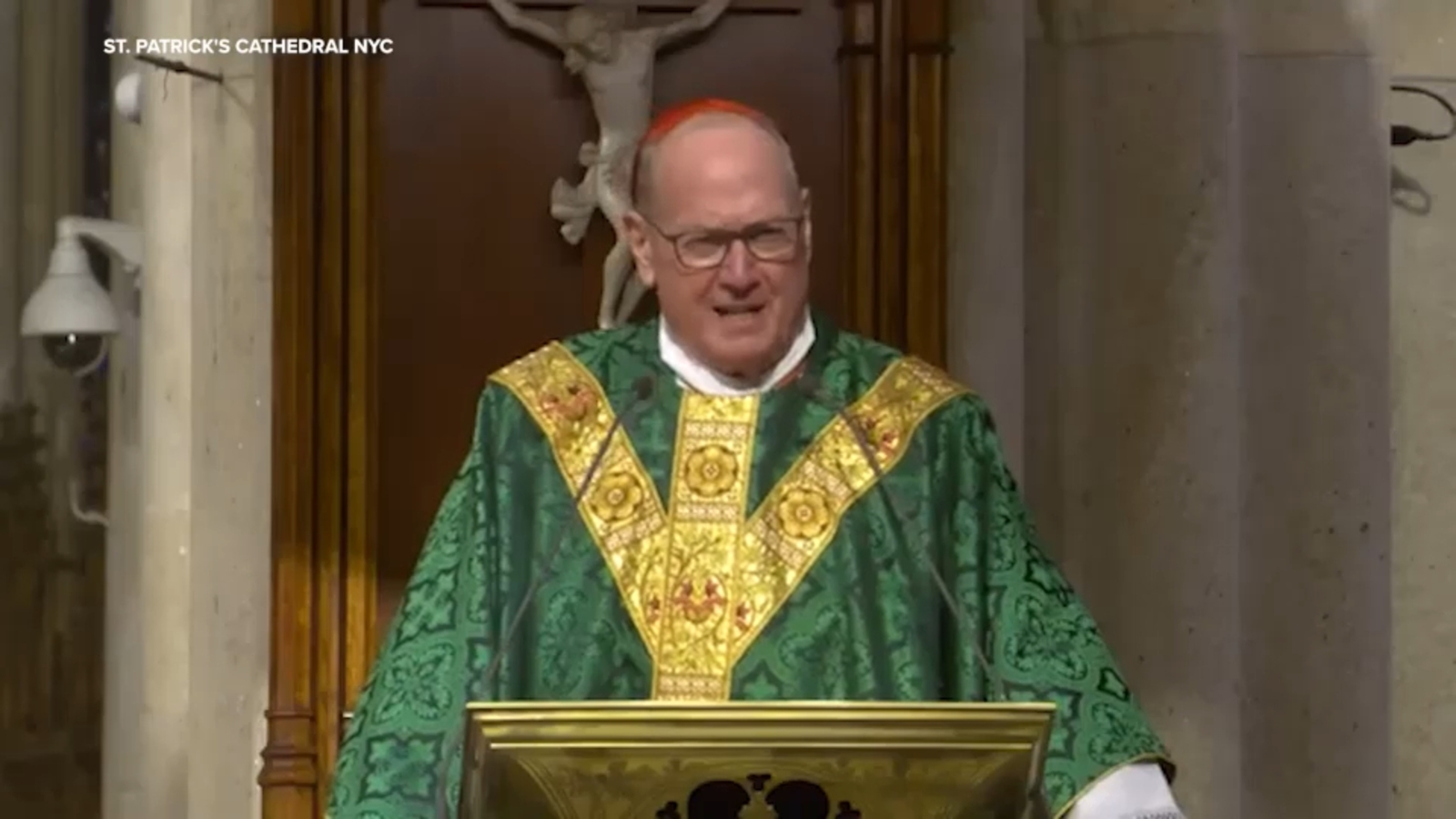
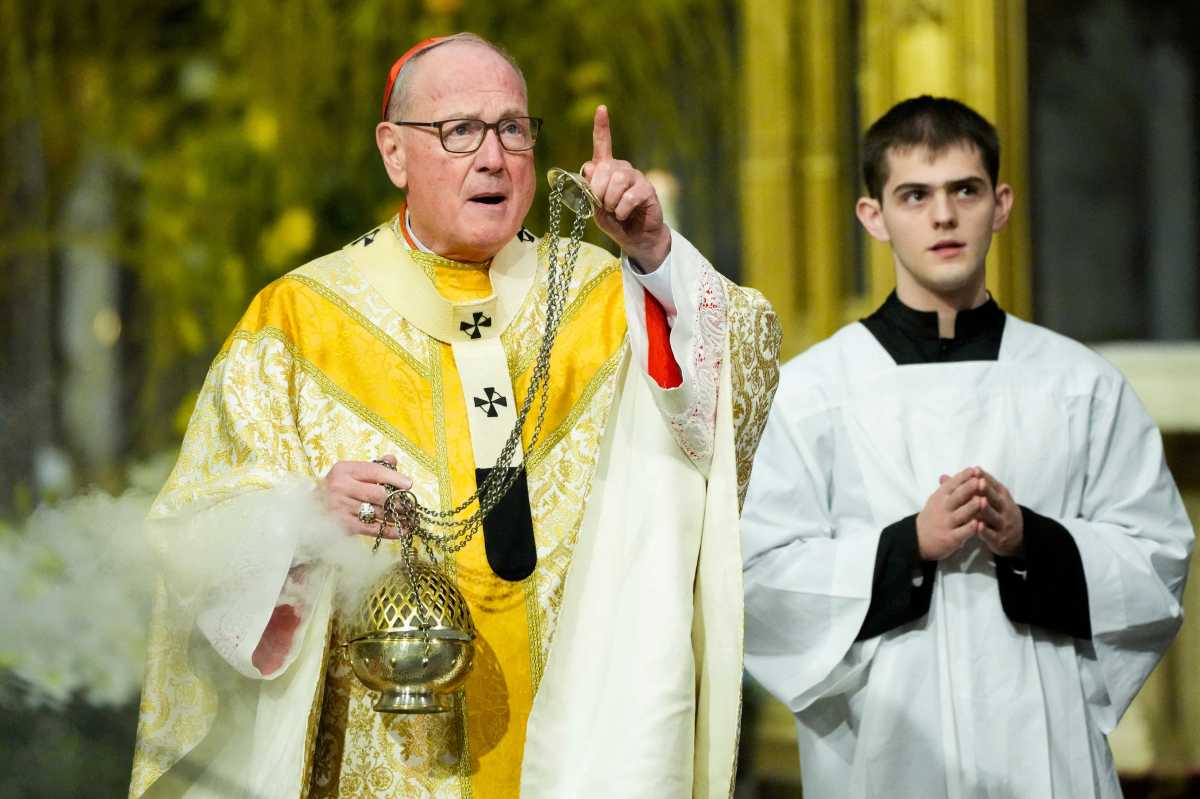
As of 2026, Timothy Michael Cardinal Dolan, the Archbishop of New York, is not eligible to participate in a papal conclave. According to the regulations established by the Catholic Church, cardinal electors must be under the age of 80...
As of 2026, Timothy Michael Cardinal Dolan, the Archbishop of New York, is not eligible to participate in a papal conclave. According to the regulations established by the Catholic Church, cardinal electors must be under the age of 80 on the day the Holy See becomes vacant. Having been born on February 6, 1950, Cardinal Dolan crossed this age threshold in early 2030, but he remains subject to the current age-based exclusionary rules governing the College of Cardinals.
Contents
The Canonical Framework of the Conclave
The process for electing a new pope is governed by the apostolic constitution Universi Dominici Gregis, promulgated by Pope John Paul II in 1996, and later amended by Pope Benedict XVI. These documents outline the rigid procedures that define who may participate in the process of selecting a successor to Saint Peter.
The most critical factor determining participation is the distinction between cardinal electors and non-electors. While the College of Cardinals functions as an advisory body to the Roman Pontiff, its role in a conclave is restricted to those who have not yet reached their 80th birthday. This regulation serves a dual purpose: it ensures that the body of electors remains relatively agile and maintains a connection to the contemporary pastoral landscape while honoring the service of those who have reached advanced age.
Age Eligibility and the 80-Year Threshold
The requirement that a cardinal must be under 80 years old is an absolute, non-negotiable ecclesiastical law. The specific language of the law dictates that a cardinal’s eligibility is measured from the moment the vacancy of the Apostolic See begins. This means that even if a cardinal turns 80 the day after a pope passes away or resigns, they would be barred from entering the Sistine Chapel for the duration of the conclave.
For Cardinal Timothy Dolan, the application of this rule is straightforward. Born in 1950, he reached the canonical age of retirement for bishops at 75 in 2025. However, while bishops are required to submit their resignation to the Pope at age 75, this does not automatically strip them of their status as a member of the College of Cardinals. A cardinal retains their voting rights until the very day they turn 80. Consequently, as of 2026, Cardinal Dolan remains a member of the College, but he is fully aware of the chronological constraints placed upon his potential participation in a future conclave.
Distinguishing Between Cardinal Electors and Non-Electors
To understand why an individual cardinal might or might not be present at a conclave, it is helpful to categorize the College of Cardinals into two distinct groups. This distinction is often misunderstood by the public, who may assume that every cardinal is automatically an elector.
| Category | Eligibility | Rights and Responsibilities |
|---|---|---|
| Cardinal Elector | Under 80 years of age | Holds full voting rights; may enter the conclave. |
| Cardinal Non-Elector | 80 years of age or older | Retains honorary titles; excluded from conclave voting. |
| Emeritus Bishop | Retired from diocesan duties | Retains cardinalate rank; subject to the same age laws. |
The transition from elector to non-elector status is a mechanical process. There is no appeal, nor is there any discretion granted to the Dean of the College of Cardinals or the Camerlengo to offer exceptions to this rule. It is a matter of strict adherence to Canon Law.
The Role of Cardinals Beyond the Conclave
Being ineligible for the conclave does not mean that a cardinal ceases to be a cardinal. A "Cardinal Non-Elector" still holds the rank, the title, and the privilege of wearing the scarlet robes associated with the office. They remain part of the broader administrative and advisory structure of the Church, although their influence on the direct selection of a pope is removed to prioritize a younger cohort of voting prelates.
Cardinal Dolan’s current role as the Archbishop of New York keeps him deeply involved in the governance of one of the most prominent archdioceses in the United States. His duties involve the oversight of hundreds of parishes, the management of extensive charitable works, and the promotion of the Church’s mission in a complex urban environment. The focus of his ministry remains firmly on his local congregation, regardless of his future eligibility to vote in a papal election.
Misconceptions Regarding Conclave Eligibility
Public discourse often confuses the rank of "Cardinal" with the function of "Elector." Because the media often reports on the "College of Cardinals" as a single voting bloc, many observers assume that all cardinals have a say in the election. However, the limitation to under-80 electors is a relatively modern refinement designed to balance the experience of the senior clergy with the need for a leadership body that is well-integrated into the modern world.
Another common misconception is that a conclave could somehow vote to invite non-electors to participate. The procedures are so tightly defined by papal law that any deviation from the established age requirements would technically invalidate the proceedings. The adherence to these statutes is a hallmark of the Church’s desire to maintain continuity and legal integrity during a period of transition.
How Age Limits Impact the College of Cardinals
The 80-year limit significantly impacts the demographic composition of the conclave. Since the rule was solidified, the average age of electors has generally trended younger than it might otherwise be. This ensures that the men choosing the next Pope are likely to have served in pastoral roles within the last two decades, giving them a pulse on the cultural, technological, and social challenges facing the global Church.
For cardinals like Timothy Dolan, the later years of their service are defined by a transition toward a "senior statesmanship" role. While they move out of the voting pool, they continue to provide mentorship and theological insight to their younger peers. The transition is not viewed as a diminishment of their service, but as a formal shift in their responsibilities within the hierarchy of the Holy See.
Frequently Asked Questions
Does a cardinal lose their title when they turn 80? No. A cardinal remains a cardinal for life. Upon reaching the age of 80, the cardinal loses only the right to vote in a conclave and the right to serve in certain departments of the Roman Curia.
Can a Pope change the age rule for a conclave? Yes. A sitting Pope has the absolute authority to modify the laws governing the Church, including the regulations for papal elections. However, no such change has been implemented, and the 80-year limit remains the standard.
What happens if a cardinal is sick or incapacitated? If a cardinal is unable to attend the conclave due to poor health, they are simply marked as absent. The voting process continues with those who are present in the Sistine Chapel.
Are there any other requirements to vote in a conclave? Beyond the age requirement, an elector must be a bishop in good standing with the Church. If a cardinal were to be laicized or removed from the clerical state for canonical violations, they would lose their electoral rights regardless of age.
Does Cardinal Dolan's location affect his eligibility? No. Geography does not play a role in conclave eligibility. Cardinals from any part of the world are treated equally under the same statutes of Canon Law.
Next Steps for Followers of Ecclesiastical Procedures
For those interested in following the governance of the Catholic Church, it is recommended to monitor the official communications of the Holy See Press Office. This office provides the definitive word on changes to canon law, the status of the College of Cardinals, and the protocols for the eventual election of a future pope. Understanding these mechanisms offers a clearer view of how the Church maintains its long-standing traditions while adapting its internal processes to meet the demands of contemporary administration.
Image Gallery