Why Goliath is Closed at Six Flags Magic Mountain: Maintenance and Status Updates
As of 2026, Goliath at Six Flags Magic Mountain typically closes for scheduled annual refurbishments, routine mechanical inspections, or unexpected technical issues involving its aging lift hill and braking systems. While most closures...
As of 2026, Goliath at Six Flags Magic Mountain typically closes for scheduled annual refurbishments, routine mechanical inspections, or unexpected technical issues involving its aging lift hill and braking systems. While most closures are temporary, the ride’s 26-year operational history requires intensive upkeep to meet modern safety standards and ensure passenger comfort during high-G maneuvers.
Contents
The Engineering Lifecycle of a Hypercoaster
Goliath is a hypercoaster designed by the now-defunct Swiss manufacturer Giovanola. When it opened in February 2000, it was a marvel of engineering, featuring a 255-foot drop and reaching speeds of 85 mph. However, by 2026, the ride has entered a "mature" phase of its lifecycle. Unlike modern coasters designed with more sophisticated computer modeling, Goliath relies on massive steel structures and heavy-duty mechanical components that experience significant stress due to the extreme forces exerted during the ride’s final helix.
The closure of such a massive attraction is rarely the result of a single factor. Instead, it is often a combination of preventative maintenance and the logistical challenge of sourcing parts for a ride whose original manufacturer is no longer in business. Six Flags maintenance teams must often custom-fabricate components or work with third-party engineering firms like Premier Rides or Bolliger & Mabillard (B&M) to ensure the ride remains operational. This complexity means that even a minor sensor failure can lead to an extended closure while the specialized parts are vetted for safety.
Common Reasons for Goliath’s Operational Downtime
Understanding why Goliath is closed requires looking at the daily, weekly, and annual requirements of a hypercoaster. At Six Flags Magic Mountain, safety is the primary driver of all downtime. The park operates year-round, which places a higher strain on the machinery compared to seasonal parks that have a multi-month "off-season" to perform deep maintenance.
Mechanical Wear and Tear on the Lift Hill
The lift hill is the heart of Goliath’s operation. It uses a massive chain system to pull the 28-passenger trains to the 235-foot peak. Over time, these chains stretch and the individual links experience metal fatigue. In 2026, the maintenance protocols require frequent ultrasonic testing of the chain links to detect microscopic cracks before they become a hazard. If a defect is found, the ride must remain closed until the specific section of the chain is replaced and tensioned correctly.
Sensor Synchronization and Block Zones
Goliath utilizes a "block zone" safety system, which prevents two trains from ever being in the same section of track at the same time. This system relies on dozens of magnetic and proximity sensors located along the 4,500 feet of track. Environmental factors, such as the extreme heat in the Santa Clarita Valley or heavy rain, can cause these sensors to "de-sync." When the computer system (the PLC or Programmable Logic Controller) receives a signal that it cannot verify, it defaults to a "fail-safe" state, immediately stopping the ride. Re-certifying these sensors often requires manual inspections by technicians climbing the track, leading to temporary closures.
The "Helix of Doom" and Structural Integrity
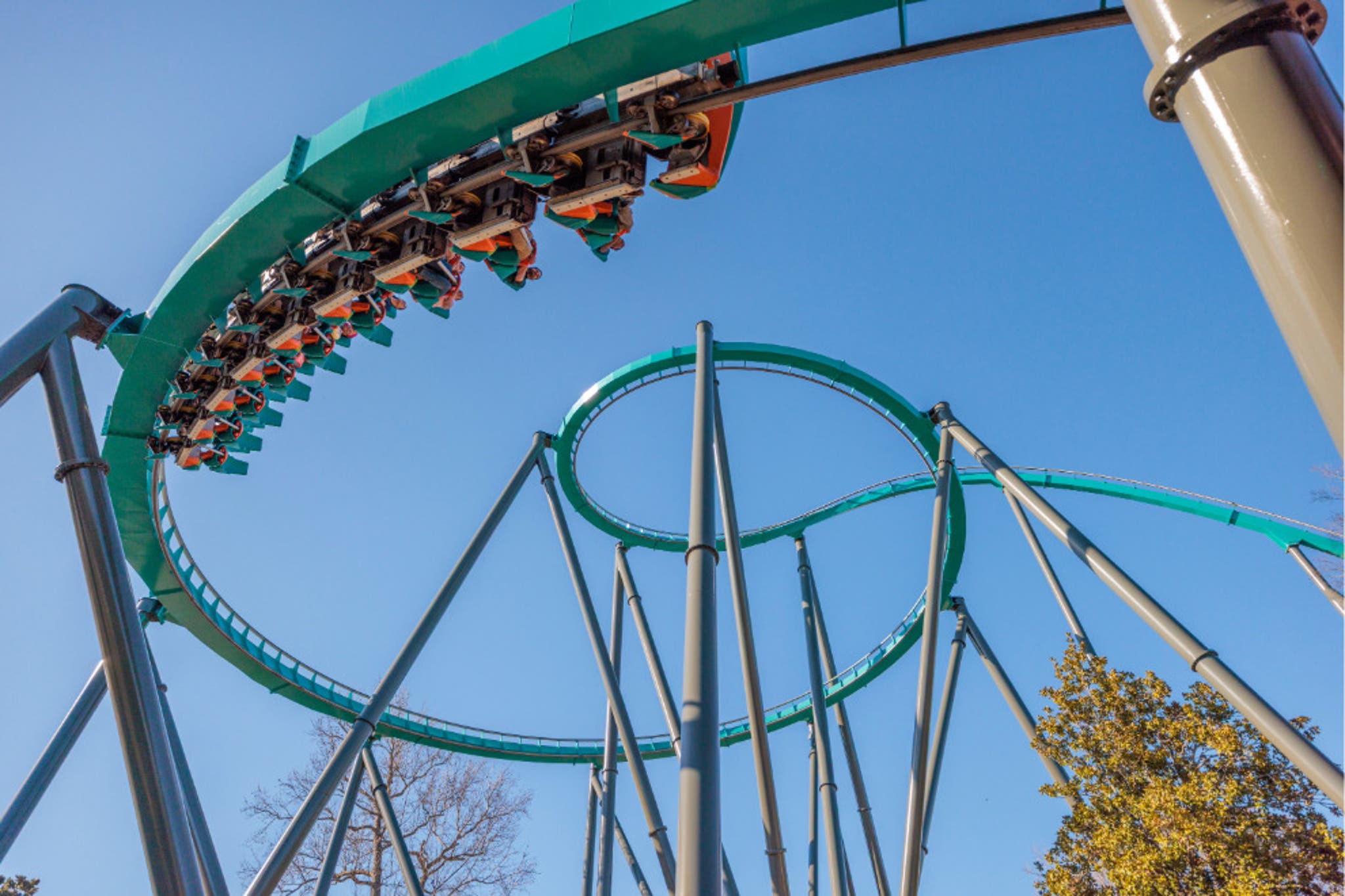
Goliath is famous for its intense final helix, where riders experience sustained G-forces of up to 4.5G. These forces do not just affect the riders; they put immense pressure on the steel supports and the track spine. Maintenance crews use specialized equipment to check the torque on thousands of bolts and inspect the grout pads where the steel supports meet the concrete foundations. If any structural shifting is detected, the ride is closed for "re-shimming" or reinforcement.
Impact of the Six Flags and Cedar Fair Merger on Operations
Following the 2024 merger between Six Flags and Cedar Fair, the operational philosophy at Six Flags Magic Mountain underwent a significant shift. The unified company, often referred to as Six Flags Entertainment Corporation, implemented standardized maintenance schedules across all its legacy parks.
For a ride like Goliath, this means that maintenance is now more "predictive" than "reactive." In 2026, you may find Goliath closed even if it appears to be in working order. This is likely part of a "Scheduled Maintenance Block," where the park takes the ride offline for two to four weeks to perform a total overhaul of the train bogies (the wheel assemblies). By standardizing these windows, the park aims to reduce the number of "unexpected" breakdowns during peak summer and holiday periods.
| Closure Type | Duration | Primary Reason | Visibility to Guest |
|---|---|---|---|
| Routine Daily Check | 30–60 Minutes | Morning safety testing and sensor calibration. | Delayed park opening. |
| Weather Delay | Variable | High winds (35+ mph) or lightning within 10 miles. | Listed as "Closed" on app. |
| Annual Refurbishment | 2–6 Weeks | Deep cleaning, repainting, and structural NDT testing. | Scheduled months in advance. |
| Technical Breakdown | 1–5 Days | Component failure (motor, sensor, or chain). | Sudden closure; "Temporarily Closed." |
| Part Sourcing | 1–3 Months | Fabrication of obsolete Giovanola parts. | Extended downtime; "Closed for Season." |
Environmental and Staffing Factors in Valencia
Six Flags Magic Mountain is located in a unique geographic area that directly impacts ride availability. The park is subject to the "Santa Ana" winds and extreme temperature fluctuations, both of which can lead to Goliath being closed.
- Wind Velocity: Goliath’s height makes it susceptible to high winds. If the wind speed at the top of the lift hill exceeds safety thresholds, the ride's computer will prevent the lift motor from engaging. This is because high winds can affect the "heartline" speed of the train, potentially causing it to "valley" (stop in a low point of the track) if it doesn't have enough momentum.
- Heat Expansion: In the peak of summer, temperatures in Valencia can exceed 100°F. Steel expands in heat. The tolerances for the wheels on the track are incredibly tight; if the track expands too much, it can create excessive friction, leading to a rough ride or even a "slow" cycle that triggers safety sensors.
- Specialized Labor: Maintaining a Giovanola hypercoaster requires senior mechanics with decades of experience. If the park is short-staffed on "Tier 1" mechanics—those certified to work on high-altitude steel structures—they may prioritize keeping newer, more popular rides like Wonder Woman Flight of Courage or Tatsu open while Goliath remains shuttered.
How to Verify Goliath’s Status Before You Go
There is nothing more frustrating than arriving at the park only to find your favorite coaster is "down for the day." To avoid this, utilize the digital tools provided by the park in 2026.
- The Six Flags Mobile App: This is the most accurate source of real-time information. The app uses GPS and internal maintenance logs to update ride status every five minutes. If Goliath is listed as "Temporarily Closed," it usually means a technical glitch. If it is omitted or listed as "Closed," it is likely down for a scheduled refurbishment.
- Official Social Media and Website: For long-term closures (refurbishments lasting more than a week), the park typically lists these on the "Attractions" page of their official website under a "Scheduled Maintenance" tab.
- Third-Party Communities: Sites like Reddit’s r/sixflags or specialized coaster enthusiast forums often have "boots on the ground" reports. If Goliath has a major mechanical failure, enthusiasts often spot the cranes or maintenance crews and report it hours before the park makes an official announcement.
Troubleshooting and Alternative Options
If you find that Goliath is closed during your visit, it is helpful to understand the "ride swap" or "rain check" policies. Generally, Six Flags does not offer refunds for single-ride closures. However, if you have a The Flash Pass, you can usually reallocate your reservation to another high-thrill attraction such as Full Throttle or X2.
For those who were specifically looking for a "hypercoaster" experience (rides over 200 feet), Goliath is the only traditional hyper at Magic Mountain. However, X2 offers a similar height profile with a 215-foot drop, and Full Throttle provides the high-speed thrills, albeit in a different format. If Goliath is closed for the duration of 2026, it is often a sign that the park is investing in a major "re-tracking" project or a complete overhaul of the ride's control systems to extend its life for another decade.
Frequently Asked Questions
Is Goliath being torn down or retired?
No, as of 2026, there are no official plans to retire Goliath. While it is an older ride, its popularity and iconic status as part of the Magic Mountain skyline make it a high priority for the park. Extended closures are typically for life-extension projects rather than a precursor to demolition.
Why does it take so long to fix Goliath compared to other rides?
Goliath was built by Giovanola, a company that is no longer in business. Many of the mechanical parts are proprietary. Unlike a B&M or Intamin coaster where parts can be ordered from a catalog, many of Goliath’s components must be custom-machined, which adds weeks or even months to repair timelines.
Does Goliath close when it rains?
Yes. Like most high-speed steel coasters, Goliath will close during rain. This is due to two factors: rider comfort (hitting raindrops at 85 mph feels like being hit by needles) and the physics of the braking system. Goliath uses a combination of friction brakes and magnetic brakes; water on the track can change the friction coefficients, potentially leading to an "overshoot" in the station.
When is the best time of year to ensure Goliath is open?
Generally, the summer months (June through August) and the "Fright Fest" season (October) have the highest "uptime" because the park prioritizes maintenance in the spring and winter. To ensure the best chance of riding, avoid visiting during the late-January to early-March window, which is the traditional time for annual refurbishments.
What should I do if I have a Flash Pass and the ride closes?
If you have a digital Flash Pass, the system will usually allow you to cancel your Goliath reservation and pick another ride instantly. If you have already scanned into the line and the ride breaks down, speak to the attendant at the Flash Pass entrance; they can often issue a "Priority Pass" that allows you to skip the line on a different attraction.
Practical Recommendation for Visitors
Before heading to Valencia, check the "Six Flags" app at 9:30 AM PT (30 minutes before the park opens). This is when the morning test runs are completed. If the ride is "green" on the app then, it is likely to stay open for the day. If you see it "grayed out" consistently for several days leading up to your trip, plan your visit around the park's other 19+ roller coasters, as Goliath may be undergoing a multi-week maintenance cycle.
Image Gallery