Understanding the Location and Administrative Role of Georgetown, Massachusetts, in Essex County
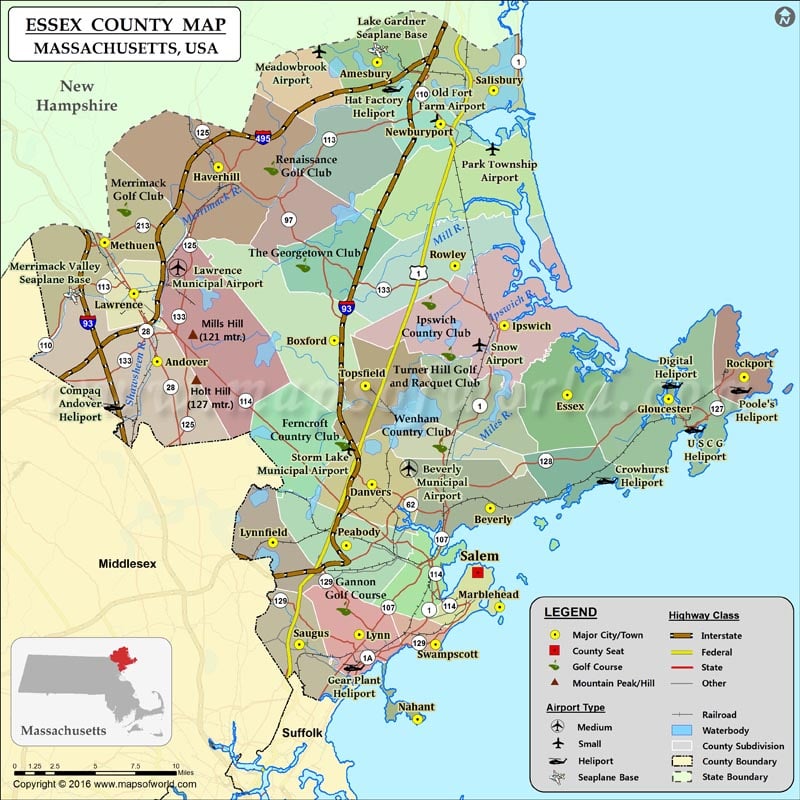
Georgetown, Massachusetts, is a suburban town located in the northern portion of Essex County. Situated approximately 28 miles north of Boston, it serves as a residential community known for its historical character and preservation of...
Georgetown, Massachusetts, is a suburban town located in the northern portion of Essex County. Situated approximately 28 miles north of Boston, it serves as a residential community known for its historical character and preservation of open space. Administratively, it relies on Essex County for judicial, registry, and law enforcement services.
Contents
The Geographical Positioning of Georgetown within Essex County
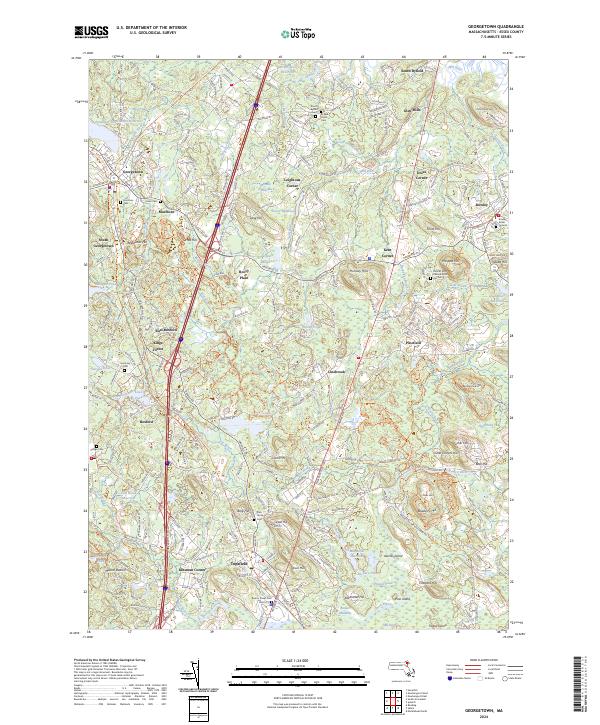
Georgetown is centrally located within the "North Shore" region of Massachusetts, though it is landlocked, unlike its coastal neighbors. It occupies a total area of approximately 13.2 square miles. The town is bordered by Groveland to the northwest, Newbury to the northeast, Rowley to the southeast, and Boxford to the southwest. Its location makes it a strategic hub for residents who work in the Merrimack Valley or commute toward the Greater Boston metropolitan area.
In the context of Essex County, Georgetown represents the transition from the more densely populated coastal cities like Lynn and Salem to the more rural, equestrian-friendly landscapes of the interior. The town’s topography is defined by rolling hills, wetlands, and several significant bodies of water, including Pentucket Pond and Rock Pond. These natural features have historically dictated the town's development patterns, keeping the town center concentrated while residential zones spread into the surrounding woodlands.
Access to Georgetown is primarily facilitated by Interstate 95, which runs through the eastern portion of the town, and State Route 133, which bisects the town from east to west. This infrastructure connects Georgetown directly to the county’s major economic centers and provides a direct pipeline for commerce and transit within the Essex County framework.
The Administrative Structure of Essex County
To understand Georgetown’s place in Essex County, one must understand the unique nature of county government in Massachusetts. Unlike many Western or Southern states where counties wield significant legislative power, Massachusetts abolished most county governments in the late 1990s. Essex County government was officially abolished on July 1, 1999.
However, "Essex County" remains a vital geographic and administrative designation for several state-level functions that impact Georgetown residents:
- The Registry of Deeds: Real estate transactions in Georgetown are recorded at the Essex Southern District Registry of Deeds located in Salem. This office manages all land records, deeds, and mortgages for the southern portion of the county.
- The Judicial System: Georgetown falls under the jurisdiction of the Massachusetts Trial Court system within Essex County. Specifically, criminal and civil matters are often handled at the Haverhill District Court or the Essex County Superior Court in Salem or Lawrence.
- Law Enforcement: While Georgetown maintains its own municipal police department for local issues, the Essex County Sheriff’s Department oversees the county’s correctional facilities and provides regional support for specialized law enforcement tasks.
- District Attorney: The Essex County District Attorney’s Office is responsible for prosecuting crimes committed within the town’s borders, representing the Commonwealth in the regional court system.
Historical Evolution: From Rowley Hunter’s Village to Georgetown
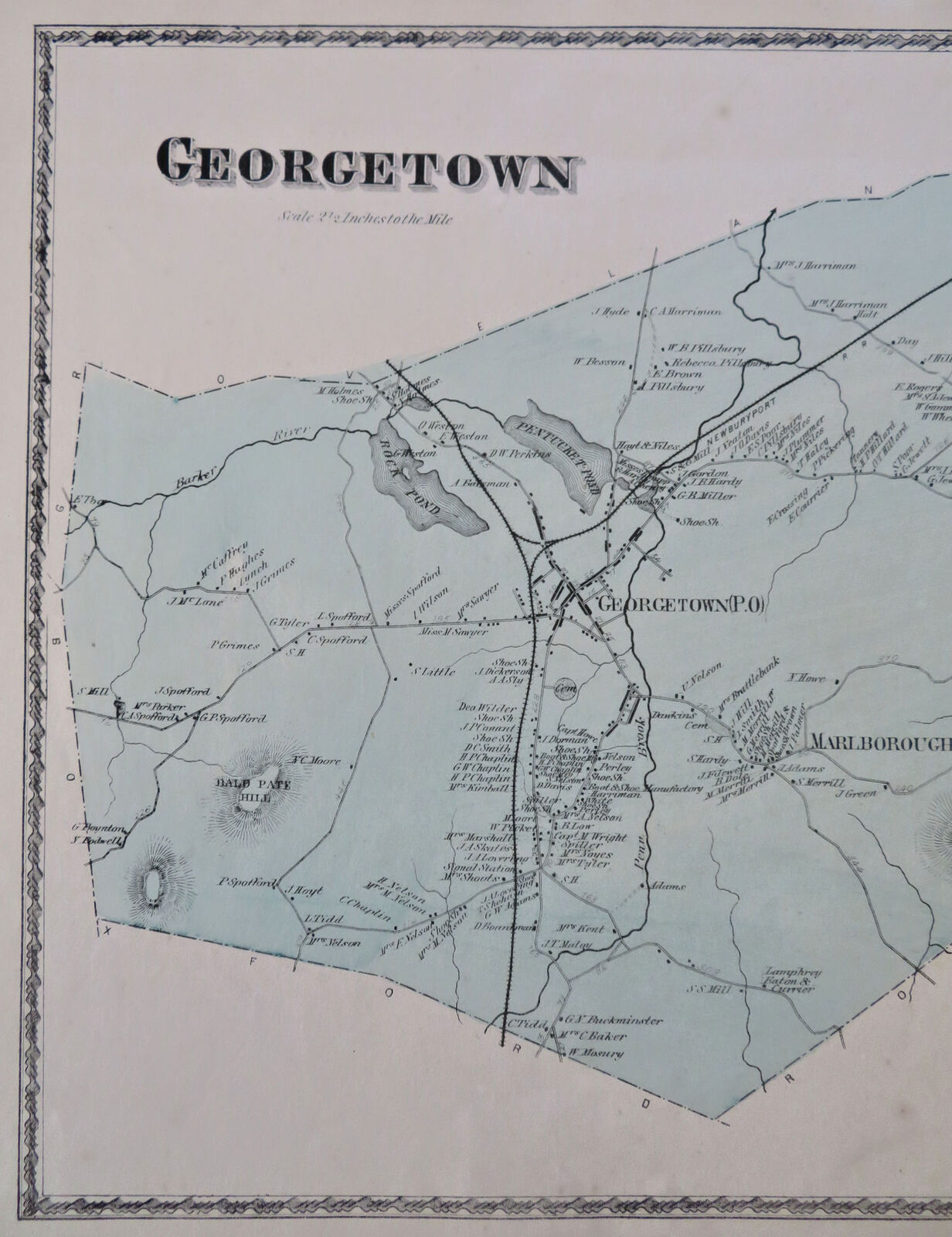
Georgetown was not always an independent entity within Essex County. It was originally settled as part of Rowley in 1639. The area was known as "New Rowley" or "Rowley Hunter's Village" due to its abundant game and timber. As the population grew and the distance from the Rowley town center became an administrative burden, the residents petitioned for separation.
The town was officially incorporated in 1838 and named after George Peabody, the noted philanthropist who was born in nearby South Danvers (now Peabody). Throughout the 19th century, Georgetown established itself as a manufacturing center, particularly in the shoe and leather industries. This industrial period left a lasting mark on the town’s architecture, with many Victorian-style homes and former factory buildings still standing in the town center.
By the mid-20th century, like many towns in Essex County, Georgetown transitioned from an industrial economy to a "bedroom community." The construction of the interstate highway system allowed for rapid residential growth, attracting families looking for more space while remaining within reach of Boston’s job market.
Real Estate and Demographic Trends in 2026
As of 2026, Georgetown remains a highly sought-after location within Essex County for homebuyers prioritizing school quality and a sense of community. The real estate market in Georgetown is characterized by a mix of historic colonial homes, mid-century capes, and newer high-end developments.
Property values in Georgetown often mirror the broader trends of Essex County but tend to offer slightly more land for the dollar compared to coastal towns like Marblehead or Manchester-by-the-Sea. The town’s commitment to "Community Preservation" (through the Community Preservation Act) has allowed it to acquire and protect hundreds of acres of open space, which reinforces property values by preventing over-development.
Comparative Overview: Georgetown vs. Neighboring Essex County Towns
| Feature | Georgetown | Boxford | Rowley | Groveland |
|---|---|---|---|---|
| Primary Landscape | Suburban/Wooded | Rural/Residential | Coastal/Agricultural | Suburban/Riverfront |
| School District | Georgetown Public | Masconomet Regional | Triton Regional | Pentucket Regional |
| Commuter Rail Access | Nearby (Rowley) | None | Active Station | Nearby (Haverhill) |
| Major Water Body | Pentucket Pond | Stiles Pond | Plum Island Sound | Merrimack River |
| Commercial Hub | Route 133 Center | Minimal | Route 1 Corridor | Small Village Centers |
Education and Community Services
The Georgetown Public School district is a central pillar of the community. Unlike some neighboring towns that belong to large regionalized districts (like the Masconomet or Triton districts), Georgetown maintains its own independent K-12 system. This includes Penn Brook School (elementary), and the Georgetown Middle/High School.
The town’s independence in education is a point of pride for residents, as it allows for direct local control over budgets and curricula. For higher education and vocational training, residents have access to North Shore Community College and Northern Essex Community College, both of which serve the Essex County region.
Community life often revolves around the Georgetown Peabody Library and the various conservation lands managed by the town. The Georgetown Conservation Commission oversees several thousand acres of trails, including the Crane Pond Wildlife Management Area, which provides vital habitat for local species and recreational opportunities for residents across the county.
Economic Infrastructure and Utilities
Georgetown’s economy is primarily driven by small businesses, professional services, and a limited industrial presence near the I-95 corridor. While most residents commute out of town for work, the local business district provides essential services, including grocery stores, dining, and specialized retail.
Utilities in Georgetown are a mix of municipal and private providers. The Georgetown Municipal Light Department (GMLD) is a locally owned and operated electric utility. Municipal electric departments in Massachusetts often provide more reliable service and lower rates compared to the large investor-owned utilities that serve much of the rest of Essex County. This local control over energy infrastructure is a significant benefit for both residential and commercial taxpayers in the town.
Water and sewer services are managed by the Georgetown Water Department, which draws from local groundwater wells. Due to the town's geography, many homes in the more rural outskirts still utilize private septic systems and wells, a common feature in the less dense parts of Essex County.
Frequently Asked Questions
Is Georgetown, MA, considered part of the North Shore?
Yes, Georgetown is generally considered part of the North Shore region of Massachusetts. While it does not have a coastline, its proximity to the Atlantic Ocean (approximately 10 miles) and its cultural and economic ties to Essex County’s coastal cities place it firmly within the North Shore sub-region.
How far is Georgetown from the Essex County seat?
Historically, Salem and Lawrence served as the dual county seats for Essex County. Georgetown is approximately 18 miles north of Salem and 12 miles east of Lawrence. Since the abolition of county government, these cities remain the primary hubs for regional state services, such as the Superior Courts and Registries of Deeds.
What is the closest major city to Georgetown, MA?
Haverhill is the closest city to Georgetown, located just to the northwest. For larger metropolitan services, residents typically look to Boston (28 miles south) or Manchester, New Hampshire (35 miles northwest).
Does Georgetown have a public transit connection to Boston?
Georgetown does not have its own MBTA Commuter Rail station. However, residents frequently use the Rowley station on the Newburyport/Rockport Line or the Haverhill station on the Haverhill Line. Both are roughly a 10-to-15-minute drive from the center of Georgetown.
What are the main recreational areas in Georgetown?
The most prominent recreational area is Pentucket Pond, which is used for boating and fishing. Additionally, the Black Swan Country Club offers golf, and the Georgetown-Rowley State Forest provides extensive trails for hiking, mountain biking, and cross-country skiing.
Summary and Next Actions
Georgetown, Massachusetts, remains a quintessential Essex County town that balances its historical roots with modern suburban needs. Its location offers a unique blend of accessibility to major highways and a commitment to preserving the natural landscape. For those looking to interact with the town at an administrative level, it is essential to remember that while the town handles local zoning, education, and policing, larger legal and property matters are processed through the Essex County regional systems in Salem or Haverhill.
If you are considering moving to the area or need to conduct business within the town, your next steps should include:
- Verifying property records at the Essex Southern District Registry of Deeds.
- Reviewing the town's specific zoning bylaws via the official Town of Georgetown website.
- Exploring the local school district’s performance metrics through the Massachusetts Department of Elementary and Secondary Education.
Image Gallery