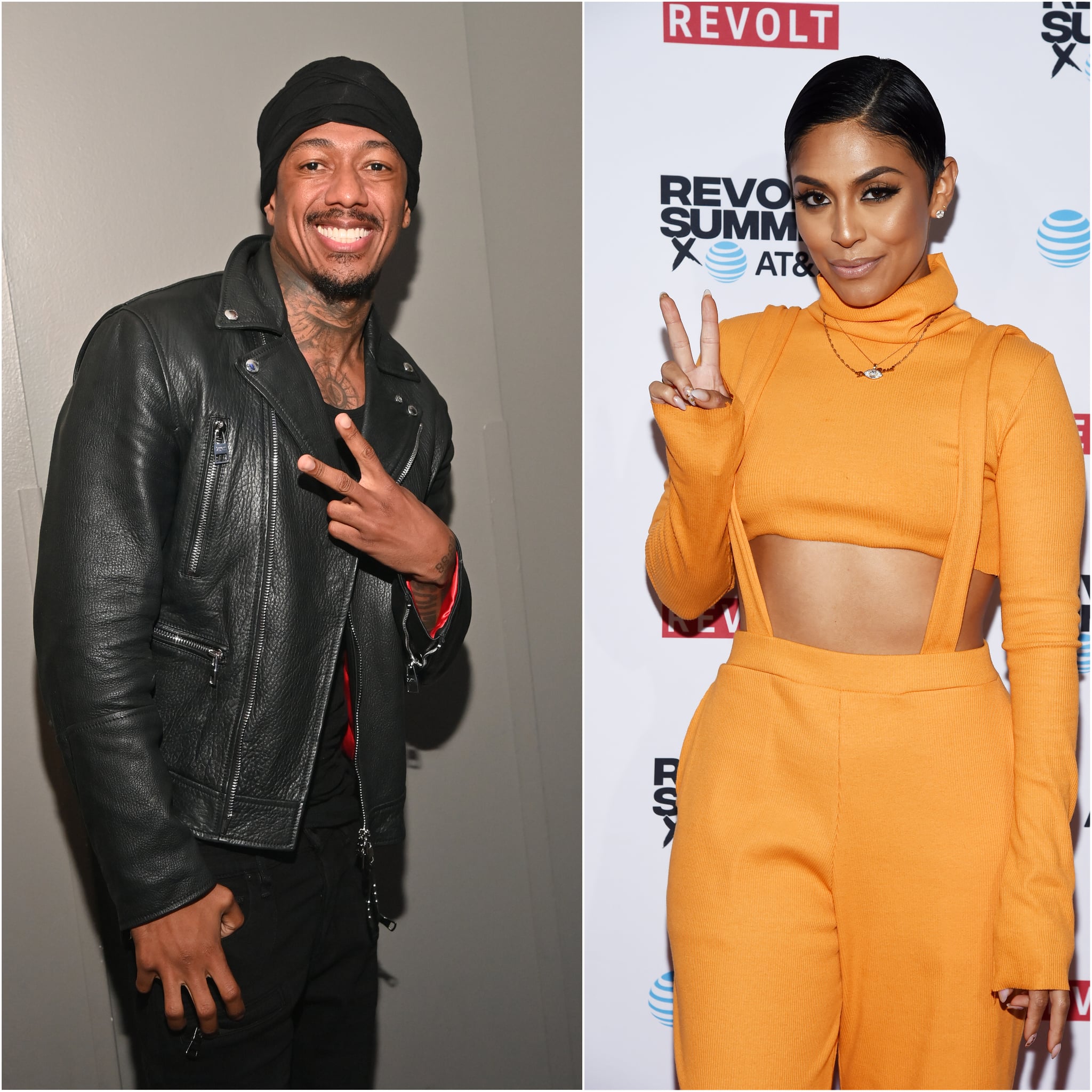
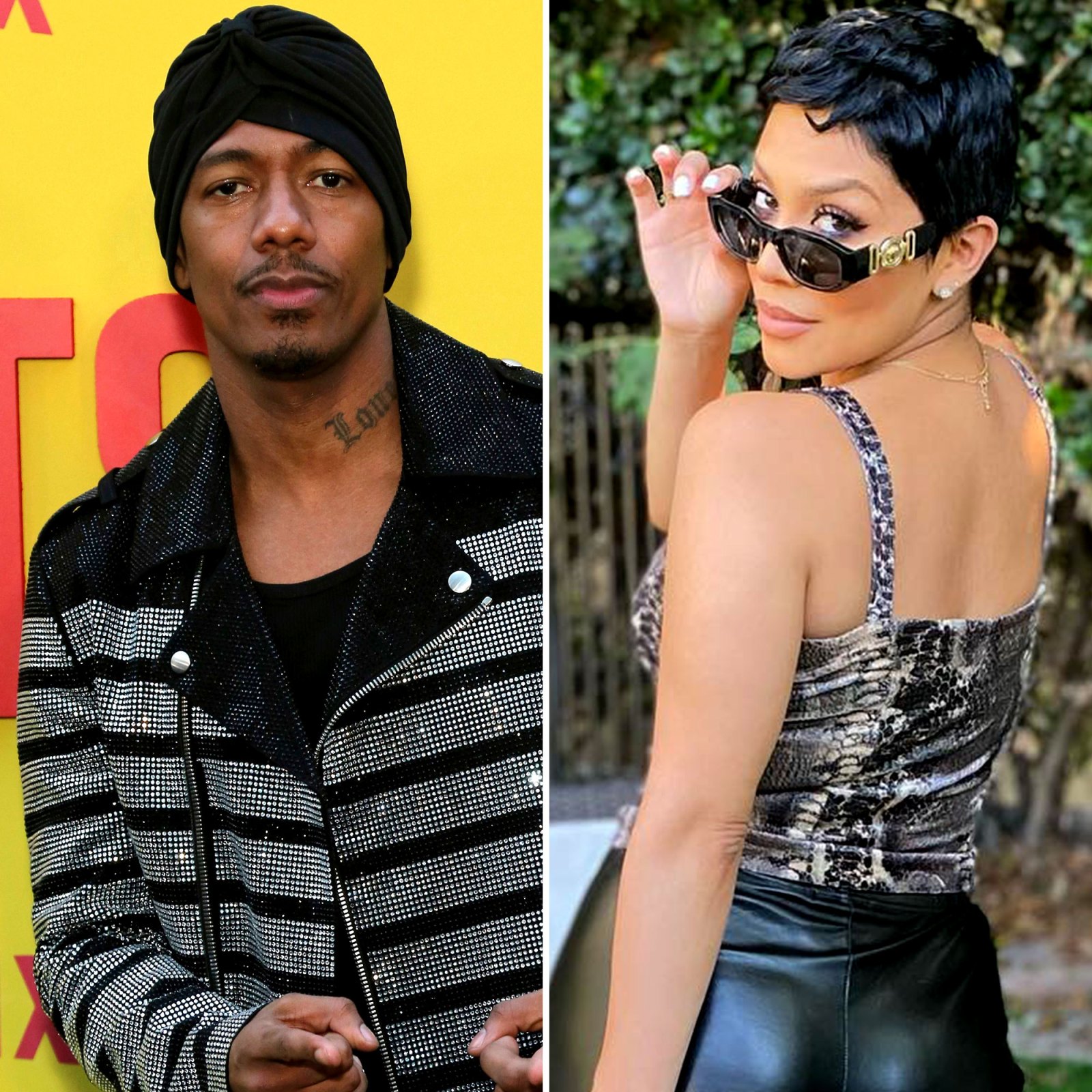
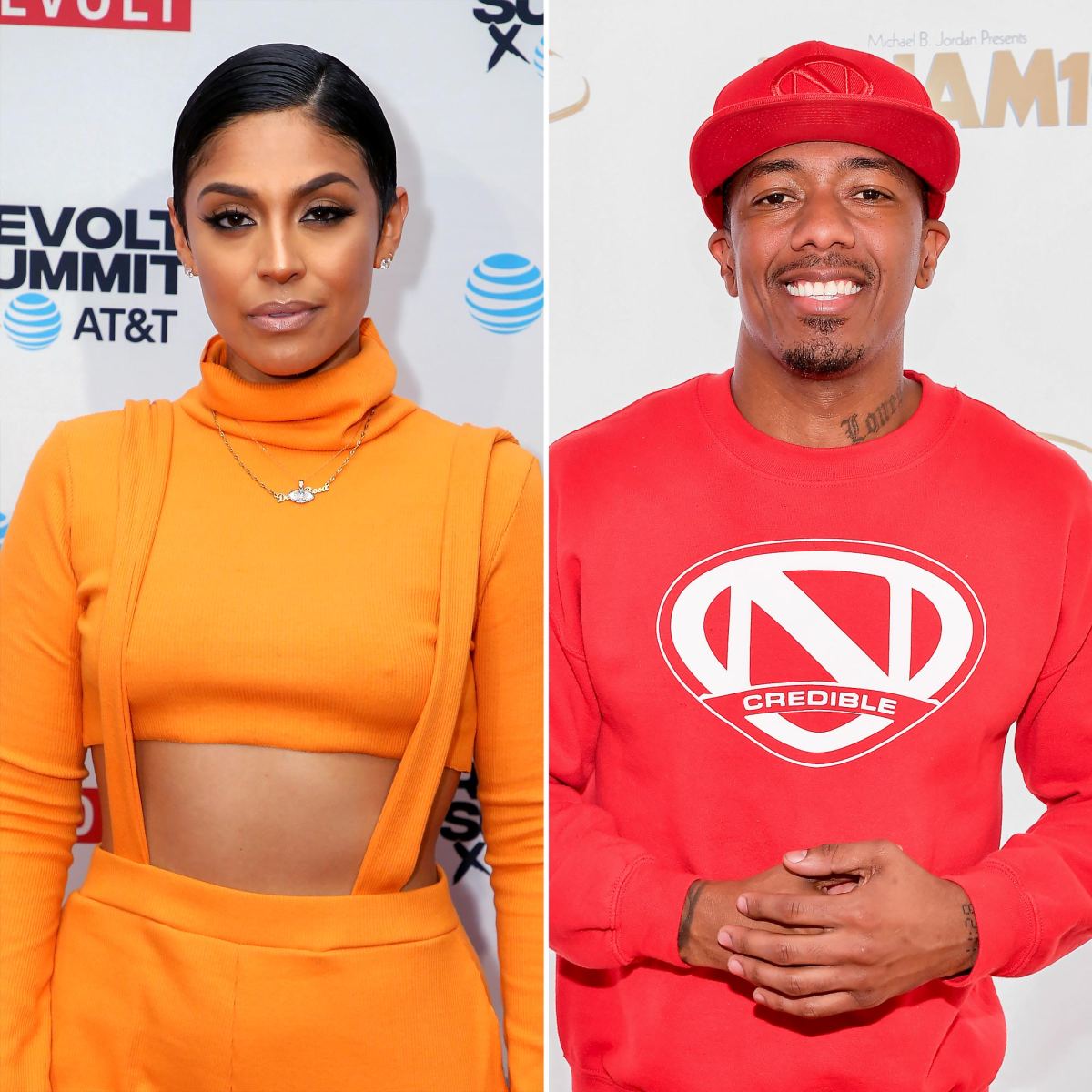
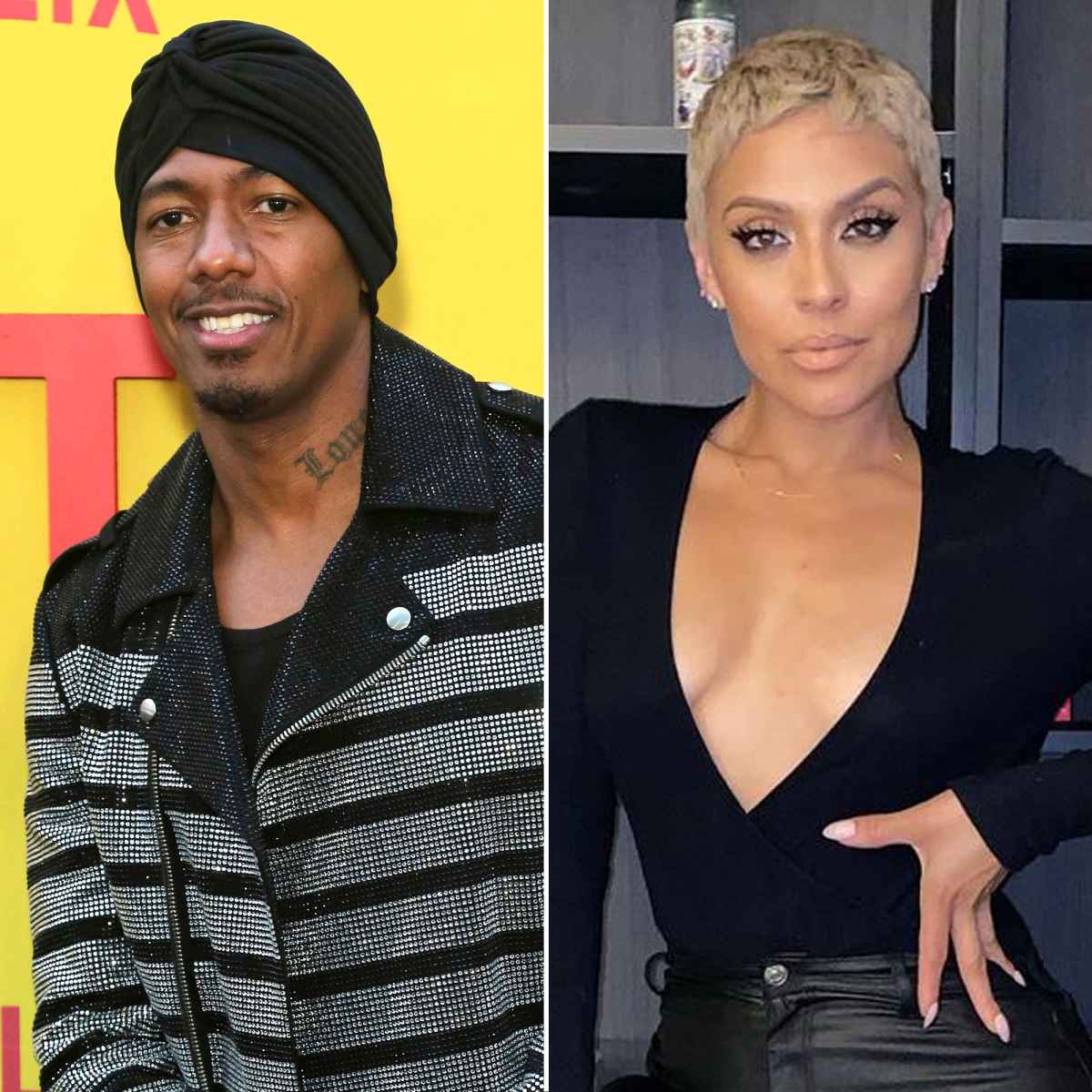
Abby De La Rosa: Exploring the Musical Background and Rising DJ Presence
Abby De La Rosa has cultivated a multifaceted public profile through her work in broadcasting, media, and the entertainment industry. While widely recognized in celebrity news and media circles, her professional roots run deep into the...
Abby De La Rosa has cultivated a multifaceted public profile through her work in broadcasting, media, and the entertainment industry. While widely recognized in celebrity news and media circles, her professional roots run deep into the world of audio engineering, radio production, and DJing, connecting her closely to the vibrant music culture historically anchored in cities like Detroit.
Contents
The Evolution of Abby De La Rosa in Media and Music
Long before her personal life became a frequent subject of tabloid headlines, Abby De La Rosa established herself as a dedicated media professional. Working primarily behind the scenes in radio broadcasting, she developed a comprehensive understanding of audio production, playlist curation, and live broadcast dynamics. Radio broadcasting serves as a rigorous training ground for aspiring DJs and sound engineers, demanding sharp technical proficiency with digital audio workstations (DAWs), live mixing consoles, and broadcast automation software.
Her professional journey highlights the transition many modern creators make: moving from traditional media production environments into independent digital platforms and live performance spaces. In the contemporary music landscape, DJs are rarely just play-selectors; they function as multimedia brand builders, live event curators, and audio technicians who manage complex signal routing, harmonic mixing, and real-time crowd reading.
Connecting with Detroit’s Rich Musical Heritage
While De La Rosa’s career spans various entertainment hubs including Los Angeles and New York, the association with Detroit’s rising DJ and music talent draws attention to the enduring influence of the Motor City's sonic identity. Detroit is globally revered as a foundational incubator for electronic music—most notably techno and house—as well as a powerhouse for soul, hip-hop, and R&B.
For any contemporary artist or DJ associated with Detroit's creative ecosystem, the standard for technical execution and stylistic authenticity remains exceptionally high. The city’s musical lineage is built on pioneers who mastered the Roland TR-808 and TR-909 drum machines, sophisticated vinyl mixing, and raw, emotive soundscapes. Aspiring talent operating within or inspired by this sphere typically embraces a deep appreciation for beatmatching precision, crate-digging culture, and genre-blending performances that bridge classic underground tracks with modern club anthems.
Key Influences in Detroit’s DJ and Club Culture
- Techno and House Roots: Emphasizing hypnotic rhythms, industrial soundscapes, and seamless long transitions.
- Hip-Hop and Turntablism: Highlighting technical scratch skills, sample manipulation, and dynamic crowd engagement.
- Radio and Broadcast Heritage: Leveraging local radio syndication to break underground tracks into mainstream rotation.
Technical Skills and Live Performance Standards
Succeeding as a rising talent in the modern DJ circuit requires far more than basic track selection. Industry standards demand proficiency across a range of hardware and software ecosystems. Modern DJs must understand digital performance platforms, multi-channel mixing, and harmonic mixing principles to ensure smooth transitions between tracks in different keys.
| Technical Category | Industry Standard Tools | Core Competencies Required |
|---|---|---|
| Performance Software | Serato DJ Pro, Pioneer Rekordbox, Traktor Pro | Library management, cue point setting, beat grid alignment |
| Hardware Controllers | Pioneer CDJ-3000, DDJ Series, Allen & Heath Mixers | EQ isolation, filter manipulation, loop controls, input routing |
| Audio Engineering | Ableton Live, Pro Tools | Track editing, custom remix production, master output limiting |
Navigating the Modern Entertainment Landscape
For media personalities and creators like Abby De La Rosa, navigating the entertainment industry involves balancing public visibility with professional artistic endeavors. The modern music industry operates heavily through digital streaming platforms, social media engagement, and live experiential events. Independent artists and DJs utilize these channels to build direct connections with audiences, bypassing traditional gatekeepers.
However, transitioning from media broadcasting to live DJ performances presents unique challenges. Maintaining credibility requires continuous dedication to craft, regular practice on live sound gear, and an authentic connection to the musical communities an artist chooses to represent. Whether performing at private industry events, high-profile club venues, or curating digital mix sets, the underlying requirement remains consistent: technical precision paired with strong audience synergy.
Frequently Asked Questions
What is Abby De La Rosa's professional background?
Abby De La Rosa has a background in radio broadcasting, media production, and audio engineering. She has worked extensively behind the scenes in media before expanding her profile into independent creative projects and public entertainment engagements.
How does Detroit influence modern DJ talent?
Detroit is historically significant as the birthplace of techno and a major hub for soul and hip-hop. Artists connected to the city often inherit a culture of technical mastery, deep crate-digging, and a strong appreciation for underground electronic and urban music traditions.
What technical equipment do modern DJs use?
Modern DJs typically rely on digital vinyl systems (DVS), media players like Pioneer CDJs, multi-channel mixing consoles, and performance software such as Serato DJ Pro or Rekordbox for music library management and live sets.
How do radio broadcasting skills transfer to live DJing?
Radio broadcasting teaches essential timing, vocal projection, audio level management, and audience pacing. These skills translate directly to live DJing, where reading a room and maintaining energy flow are critical for a successful performance.
Practical Next Steps for Aspiring DJs and Media Creators
- Master the Fundamentals: Invest time in learning manual beatmatching, EQ blending, and basic audio routing before relying entirely on software sync features.
- Build a Diverse Music Library: Focus on crate-digging across genres to develop a unique personal sound rather than relying exclusively on mainstream chart lists.
- Leverage Digital Platforms: Utilize social media and streaming services to share live mixes, engage with listeners, and document professional growth.
- Network Within Local Scenes: Connect with established promoters, venue managers, and fellow artists in regional music hubs like Detroit, Los Angeles, or New York to secure live performance opportunities.
Image Gallery