The 2018 Infiniti Q50 3.0t Sport Specs Explained: A Performance Benchmark
The 2018 Infiniti Q50 3.0t Sport represents a pivotal moment in the evolution of the Q50 sedan, centering on the integration of the VR-series twin-turbocharged V6 engine. This trim level balances luxury appointment with aggressive powe...
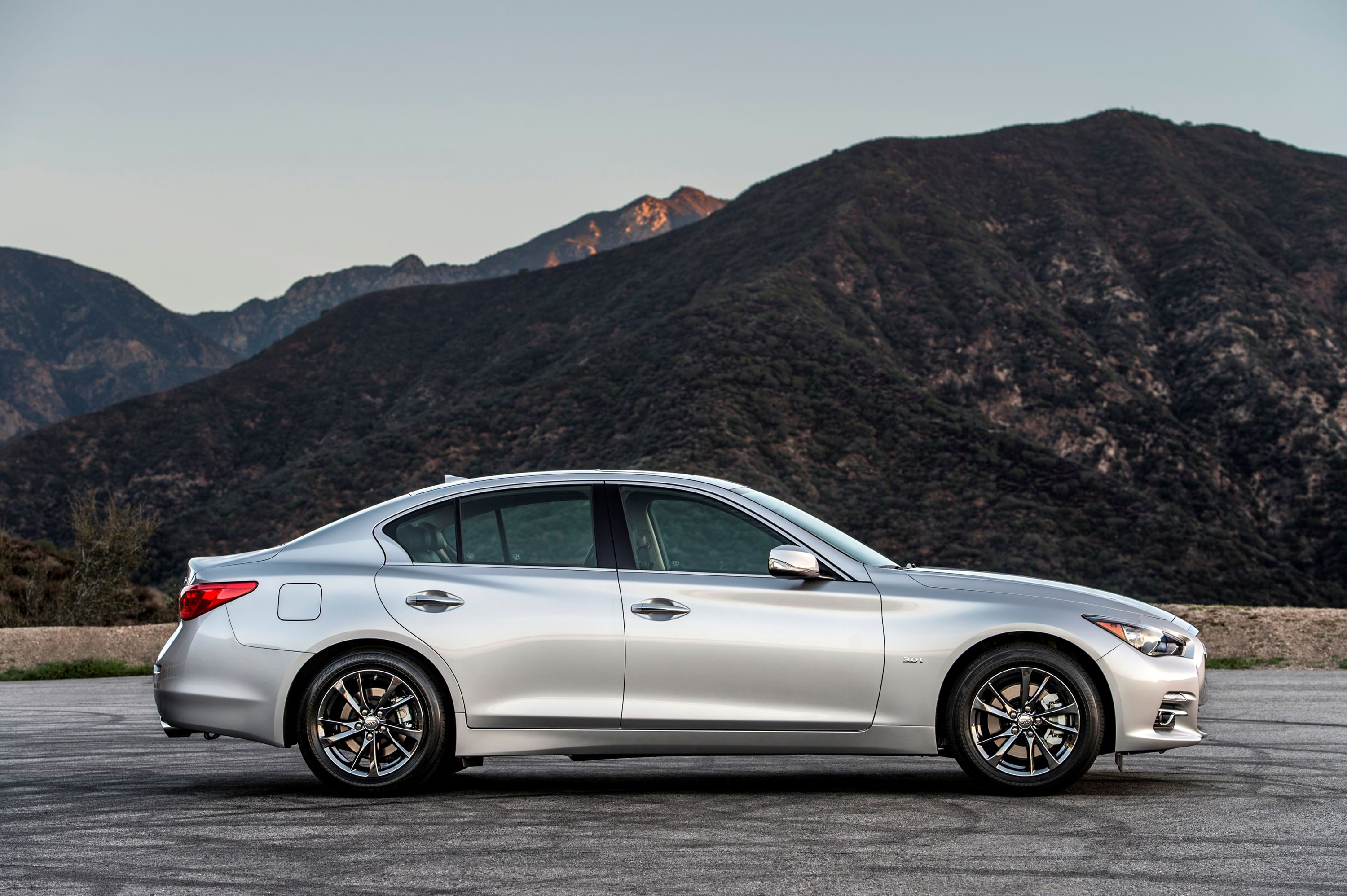
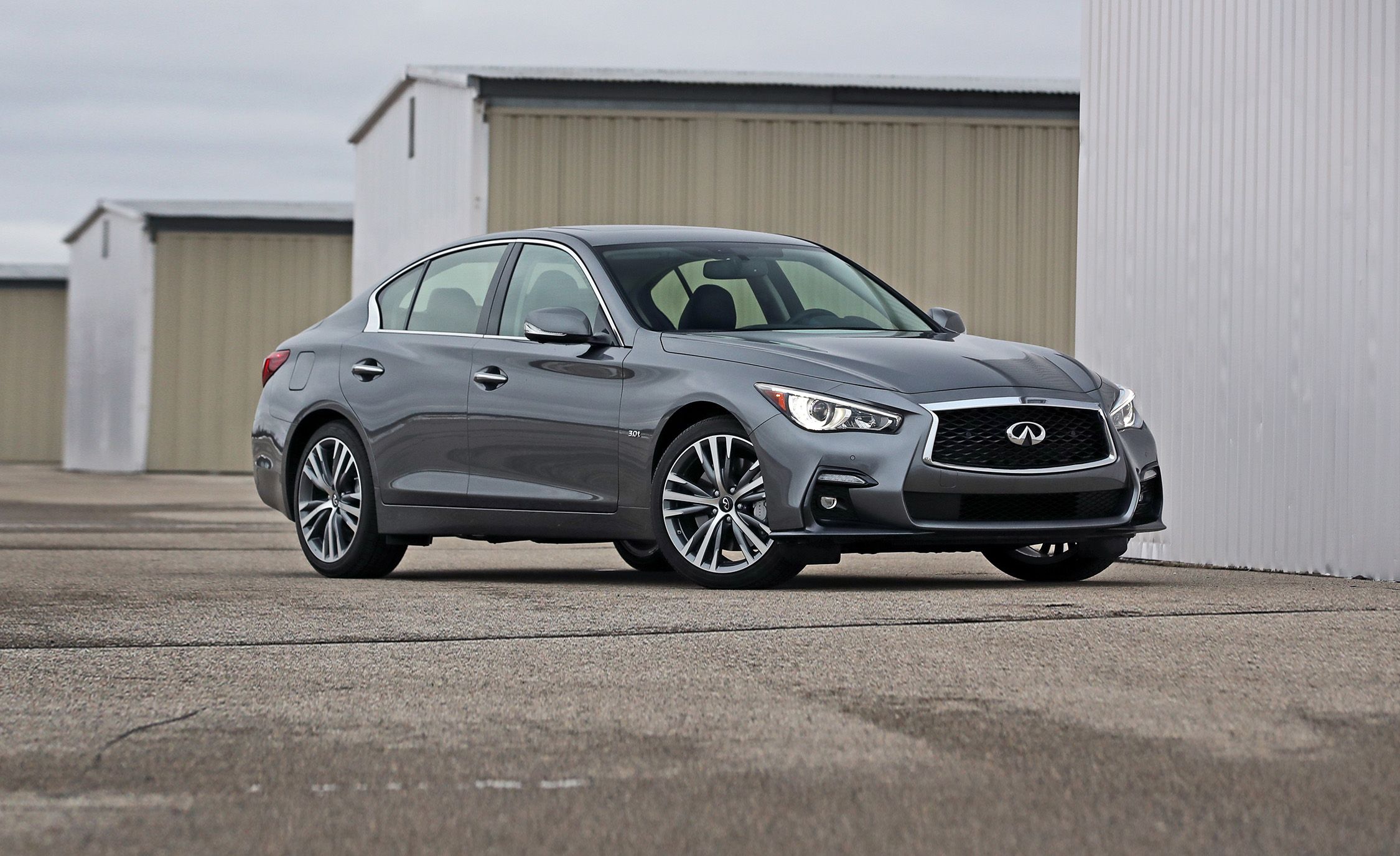
The 2018 Infiniti Q50 3.0t Sport represents a pivotal moment in the evolution of the Q50 sedan, centering on the integration of the VR-series twin-turbocharged V6 engine. This trim level balances luxury appointment with aggressive power delivery, offering a 300-horsepower powertrain, adaptive steering options, and a driver-focused suspension setup designed to compete in the highly contested compact executive sports sedan segment.
Contents
Engine Architecture and Performance Dynamics
At the heart of the 2018 Infiniti Q50 3.0t Sport lies the VR30DDTT engine. This 3.0-liter twin-turbocharged V6 was engineered to replace the aging naturally aspirated VQ-series engines, offering a significant boost in torque and efficiency.
The engine produces 300 horsepower at 6,400 rpm and 295 lb-ft of torque between 1,600 and 5,200 rpm. The "DDTT" designation stands for Direct Injection, Dual overhead cam, and Twin Turbo. By utilizing direct injection, the engine manages fuel delivery with high precision, which improves combustion efficiency and thermal management. The integration of dual water-cooled intercoolers ensures that intake air remains at an optimal temperature, reducing lag and sustaining power output even under demanding driving conditions.
The power is managed by a 7-speed automatic transmission with Adaptive Shift Control (ASC). This transmission uses a lateral acceleration sensor to detect driving conditions, holding gears longer through corners or downshifting appropriately when it senses increased steering angle or braking force.
Handling and Suspension Engineering
The "Sport" designation in the 2018 Q50 lineup is not merely aesthetic; it introduces hardware specifically tuned for firmer, more responsive handling compared to the base and Premium trims.
The vehicle features the Dynamic Digital Suspension (DDS), which utilizes electronically controlled shock absorbers. This system monitors vehicle attitude, steering angle, and chassis movement to adjust damping force in real-time. Drivers can select between "Standard" and "Sport" modes, with the latter providing a noticeably stiffer ride that reduces body roll during aggressive cornering.
Furthermore, the 2018 model year continued to offer the Direct Adaptive Steering (DAS) system as an available option. This "steer-by-wire" technology eliminates the mechanical link between the steering wheel and the front tires for the majority of driving scenarios, relying instead on electronic actuators. Proponents of this system highlight the ability to customize steering weight and responsiveness through the vehicle's Drive Mode Selector, while purists often opt for the standard rack-and-pinion hydraulic power steering setup for its more traditional mechanical feedback.
Key Technical Specifications Comparison
Understanding the configuration of the 2018 Infiniti Q50 3.0t Sport requires looking at how power translates to the road. The following table outlines the foundational mechanical metrics for the Sport trim.
| Feature | Specification |
|---|---|
| Engine Displacement | 2,997 cc |
| Horsepower | 300 hp @ 6,400 rpm |
| Torque | 295 lb-ft @ 1,600–5,200 rpm |
| Transmission | 7-Speed Automatic w/ Manual Shift |
| Drivetrain | RWD or Intelligent AWD |
| Front Suspension | Independent double-wishbone |
| Rear Suspension | Independent multi-link |
| Curb Weight | Approx. 3,700–3,900 lbs |
The Role of Intelligent All-Wheel Drive
The 2018 Infiniti Q50 3.0t Sport was available in both Rear-Wheel Drive (RWD) and Intelligent All-Wheel Drive (AWD) configurations. The AWD system is designed for variable torque distribution, capable of sending up to 50% of the engine's available power to the front wheels when traction loss is detected. Under normal driving conditions, the system defaults to a rear-biased setup to maintain the athletic handling characteristics associated with a sports sedan.
For drivers residing in regions with significant seasonal weather shifts, the AWD system provides increased confidence, although it does carry a slight weight penalty. This mass, situated over the front axle, subtly alters the vehicle's weight distribution, making the RWD variant the preferred choice for those prioritizing track-oriented dynamics and balanced steering feel.
Interior Features and Ergonomics
The cabin of the 2018 Q50 3.0t Sport is designed to reflect its performance capabilities. The seats feature leather-appointed surfaces with increased side bolstering to keep occupants secure during lateral maneuvers. The steering wheel is wrapped in leather and includes magnesium-alloy paddle shifters, providing tactile feedback when the driver chooses to override the automatic transmission.
The center console is dominated by the Infiniti InTouch dual-display system. This setup features an 8-inch upper screen for navigation and primary telematics, and a 7-inch lower screen for climate control, vehicle settings, and audio integration. While this system provided advanced connectivity for the 2018 model year, users should be aware that the interface requires a learning curve regarding the menu structures and response times of the dual-touchscreen layout.
Practical Ownership Considerations
Maintaining a 2018 Infiniti Q50 3.0t Sport involves specific attention to the turbocharged powertrain. Because the VR30DDTT engine relies on a more complex cooling and forced-induction system than previous generations, adherence to the manufacturer’s recommended maintenance schedule is critical.
- Oil Changes: Use full synthetic oil that meets Infiniti's specific viscosity requirements. Turbocharged engines generate higher thermal loads, making oil quality paramount for longevity.
- Coolant System: With the air-to-water intercoolers, ensure the intercooler coolant loop is checked during service intervals.
- Tire Selection: The Sport trim is often equipped with staggered wheel setups (wider tires in the rear). This affects tire rotation patterns and requires owners to purchase specific, often higher-performance tires to maintain the designed handling balance.
- Braking System: The Sport trim typically features upgraded brakes compared to the base models. Monitor pad thickness and rotor condition, as these components are subject to increased wear during high-performance driving.
Common Questions Regarding the Q50 3.0t
Does the 3.0t Sport require premium fuel? Yes, the VR30DDTT engine is tuned to deliver its peak performance on premium unleaded gasoline (91 octane or higher). While the engine management system can adjust for lower-octane fuel to prevent engine knock, it will result in a decrease in total power output and fuel efficiency.
How does the 2018 Q50 3.0t differ from the Red Sport 400? The primary difference is the engine calibration and hardware. While both use the 3.0-liter twin-turbo V6, the Red Sport 400 has a different turbo speed sensor, an additional water pump for the intercooler, and a higher boost pressure setting, resulting in 400 horsepower compared to the 300 horsepower of the standard 3.0t Sport.
Is the Direct Adaptive Steering (DAS) reliable? DAS is a highly innovative system that allows for a level of customization—such as "Quick" or "Heavy" steering ratios—that mechanical systems cannot replicate. However, it is a complex electronic component. Prospective owners should verify the software version of the DAS system has been updated during previous service visits to ensure optimal operation.
Can I modify the 2018 Q50 3.0t to reach Red Sport power levels? While the short-block engine architecture is similar, the Red Sport includes additional cooling hardware that the standard 3.0t Sport lacks. Attempting to tune the 3.0t to 400 horsepower can exceed the cooling capacity of the stock system, potentially leading to heat soak or premature component wear.
What is the "Intelligent" aspect of the AWD system? The system is "intelligent" because it does not rely on a fixed power split. It uses sensors at each wheel to monitor for slippage. If the system detects that the rear tires are spinning faster than the front—indicating a loss of grip—it engages the transfer case to redistribute power to the front axle within milliseconds, often before the driver notices a loss of stability.
Final Recommendation
The 2018 Infiniti Q50 3.0t Sport is an ideal choice for the enthusiast who values a blend of modern luxury and turbocharged performance. For the most balanced experience, prioritize finding a well-maintained RWD model with detailed service records. If you live in a colder climate, the Intelligent AWD system is a capable alternative that retains the vehicle's core sporting character. Always prioritize a pre-purchase inspection by a technician familiar with the VR30 engine architecture to ensure the turbochargers and electronic systems are functioning within original factory specifications.
Image Gallery