The Strategic Evolution of Loyalty Programs: A Comprehensive Guide for 2026
A loyalty program is a structured marketing strategy designed to encourage repeat business by providing incentives, rewards, or exclusive access to frequent customers. In 2026, these systems function as sophisticated data-ecosystems th...
A loyalty program is a structured marketing strategy designed to encourage repeat business by providing incentives, rewards, or exclusive access to frequent customers. In 2026, these systems function as sophisticated data-ecosystems that trade personalized value and enhanced experiences for long-term brand advocacy, significantly increasing Customer Lifetime Value (CLV).
Contents
The Core Objectives of Modern Loyalty Programs
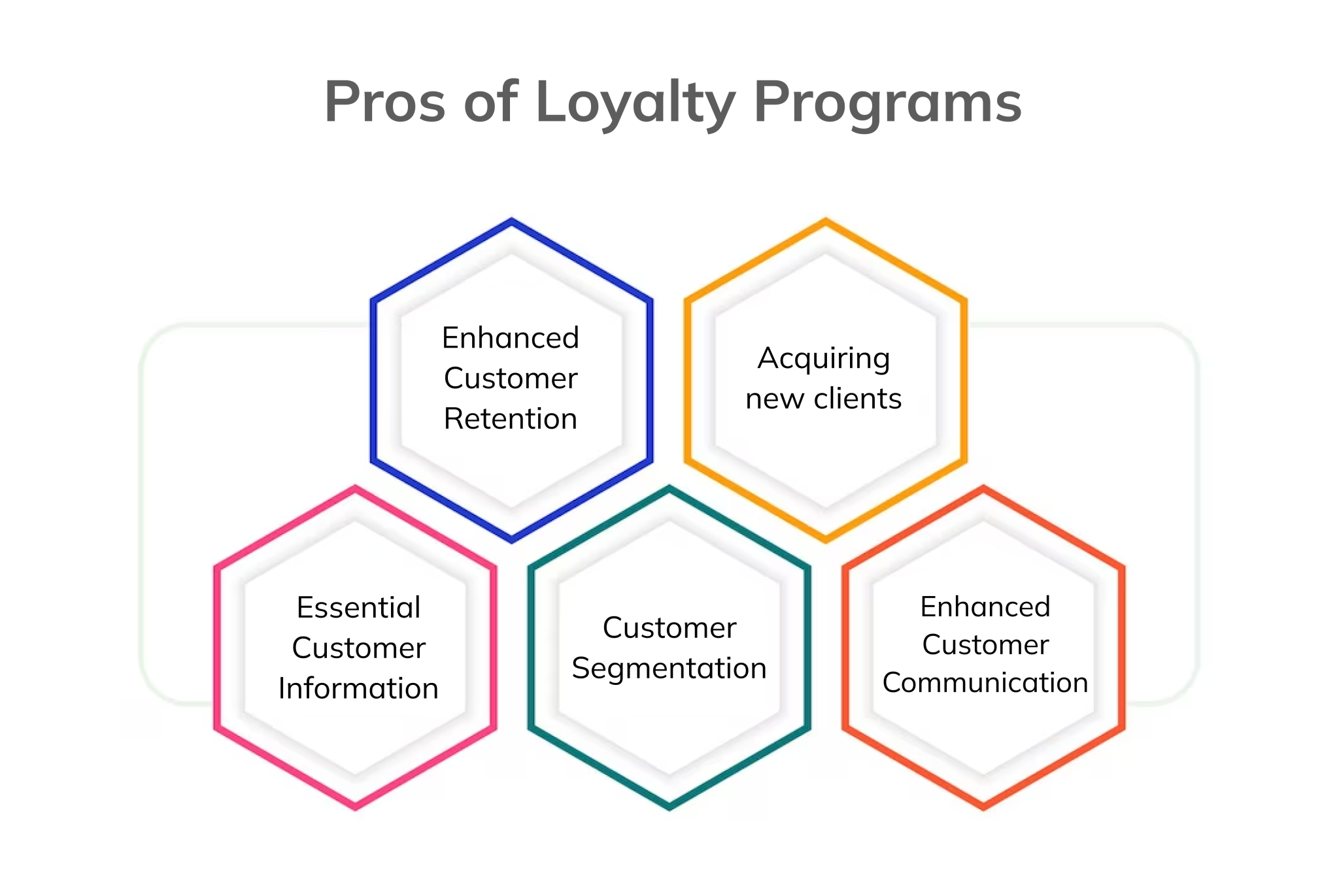
The primary goal of a loyalty program has shifted from a transactional discount mechanism to a strategic relationship management tool. While the "buy ten, get one free" model still exists in small-scale retail, enterprise-level loyalty programs in 2026 focus on three pillars: data acquisition, customer retention, and brand differentiation.
Data Acquisition and Zero-Party Data In an era of stringent privacy regulations and the deprecation of third-party cookies, loyalty programs are the most effective way for brands to collect zero-party data. This is data that customers intentionally and proactively share with a brand. By offering rewards, companies gain insights into individual preferences, purchase frequencies, and lifestyle triggers. This allows for hyper-personalization, where marketing efforts are tailored to the specific needs of a customer rather than broad demographic segments.
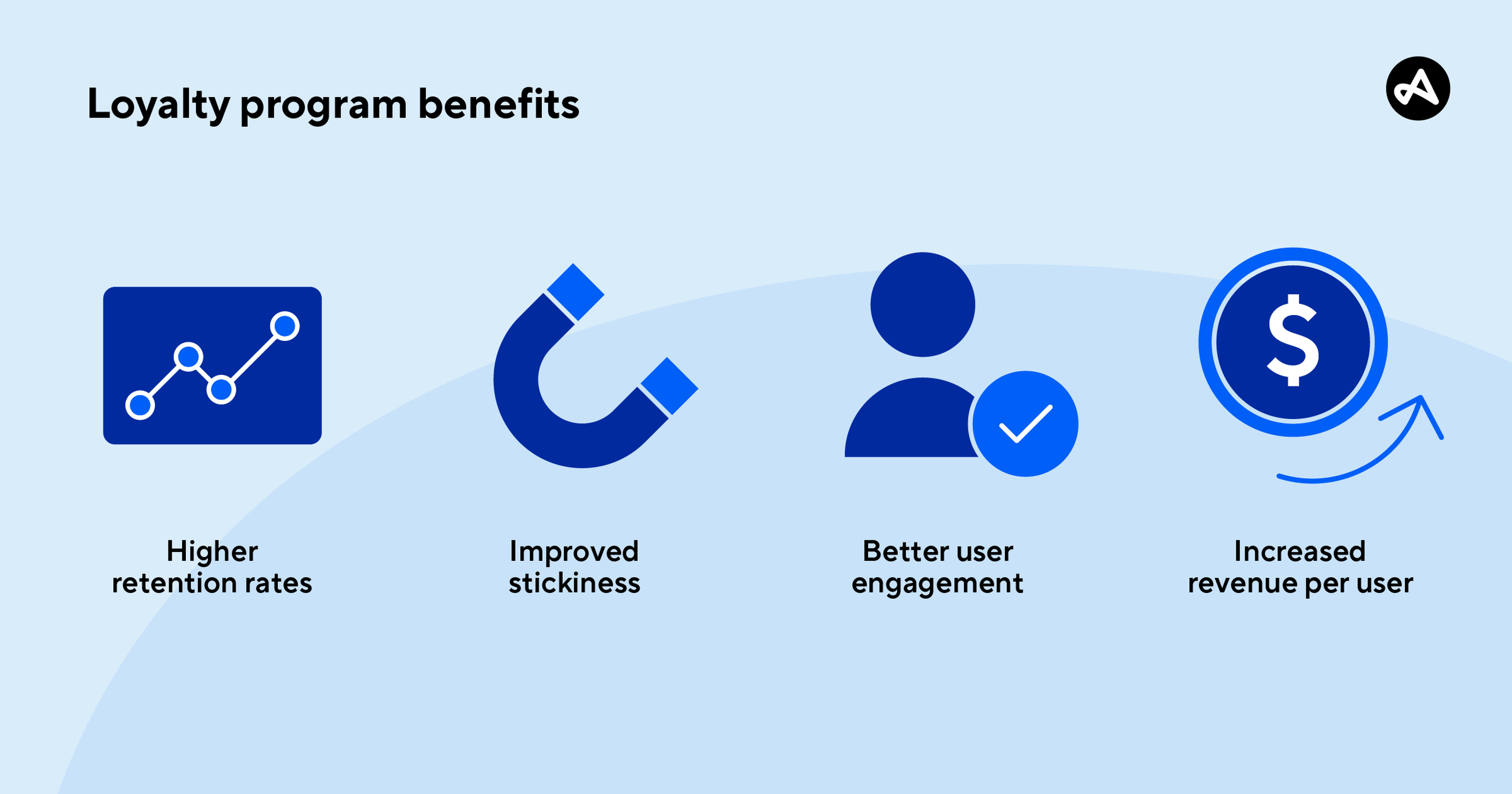
Retention Economics The financial justification for loyalty programs remains rooted in the fundamental principle that retaining an existing customer is significantly cheaper than acquiring a new one. Research from institutions like the Harvard Business Review has historically shown that increasing customer retention rates by 5% can increase profits by 25% to 95%. In 2026, the focus is on reducing "churn"—the rate at which customers stop doing business with an entity—through automated, AI-driven intervention strategies triggered by loyalty data.
Brand Differentiation and Emotional Loyalty In saturated markets, price and product features are easily replicated. Loyalty programs provide a layer of "emotional loyalty" that is harder for competitors to disrupt. This is achieved through experiential rewards, such as early access to new products, invitation-only events, or concierge services. When a customer feels "known" by a brand, the switching cost becomes psychological rather than just financial.
Essential Architecture: Types of Loyalty Models
Selecting the right structure is critical for program sustainability. A mismatch between the brand’s margins and the reward structure can lead to financial liability or customer apathy.
1. Point-Based Systems
The most common model where customers earn a specific number of points for every dollar spent. These points can later be redeemed for discounts, products, or services. In 2026, the most successful point systems are integrated with mobile wallets, allowing for seamless tracking and redemption.
2. Tiered Loyalty Programs
Tiers create a sense of status and gamification. Customers enter a base level and unlock higher "tiers" (e.g., Silver, Gold, Platinum) based on their annual spend or engagement levels. Higher tiers offer progressively better rewards, creating a "lock-in" effect where customers are incentivized to reach the next milestone to maintain their status.
3. Paid or Premium Loyalty (Subscription)
Popularized by services like Amazon Prime, this model requires customers to pay an upfront or recurring fee to access immediate, high-value benefits. This model is highly effective because it filters for the most loyal customers and provides the brand with immediate cash flow to fund the program's benefits.
4. Coalition Loyalty
This involves a partnership between multiple brands. A customer earns points at a grocery store and redeems them for fuel or airline miles. This increases the utility of the points for the customer while allowing smaller brands to leverage the reach of larger partners.
5. Gamified Loyalty
Utilizing mechanics from video games—such as badges, leaderboards, and "quests"—these programs drive engagement beyond the transaction. For example, a fitness apparel brand might reward points not just for purchases, but for completing a 5k run tracked via their app.
Technical Implementation and Infrastructure
Launching a loyalty program in 2026 requires a robust "MarTech" (Marketing Technology) stack. Businesses must move away from siloed systems toward an integrated approach.
- CRM Integration: The loyalty platform must communicate in real-time with the Customer Relationship Management (CRM) system. This ensures that every customer touchpoint—whether in-store, online, or via a service call—is informed by their loyalty status.
- API-First Architecture: Modern programs use APIs (Application Programming Interfaces) to connect with Point of Sale (POS) systems, e-commerce platforms, and third-party delivery services. This allows for "headless loyalty," where the rewards engine runs in the background while the user interface can be anything from a smartwatch to a smart fridge.
- AI and Machine Learning: Artificial Intelligence is now used to calculate "Propensity to Redeem." If a customer has points but isn't using them, they are a high churn risk. AI models can automatically send a personalized "nudge" with a reward that aligns with their previous purchase history.
- Security and Fraud Prevention: Loyalty points are essentially a form of currency. This makes them targets for cybercriminals. Programs in 2026 must implement multi-factor authentication (MFA) and anomaly detection to prevent "points draining" and account takeover (ATO) attacks.
Comparison of Loyalty Program Models
| Program Type | Primary Mechanic | Ideal For | Major Challenge |
|---|---|---|---|
| Points-Based | Spending $1 = X Points | Frequent, low-value transactions (Coffee, Fast Food) | Low perceived value if points are hard to earn. |
| Tiered | Milestones based on spend | High-margin, lifestyle brands (Fashion, Travel) | Managing the "demotion" experience for inactive users. |
| Subscription (Paid) | Monthly/Annual Fee | High-frequency utility services (Groceries, Shipping) | High barrier to entry for new customers. |
| Gamified | Challenges and badges | Community-focused brands (Fitness, Gaming) | Risk of "gimmick fatigue" if rewards aren't tangible. |
| Coalition | Multi-brand earning | Low-frequency, high-necessity brands (Gas, Insurance) | Complexity in data sharing and revenue split. |
Measuring Success: Key Metrics and ROI
A loyalty program is a financial liability on the balance sheet until points are redeemed or expired. Therefore, tracking specific metrics is vital for fiscal health.
- Redemption Rate: This is the percentage of issued points that are actually used. A very low rate suggests the rewards are not appealing, while an extremely high rate might threaten profit margins.
- Breakage: This refers to points that expire without being used. While breakage is technically "profit" for the company, high breakage often indicates a lack of customer engagement.
- Net Promoter Score (NPS): Loyalty programs should ideally turn customers into promoters. Tracking NPS specifically among loyalty members versus non-members helps quantify the program's impact on brand sentiment.
- Incremental Spend: The most important metric is whether the program causes customers to spend more than they would have otherwise. This is measured through A/B testing, comparing the behavior of program members against a control group of non-members with similar historical profiles.
Common Pitfalls in Loyalty Strategy
Even well-funded programs can fail if they ignore the user experience or financial sustainability.
- Over-Complexity: If a customer needs a calculator to understand how much a point is worth, they will disengage. The value proposition must be clear and instantaneous.
- Static Rewards: Offering the same 10% discount for five years leads to "reward blindness." Programs must rotate rewards and introduce "surprise and delight" moments to maintain interest.
- Ignoring the "Low-Value" Tier: While 80% of revenue often comes from the top 20% of customers, ignoring the entry-level tier prevents the brand from nurturing the "whales" of tomorrow.
- Technical Friction: If a customer has to wait for a physical card or manually enter a 16-digit code at checkout, the friction will outweigh the benefit. Integration should be automatic via phone number, email, or biometric link.
FAQs about Loyalty Programs
How do loyalty programs affect a company's balance sheet?
Loyalty points are considered a "deferred revenue" liability. When a customer earns points, the company must set aside a portion of the transaction value as a liability until those points are either redeemed or they expire (breakage). Proper actuarial accounting is required to estimate the future cost of these redemptions.
Are digital-only loyalty programs effective for physical retail?
Yes, provided there is a bridge between the digital and physical worlds. In 2026, this is usually achieved through QR codes, NFC (Near Field Communication), or "Pay-with-Points" at the physical checkout. The data collected from digital interactions can be used to drive foot traffic into physical stores via location-based notifications.
What is the impact of "Zero-Party Data" on loyalty programs?
Zero-party data is information a customer voluntarily shares, such as their birthday, dietary preferences, or hobby interests. Loyalty programs are the primary vehicle for this exchange. This data allows brands to move beyond "customers who bought X also bought Y" to "because you told us you are a marathon runner, here is a reward for new hydration gear."
Is blockchain technology used in loyalty programs in 2026?
Blockchain and tokenization are increasingly used for "interoperable" loyalty programs. This allows points to be converted into digital tokens that can be traded or used across a wider ecosystem of partner brands, providing customers with more liquidity and reducing the liability on the brand's books through decentralized ledgers.
How do I prevent "loyalty fatigue"?
Loyalty fatigue occurs when customers are overwhelmed by too many programs or repetitive communications. To prevent this, brands should use "preference centers" where customers choose the frequency and channel of communication. Furthermore, focusing on "utility-based" loyalty—features that make the customer's life easier, like saved preferences or faster checkout—is more sustainable than constant promotional noise.
Practical Recommendations for 2026
To build or optimize a loyalty program today, start by auditing your existing customer data. Identify your most profitable segments and interview them to understand what they value—is it price, time, or status?
For most mid-to-large enterprises, the next step is moving toward a hybrid model: combining a points-based foundation with a tiered experiential layer. Ensure your tech stack supports real-time API integrations so that rewards are triggered instantly. Finally, prioritize the mobile experience; if your loyalty program does not live in the customer’s digital wallet or a high-utility app, it is effectively invisible.
Image Gallery