Delta Reserve Card vs Platinum: Comprehensive Co-Branded Travel Credit Card Comparison
Choosing between the Delta SkyMiles® Reserve American Express Card and the Delta SkyMiles® Platinum American Express Card requires analyzing how you travel, your spending patterns, and how much you value Delta Air Lines status elevatio...
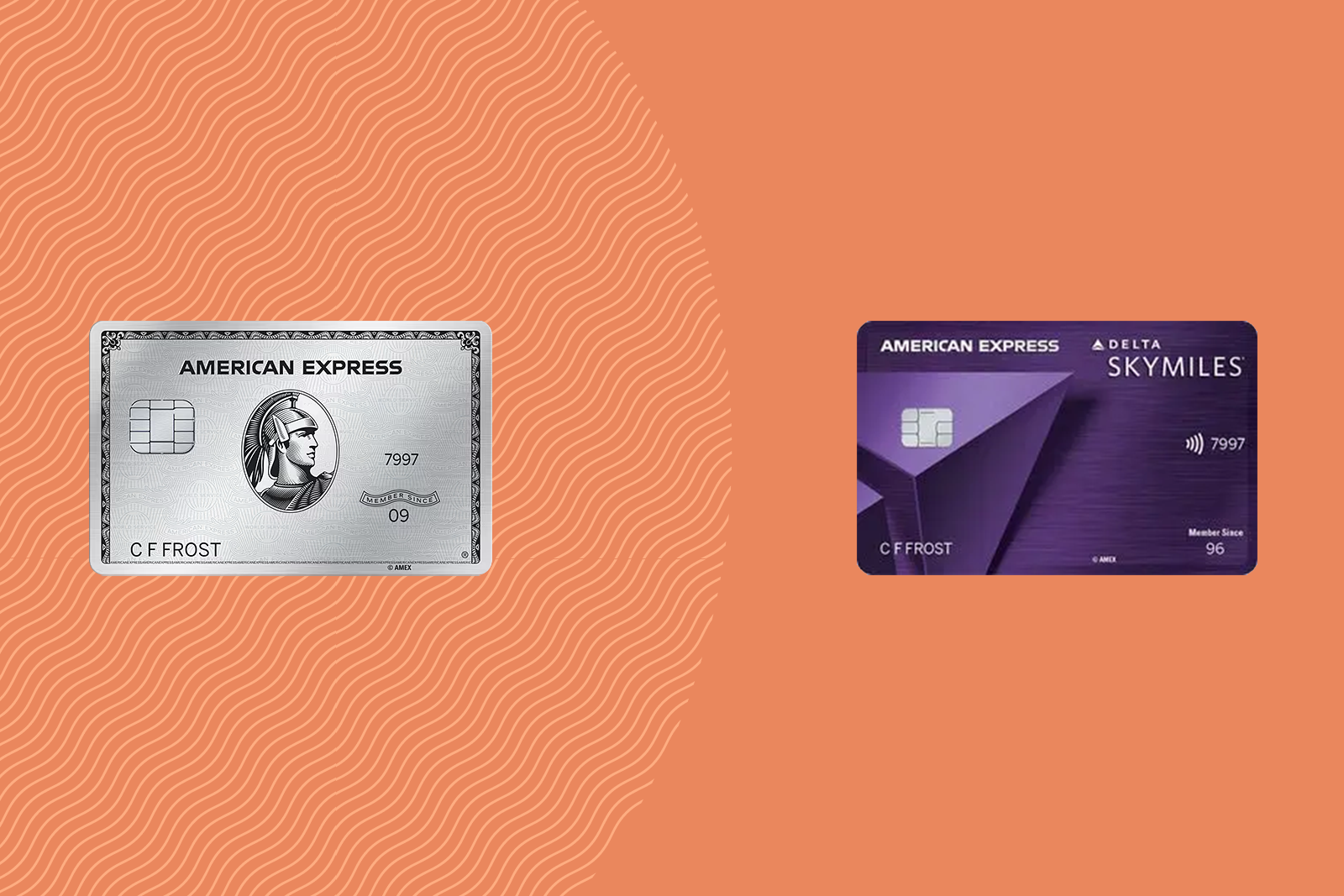
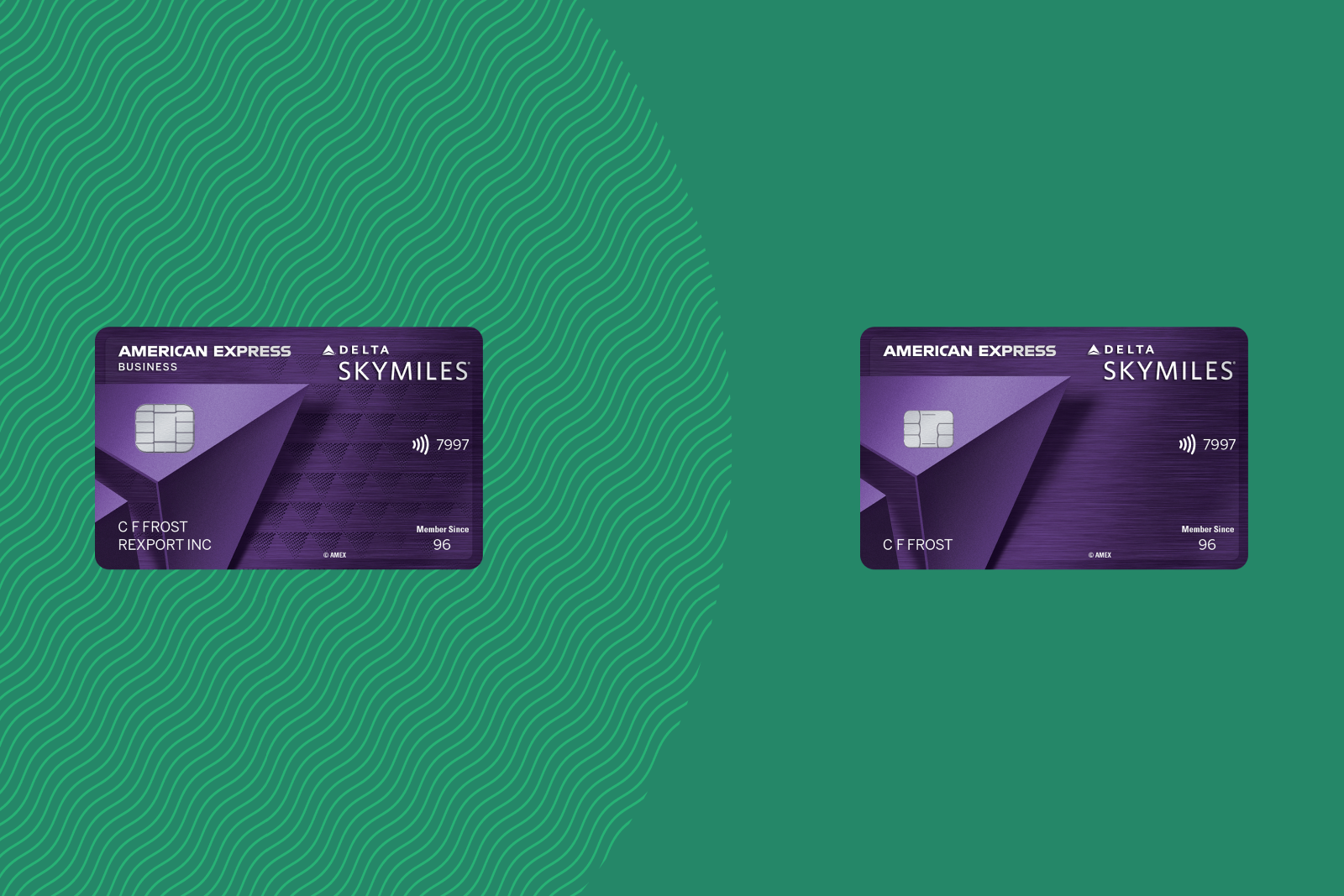
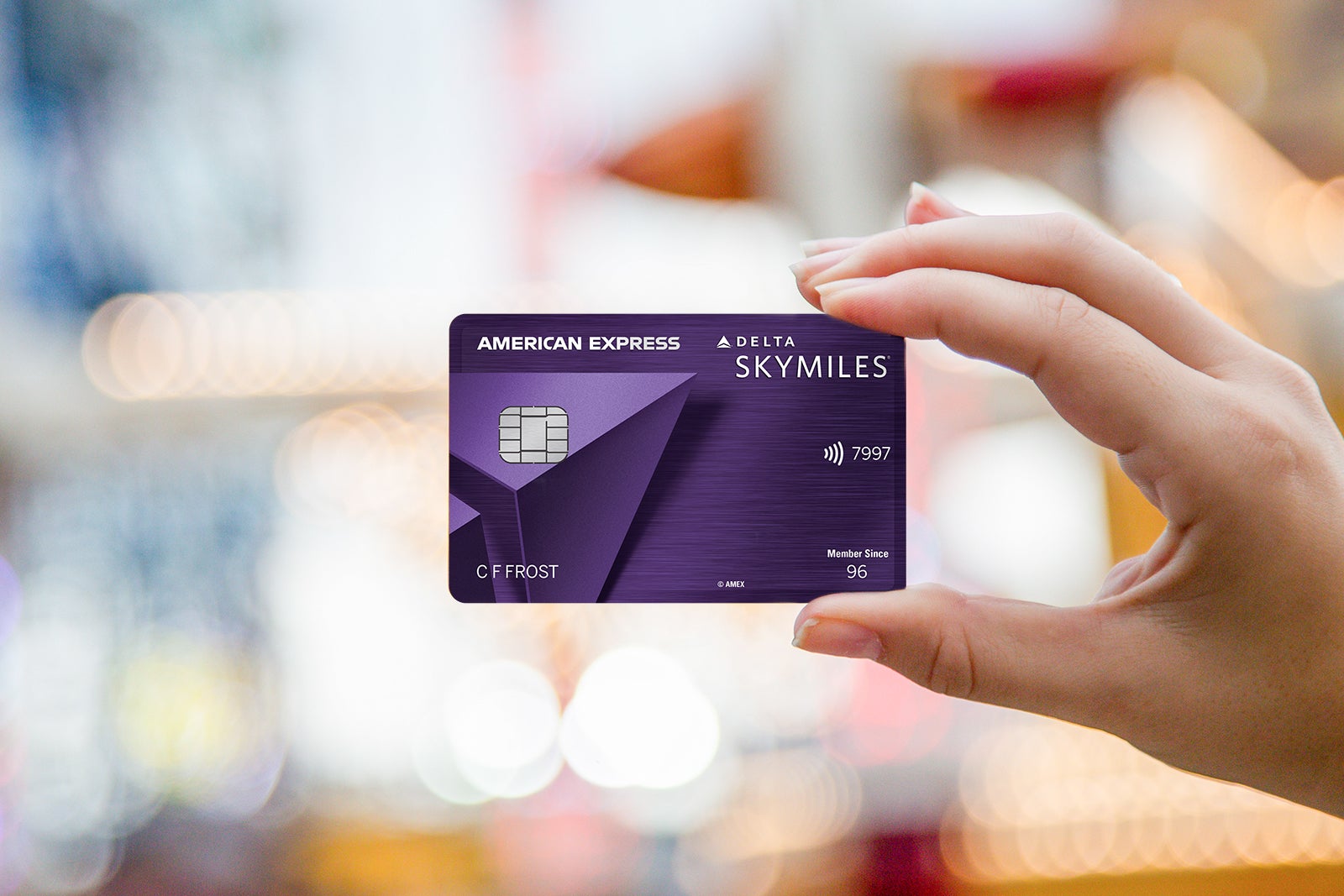
Choosing between the Delta SkyMiles® Reserve American Express Card and the Delta SkyMiles® Platinum American Express Card requires analyzing how you travel, your spending patterns, and how much you value Delta Air Lines status elevation and airport lounge access. Both are premium co-branded products featuring substantial annual fees, rich welcome offers, and distinct earning structures, but they target markedly different tiers of frequent flyers.
Contents
The primary difference lies in their target value propositions: the Delta Platinum card emphasizes everyday spending multipliers and companion travel rewards at a mid-tier premium price point, whereas the Delta Reserve card is engineered for frequent Delta flyers seeking elite status progression, complimentary access to Delta Sky Clubs, and premium travel upgrades.
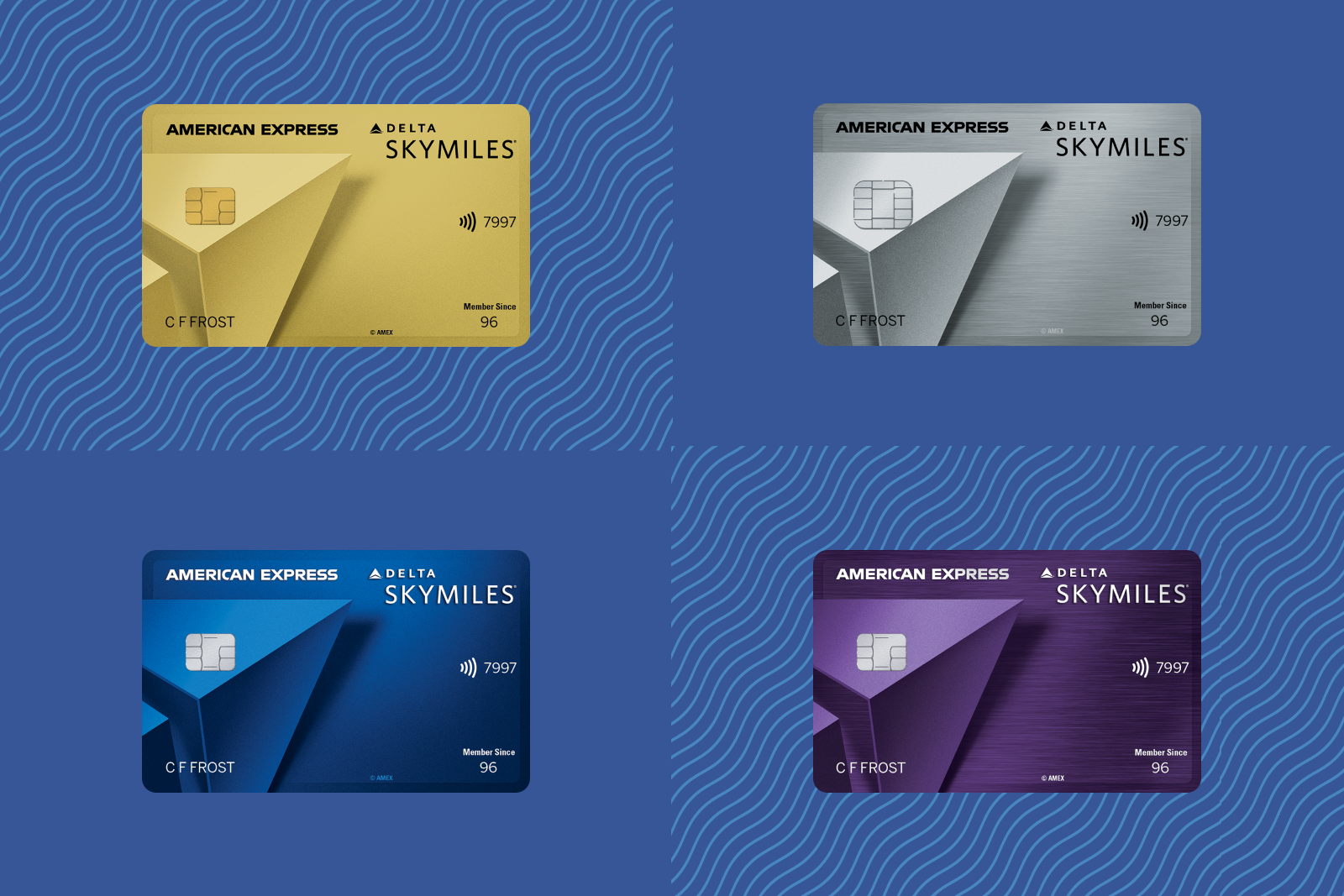
Understanding the Delta Co-Branded Ecosystem
Before diving into a direct side-by-side comparison, it is essential to understand how American Express and Delta Air Lines structure their card portfolios. Both cards function as premium travel credit cards issued by American Express, tied directly to your Delta SkyMiles frequent flyer account. Cardmembers earn SkyMiles on everyday purchases, which can be redeemed for award flights on Delta and its global SkyTeam partners.
However, neither card is designed for the casual flyer who takes a single domestic vacation per year. With annual fees exceeding $250, both products demand intentional card usage to extract enough value through statement credits, companion certificates, and travel perks to outweigh the yearly cost. Evaluating these products requires looking past marketing hype and examining the structural mechanics of how miles are earned, how elite status is achieved, and what lounge access privileges are granted.
Annual Fees and Welcome Offers
The financial commitment required for each card is a major filtering point for most applicants.
- Delta SkyMiles® Platinum American Express Card: Features an annual fee of $350 (see rates and fees).
- Delta SkyMiles® Reserve American Express Card: Features an annual fee of $650 (see rates and fees).
Both cards frequently offer welcome bonuses consisting of bonus SkyMiles after meeting specific minimum spending requirements within the first few months of cardmembership. While welcome offers change periodically, the Reserve card generally commands a higher public bonus offer to match its steeper annual fee.
When analyzing the annual fee, you must look at the net cost after accounting for guaranteed statement credits. Both cards offer various statement credits for eligible purchases, such as rideshare services, dining, Delta Stays, or eligible airline purchases, which can significantly offset the baseline cost if you already utilize those merchants organically.
Earning SkyMiles: Everyday Spend vs. Delta Purchases
Both the Delta Platinum and Delta Reserve cards reward cardholders for spending money with Delta, but their multipliers for everyday purchases diverge in ways that impact long-term card strategy.
| Feature / Benefit | Delta SkyMiles® Platinum American Express Card | Delta SkyMiles® Reserve American Express Card |
|---|---|---|
| Annual Fee | $350 (See Rates and Fees) | $650 (See Rates and Fees) |
| Welcome Offer | Varies by promotional period | Varies by promotional period |
| Delta Purchases Multiplier | 3X SkyMiles on Delta purchases | 3X SkyMiles on Delta purchases |
| Dining Multiplier | 2X SkyMiles at restaurants worldwide | No specialized dining multiplier |
| Supermarket Multiplier | 2X SkyMiles at U.S. supermarkets | No specialized supermarket multiplier |
| Other Purchases | 1X SkyMiles on all other eligible purchases | 1X SkyMiles on all other eligible purchases |
| Airport Lounge Access | Delta Sky Club access when flying Delta (limited visits) | Complimentary Delta Sky Club access when flying Delta |
| Status Boost / MQDs | MQD Boost ($1 for every $20 spent) | MQD Boost ($1 for every $10 spent) |
| Companion Certificate | Main Cabin (Domestic, Caribbean, or Central America) | First Class, Comfort+, or Main Cabin (Domestic, Caribbean, or Central America) |
As shown in the comparison table, the Delta Platinum Card is objectively better for everyday, non-travel spending. It earns 2X SkyMiles at restaurants worldwide and at U.S. supermarkets (up to certain annual caps), making it a viable card for groceries and dining if you are committed to building a SkyMiles balance.
Conversely, the Delta Reserve Card offers a flat 1X SkyMiles on almost all non-Delta purchases, with the exception of its 3X multiplier on direct Delta bookings. Because of this, putting heavy non-category spending on the Reserve card yields a lower return compared to flexible point currencies or the Delta Platinum card. High-spending Reserve cardmembers typically rely on the card's status-boosting mechanics rather than everyday multipliers.
Airport Lounge Access and Travel Perks
Airport lounge access is often the decisive factor for travelers weighing these two options. The lounge landscape has shifted significantly, with credit card issuers implementing strict access caps to combat overcrowding.
Delta Sky Club Access
- Delta Reserve: Cardmembers receive complimentary access to the Delta Sky Club when flying on a same-day Delta-marketed or Delta-operated flight. Furthermore, Reserve cardmembers receive a designated number of Guest Passes per year (typically four guest passes), allowing them to bring companions into the lounge.
- Delta Platinum: Cardmembers do not receive complimentary unlimited Sky Club access simply by holding the card. Instead, Platinum cardmembers can purchase discounted individual Sky Club access when flying with Delta, subject to current program rules.
Centurion Lounge and Escape Lounge Access
- Delta Reserve: Cardmembers enjoy complimentary access to American Express Centurion Lounges when they purchase their Delta flight with their Reserve card, along with access to certain Escape Lounges.
- Delta Platinum: Does not include complimentary Centurion Lounge access.
Both cards feature expedited airport experiences through complimentary access to TSA PreCheck or Global Entry application fee credits, as well as Main Cabin Priority Boarding when flying with Delta.
Elite Status Acceleration and MQDs
Delta utilizes Medallion Qualification Dollars (MQDs) to determine elite status tiers (Silver, Gold, Platinum, and Diamond Medallion). Both cards act as accelerators for reaching these tiers, but at different rates.
- Delta Platinum MQD Boost: Cardmembers earn $1 MQD for every $20 spent on eligible purchases.
- Delta Reserve MQD Boost: Cardmembers earn $1 MQD for every $10 spent on eligible purchases, providing twice the status acceleration velocity per dollar spent compared to the Platinum card.
Additionally, both cards grant a head start toward status by depositing a baseline amount of MQDs directly into your SkyMiles account each qualification year simply for holding the card, though exact base amounts and promotional structures should be verified via official American Express and Delta channels.
The Companion Certificate Deep Dive
One of the most tangible ways cardholders recoup the annual fee is through the annual Companion Certificate, issued upon card renewal. However, the class of service differs dramatically between the two cards.
- Delta Platinum Companion Certificate: Valid for a round-trip ticket in the Main Cabin for domestic, Caribbean, or Central American flights, requiring payment only of government-imposed taxes and fees for the second passenger.
- Delta Reserve Companion Certificate: Valid for a round-trip ticket in First Class, Delta Comfort+, or Main Cabin for domestic, Caribbean, or Central American flights.
If you regularly purchase First Class tickets for two people, the monetary value of the Reserve card's First Class Companion Certificate can easily exceed the $650 annual fee, provided you find eligible routing and fare classes.
Frequently Asked Questions
Can I hold both the Delta Platinum and Delta Reserve cards at the same time?
Yes, American Express permits cardholders to hold multiple co-branded Delta credit cards, and you can earn welcome bonuses on both cards subject to lifetime welcome offer restrictions and individual credit approval.
Do Delta Companion Certificates expire?
Yes, Companion Certificates issued by both the Platinum and Reserve cards typically carry an expiration date for booking and completing travel, usually one year from the date of issue. Review your specific account terms for exact validity windows.
Do purchases made on the Delta Reserve card count toward Million Miler status?
Yes, eligible purchases charged to the Delta SkyMiles Reserve American Express Card accumulate toward lifetime Million Miler status, helping you achieve lifetime flight privileges with Delta Air Lines.
Which card is better for a casual Delta flyer?
For a casual flyer who travels only a few times a year and does not care about lounge access or elite status, the Delta Platinum card is generally a safer financial bet due to its lower annual fee, everyday grocery/dining multipliers, and Main Cabin Companion Certificate.
How do I offset the high annual fee of the Delta Reserve card?
Offsetting the $650 fee typically requires maximizing the First Class Companion Certificate, utilizing Delta Sky Club access multiple times per year, and leveraging any included statement credits for rideshare, dining, or travel bookings.
Final Recommendation and Next Actions
Selecting between the Delta SkyMiles® Reserve and the Delta SkyMiles® Platinum card comes down to a clear mathematical and lifestyle assessment. If your travel habits include frequent visits to Delta Sky Clubs, a desire to accelerate your Medallion status via high card spend, and a preference for flying in First Class with a companion, the Delta Reserve Card justifies its higher price tag.
Conversely, if you want to earn elevated SkyMiles on everyday categories like dining and supermarkets while maintaining a lower annual fee and a standard domestic companion ticket, the Delta Platinum Card is the more practical option. Before applying, review your historical travel patterns, calculate your expected annual spending across both cards, and verify current welcome offer terms directly on the official American Express website.
Image Gallery